Start Sword’s personalized physiotherapy from home
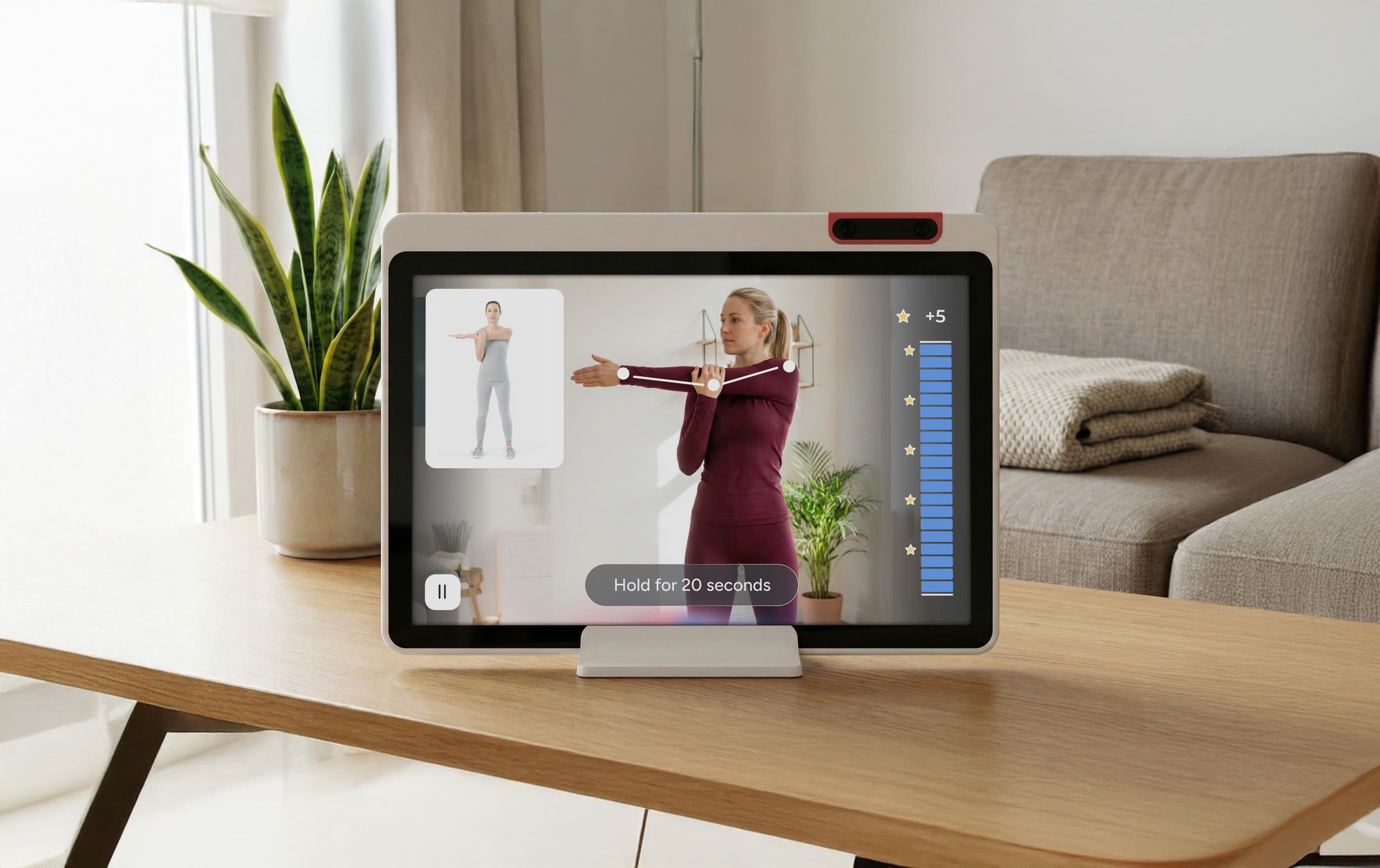
In the first-ever systematic review of its kind, Sword Health researchers showed that asynchronous telerehabilitation with biofeedback (known more broadly as digital physiotherapy) is effective in improving pain and function in patients with musculoskeletal (MSK) conditions.
Keep reading to learn about the peer-reviewed study, published in Digital Health.
What is telerehabilitation?
The term describes the digital health care delivery model of live video conferencing between physiotherapy provider and patient
What is biofeedback and how does it relate to physiotherapy?
Biofeedback is a mind-body technique that uses sensors and devices to measure your body's physiological signals (including things like muscle tension, heart rate, or breathing patterns). The mechanism feeds this information back to in real time, allowing the patient or clinician to make small, intentional changes. This revolutionary technology allows digital physiotherapy care models to improve health and performance without in-person clinic visits.
How does biofeedback enable digital physiotherapy?
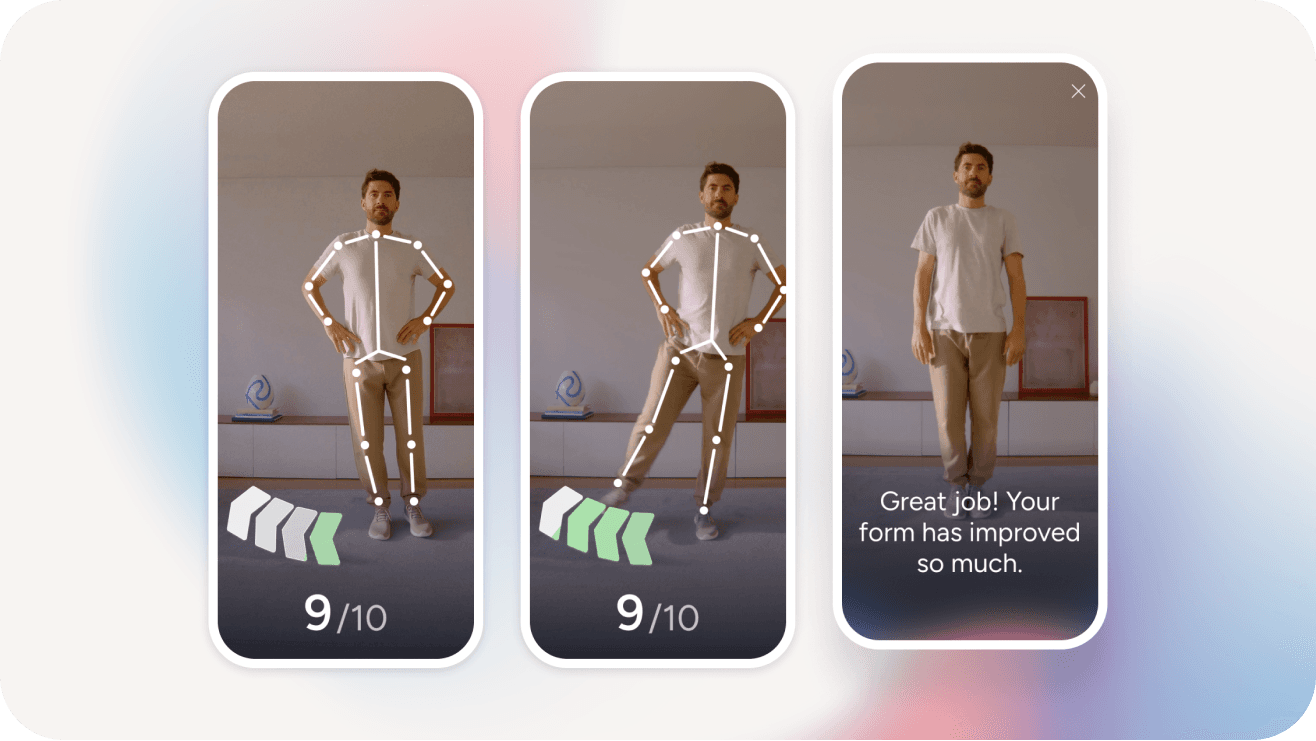
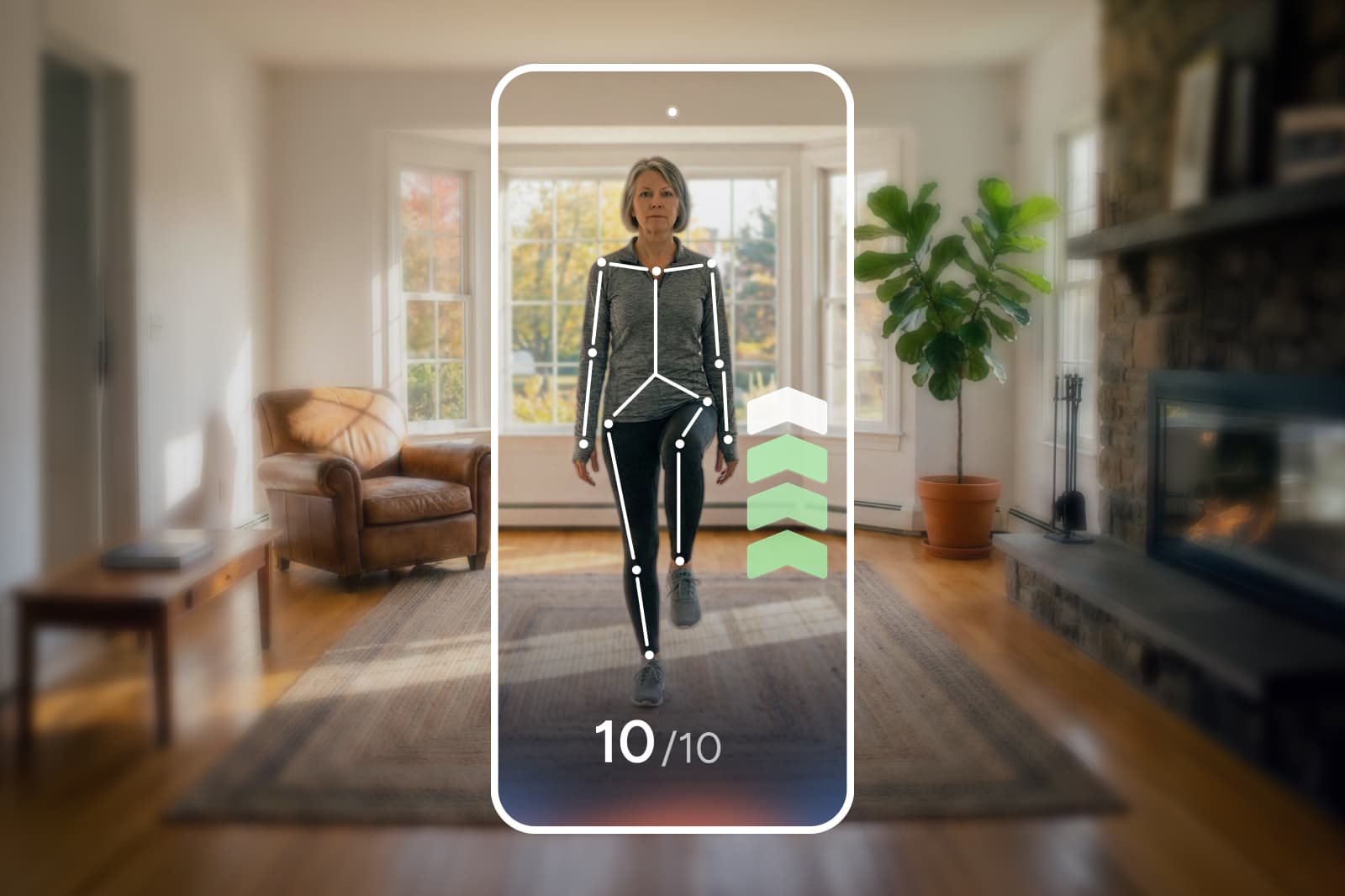
Biofeedback enables both the patient and the clinician to see how your muscles fire and move, helping you correct patterns that may be causing pain or holding you back.
Why is digital physiotherapy more widely used?
Exercise-based physiotherapy is a clinically and cost-effective treatment for MSK conditions, which are the leading cause of disability worldwide. As the evolution in digital health care technology developed and improved, the use of synchronous telerehabilitation has gained more and more popularity as an accessible alternative to in-person treatment.
Measuring the effectiveness of biofeedback with telerehabilitation
Until now, however, there was no systematic review evaluating the effectiveness of this type of asynchronous treatment.
Previous systematic reviews support the effectiveness of synchronous telerehabilitation in patients with MSK conditions. However, this kind of treatment still requires physiotherapists (PTs) to meet one-on-one with patients during every session.
This poses scalability and scheduling issues, as many patients are unable to consistently attend appointments during regular working hours. There is also an ongoing shortage of physiotherapists, which can create long waiting lists and additional schedule constraints. This means synchronous telerehabilitation (or the traditional in-clinic PT delivery model) cannot adequately tackle the growing need for physiotherapy services.
This is why asynchronous telerehabilitation with biofeedback has emerged as a more scalable solution for the treatment of MSK pain.
How biofeedback overcomes the barriers of traditional physiotherapy care models
- Patients can complete their recovery program from home without the challenge of scheduling appointments or commuting to a clinic
- The physiotherapy provider does not need to observe the session in real time with biofeedback and telerehabilitation enabling effective care
- This solution allows patients to complete their prescribed exercises on their own schedule at a location that suits their lifestyle
- Clinicians and care providers can use biofeedback and adherence metrics remotely to adjust the treatment as needed
- The added accountability of this progress tracking combined with the flexibility of the care model leads to increased engagement rates
Methods of the telerehabilitation research study
Sword researchers' systematic review focused on trials published in the last five years to summarize and assess the effectiveness of asynchronous, exercise-based telerehabilitation incorporating biofeedback. In total, 14 papers were included and analyzed. Among them were eight randomized control trials, three non-randomized control trials, and three single-arm studies.
The majority of studies used wearable inertial motion sensors to provide biofeedback during exercise sessions, while four studies used camera-based sensors. All studies included some form of communication system between health professionals and patients, but only six studies allowed patients to reach out as needed.
Results prove digital physiotherapy is as effective as traditional care at lower cost
The systematic review showed that asynchronous, exercise-based telerehabilitation incorporating wearable motion sensors is effective in improving pain and function in patients with MSK conditions, yielding at least similar improvements as compared to usual care (including in-person rehabilitation).
The results of this study reinforce the effectiveness of digital solutions such as Sword Health in treating MSK conditions, which is excellent news for patients, providers, and employers. Digital MSK programs allow patients to get the treatment they need from the comfort of their homes, as soon as they need it. In other words, the relative accessibility of digital MSK increases the likelihood of patients receiving timely and proper care, which is a key factor in avoiding unnecessary surgeries and other invasive procedures down the line. Meanwhile, providers can effectively treat more patients in less time.
How Sword supports recovery from home
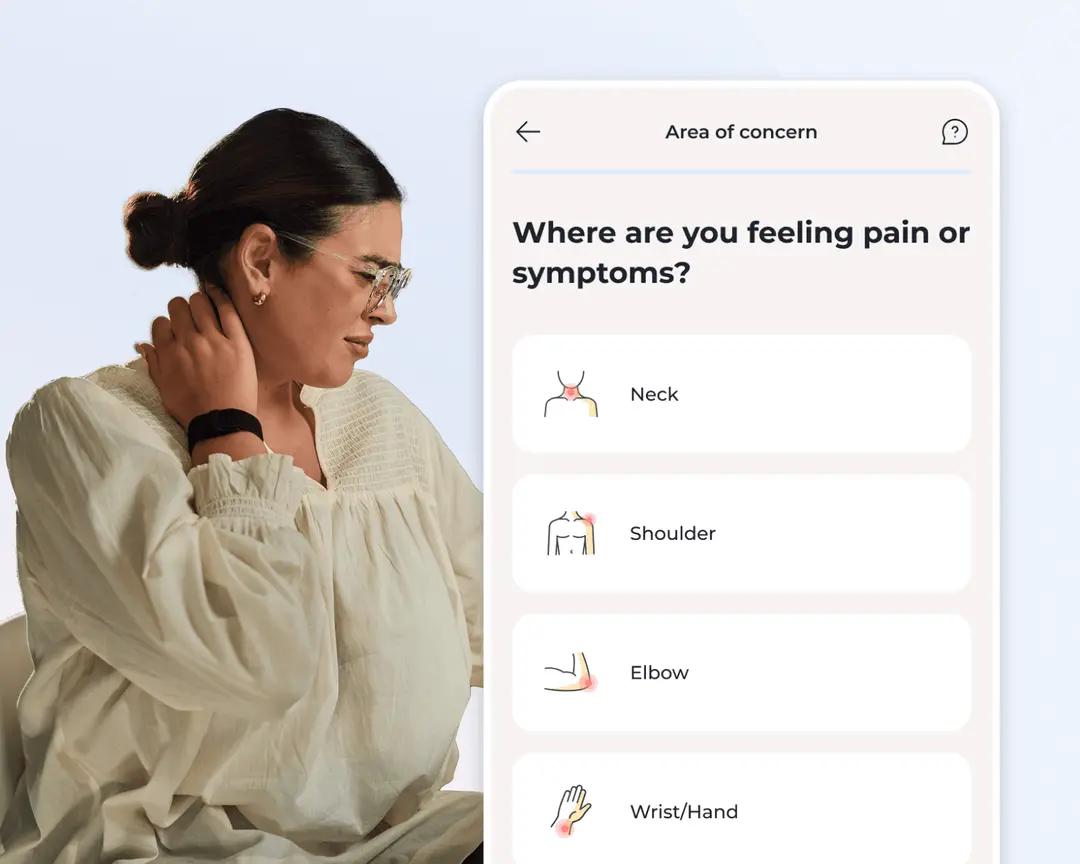
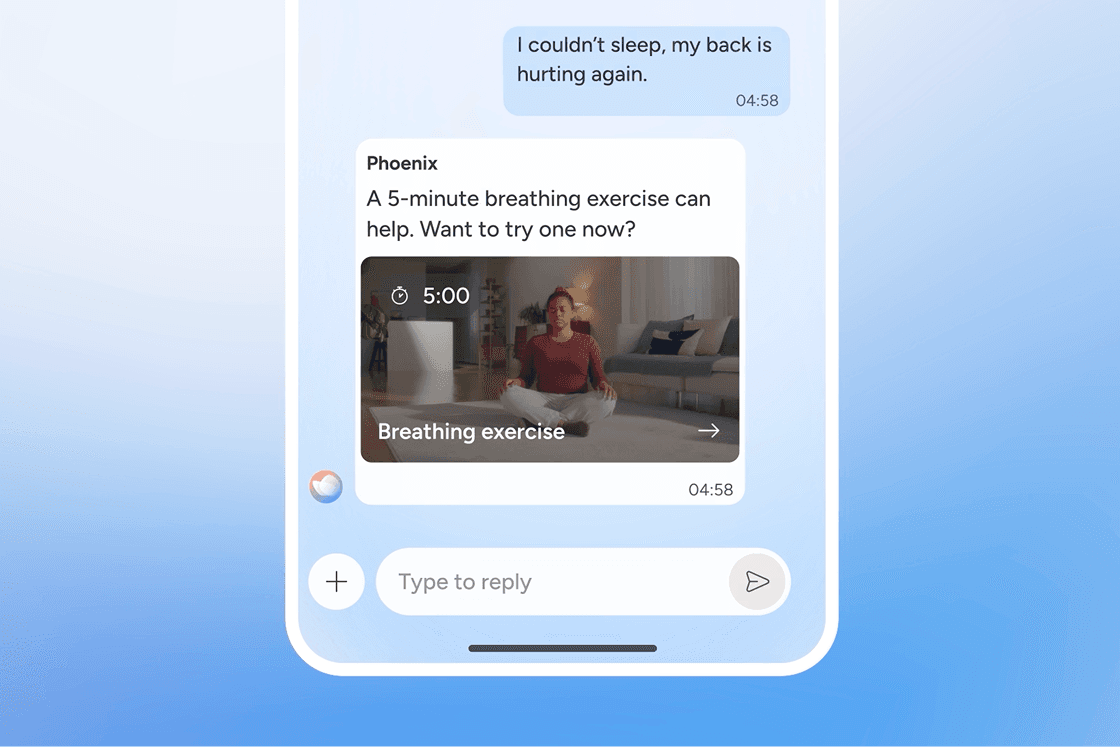
Sword Health offers a digital physiotherapy program designed to help reduce pain and improve movement. It combines personalized exercises, smart technology, and support from licensed physiotherapists, all delivered at home through an easy to use Sword app. Members get audio and visual feedback from the Sword app to help correct their form and get the most out of each exercise.
Unlike a clinic-based program where you attend appointments twice a week and manage alone in between, Sword works around your schedule. You are supported by a licensed physiotherapist who oversees your care, checks in regularly, and adjusts your plan as you progress. The care does not stop when the appointment ends.
Most Canadians with employer group benefits have physiotherapy coverage they have never touched. Not because they do not need it. Because the card sat in the wallet and the questions felt like too much to sort out before they had even started. If you are not sure whether your plan includes coverage for Sword, check your coverage now and you can get started on your recovery plan right away.