
Start Sword’s personalized physiotherapy from home

You've powered through the day. Work, errands, life, only to collapse into bed and… ouch. Your joints have other plans. As nighttime comes, your hips stiffen, knees ache, and that nagging lower back pain flares like clockwork. You're exhausted, but sleep feels miles away.
Sound familiar? You're not alone. For 50% of adults with musculoskeletal (MSK) pain face this frustrating cycle of "painsomnia," where joint pain at night and poor sleep feed each other. But here's the good news: it doesn't have to be this way. Let's break down why joint pain and throbbing can be worse at night. You will get actionable fixes to help you reclaim rest.
Why joint and muscle pain is worse at night
Patients with MSK pain often note that their discomfort is worse at night. People often report throbbing pain in their joints at night, arthritis hurts more at night, bones ache more at night, and even that joints ache when waking up just after sleep. But why?
Why do my bones ache at night?
If you've ever wondered "why do my bones ache at night?" it often comes down to circulation, pressure, and inflammation. When you lie down, blood flow shifts and fluid can collect around sore joints, creating a feeling of deep bone aching.
Conditions like osteoarthritis, osteoporosis, or previous injuries can heighten this sensitivity. Cooler nighttime temperatures can also tighten muscles and tissues, amplifying discomfort. Gentle stretching, good sleep support, and guided physiotherapy can help relieve that deep, throbbing ache over time.
The science behind joint pain at night
- Your body's natural rhythms shift: At night, cortisol (your anti-inflammatory hormone) dips, while pro-inflammatory proteins like cytokines surge. For arthritis sufferers, this means swelling and stiffness ramp up.
- Prolactin spikes: This hormone, which aids sleep, also amplifies inflammation. Think of it as your immune system overzealously "helping" while you rest.
- Stillness stiffens joints: Lying still reduces blood flow to joints, letting fluid stagnate. Morning creakiness? That's your joints saying, "Hey, we're stuck!"
- Stress compounds pain: Ever notice pain feels louder when you're not distracted? Nighttime's quiet amplifies discomfort, making it harder to unwind.
7 ways to ease nighttime joint pain
There's hope for managing your sleep better. While you may have developed a pattern of poor sleep that is hard to break, simple lifestyle changes can make a difference. The key to tackling pain at night is to create healthy habits and improve your sleep environment. By making these changes, both the quality and quantity of your sleep can improve. If pain keeps you awake, here are things you can do to ease your symptoms and get some much-needed rest.
1: Pre-bed stretches that don't feel like work
Skip the intense yoga. Try these physiotherapist-approved moves in bed:
- Knee-to-Chest Hugs: Gently pull one knee toward your chest for 15 seconds. Switch sides.
- Seated Spinal Twist: Sit cross-legged, twist gently to one side (hold 10 seconds).
- Neck Glides: Tilt your ear toward your shoulder (no forcing!).
Pro Tip: Pair with deep breathing to signal your body it's safe to relax.

2: Optimize your sleep setup
- Temperature: Aim for 18–20°C. Too warm? Try moisture-wicking pyjamas.
- Mattress: Medium-firm is ideal for most. If yours sags, flip it (yes, adults forget this too).
- Pillow Strategy: Side sleeper? Place a pillow between knees. Back sleeper? Slide one under calves.
3: Heat therapy: your evening reset button
Heat relaxes muscles and boosts blood flow to stiff joints. Try:
- A microwavable pad on low for 15 minutes.
- A warm shower before bed (bonus: Epsom salts soothe aches).
Pro tip: Avoid heat if joints are visibly swollen or red.
4: Mindfulness made practical
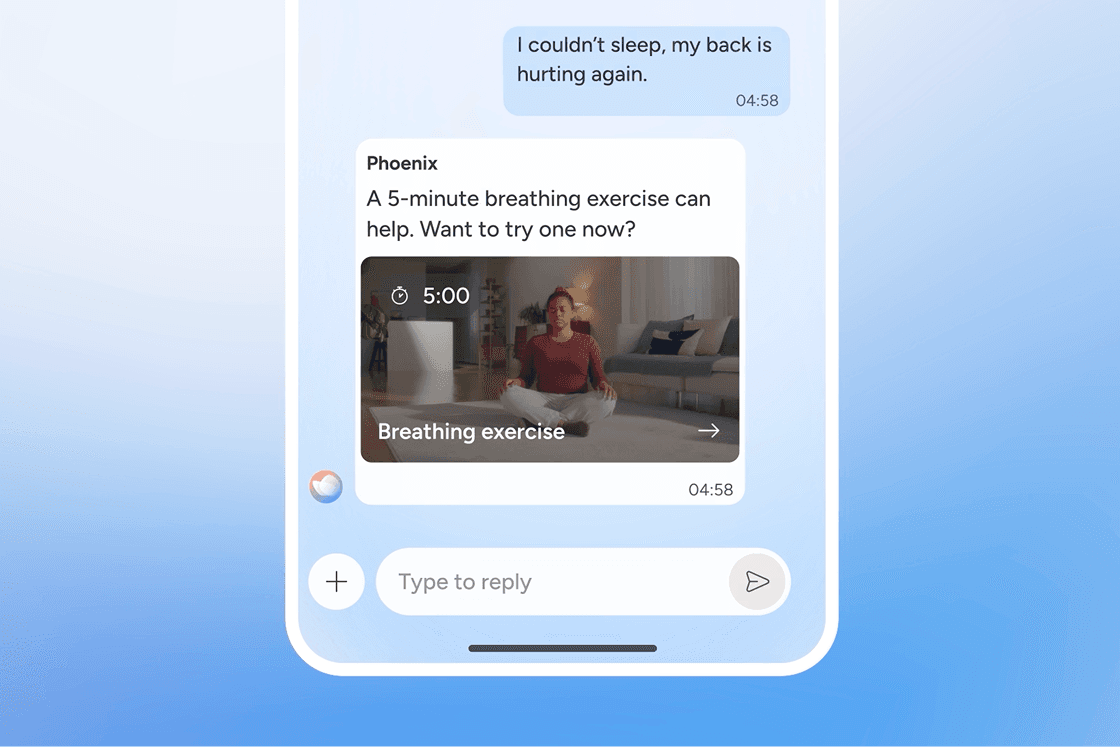
You don't need to meditate like a monk. It may take some practice before you can meditate effectively (the Mayo Clinic recommends starting with just 5 minutes a day), but with time and patience, it can become an invaluable tool for easing joint pain at night. Try this 5-minute wind-down:
- Lie in bed, hands on ribs.
- Breathe in for 4 counts, out for 6.
- Imagine tension melting from your joints with each exhale.
Studies show this lowers pain perception by 30%—worth a shot, right?
5: Ditch the "Push Through Pain" mentality
Painkillers mask symptoms; physiotherapy fixes the root cause. Example: Weak glutes strain your knees? A physio will strengthen them so your joints can clock out at night.
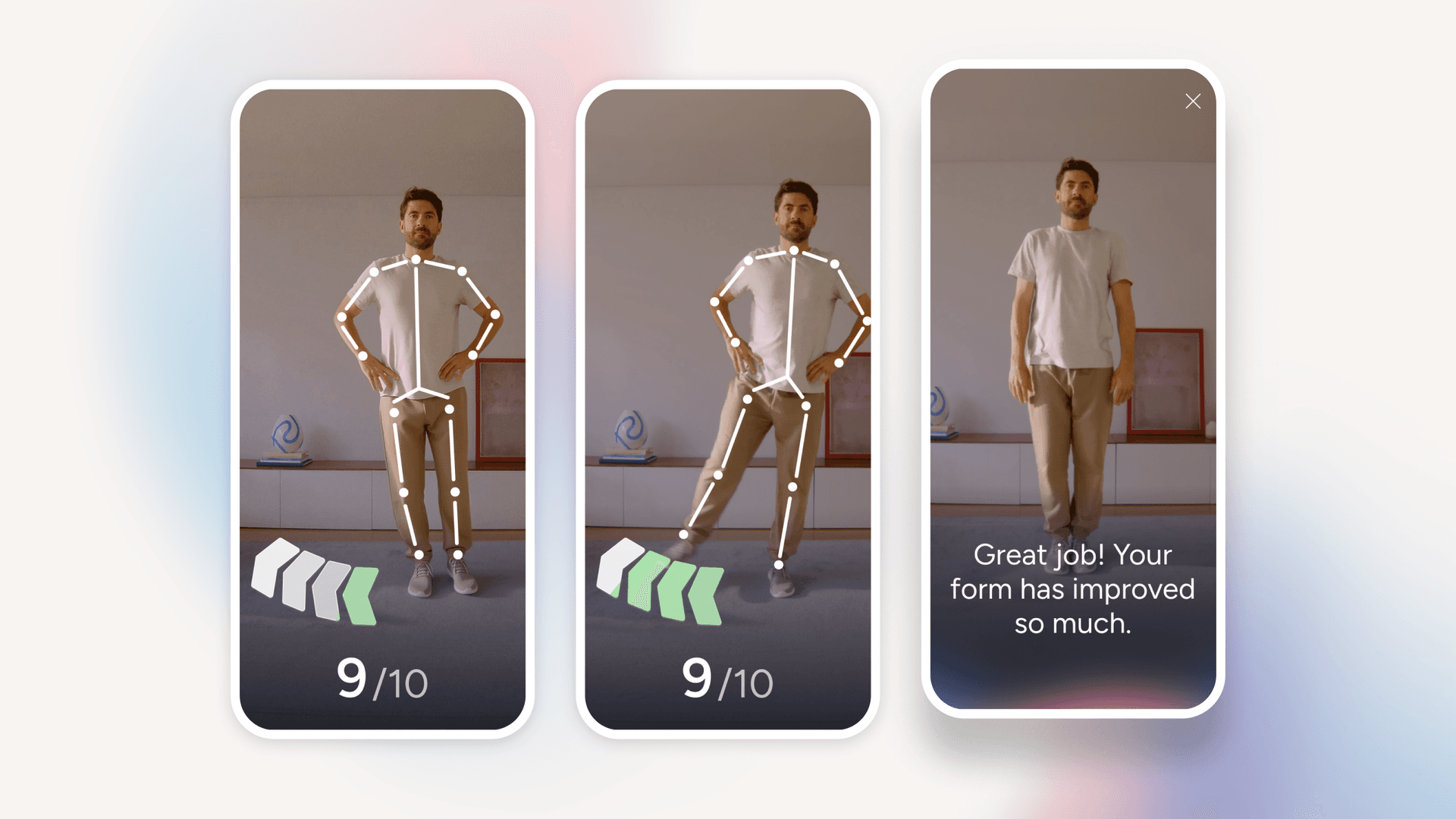
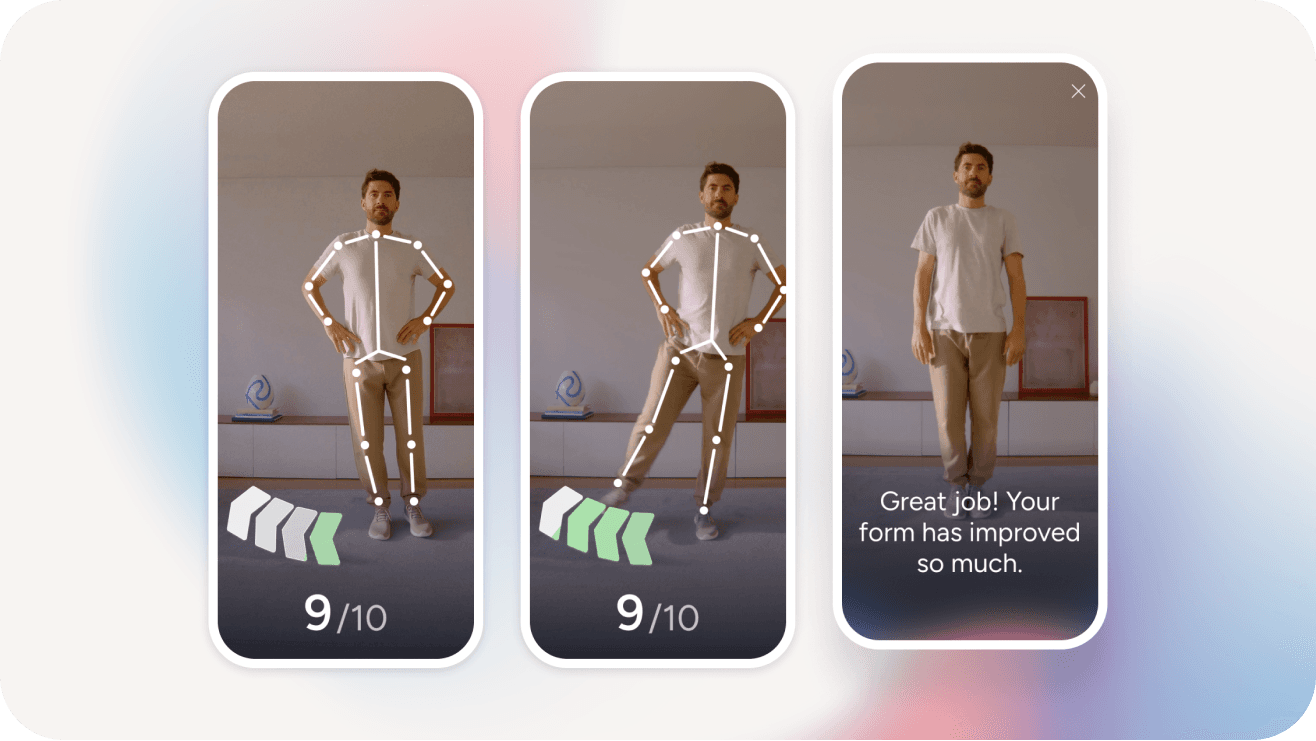
Sword's from-home physiotherapy program balances technology with world-class human clinicians to ensure the highest standards of physical therapy are accessible to people from the comfort of their own home. Members get real time feedback on exercises during every therapy session. This ensures they are moving correctly and progressing appropriately, facilitating faster and better outcomes.
6: Your mattress matters: how to pick the right one for joint pain
Let's be real: your mattress isn't just a place to sleep—it's a critical tool for joint health. The wrong one can leave you stiff and achy; the right one can feel like a reset button for your body. Here's how to choose wisely, based on your pain:
- For Arthritis, opt for a medium-firm memory foam mattress. It cushions tender joints without sagging, so hips and shoulders don't sink into awkward positions. Memory foam also distributes weight evenly, easing pressure points.
- For Sciatica, an adjustable bed frame (or mattress with zoned support) is ideal. Elevating your legs slightly reduces pressure on the sciatic nerve. If that's out of budget, try a wedge pillow under your knees.
- For Chronic Back Pain, look for a hybrid mattress (coils + foam). The coils support your spine's natural curve, while the foam layer relieves pressure on sensitive areas like the lower back.
Budget-friendly Hacks:
- Most mattresses last longer if you flip and rotate them every 6 months. Yes, even if it's a hassle.
- Cooling Sheets: Bamboo or Tencel fabrics wick sweat, reducing inflammation-triggering night sweats.
- Topper Trick: A 3-inch gel-infused memory foam topper (75–75–150) can revive a sagging mattress.
- Pillow Strategy: Place a lumbar pillow under your knees (back sleepers) or between thighs (side sleepers).
7: Move better, not harder: how daytime habits defuse nighttime pain
The Science: Movement isn't about burning calories—it's about lubricating joints. Synovial fluid (your joints' "oil") thickens when you're sedentary, leading to stiffness. Even small bursts of activity keep it flowing. Physiotherapist-Approved Moves for Common Pains:
- Arthritis Knees: Seated leg extensions (10 reps, 2x/day) strengthen quads without impact.
- Stiff Hips: Figure-4 stretch (hold 30 seconds/side) opens tight glutes.
- Sciatica: Cat-Cow stretches (5 mins/day) relieve lower back tension.
When to seek help for nighttime joint pain
Persistent painsomnia could signal:
- Arthritis
- Herniated Disc
- Chronic Inflammation
Sword Health's physiotherapists diagnose and treat these digitally with no clinics, no waiting rooms.
How does Sword help you stop nighttime joint pain?
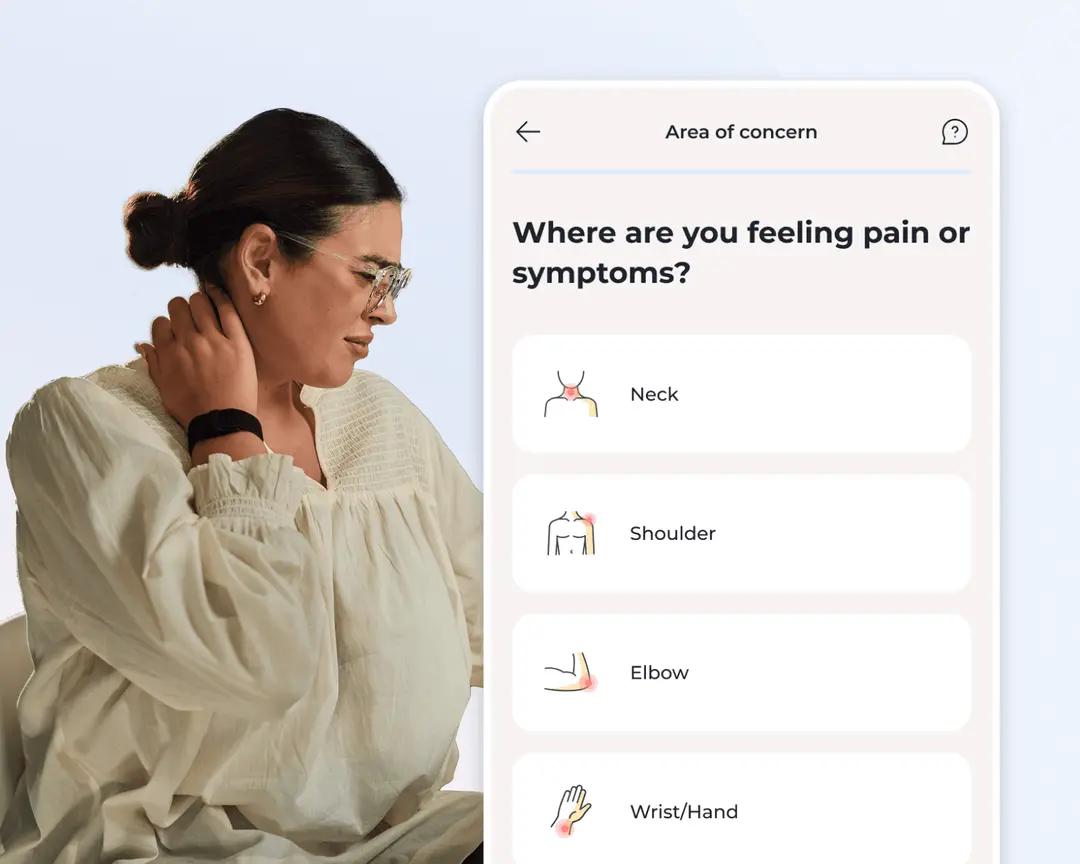
When joint pain keeps you awake, support should not have to wait until morning. Sword is a from-home physical pain care experience designed to help people move with less pain, build strength, and stay supported from the comfort of home. Instead of waiting weeks for a referral or relying only on painkillers, Sword gives you access to personalized care, clinical support, and technology that provides real-time feedback as you move.
Every member is matched with a licensed physiotherapist who builds a personalized recovery plan around your specific pain, sleep challenges, and goals. As your body adapts, your plan evolves, helping you steadily reduce pain and reclaim restful sleep.
What getting better with Sword actually looks like
How Sword helps to end nighttime joint pain
- Fast relief when you need it most: Begin care quickly, so pain does not keep compounding.
- Targeted recovery for flare-ups: Whether it is arthritis, hip stiffness, or back pain that spikes at night, Thrive delivers therapy to calm joints and improve comfort.
- Prevention of chronic sleep disruption: Early treatment reduces the risk of persistent "painsomnia" that disrupts health and quality of life.
- Confidence to move and rest again: With continuous guidance and oversight from a degree-qualified physiotherapist, you can safely strengthen and restore joint function, making it easier to fall asleep and stay asleep.
Why choose Sword to end nighttime joint pain
Musculoskeletal conditions are the leading cause of disability and health care cost in Canada.1 Nighttime pain may feel inevitable, but it does not have to control your sleep. Thrive ensures you get the right care at the right time, so pain does not turn into a chronic cycle. Sword's Digital Physiotherapy delivers continually proven results validated by multiple clinical studies:
- 67% of members are pain free by program end2
- Up to 70% reduction in surgery intent3
- 47% stop taking painkillers4
- 68% increase in productivity5
With Thrive, you are not just hoping for a good night's sleep. You are actively taking steps to make it possible.
Start physiotherapy from home

Sources
- 1
JAMA. 2020;323(9):863–884. doi:10.1001/jama.2020.0734
- 2
Sword Book of Business, 2023
- 3
Health Care. 2022;10(8):1595. doi:10.3390/healthcare10081595
- 4
Sword Book of Business, H1 2023
- 5
Musculoskeletal Science and Practice. 2023 Feb;63:102709. doi:10.1016/j.msksp.2022.102709