

Start Sword’s personalized physiotherapy from home
If you’re living with pain, whether it’s in your back, knees, neck, or elsewhere, you’re not alone. Millions of people experience pain that affects how they move, sleep, and live each day. For many, physical therapy is a proven and effective path to feeling better and regaining control. But what is physical therapy, exactly? And how does it work?
Physiotherapy is a personalized, hands-on approach to improving physical function. It’s guided by licensed professionals who use exercise, education, and movement strategies to help people recover from pain, injury, or limited mobility. Whether you’re healing after surgery or dealing with chronic pain, physiotherapy can help you build strength, improve flexibility, and move more confidently again.
Let’s walk through what physical therapy really is, who it helps, and how you can access it in person or from the comfort of home with a personalized Pain Care program using Sword.
When and why people need physiotherapy
Physiotherapy is often recommended for people who are dealing with pain, stiffness, or limited function due to a wide range of conditions. These might include low back pain, arthritis, sports injuries, post-surgical recovery, or even repetitive stress issues from daily life. But it's not just for those recovering from something acute. Physiotherapy can also support people who have been living with discomfort for months or even years.
One of the most valuable aspects of physiotherapy is that it's designed to restore function and reduce pain over time, not just mask the symptoms. For many people, physiotherapy helps them avoid surgery, stop relying on pain medications, or return to daily activities they've been avoiding. From walking upstairs to playing with your kids, physiotherapy focuses on the real-life movements that matter most.
It's also worth noting that people of all ages and backgrounds can benefit from physiotherapy. Whether you're a young adult recovering from a sports injury or a working parent managing lower back pain from sitting all day, a good physiotherapy program meets you where you are.
What happens during a physiotherapy session?
The experience of physiotherapy often begins with an evaluation. A licensed physiotherapist will assess your current pain, movement limitations, strength, flexibility, and overall function. They'll ask questions about your daily habits and your goals, whether that's walking without pain, returning to exercise, or improving posture at work.
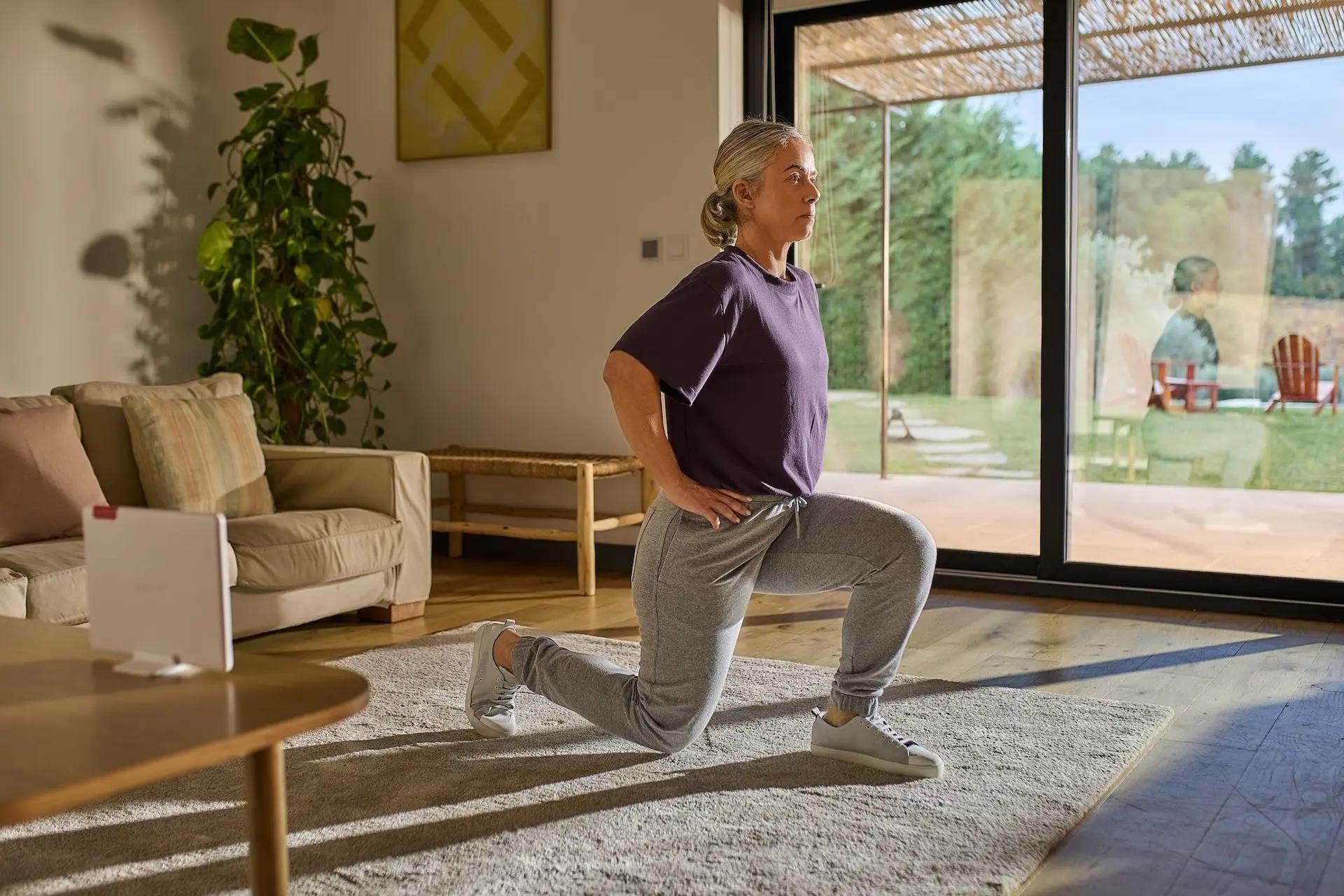
From there, your therapist will create a personalized plan tailored to your needs. This plan often includes guided exercises to strengthen muscles, restore range of motion, and retrain your body to move safely and efficiently. Sessions may also involve manual therapy, posture education, and instructions on how to continue progress between visits.
Importantly, physiotherapy is not a one-size-fits-all treatment. Each session builds on your progress, and your therapist adjusts the plan based on how your body responds. It's an active, ongoing process, collaborative and focused on your specific pain patterns and recovery goals.
Different types of physiotherapy
Physiotherapy is a broad field, and there are several different treatment approaches a therapist might use. Manual therapy is a hands-on technique that involves mobilizing joints or soft tissue to reduce pain and improve motion. Therapeutic exercise is one of the most common components, involving movements designed to strengthen muscles, improve balance, or increase flexibility.
Another key element is neuromuscular re-education, which retrains your brain and muscles to work together properly, especially after an injury or period of immobility. Physiotherapists also provide education and tools to prevent re-injury, such as ergonomic guidance or strategies to modify movement during daily life.
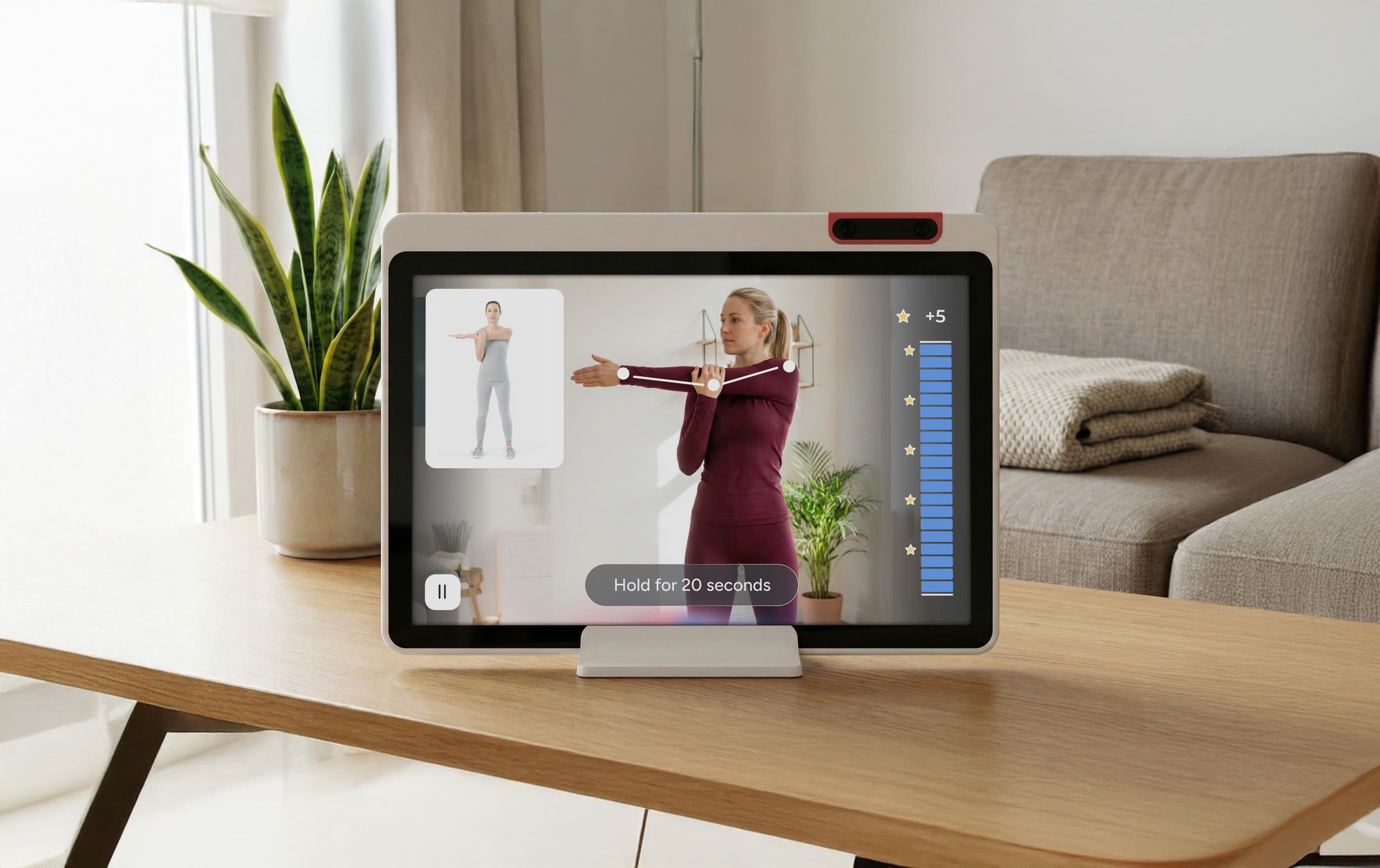
As the field has evolved, new models of care have emerged, including digital physiotherapy. With the help of technology, many people now complete their sessions at home, guided by real-time feedback and virtual support. These newer models make high-quality care more accessible and flexible, without compromising clinical standards.
Start physiotherapy from home
Benefits of physiotherapy for people in pain
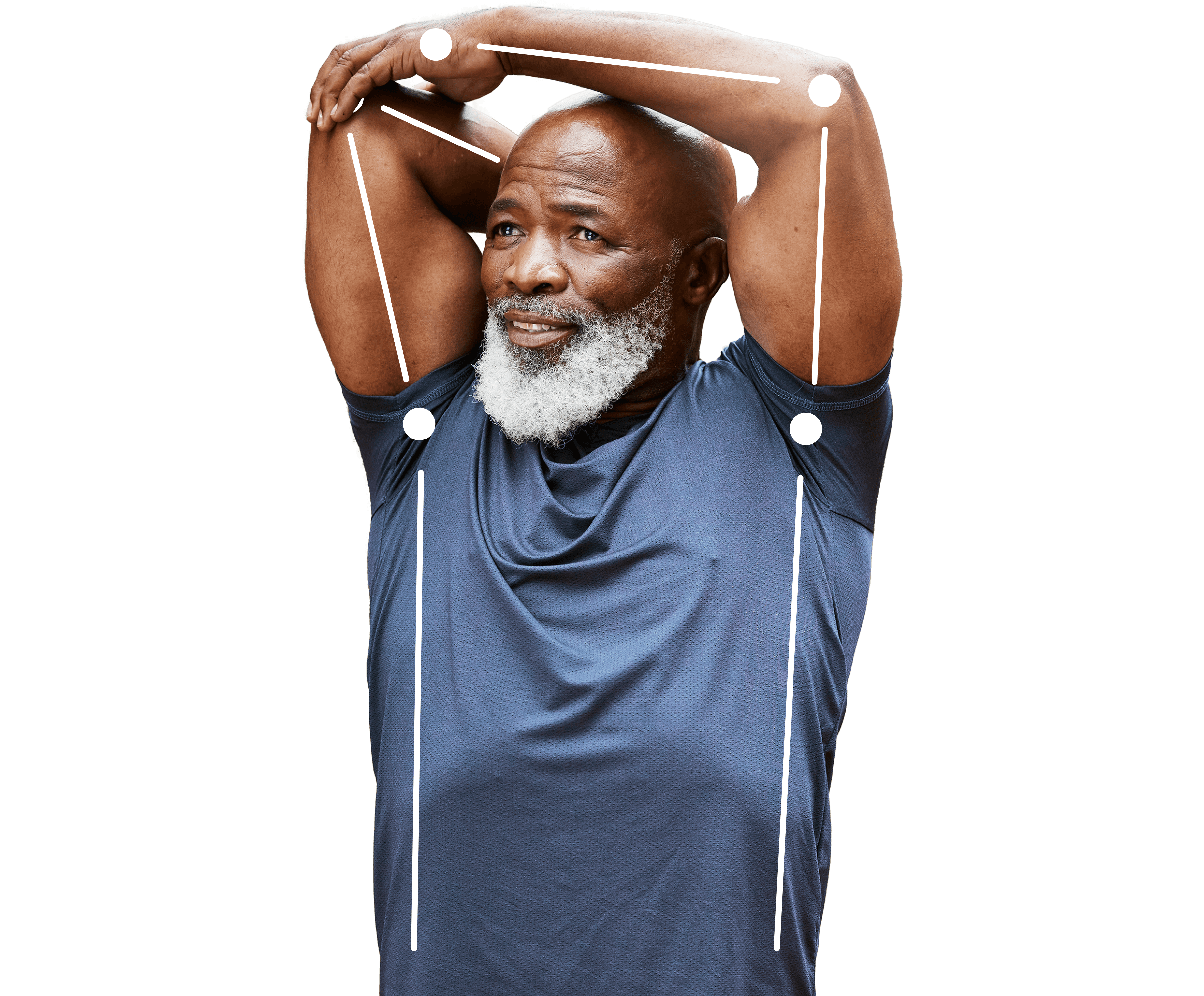
The benefits of physiotherapy extend far beyond reducing pain in the short term. When done consistently, it can improve how your body functions every day. People often report better posture, stronger muscles, increased stamina, and greater confidence in how they move. These improvements lead to more freedom in everyday life, whether that's getting back to work, enjoying hobbies, or simply feeling more at ease in your own body.
Another major advantage is that physiotherapy addresses the root cause of pain. Instead of focusing solely on symptoms, it works to correct the underlying imbalances or movement issues that led to discomfort in the first place. That makes it a more sustainable option than medication or passive treatments alone.
And because it's non-invasive, physiotherapy is often a safer and more empowering alternative to surgery. With the right plan and support, many people can avoid more drastic interventions entirely.
In-person vs. digital physiotherapy: What's the difference?
Traditionally, physiotherapy has been delivered in a clinic, where patients meet with a therapist in person. These visits are effective, but they can also be time-consuming, expensive, or difficult to fit into a busy schedule. That's where digital physiotherapy comes in.
Digital physiotherapy takes the same clinical principles and delivers them through a virtual platform. With this approach, members complete exercises at home using technology that guides their movements and provides real-time feedback. Sessions are designed by licensed physiotherapists and tailored to each person's unique needs, just like in a traditional setting.
The key difference is convenience. Digital models remove common barriers to care like travel time, clinic availability, or taking time off work. They also allow for more frequent sessions, which can improve adherence and outcomes. For people juggling jobs, family, and personal health, this kind of flexibility can make all the difference.
Sword's personalized digital physical therapy
Sword programs are a standout example of how digital physiotherapy is transforming the way people recover from pain. Sword combines the continuous guidance of licensed physical therapists with the power of technology to deliver care that is both clinically effective and deeply human.
Each member can begin with a comprehensive evaluation by a physiotherapist. From there, they receive a tailored treatment plan that includes guided exercises, educational content, and 24/7 support. Using wearable motion sensors and camera-based tracking systems, depending on the plan, and a dedicated digital platform, Sword ensures that every movement is performed accurately and safely.
The advantages are clear. Sword brings high-quality care directly into your home, on your schedule. There's no need to commute to a clinic or rearrange your life to fit therapy in. And because members are monitored remotely, therapists can make personalized adjustments based on progress and feedback. Clinical outcomes have shown that this approach is not only more convenient — it's highly effective.
Sword is designed to empower people, not overwhelm them. It's about making recovery accessible, comfortable, and centred on what matters most: helping you move better and feel better, for good.
How to know if you're a good candidate for physiotherapy
Many people wait far too long before exploring physiotherapy, assuming their pain isn't “bad enough” or that it will eventually go away on its own. But physiotherapy isn't just for people recovering from surgery or serious injuries. In fact, some of the best outcomes come when care starts early, before pain becomes chronic or more complex.
- Physiotherapy can really help if you find yourself avoiding certain movements, noticing stiffness that doesn't improve, or experiencing recurring aches in your back, neck, knees, or joints, physiotherapy may be the right path.
- You should also consider physiotherapy if your work or lifestyle puts repeated stress on your body, such as sitting at a desk for long hours, lifting heavy objects, or engaging in repetitive motions.
- Another common misconception is that physiotherapy is only for older adults or athletes. In reality, people of all ages and activity levels benefit. Whether you're a new parent lifting a baby, a student carrying a heavy backpack, or someone who's simply tired of living with pain, physiotherapy offers practical, evidence-based care that helps you feel more capable and in control.

What matters most is listening to your body. Pain is a signal, not something you have to tolerate indefinitely. If it's interfering with how you move, sleep, or live your life, it's worth exploring a solution.
You don't need a referral to start exploring your options. Many people access physiotherapy directly through their health plans, and programs like Sword make it even easier to begin. How to get started with physiotherapy
See if you're eligible for digital physiotherapy
Starting physiotherapy might feel like a big step, but the process is often simpler than people expect. The first decision is whether to pursue care through an in-person clinic or explore a digital-first option like Sword. Both models offer the guidance of qualified physiotherapists, but a personalized Pain Care program with Sword can offer precious flexibility, especially if you have a busy schedule or prefer to work through your program from home.
- Most health plans include coverage for physical therapy, though access and process can vary.
- Some employers work directly with providers like Sword Health to offer personalized digital therapy at no cost to members (all it takes is a quick check to see if you are covered)
- The most important thing is to take the first step and start recovery as soon as you can
Pain can be isolating, but recovery doesn't have to be. With the right support, progress is not only possible: it's likely. Physiotherapy gives you tools to strengthen your body, reduce discomfort, and regain confidence in how you move through the world.
If you've been thinking about getting help but weren't sure where to start, there's never been a better time to explore your options.
You don't have to keep living with pain or guessing whether physiotherapy could help. Sword programs offer a clinically proven, convenient path to feeling better, and you may already have access through your health plan.
Get started with Sword