
Start Sword’s personalized physiotherapy from home
Musculoskeletal (MSK) conditions are one of the most common causes of disability, lost productivity, and pain. In fact, the majority of adults will develop an MSK issue at some point in their lives.
Whether acute or chronic, it's important to treat MSK pain promptly and properly before the condition worsens and leads to even more serious problems (and bigger medical expenses) later on. Some physiotherapy solutions are designed to address only chronic MSK conditions. At Sword Health, we believe acute MSK pain needs to be taken as seriously as chronic disorders. Supporting members at every stage of their healing journey helps them stay healthy and helps companies to control health care spend.
In this article, we'll learn about the difference between acute and chronic MSK disorders, and explain how physiotherapy can help achieve better outcomes.
What is an acute musculoskeletal condition?
Acute MSK conditions are ones that develop suddenly and usually last only for a short period of time. A very common example is a sprained ankle as a result of an accidental fall. Other examples include a bone fracture, dislocated shoulder, or a torn tendon.
Acute MSK injuries are often (but not always) presented as severe, perhaps even excruciating pain. As such, they require immediate medical attention to relieve pain and mitigate any complications that might develop later on.
A A condition enters the sub-acute phase after the initial acute injury or pain, usually three days. A sub-acute condition can be just as painful as an acute condition.
What is a chronic musculoskeletal condition?
Chronic MSK conditions are long-term conditions that persist over time and can involve continuous or intermittent symptoms. Common examples include arthritis, repetitive strain injury (RSI), tendinitis, carpal tunnel syndrome (CTS), and low back pain.
Living with a chronic MSK condition often means living with chronic pain for months or years, which can severely affect quality of life, productivity, and mental health.
What is the difference between acute and chronic MSK conditions?
The main difference between acute and chronic MSK conditions is the duration of symptoms experienced by the patient. Acute MSK conditions last a few days or weeks, and usually do not require lengthy treatments. Conversely, chronic MSK conditions can afflict individuals for months or years, and often require long-term treatment and prescription medication to manage. They can result in prolonged pain, disability, and poor quality of life if not properly addressed.
Acute conditions can become chronic conditions when the pain or dysfunction lasts more than 12 weeks. The most common reason why an acute condition may become chronic is not getting the proper treatment during the acute phase. This is why it's critical that people in pain get the right care at the right time before the condition leads to more pain, longer treatments, and more costs.
At Sword, we offer care for both acute and chronic conditions because we know that addressing MSK issues early on means better health outcomes and fewer expenses, for both employees and employers.
Can physiotherapy help both acute and chronic MSK conditions?
Yes. Physiotherapy is a commonly recommended treatment for acute and chronic MSK conditions with proven benefits, including pain relief, increased mobility and strength, and reduced reliance on surgery and medication.
Sword Health offers AI physiotherapy that addresses the full spectrum of pain care, from acute to chronic to post-operative recovery. Every member is matched with a licensed doctor of physiotherapy who customizes a treatment plan for each individual based on their specific injury, goals and challenges. This high-touch care model is one reason Sword has the highest engagement and adherence rates in the digital PT space.
Sword: digital physiotherapy for acute and chronic pain
When musculoskeletal (MSK) pain gets in the way of life, Sword Thrive is an ideal program designed to help people recover from both acute and chronic pain from the comfort of home.
Sword's world-class Digital Physiotherapy solution is designed to help people recover from flare-ups, prevent pain from becoming chronic, and regain lasting function.
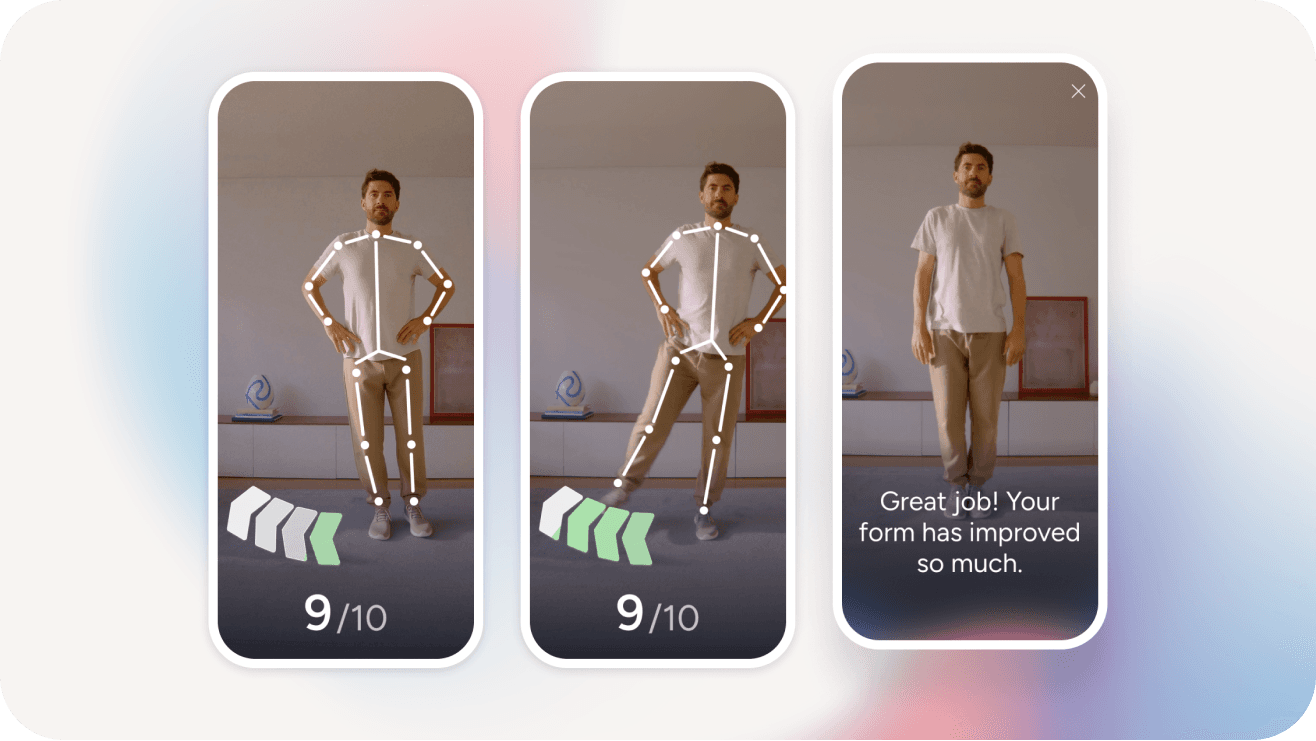
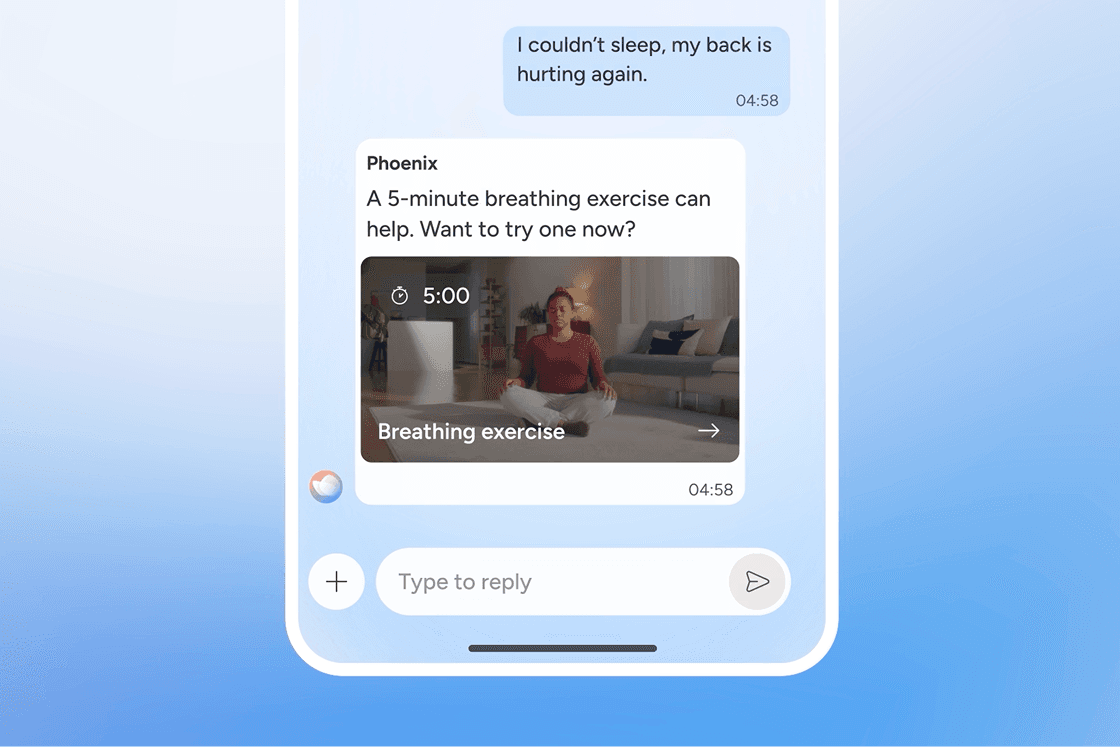
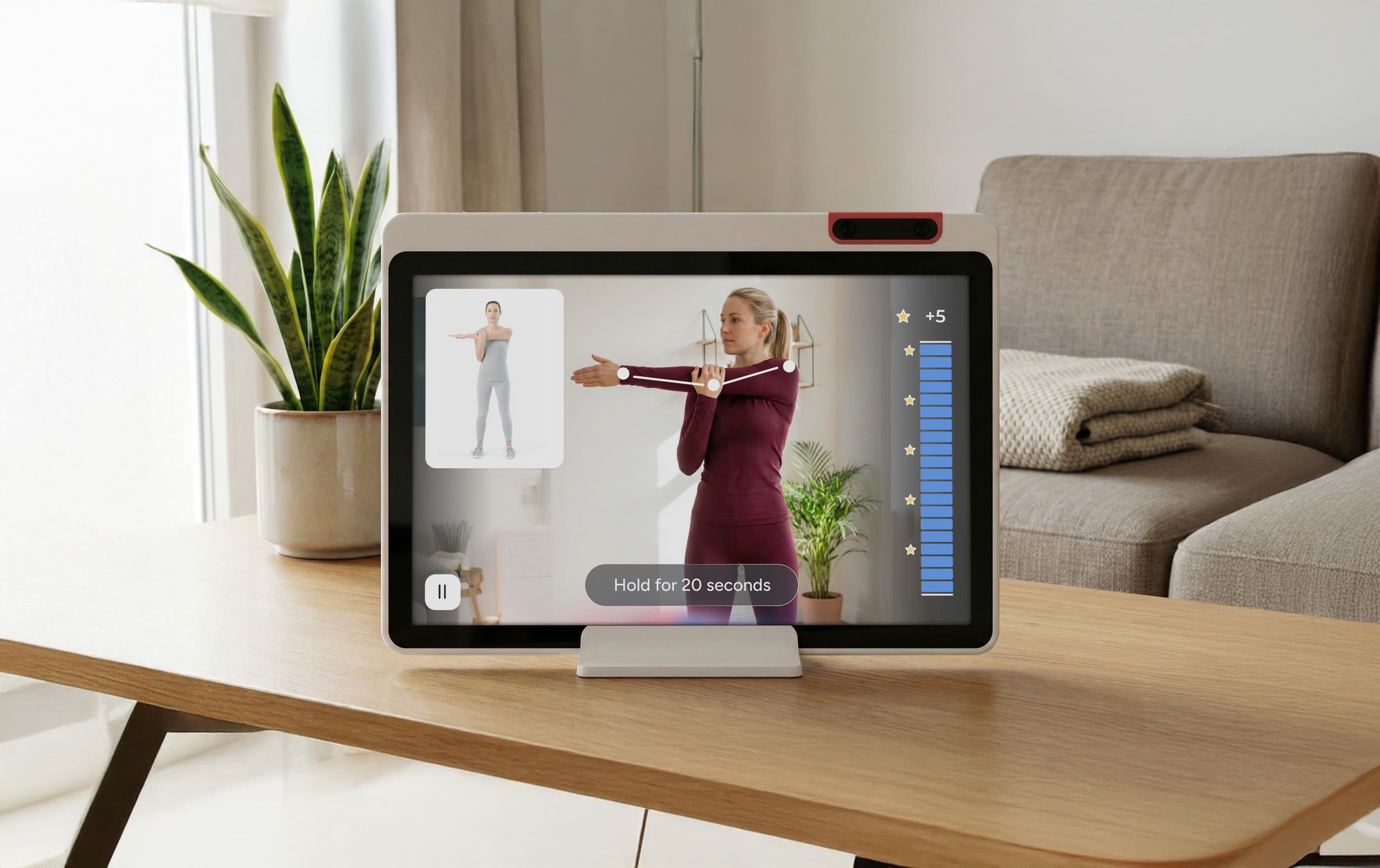
Unlike traditional care, where people may wait weeks for a referral or drop out after just a few clinic sessions, Thrive meets you where you are. Every member is paired with a licensed Doctor of Physiotherapy who personalizes a recovery plan based on your pain, lifestyle, and goals. Using motion sensors and our Digital Therapist, you'll complete guided sessions at home with real-time feedback. Your plan adapts as you progress, ensuring your care is always effective.
No crowded clinics. No long delays. With Sword, you can complete your program on your schedule without the need to leave the house or change your schedule.
Sword works to stop both acute and chronic pain
- For acute pain: Thrive provides fast access to care, helping you manage flare-ups from injuries, strains, or overuse before they spiral into long-term problems. Early, guided therapy keeps recovery on track.
- For chronic pain: Sword empowers you with consistent guidance and oversight from licensed physiotherapists. This helps addresses underlying movement patterns, builds strength, and reduces pain over time. Members with ongoing conditions like sciatica or herniated discs report significant reductions in pain, medication use, and even surgery intent.
One member put it simply:
“I battled a shoulder injury for years and even had surgery in 2017 but I was still in pain. With Sword, I am pain free with a full range of movement that I didn't have before!" – Donnie, Sword Thrive member
How Sword works
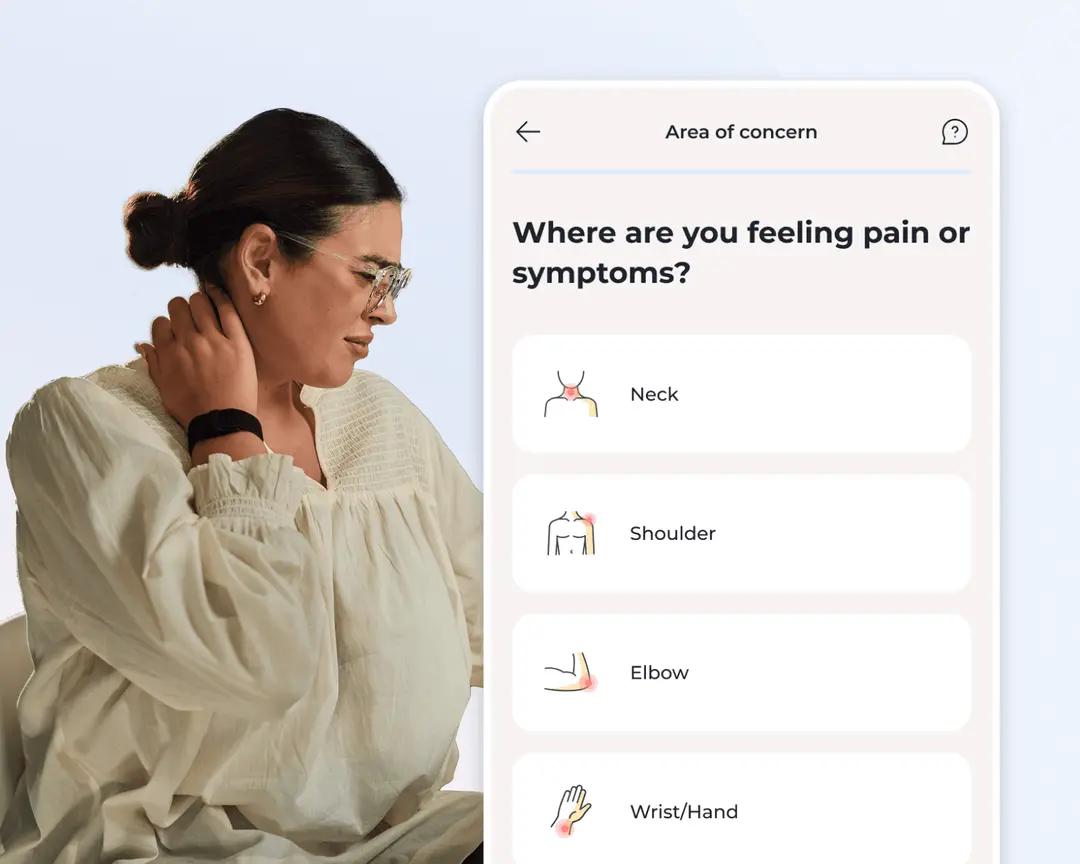
- Tell us about your pain: Share whether you're dealing with a new injury or a condition that's been with you for years. We tailor your care from day one.
- Work with your dedicated clinician: A Doctor of Physiotherapy designs and adjusts your plan as you recover.
- Use your Thrive kit at home: Receive a tablet, motion sensors, and everything you need for guided sessions.
- Recover with real-time support: Complete exercises on your schedule, with feedback that ensures every movement is safe and effective.
What getting better with Sword actually looks like
How Sword helps you heal
- Targeted support for common acute and chronic MSK conditions: From low back pain and tendinitis to joint pain and flare-ups of old injuries.
- Relief for everyday aches: Long hours at a desk, on your feet, or recovering after surgery.
- Support when other care hasn't worked: Thrive adapts as you progress, so you're never stuck in the same routine.
- Sustainable recovery: With 81% completion rates in our high-intensity programmes, members stay engaged and see lasting results.
Get started with Sword to end your pain
Musculoskeletal conditions are the leading cause of disability and cost in the U.S.1. Left untreated, acute pain often becomes chronic—and chronic pain drives lost productivity, higher costs, and reduced quality of life. Sword changes that trajectory and delivers lasting results:
- 67% of members are pain free by program end2
- Up to 70% reduction in surgery intent3
- 47% stop taking painkillers4
- 68% increase in productivity5
You deserve care that meets you where you are and moves with you toward where you want to be. Most Canadians with employer group benefits have physiotherapy coverage they have never touched. Not because they do not need it. Because the card sat in the wallet and the questions felt like too much to sort out before they had even started. If you are not sure whether your plan includes coverage for Sword, check your coverage now and you can get started on your recovery plan right away.
Start physiotherapy from home

Sources
- 1
JAMA. 2020;323(9):863–884. doi:10.1001/jama.2020.0734
- 2
Sword Book of Business, 2023
- 3
Health Care. 2022;10(8):1595. doi:10.3390/healthcare10081595
- 4
Sword Book of Business, H1 2023
- 5
Musculoskeletal Science and Practice. 2023 Feb;63:102709. doi:10.1016/j.msksp.2022.102709