

You know what it feels like. The pain is only part of it. There's the way you move differently to avoid it. The things you've stopped doing. The night you couldn't sleep because nothing felt right, so you got up and tried to move the pain away. The moment you realized your shoulders have been tense for hours.
Most people handle this alone because the prospect of trying to get a physio appointment, commuting to the clinic, and committing to weekly sessions during working hours is a lot to juggle. Sometimes it just feels easier to put up with the pain and move on.
The pain doesn't have to be permanent and this article will share some specific strategies to help you manage and reduce the pain, and an excellent clinically-proven care option that you can access 24/7 from the comfort of home.
The Sword Summary Warm-up
Don't have time for the full article? Here's what matters:
- Physical activity is one of the most proven ways to reduce back and joint pain and stop these problems from getting worse¹
- Exercise works best when it's customized to your specific pain and guided by a physiotherapist who can adjust as you progress²
- Most people who manage pain alone struggle to keep going. Expert guidance and real-time feedback make a huge difference in how long people stick with their programs³
- Thrive brings physiotherapist-guided exercise to your home, making proven treatment more accessible than traditional appointments⁴
Why joint pain gets worse when you move less

When you reduce activity to avoid pain, your muscles get weaker from not being used. Your flexibility decreases and there's a risk your body begins to lose its ability to move in ways that feel stable and safe. This physical decline then makes pain worse, not better. Your muscles have to work harder to do the same tasks. You're more likely to move in ways that aggravate the problem. The pain persists, often longer than it would have if you'd kept moving.
This cycle is documented in Canada's major health research. Not moving enough is a major cause of muscle and joint problems, including chronic back and joint pain, which affects about 1 in 2 adults in Canada.⁵
The pattern is clear: Pain makes you move less. Moving less makes you weak and stiff. Being weak and stiff causes more pain. More pain makes you move even less. Breaking that cycle is what actually creates lasting change.
Can you really get better by moving more?

Physical activity guidelines show that more activity is linked to less pain and better movement in adults with knee and hip arthritis.⁶ People who stayed active reported better overall quality of life, not just less pain.
For lower back pain specifically, exercise combined with education is the only proven way to prevent it.⁷ Exercise alone can reduce the risk of a back pain episode and missing work. At least in the short term. But here's the key: people who understand what they're doing and why feel more confident to keep going.
The pattern holds across all conditions. Physical activity works. The catch is that it works best when it's customized to your specific situation and guided by someone who understands what you're dealing with.
This isn't a contradiction. Exercise is proven. But generic exercise routines often fail. Real recovery requires knowing which movements are safe for your specific problem, how much load your body can handle right now, and how to adjust when something isn't working. That's expertise, not just information.
Why movement works: understanding joint pain recovery
Most people know movement helps pain, but they don't understand why. Learning why physical activity can reduce joint pain will help you understand the importance of developing new habits, and motivate you to stick with the change.
- When you move regularly and with purpose, your body physically changes.
- Muscles that weren't being used rebuild strength.
- Flexibility improves.
- Your joints move through their full range of motion, which they need to stay healthy.
- As all of this happens, your cardiovascular system gets stronger.
There's also something neurological happening. Exercise releases endorphins, your body's natural pain-relief chemicals. They work like opioids in your system, reducing how much pain you feel. Over time, as you move without the bad outcomes you might have feared, your nervous system recalibrates. You become less protective of the area. You trust your body more.
Then the psychological shift arrives. When you can do something that seemed impossible, it changes how you see yourself and your future. A walk that felt out of reach. An activity you'd given up. Even just sleeping without pain. This is where your confidence comes back and pain stops being the main thing about your daily life. None of this happens without steady and consistent progress, and this is so much easier when your movement is guided and supported.
Start physiotherapy from home
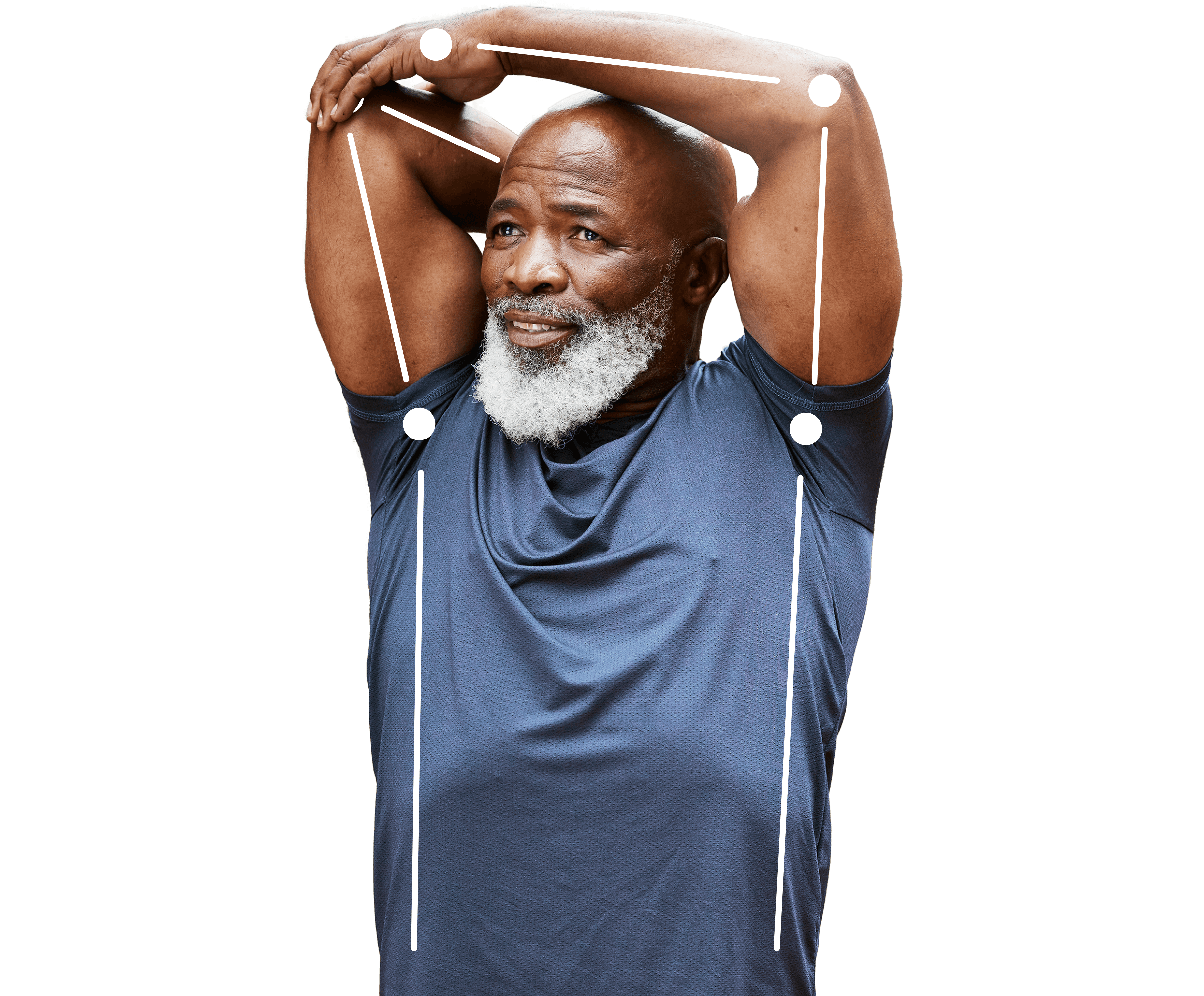
Staying consistent with activity can prevent back and joint pain
Studies comparing people who finish their exercise programs with those who stop show the same pattern: the people who improve are the ones who keep going.
- In traditional physiotherapy clinics, about 50% of patients stop after just four sessions.⁸
- This dropout rate is often not because the treatment doesn't work, but because life gets in the way.
- Clinic appointments are inconvenient.
- Progress feels slow.
- People are often unsure if they're doing the exercises right, and motivation drops.
Personalized support makes a huge difference in whether someone keeps moving. When support is based on behavior change principles, people stick with it. Real-time feedback keeps them on track. Having someone check in, adjust the plan, and confirm progress matters more than most people realize.
This is why generic exercise advice fails so often. Movement itself works. The problem is that moving alone, without guidance or feedback, is much harder to sustain.
Thrive's from-home care plans remove the barriers to progress
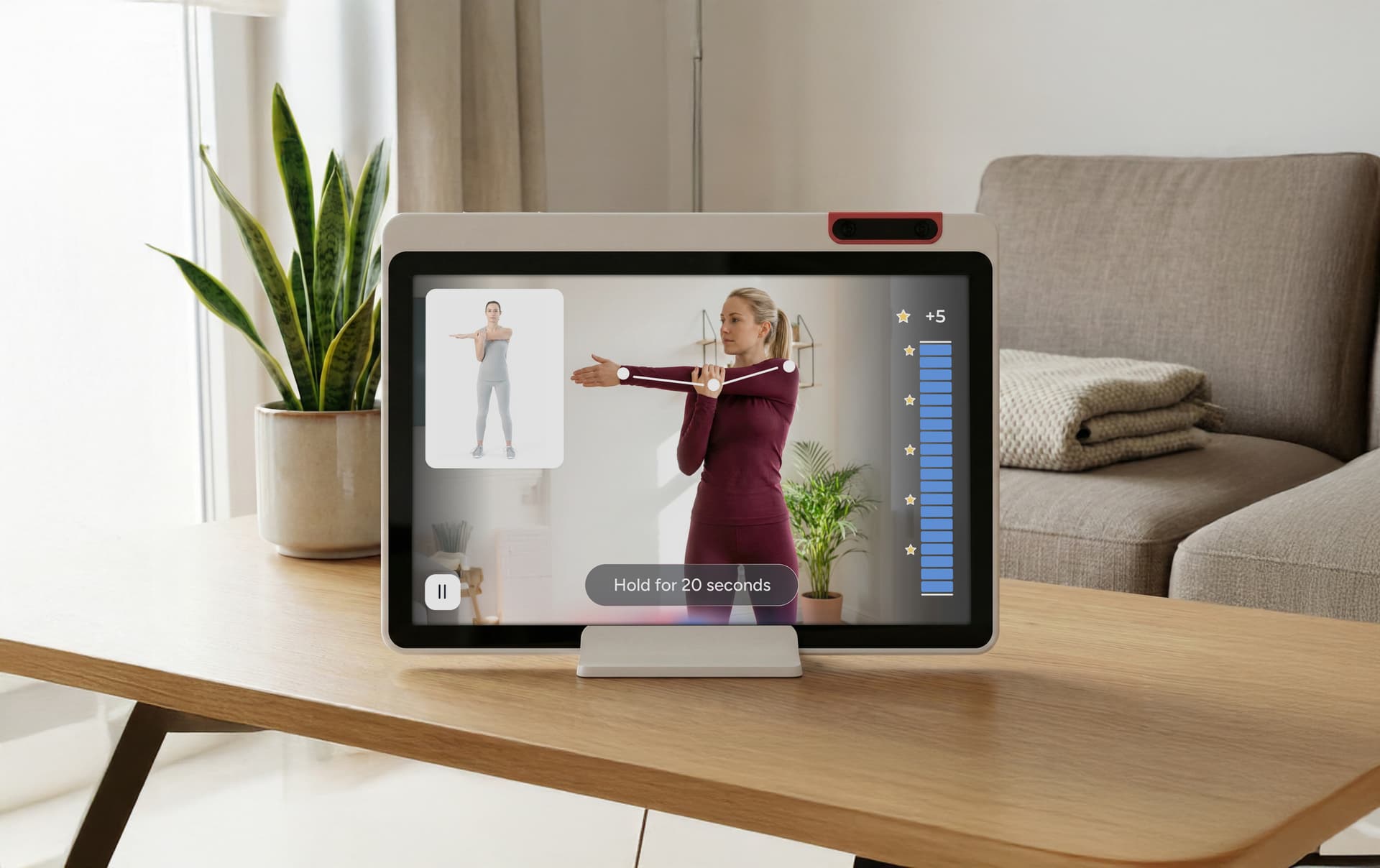
If you've tried managing pain through activity alone and it hasn't stuck, or if waiting weeks for a physiotherapy appointment feels like too much, there's a different option.
Thrive is expert-guided physiotherapy delivered from your home. You work with a registered physiotherapist who designs a plan specifically for your back or joint pain, then guides you through it. Not just with videos, but with real-time feedback and adjustments as you progress.
- Expert guidance from a registered physiotherapist. Your physiotherapy plan is created by a registered physiotherapist and adapted as you progress. It's not a generic routine. It's designed for your specific problem, your current ability, and where you want to get.
- Real-time feedback on your movements. As you move through each session, you get form correction and guidance. This matters more than most people realize. It's the difference between exercising and exercising correctly. Proper form prevents re-injury and makes every exercise count.
- Access whenever you need it, 24 hours a day. You access Thrive 24/7 from home. No waiting weeks for an appointment. No travel time. No scheduling conflicts. If you have a question at 10 p.m. or need to adjust your routine because of a flare-up, support is available.
- Clinically proven to work. Peer-reviewed research shows Thrive is as effective as high-intensity in-person physiotherapy.⁹ For many people, it's more effective because the accessibility means they actually complete their programs.
The difference is measurable. Members report that Thrive makes recovery easier because the guidance and real-time support address the exact problem that stops people in traditional settings. The struggle to keep exercising without feedback.
Many people complete Thrive and stay active. Eight out of ten members who start Thrive see it through.¹⁰ More than 69% report feeling better or much better after their program.¹¹
Get started with Sword
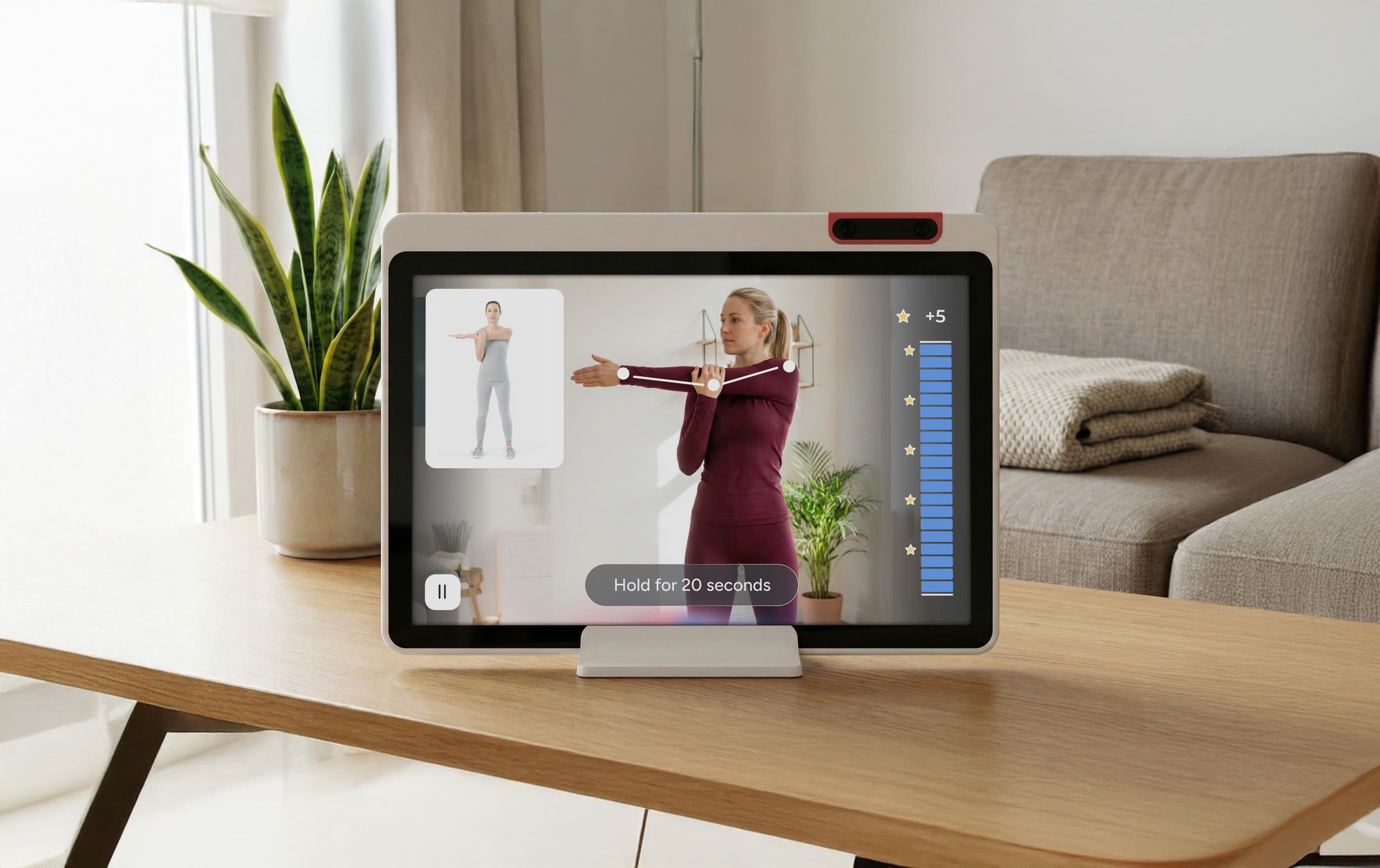
Prevent your pain with a personalized from-home care plan
Most people find that when their exercise is guided by a physiotherapist and they're getting real-time feedback, two things shift at once. The physical and the psychological.
Physically, pain reduction often starts early. Sometimes within the first few sessions. This is partly the work of movement itself, and partly having someone confirm that you're moving safely. Your nervous system quiets the protective response it has built. Daily activities that felt limited become possible again. Sleep often improves because your body isn't as tense.
Psychologically, the shift is that you stop seeing your pain as a problem you have to handle alone. You're working with someone. You're making progress you can see. You trust that what you're doing is right.
Progress doesn't happen all at once, but it often starts with one concrete win:
- A morning without pain
- A walk you thought was off-limits
- A night of uninterrupted sleep
If staying active could actually reduce your pain and help you get back to the things you miss, but you've struggled with consistency or with knowing if you're doing things right, this might be what changes.
For many Canadians, Thrive physiotherapy is available at no out-of-pocket cost. If you are not sure whether Thrive is included in your health insurance plan, the eligibility check is the fastest way to find out. Check if you're eligible through your employer benefits plan (it takes less than two minutes).
Start physiotherapy from home
Sources
- 1
Sladek, R. M., et al. Physical Activity Guidelines Advisory Committee Scientific Report. Office of Disease Prevention and Health Promotion (2018).
- 2
MacEachern, A., & Tanaka, P. (2020). Exercise as treatment for musculoskeletal pain. Journal of Athletic Training, 55(9), 889–896.
- 3
Dishman, R. K., & Buckworth, J. (1996). Increasing physical activity: A quantitative synthesis. Sports Medicine Review, 6(1), 1–25.
- 4
Sword Health. (2023). Sleep disturbance in musculoskeletal conditions: Impact of a digital care program. Journal of Pain Research, 16, 307–319.
- 5
Statistics Canada. (2024). Canadian Community Health Survey — Musculoskeletal conditions prevalence data.
- 6
Sladek, R. M., et al. Physical Activity Guidelines Advisory Committee Scientific Report. Office of Disease Prevention and Health Promotion (2018).
- 7
Macedo, L. G., et al. Exercise for low back pain. Cochrane Database of Systematic Reviews (2016).
- 8
American Physical Therapy Association. Adherence to physical therapy interventions. APTQI Study on Physical Therapy Episodes of Care (2017).
- 9
Sword Health. (2023). Clinical effectiveness of digital physiotherapy. Journal of Pain Research, 16, 307–319.
- 10
Sword Health member base data, 2024. Completion rate: Members who start Thrive and see it through to program completion (average 12-week duration, n=112,000).
- 11
Sword Health member base data, October 2024. Outcomes measurement: 69% of Thrive members report feeling better or much better after completing their program (measured on PGIC scale). Total cohort: 112,000 members.