Start Sword’s personalized physiotherapy from home
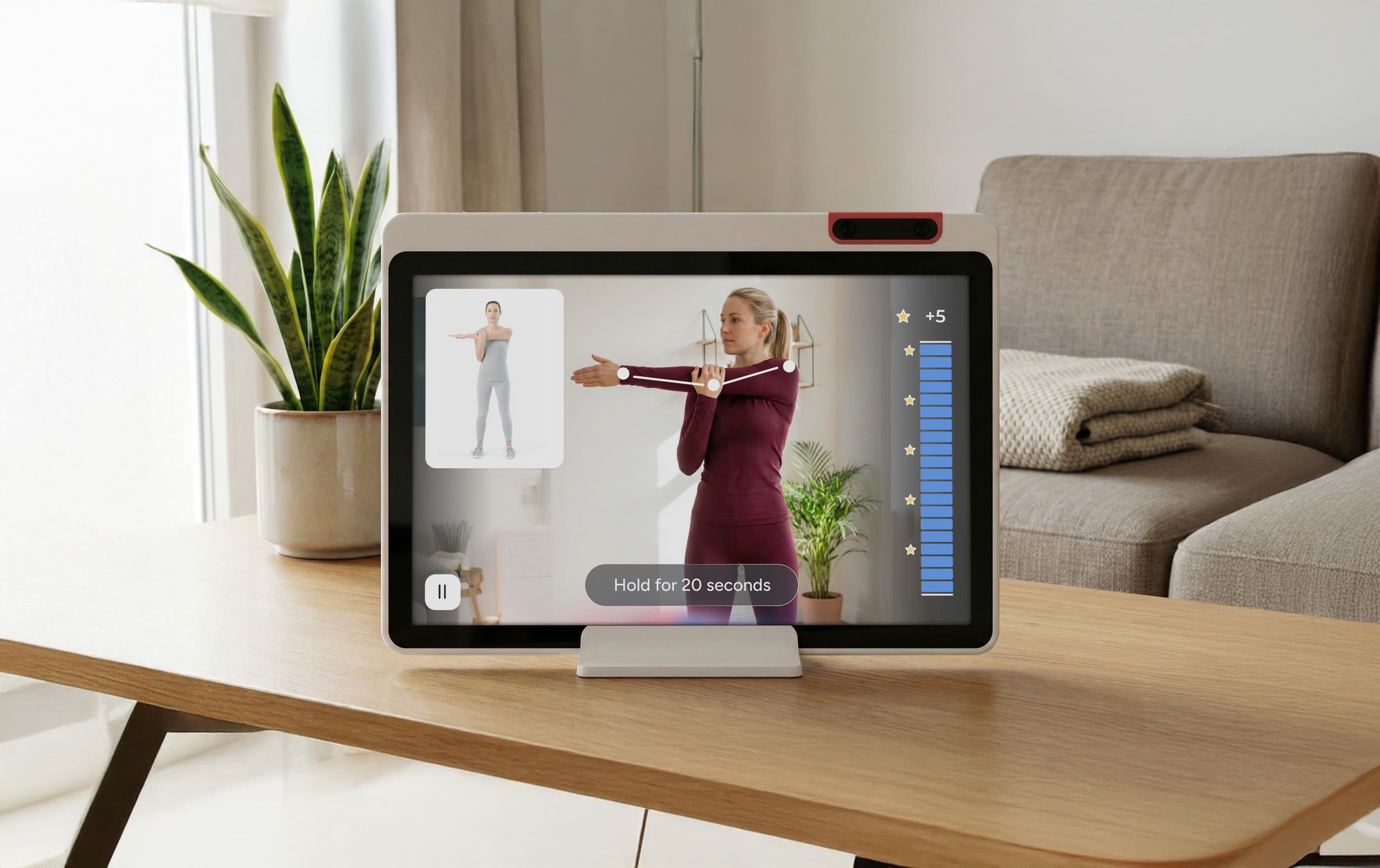
The Sword Summary Warm-up
Don't have time for the full workout? Here's the quick version.
- Nighttime hip pain is often positional. How you lie down can put steady pressure on structures that are already irritated.¹
- Side sleeping is a common trigger, but small changes like sleeping on the opposite side, using a pillow between your knees, or trying back sleeping may help.¹ ²
- Hip pain at night can come from several patterns, including lateral hip pain, arthritis, or movement issues that leave the joint more sensitive by bedtime.¹ ³
- If the pain keeps waking you, worsens, or starts limiting daytime movement, it is worth getting assessed.
Why hip pain often feels worse at night
Hip pain at night can feel confusing at first. You may walk around reasonably well during the day, then lie down and find the hip suddenly starts aching, pulling, or burning.
Part of that comes down to pressure. During the day, you shift weight constantly. You walk, stand, sit, lean, and change position without thinking about it. At night, especially if you stay on one side, the pressure settles in one place and stays there.
That is why nighttime can become such a clear trigger. The hip is no longer sharing load across the rest of the body in the same way. It is dealing with sustained compression, less movement, and fewer natural adjustments. What feels manageable when you are up and moving can feel much more obvious once the room goes quiet.¹
Why side sleeping can aggravate hip pain
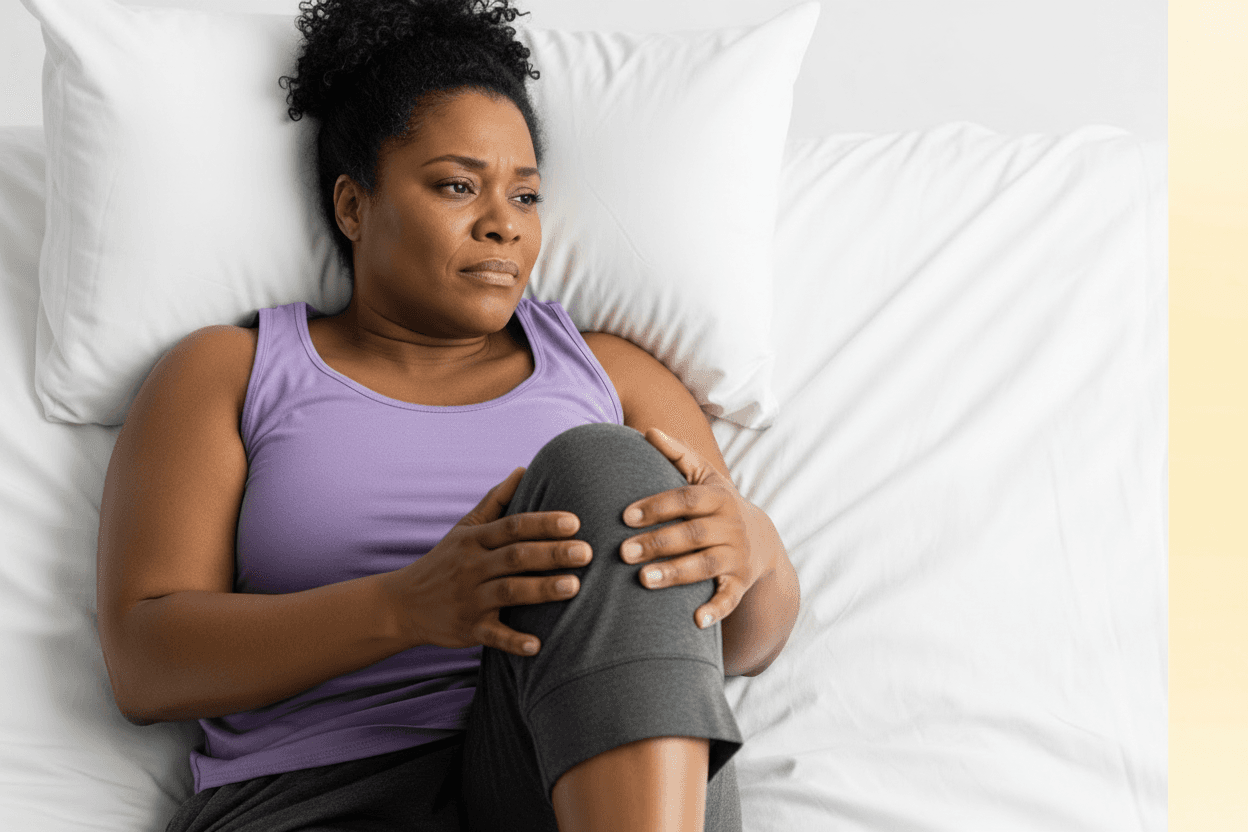
If pressure is the main irritant for your hip, then side sleeping often amplifies the issue, which can result in more pain.
When you lie on your side, the outer hip becomes a point of contact between your body and the mattress. If that area is already irritated, whether from tendon pain, (often called bursitis) or another hip issue, then hours of pressure can be enough to wake it up.
Gluteal tendinopathy, which is often grouped under the medical term greater trochanteric pain syndrome, is a common example of the type of lateral hip pain that can be aggravated by sleeping on your side.¹
Mattress softness can influence that too. A mattress that lets the hip sink deeply may concentrate pressure more than one that keeps the body a little more supported. This does not mean everyone with a soft mattress needs a new bed, but it's possible that softer mattresses can contribute to hip pain at night²
3 sleep positions that help reduce nighttime hip pain
How you position your hips while you sleep matters more than you might think. Your body naturally finds positions that reduce pain, but sometimes those positions create other problems. A twisted spine, poor hip alignment, or strained muscles can all result in more pressure or pain. The goal is to reduce the pressure and angles that seem to aggravate your hip and keep your overall alignment neutral.
- Back sleeping with support under your knees: Back sleeping often gives the hip the most room to rest because pressure is spread across a larger area. A pillow under your knees may help by making the position feel less tense through the hips and lower back.²
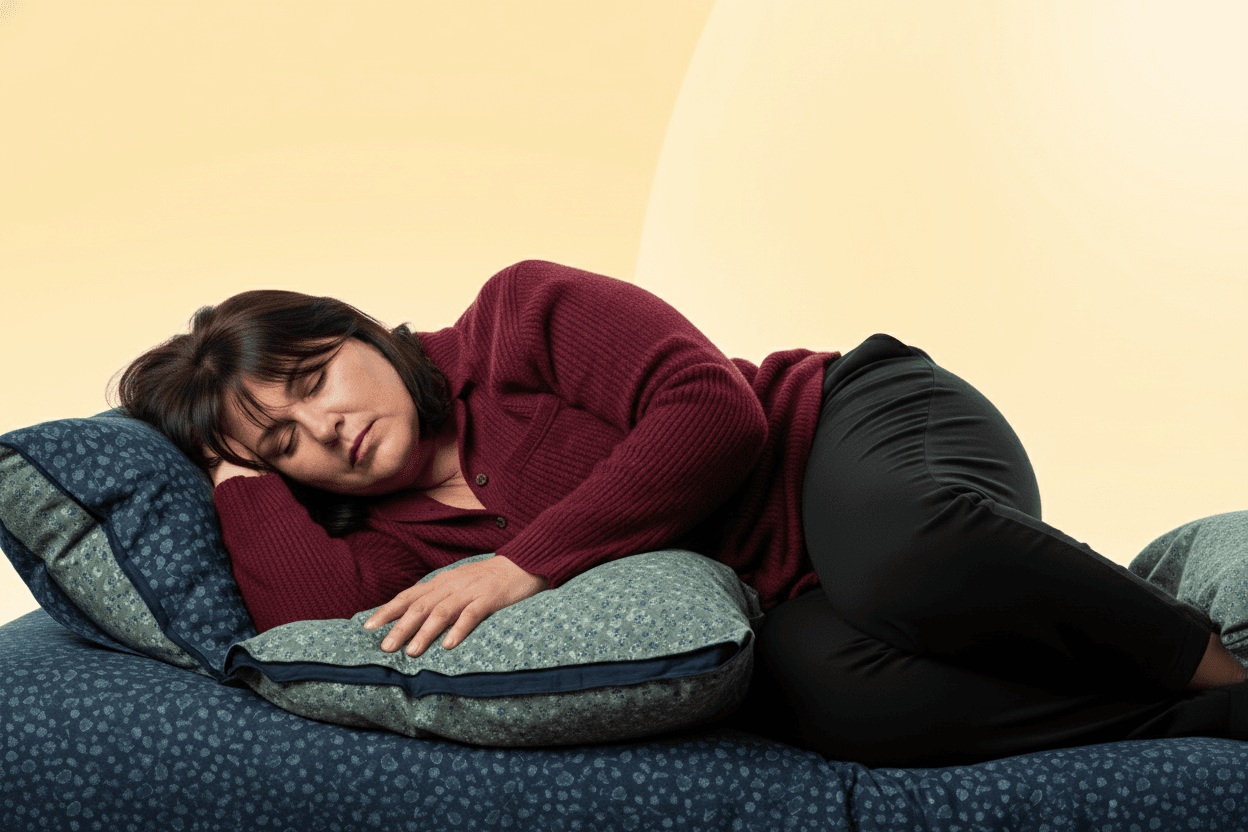
- Side sleeping with a pillow between your knees: If you prefer sleeping on your side, a firm pillow between your knees can help keep the hips more level and reduce the pull that happens when the top leg drops forward. This is one of the simplest changes to try first.²
- Avoid lying on the painful side: If one hip is clearly more painful, try giving it a break for now. Sleeping on the opposite side or on your back may reduce overnight irritation enough to make mornings easier.²
Common causes of hip pain at night
Nighttime hip pain is less of a specific diagnosis and more likely driven by a pattern that can show up for a collection of different reasons.
Some people feel pain more in the groin or deep in the joint. Others notice catching, instability, or pain with certain movements that deserves closer assessment.
- Pain on the outside of the hip is often linked to greater trochanteric pain syndrome, which commonly involves gluteal tendon irritation and can be aggravated by lying on that side.¹
- Hip osteoarthritis can also disturb sleep, especially when stiffness and soreness build after a full day of activity.³
- Movement patterns matter too. Weakness around the hips, poor pelvic control, or patterns that overload one side can leave the joint more irritable by bedtime. That is one reason positioning changes may help but not fully solve the problem.
When nighttime hip pain needs more attention
Positioning changes are a reasonable place to start. But if they help only a little, or the pain keeps coming back night after night, it is worth moving beyond self-management.
It is a good idea to seek professional assessment if the pain is worsening, if it started suddenly after a fall or injury, if it is waking you repeatedly, or if it is starting to affect daytime walking, stairs, or basic activities.² ³
Pain that keeps spreading, increasing, or limiting function is telling you something useful. It does not automatically mean something serious is wrong, but it does mean the issue probably needs more than a pillow adjustment.
Physiotherapy can help to reduce and prevent your hip pain
When hip pain at night keeps coming back, the issue is often bigger than sleep position alone. The hip may be stiff in some ranges, weak in others, or relying on movement patterns that keep it irritated by the end of the day.
That is where physiotherapy can help. A professional clinician can assess what seems to be driving the pain, which movements can prompt a flare-up, and what kind of strength or mobility work might actually help rather than add to your pain.
For many people, that is the turning point. Instead of endlessly suffering through the discomfort, you get a clear understanding of the root cause of the issue, and a plan to recover for good.
Sword's personalised physiotherapy plans allow you to recover from home
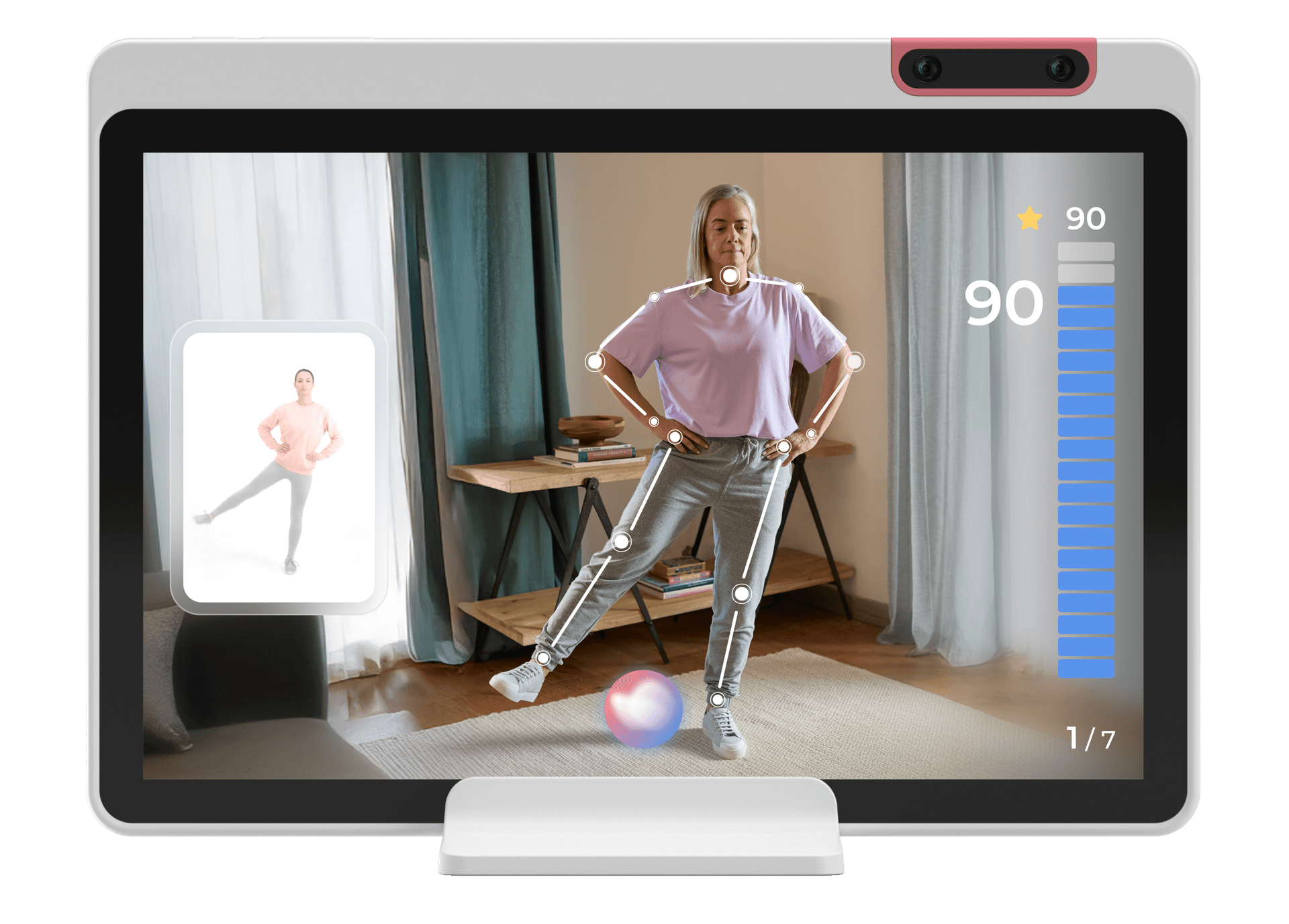
If nighttime hip pain is stopping you from getting a solid night's sleep, you need support. And physiotherapy in a clinic 12 hours later is helpful, but you won't be able to schedule an appointment at 1:53 am when you wake up with pain.
That is where Sword's physiotherapy plans are so helpful, giving members 24/7 access to a personalized care plan from the comfort of home. Sword is accessible with continuous guidance through the Sword app at any time or place, and it's clinically proven to be effective in reducing pain for joint, and muscle pain.² ³
How Sword helps to end nighttime joint pain
- Fast relief when you need it most: Begin care quickly, so pain does not keep compounding.
- Targeted recovery for flare-ups: Whether it is arthritis, hip stiffness, or back pain that spikes at night, Sword delivers therapy to calm joints and improve comfort.
- Prevention of chronic sleep disruption: Early treatment reduces the risk of persistent "painsomnia" that disrupts health and quality of life.
- Confidence to move and rest again: With continuous guidance and oversight from a degree-qualified physiotherapist, you can safely strengthen and restore joint function, making it easier to fall asleep and stay asleep.
There is good evidence behind this approach. A study in people with chronic pain found that remote care helped people improve in function and symptoms at about the same rate, with no meaningful difference between the two groups.²
What getting better with Sword actually looks like
Get back control of your hip pain at night
Nighttime hip pain affects more than sleep. It changes how you turn in bed, how you move through the day, and how much you trust the joint. Over time, that can make life feel smaller than it needs to. Nighttime pain may feel inevitable, but it does not have to control your sleep.
The right support can start reversing that. Sometimes the first shift is simple: you find a position that lets you sleep longer. Then the hip becomes less reactive. Then movement feels less guarded. Progress rarely arrives all at once, but it often starts with fewer painful nights and a day that feels more manageable. Sword ensures you get the right care at the right time, so pain does not turn into a chronic cycle.
With Sword, you are not just hoping for a good night's sleep. You are actively taking steps to make it possible.
Start physiotherapy from home

Sources
- 1
Grimaldi A, Fearon A. Gluteal tendinopathy: integrating pathomechanics and clinical features in its management. Journal of Orthopaedic & Sports Physiotherapy. 2015;45(11):910-922. This paper describes lateral hip pain and greater trochanteric pain syndrome, including the role of compression in side-lying.
- 2
University Hospitals Coventry and Warwickshire NHS Trust. Hip pain self-care. Recommends practical positioning changes such as back sleeping support and a pillow between the knees for side sleeping.
- 3
National Institute for Health and Care Excellence Clinical Knowledge Summaries. Greater trochanteric pain syndrome and NHS guidance on adult hip pain. These sources support that hip osteoarthritis and lateral hip pain patterns can worsen with certain loads and positions.
- 4
Correia, F.D., et al. (2022). Digital versus conventional rehabilitation after total hip arthroplasty: A single-centre, parallel-group pilot study. JMIR Rehabilitation and Assistive Technologies, 9(2), e34489. https://doi.org/10.2196/34489
- 5
Sword Health internal member data, October 2024. 69% of members are free of limiting pain by the end of the program among those who start with moderate to severe pain.
- 6
Sword Health internal member data, October 2024. 81% completion rate with AI physiotherapy.
- 7
Government of Canada. How publicly funded health care coverage works. Provinces and territories administer their own public health insurance plans and determine covered services beyond core insured hospital and physician care.