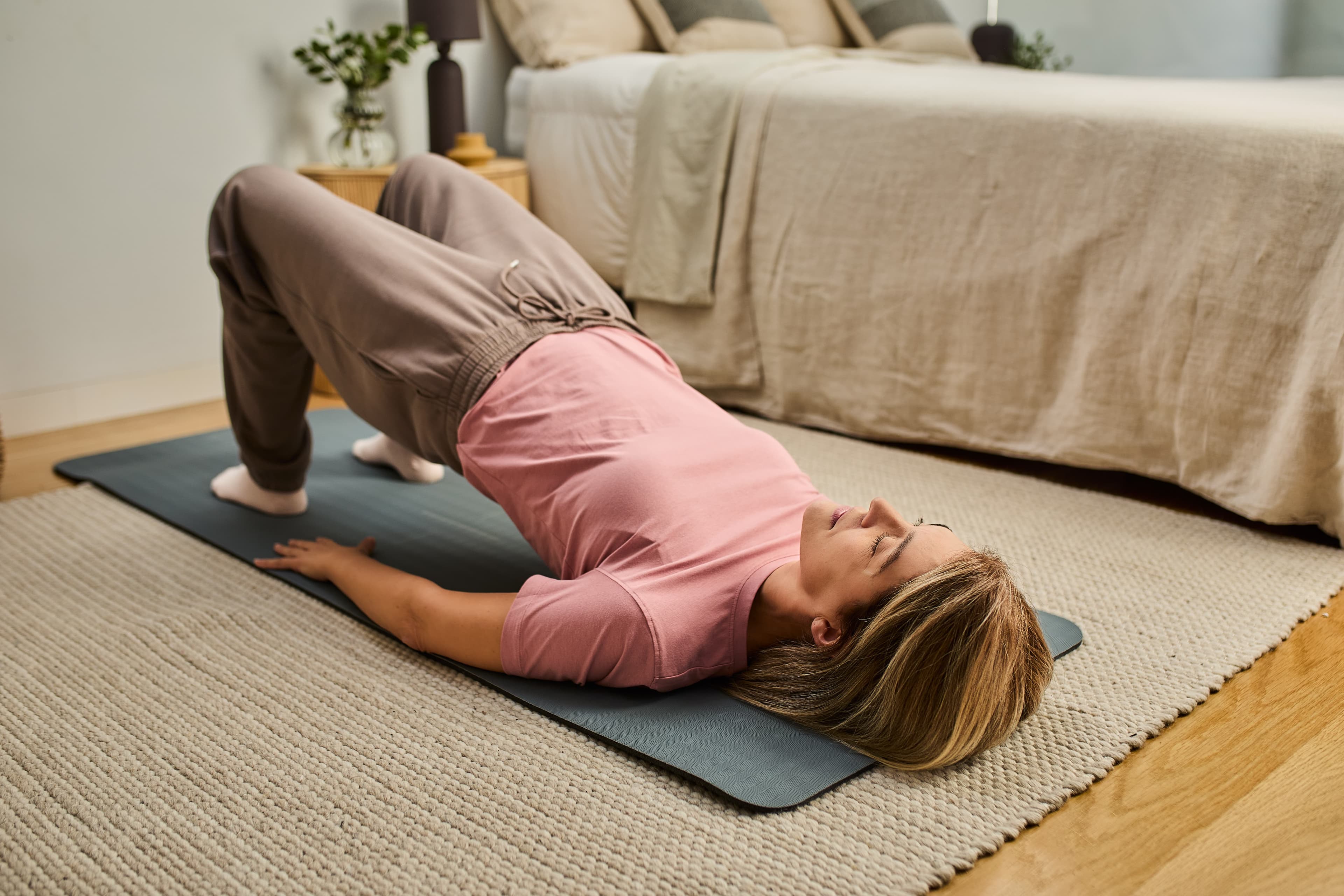
The Sword Summary Warm-up
Don't have time for the full workout? We've got you covered with a quick, high-intensity session. Here's the key takeaways:
- Low-impact activities reduce stress on joints while building strength, making them the most sustainable way to recover
- These gentler movements boost mood and mental health by regulating your nervous system, not just by pushing harder
- Most people stop moving because traditional physiotherapy requires appointments they can't keep, not because the exercises don't work
- Expert guidance adjusted as you progress is what transforms low-impact exercise from something you do alone into something that actually sticks
Why movement can sometimes feel impossible
When you think of recovery, you might picture pain. Sharp or nagging or constant. Or maybe you picture trying: trying to exercise when it hurts, trying to get to appointments across the city, trying to motivate yourself to do the exercises you were shown once, months ago, and half-remember.
What most people don't picture is the moment when they stop trying. When managing pain becomes simpler than treating it, and life shrinks around what feels safe.
Low-impact activities are exercises that reduce stress on your joints and muscles. They're designed for people managing chronic pain, recovering from injury, or building strength without aggravating the body. What makes them transformative is not their gentleness. It's that they're actually sustainable. No sprinting. No pressure on joints. Just movement that fits into your actual life.
The catch: knowing these exercises are good for you doesn't make them easy to start. That's where the real barrier lives.
What are low-impact exercises?
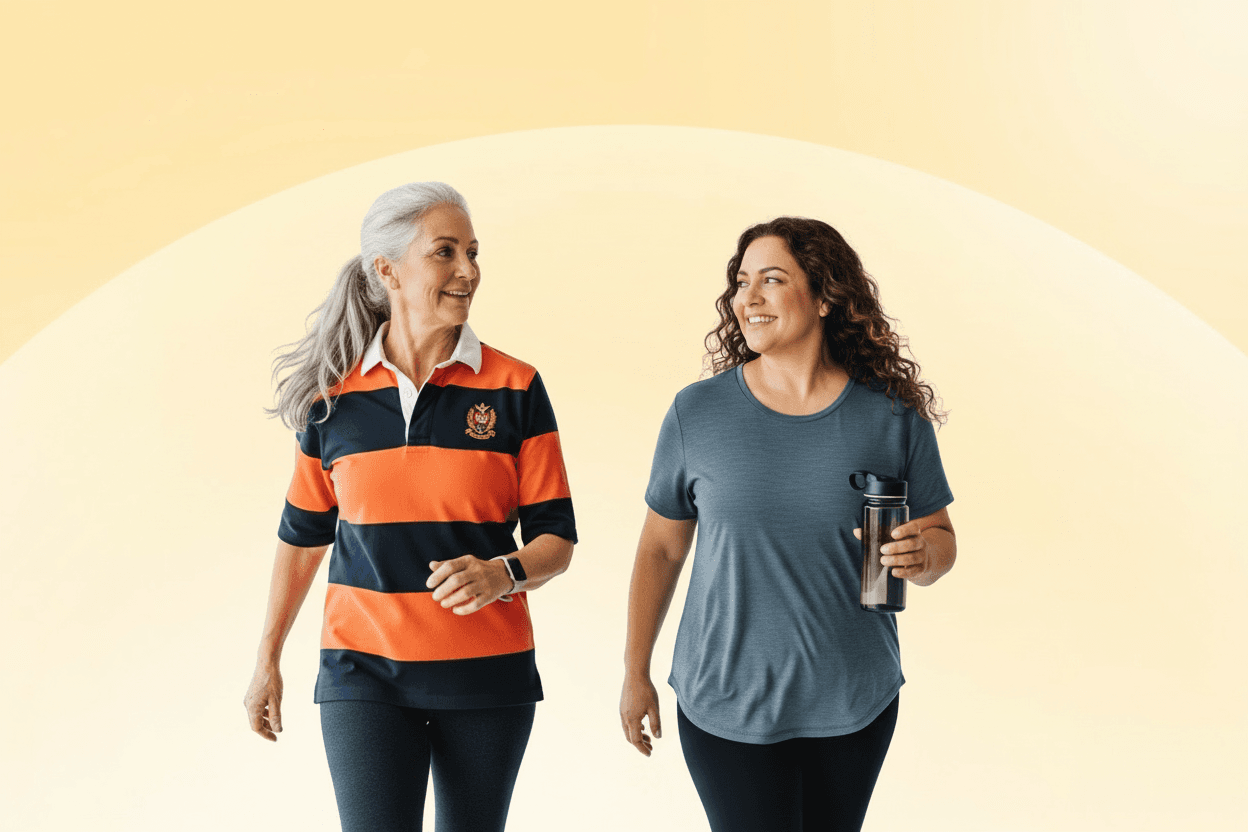
Low-impact activities are movements where at least one foot remains in contact with the ground, or where movements minimise pounding or jarring on your bones and joints. They elevate your heart rate gradually and keep pressure manageable across your body, which means you can move today and move again tomorrow without paying for it.
This is different from what most people assume about recovery. They think it means less work. It means different work, building strength in ways that respect what your body can currently handle while asking it to do slightly more.
Common low-impact activities that can often be managed without pain
These are especially valuable for people with joint pain, arthritis, or musculoskeletal conditions. They are also the foundation of sustainable recovery for most people, regardless of starting point:
- Walking (especially with varied pace or incline)
- Swimming or water-based movement
- Yoga or structured stretching
- Tai chi or Qigong
- Cycling (indoor or outdoor)
- Resistance band training
- Seated exercises or modified workouts
- Elliptical machines
The benefit of low-impact movement is that you can steadily build and maintain muscle strength without aggravating the areas already under stress. You can also keep moving regularly without injury risk derailing your progress.
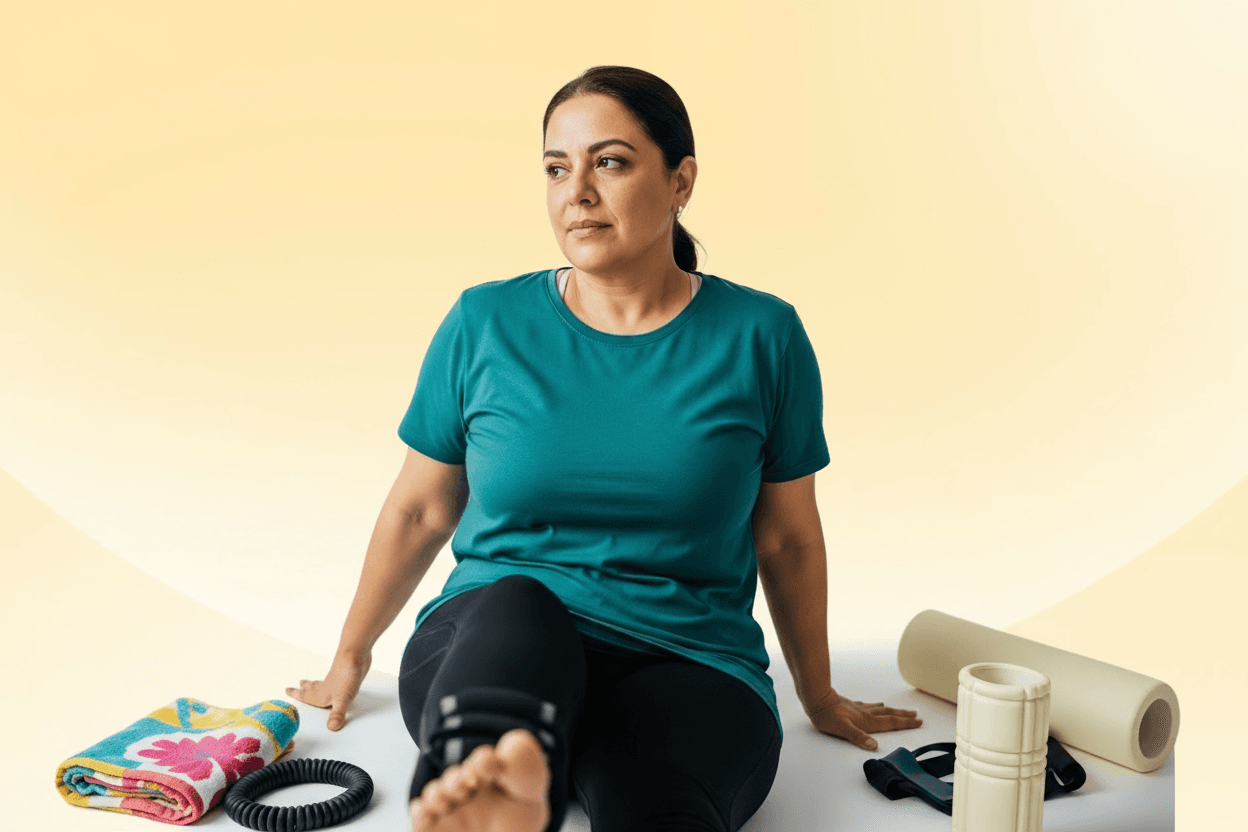
Low-impact movement can improve your mental health
Here's what surprises most people: the mental shift often comes before the physical one.
Low-impact exercises, especially when paired with focused breathing and body awareness, fundamentally regulate your nervous system. This isn't metaphorical. It's physiological.
- Deep breathing (common in yoga, tai chi, or structured movement) directly activates your parasympathetic nervous system, the one that tells your body it's safe to calm down.
- Movement boosts endorphins, serotonin, and dopamine. These are your brain's natural mood elevators. Even gentle movement does this.
- Reduced cortisol follows when you move slowly and deliberately. Cortisol is the stress hormone that stays elevated when you're anxious or overwhelmed. Gentle movement brings it down, which is why people report feeling calmer after a session. It isn't imagination. It's a shift in body chemistry.
- Mindfulness through movement (like mindful walking or tai chi) quiets racing thoughts in a way sitting meditation often doesn't. Your mind has something to focus on besides worry.
Over time, these changes stack up: better sleep, less fatigue, sharper focus, and a quality of life that actually feels like living rather than managing.
The physical transformation from low-impact movement
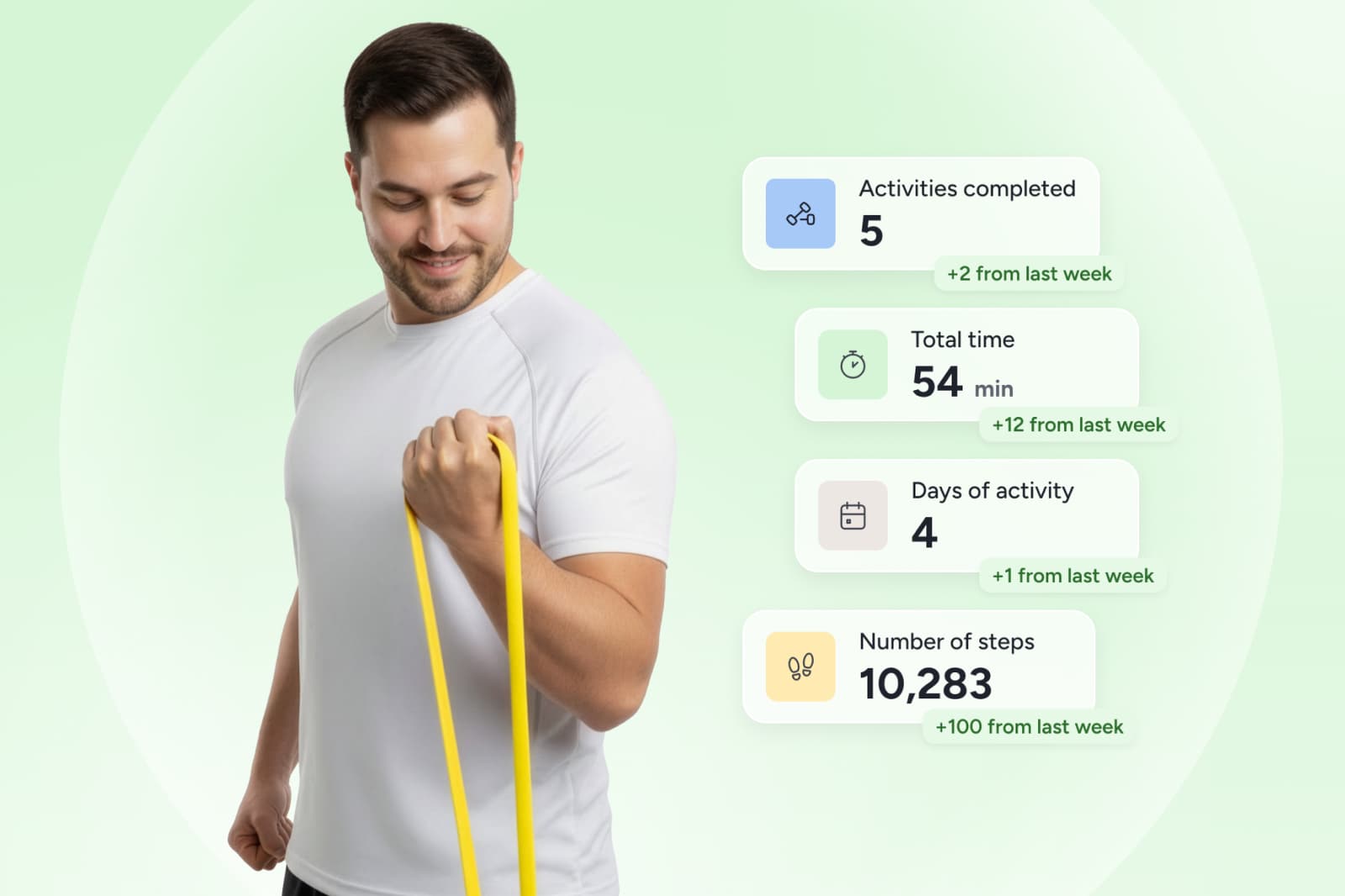
Low-impact doesn't mean low results. For most people, these gentler exercises are the most sustainable path to real strength and pain reduction. Evidence consistently supports that regular low-impact movement:
- Reduces pain by improving circulation, enhancing joint mobility, and keeping muscles engaged without aggravating them¹
- Builds strength and stability through exercises like yoga, resistance work, and structured movement, which help prevent future injuries and reduce fall risk²
- Improves cardiovascular health by gradually elevating heart rate in ways your body can sustain, supporting blood pressure and circulation³
- Reduces stiffness from sedentary behaviour, which is often what makes pain worse rather than movement itself⁴
The critical insight: most people aren't failing at recovery. They're failing at isolation. They know what to do. They just can't stay consistent without support.
The problem with trying to restart exercise alone
Knowing low-impact activities are good for you is not the same as actually doing them. Most people start with good intentions. They find exercises online or get a handout from a physiotherapist. For two weeks, maybe three, they follow through. Then life gets busy. Form matters and they're not sure if they're doing it right. Pain flares and they stop, unsure whether to push through or rest. Weeks go by. The habit breaks.
Then they try again, with less confidence that it will work this time.
Traditional physiotherapy requires appointments you have to schedule around, drive to, and sit in waiting rooms for before seeing a clinician for 30 minutes. If that works for your life, that's great. But for most people, the friction is real: childcare to arrange, time away from work, appointments that get pushed back because the clinic is fully booked. The recovery that feels urgent at the start fades when the logistics become too hard.
What changes when you have guidance that's actually available when you need it? When you don't have to wait weeks for an appointment, when form feedback arrives in real time, when your exercises adapt as you progress? That's when low-impact movement stops being something you should do and becomes something you actually do.
Thrive offers expert-guided care plans from the comfort of home
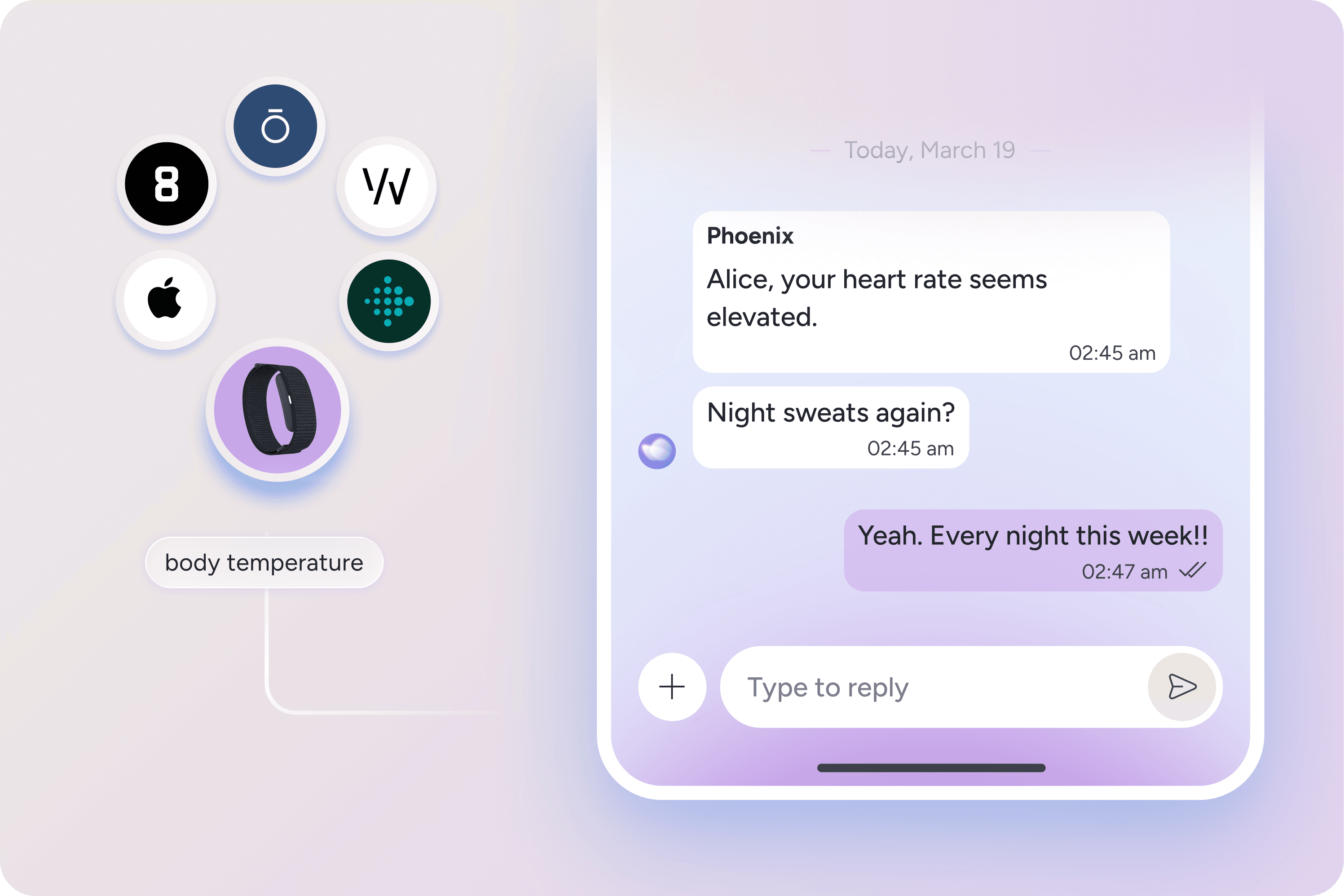
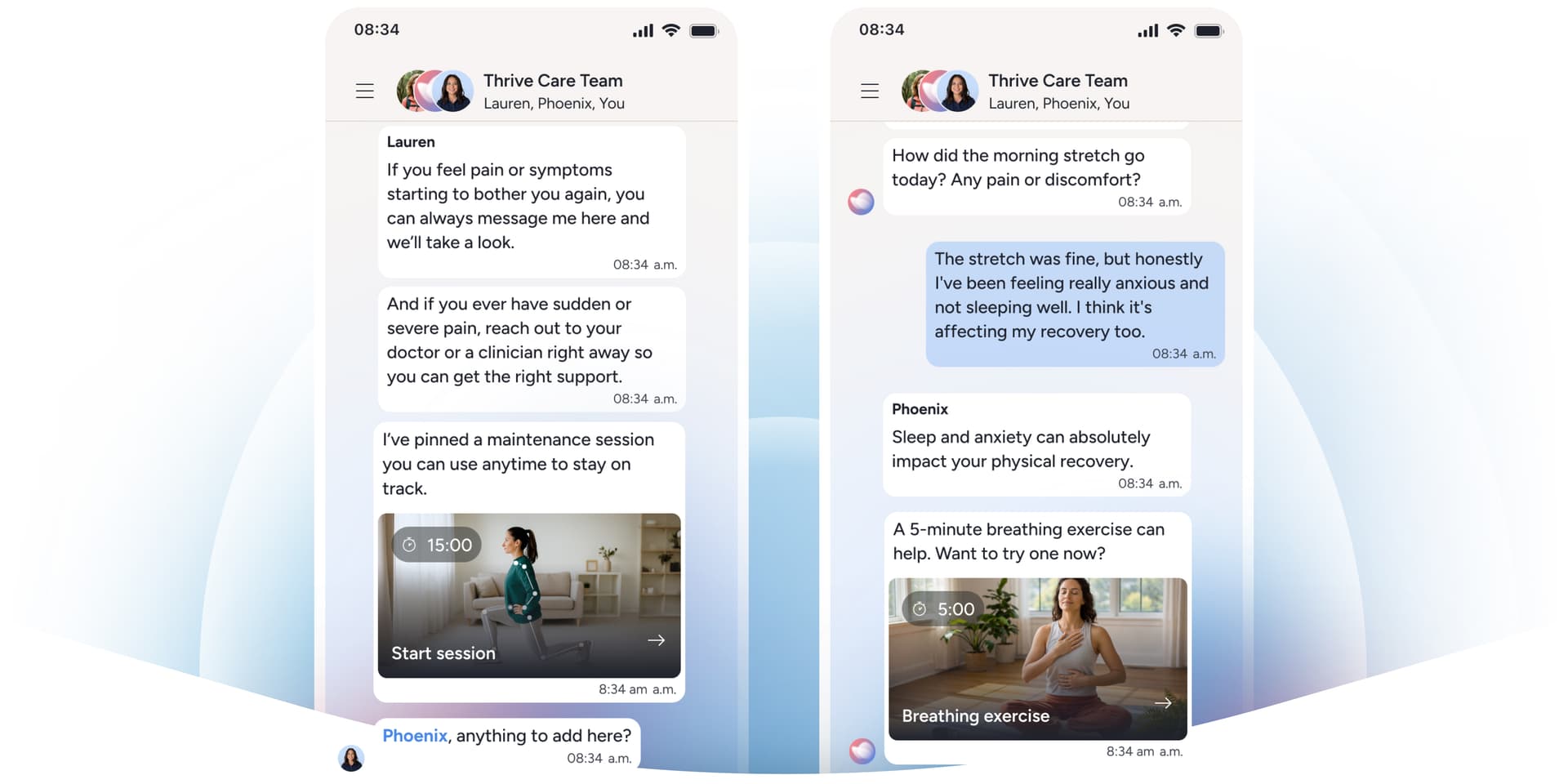
Sword Thrive gives members 24/7 access to a personalized physiotherapy care plan delivered from home, making recovery and exercise habits easier to sustain than with traditional PT.
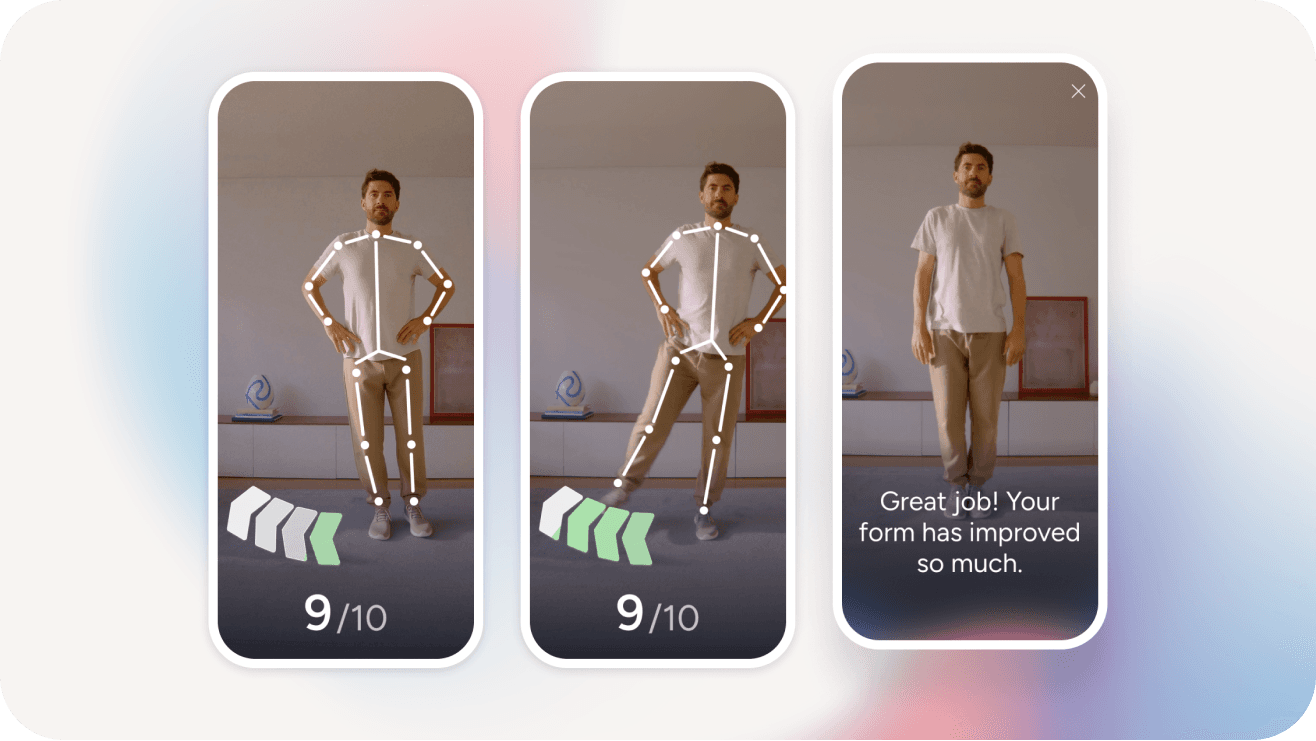
Members follow a personalized recovery plan designed by a registered physiotherapist, with real-time guidance and feedback as they move. Thrive makes recovery work because it removes the barriers that cause most people to stop.
The difference is not subtle. When your physiotherapist can see how you're actually moving and adjust in the moment, or when you have continuous access to guidance instead of being on your own between appointments, people complete their programmes at significantly higher rates.⁵ Recovery time accelerates. Pain reduction arrives faster.⁵
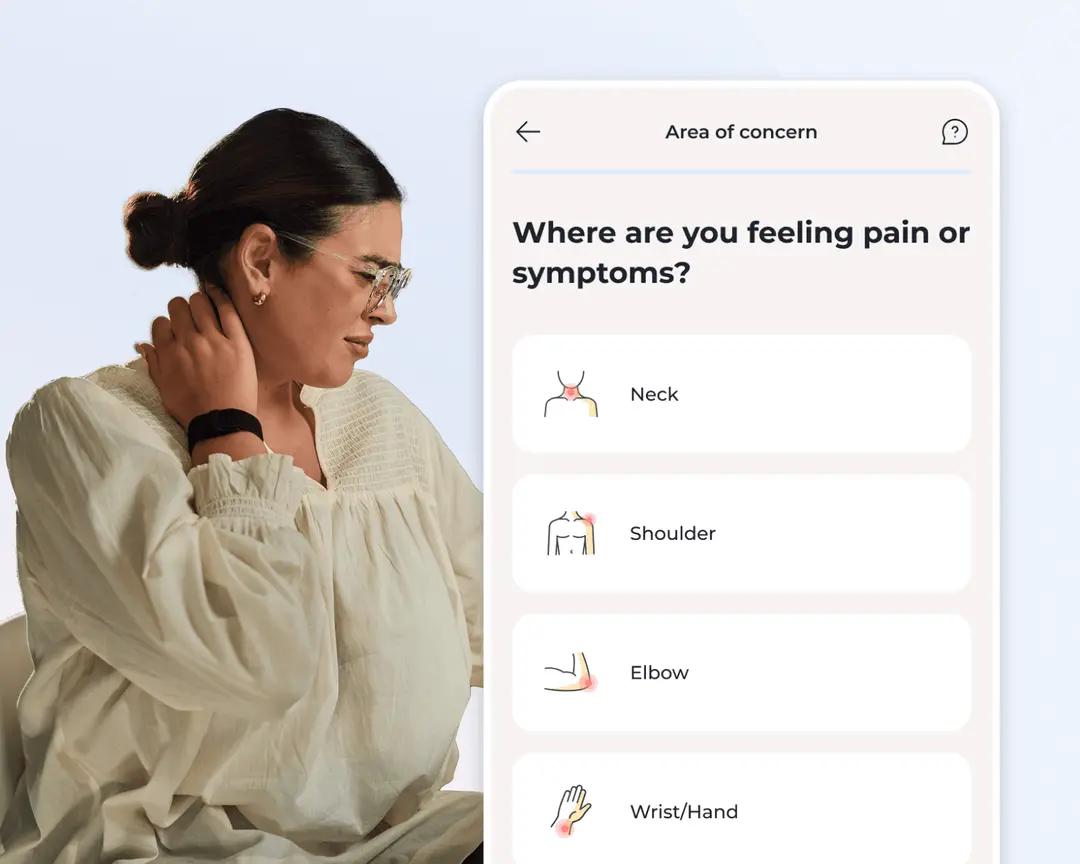
Get started with Sword Thrive in 4 easy steps
What changes when recovery is guided and supported
Many people find that the first shift is psychological: realising they're not failing at recovery. They were failing at isolation. The physical shifts follow. Initial pain reduction often arrives within the first few weeks as your body starts moving in ways that reduce inflammation and stress on painful areas.⁵ Progress rarely arrives all at once, but it often starts with a first tangible win, sleeping through the night without pain or moving without that sharp catch, and builds from there.
What doesn't happen is stopping. When your physiotherapist adapts your plan to your actual progress, when support is available when you need it, when the friction of traditional appointments disappears, people keep going.
Start with small steps for real, lasting change
Just because these activities are low-impact doesn't mean you jump to the hardest variation. If you've been told "just move more" without support, it's no wonder you've struggled. Low-impact movement doesn't have to be guesswork, and you don't have to do it alone.
Start where your body is right now. Work on flexibility and balance to build a foundation for safe progression. Over time, you'll feel improvements in mobility, strength, mood, and quality of life.
Whether you're managing chronic pain, easing back into fitness, or simply trying to feel stronger and move better, low-impact activities are how you get there. With Thrive physiotherapy, you can start safely, progress with expert guidance, and feel in control of your recovery.
Start your journey to pain relief today
You don’t have to keep waiting for care or rearranging your life to get help. With Thrive, you can start recovery from the comfort of your home. You can work on your personalized exercise plan on your time, and on your terms.
Check your eligibility for Thrive today to see if your employer benefits plan includes coverage already. You could be just a few clicks away from getting started at $0 cost.
Sources
- 1
Ambrosio F, et al. "The Role of Physical Exercise in Chronic Musculoskeletal Pain: Best Medicine, A Narrative Review." Healthcare (Basel). 2024;12(3). PMC10815384. https://pmc.ncbi.nlm.nih.gov/articles/PMC10815384/
- 2
Zhong Y, et al. "Mechanism-Driven Strategies for Reducing Fall Risk in the Elderly: A Multidisciplinary Review of Exercise Interventions." Healthcare (Basel). 2024;12(23):2394. doi:10.3390/healthcare12232394. https://pmc.ncbi.nlm.nih.gov/articles/PMC11641686/
- 3
Jabbarzadeh Ganjeh B, et al. "Effects of aerobic exercise on blood pressure in patients with hypertension: a systematic review and dose-response meta-analysis of randomized trials." Hypertension Research. 2024;47(2):385-398. doi:10.1038/s41440-023-01467-9. https://pubmed.ncbi.nlm.nih.gov/37872373/
- 4
Dzakpasu FQS, et al. "Musculoskeletal pain and sedentary behaviour in occupational and non-occupational settings: a systematic review with meta-analysis." International Journal of Behavioral Nutrition and Physical Activity. 2021;18(1):159. doi:10.1186/s12966-021-01191-y. https://ijbnpa.biomedcentral.com/articles/10.1186/s12966-021-01191-y
- 5
Correia FD, et al. "Digital versus conventional home-based rehabilitation following total knee arthroplasty: a proof-of-concept randomized controlled trial." npj Digital Medicine. 2023;6:121. doi:10.1038/s41746-023-00870-3. | Tenforde AS, et al. "Outcomes of a prescription digital therapeutic for early physical therapy in patients with low back pain." Journal of Medical Internet Research. 2023;25:e49236. doi:10.2196/49236.
- 6
Noetel M, et al. "Effect of exercise for depression: systematic review and network meta-analysis of randomised controlled trials." British Journal of Sports Medicine. 2023. doi:10.1136/bjsports-2022-106195. https://pubmed.ncbi.nlm.nih.gov/36796860/