
Start Sword’s personalized physiotherapy from home
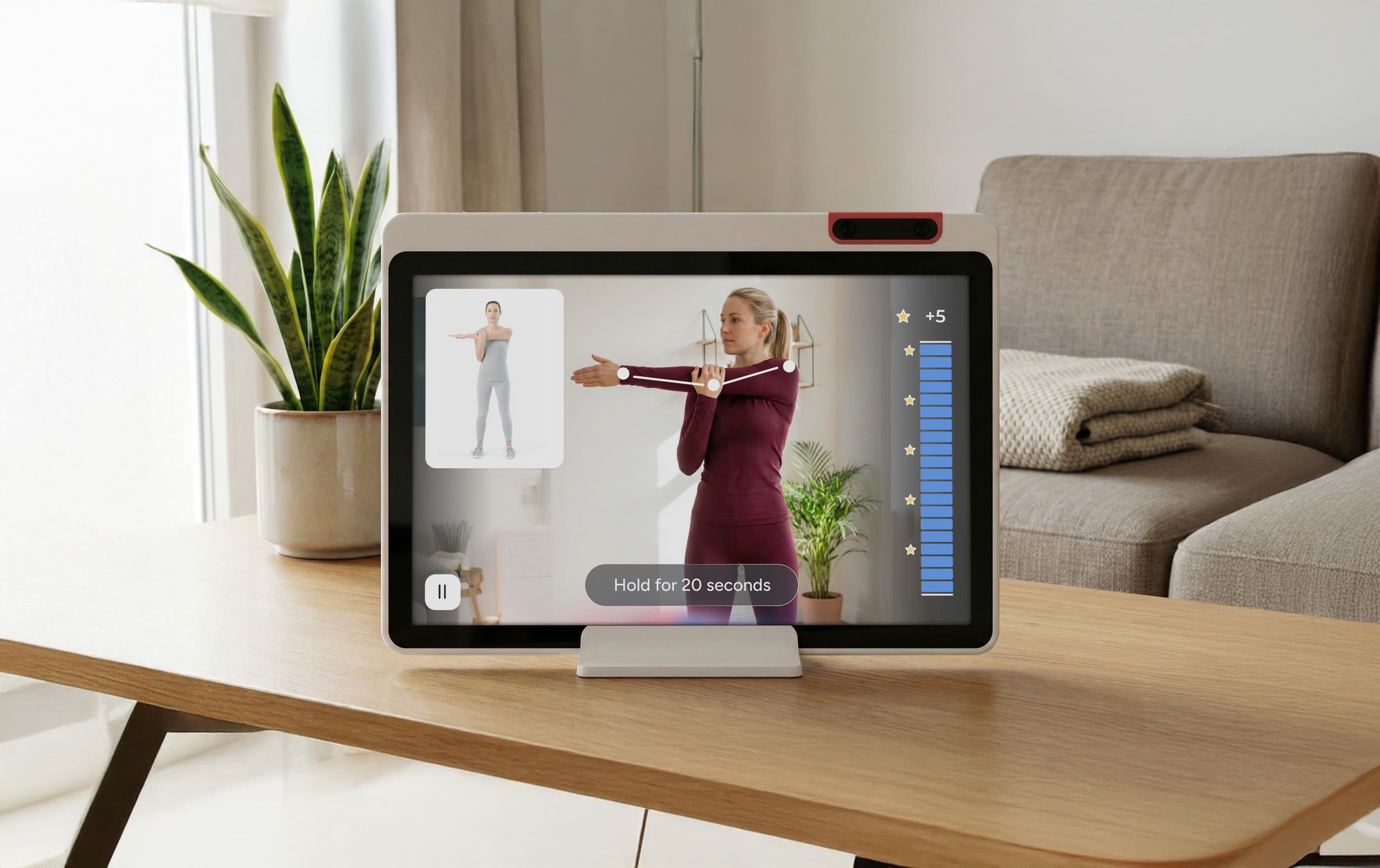
When recovering from an injury, managing pain, or adjusting to a new physical limitation, finding the right type of care is essential.
Two approaches that often come up in this process are occupational therapy (OT) and physiotherapy (PT). While you often hear the terms OT and PT and they may seem similar, both serve distinct purposes and can support different aspects of your health and recovery.
Understanding the difference between occupational therapy and physiotherapy can help you make a more informed, confident decision about your care. We'll break down how each therapy works, what goals they focus on, when each might be needed, and how to decide which one is right for you.
What is physiotherapy?

Physiotherapy (PT) is a form of treatment designed to help people improve movement, reduce pain, and restore function after an injury, illness, or surgery. PT plays a critical role in helping people regain strength and mobility, whether they're recovering from a sports injury, managing chronic conditions like arthritis, or coming back from a surgery like a joint replacement.
At its core, physiotherapy (also known as physical therapy in some nations) focuses on the body's physical mechanics. PT addresses things like muscle strength, joint mobility, coordination, and balance. Physiotherapists work closely with individuals to assess movement challenges and build a treatment plan that helps them move more easily and comfortably.
These treatment plans may include guided exercises, stretching routines, balance training, manual techniques, or the use of equipment designed to aid movement and recovery.
The goal of physiotherapy isn't just to treat pain: it's to address the root cause of physical discomfort and help people return to doing the things they enjoy.
Whether that means being able to climb stairs, return to a favourite sport, or simply move through daily life with less discomfort, PT is about restoring the body's ability to function well.
What is occupational therapy?
Occupational therapy (OT) is different from physiotherapy as it focuses less on general movement and more on helping people perform everyday activities. These
When illness, injury, or disability makes it hard to complete these tasks, occupational therapists step in to provide strategies, tools, and support to promote greater independence.
Occupational therapy is highly personalized. It begins with understanding which tasks are most meaningful to a person's life and what barriers are preventing them from doing those tasks comfortably or safely. From there, the therapist might introduce adaptive techniques, environmental changes, or new tools to make those activities more accessible.
Examples of occupational therapy in action
- someone recovering from a stroke might work with an occupational therapist to improve hand coordination so they can button a shirt again
- an adult living with arthritis might learn new ways to grip kitchen tools that reduce strain
- children with developmental delays might receive OT support to improve skills like writing or using utensils
- a manufacturing plant might engage an OT to conduct ergonomic assessments, job modifications, and to provide adaptive equipment to prevent injuries
In short, OT helps people live life more fully by finding ways to overcome the limitations that stand in their way. So what is the difference between OT and PT? We'll cover that in more detail next, but simply, occupational therapy helps people return to full function in daily life, versus physiotherapy which focuses on restoring movement.
What is the difference between occupational therapy and physiotherapy?
Although occupational therapy and physiotherapy are both forms of rehabilitative care and sometimes overlap in practice, their goals and areas of focus are different.
- Physiotherapy primarily addresses mobility and physical function. PTs help patients with things like walking, lifting, or restoring range of motion in a joint.
- Occupational therapy focuses on enabling people to engage in meaningful activities and routines that are important to their daily lives.
A good way to think about it is: physiotherapy helps you move your body better, while occupational therapy helps you use your body to do the things that matter to you.
Differences in methods between PTs and OTs
Physiotherapists often guide patients through exercise-based programs to improve strength, flexibility, and coordination.
Occupational therapists may provide training on specific tasks, recommend assistive devices, or even work with caregivers and families to create a supportive environment at home.
The settings in which each therapy takes place can be similar. Both are found in hospitals, outpatient clinics, rehab centres, and in-home care, but their approaches are tailored to different outcomes.
Additionally, physiotherapists and occupational therapists follow different educational paths and licensure requirements, each with their own areas of clinical expertise.
When you might need a PT vs an OT: what's the difference in care?
Whether you need physiotherapy, occupational therapy, or both depends on the challenges you're facing and the outcomes you hope to achieve.
If you've had a recent injury that affects how you walk, move, or carry out basic physical activities, physiotherapy may be the right place to start.
Physiotherapy is especially helpful for regaining strength and motion after surgeries like ACL repair or hip replacement, recovering from back pain or joint issues, or managing chronic conditions that affect movement.
Occupational therapy is often recommended when the issue isn't just about movement, but about how movement affects your ability to live your life. For instance, someone who is having trouble with fine motor skills, coordination, or memory may benefit more from OT. It's particularly useful for people recovering from neurological events like strokes or brain injuries, or for those living with chronic conditions that affect daily routines, like Parkinson's disease or multiple sclerosis.
| Category | Physiotherapy (PT) | Occupational Therapy (OT) |
|---|---|---|
Primary goal | Restore movement, reduce pain, and rebuild strength or mobility to recover from pain, injury, or surgery | Help people perform daily activities (or |
Focus area | The body's physical mechanics, including muscles, joints, and movement patterns | Functional activities like dressing, cooking, working, and other regular tasks |
Approach | Guided exercises, stretches, and movement retraining | Task-specific training, adaptive techniques, and environmental modifications |
When it's used | After injuries, surgeries, or chronic conditions that limit motion | When illness, injury, or disability affects everyday functioning or independence |
Settings | Clinics, hospitals, and increasingly through digital physiotherapy programmes like Sword Thrive | Clinics, hospitals, schools, home or workplace assessments |
Who provides care | Licensed Doctors of Physiotherapy (DPTs) | Licensed Occupational Therapists (OTRs) |
End result | Improved mobility, strength, and confidence in movement | Greater independence and ability to engage fully in daily life |
There are also many situations where both therapies are beneficial. A stroke survivor may work with a physiotherapist to improve walking and balance, while also working with an occupational therapist to regain the ability to cook, dress, or write. In many rehabilitation settings, PT and OT professionals collaborate to offer more holistic care.
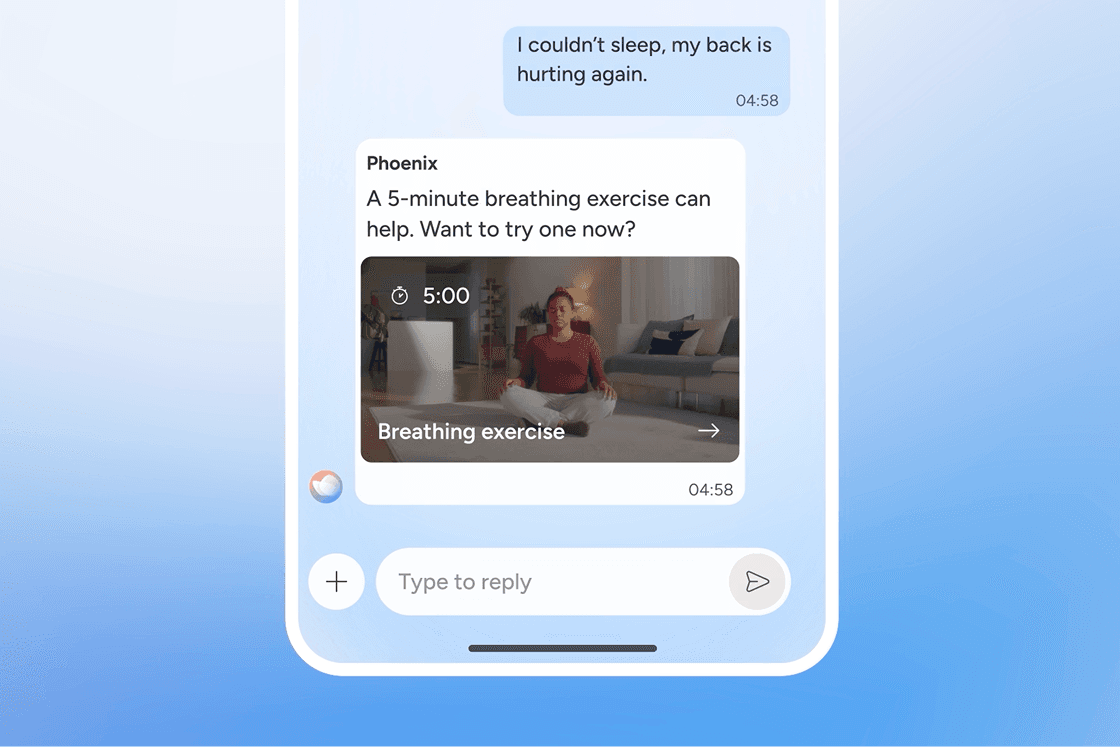
If you’re seeking support for pain or mobility, digital physical therapy programs like Sword allow you to recover on your schedule without the need to commute to a physical clinic. Sword members can access a personalized care program from the comfort of home with 24/7 access and support from a degree-qualified physical therapist.
What to expect from physiotherapy versus occupational therapy
The experience of working with a physiotherapist or occupational therapist can vary depending on your individual needs, but there are some common patterns.
- Physiotherapy sessions often involve an initial evaluation of your strength, mobility, and pain level. From there, your therapist will create a plan that might include exercise routines, manual techniques, or the use of movement sensors to track progress. As you build strength and function, the plan is adjusted to meet new goals.
- Occupational therapy session begin with a discussion about what activities you're struggling with and what's important to your daily life. The therapist might observe you performing certain tasks to identify challenges, then recommend new techniques, modifications, or supportive tools. Over time, the focus is on building independence and confidence in your ability to handle daily routines safely and effectively.
Both therapies usually involve regular sessions over a set period of time, with progress measured along the way. Your therapist may also give you activities to practise at home to reinforce what you're working on during sessions.
How to choose between PT and OT
Choosing between physiotherapy and occupational therapy doesn't have to be overwhelming. Start by thinking about what you're hoping to achieve. If your main concern is regaining movement, reducing pain, or getting back to physical activities, physiotherapy may be the right fit. If you're more focused on performing daily tasks like getting dressed, cooking, or working more independently, occupational therapy might be the better option.
Talk with your primary care provider, specialist, or another health care professional who understands your health history and current needs. They can guide you toward the type of therapy that best aligns with your recovery goals.
In many cases, you may find that a combination of both therapies is recommended for a comprehensive approach. Remember, the right choice is the one that helps you feel supported, confident, and empowered on your path to better health. Don't hesitate to ask questions, share your concerns, or advocate for a care plan that truly works for you.
Sword's from-home physical therapy is the modern 24/7 alternative
In recent years, physical therapy has expanded beyond traditional clinics and into digital spaces, offering people a new level of flexibility, personalization, and accessibility.
If you’re considering physical therapy but feel limited by time, travel, or availability, a virtual approach may be worth exploring. Digital physical therapy programs like Sword allows you to receive continuous support and guidance from licensed physical therapists—all from the comfort of your home.
How Sword digital physiotherapy allows you to recover from home
Sword is a from-home physiotherapy program designed to support you when pain gets in the way. If you’ve been waiting for a referral, stuck in a cycle of missed follow-ups, or told to just live with it, Sword offers a better way forward.
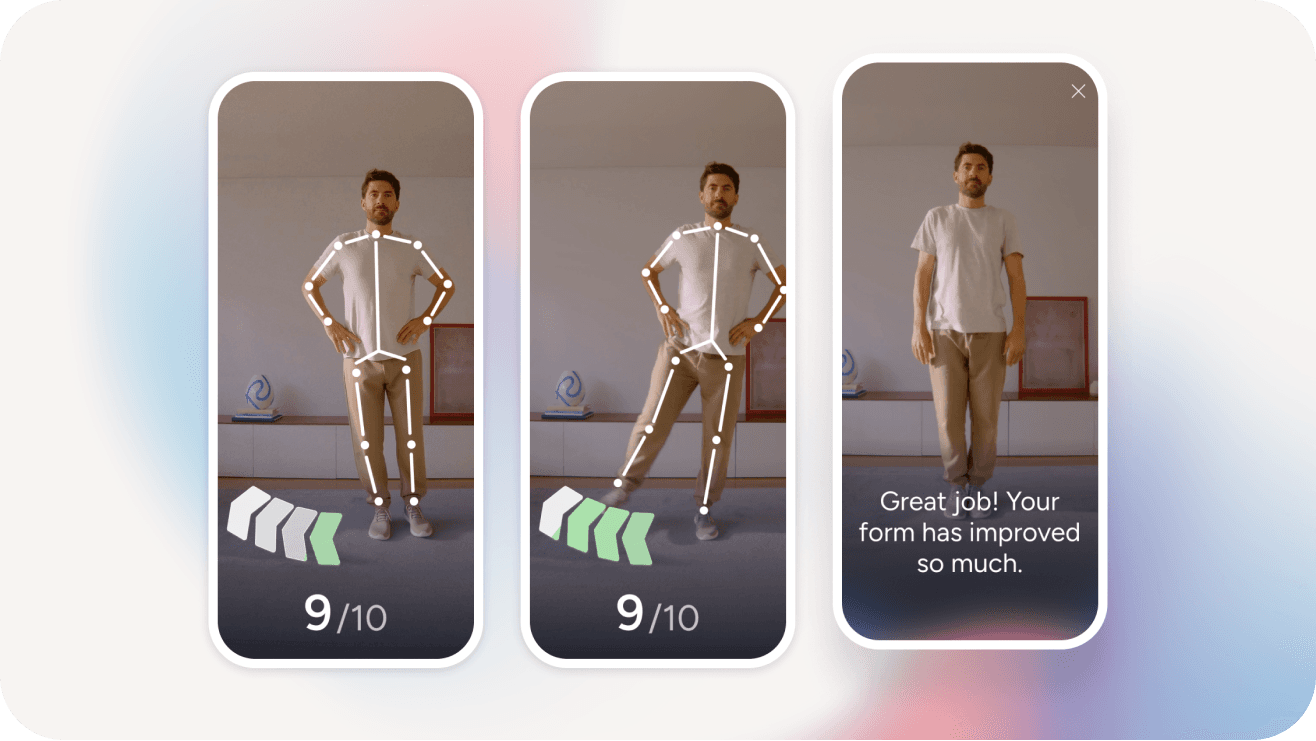
Created by clinicians and degree-qualified physiotherapists and powered by motion sensing cameras and AI technology, Sword is a clinically validated recovery program that you can access at any time and from any place. That means you can complete your program on your schedule without the need to book appointments or commute to a busy clinic.
What getting better with Sword actually looks like
For many, this model makes it easier to stay consistent with therapy, which is one of the most important factors in seeing results. Virtual therapy doesn’t replace hands-on care when it’s truly needed, but it does provide a high-quality option for many people with musculoskeletal concerns.
Whether you’re managing back pain, recovering from surgery, or trying to improve your mobility, digital physical therapy can help you with the constant support and clinical guidance on your schedule.
Making the right choice for your recovery
Understanding the difference between occupational therapy and physical therapy can bring clarity to a decision that may otherwise feel complicated. Each therapy has its strengths, and both are rooted in helping people live more fully. If your goal is to move with less pain, regain strength, or improve your physical function, physical therapy can guide you there.
If you’re looking to better navigate daily routines or adapt to new limitations with dignity and support, occupational therapy may offer the tools you need. And in some cases, combining both therapies creates the most complete path forward. Whatever you choose, know that taking the time to understand your options is a powerful step in your healing journey.
You deserve care that meets you where you are and moves with you toward where you want to be. Most Canadians with employer group benefits have physiotherapy coverage they have never touched. Not because they do not need it. Because the card sat in the wallet and the questions felt like too much to sort out before they had even started. If you are not sure whether your plan includes coverage for Sword, check your coverage now and you can get started on your recovery plan right away.
Start physiotherapy from home