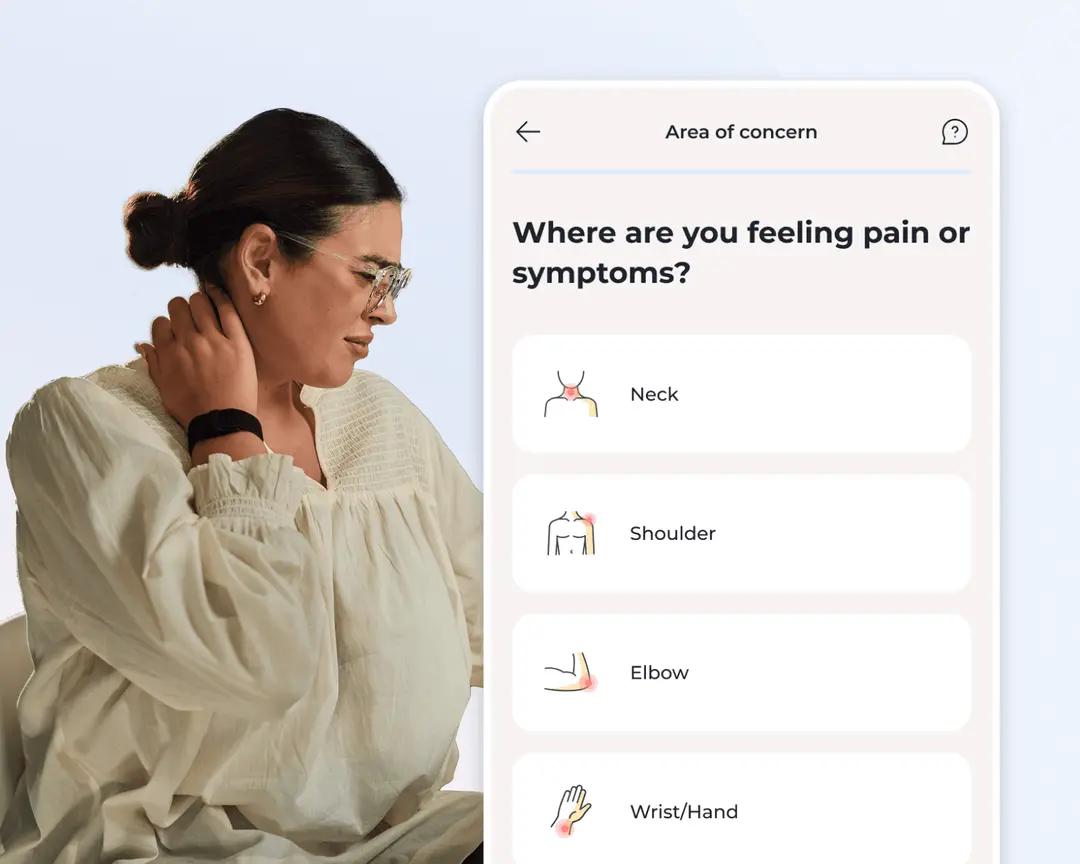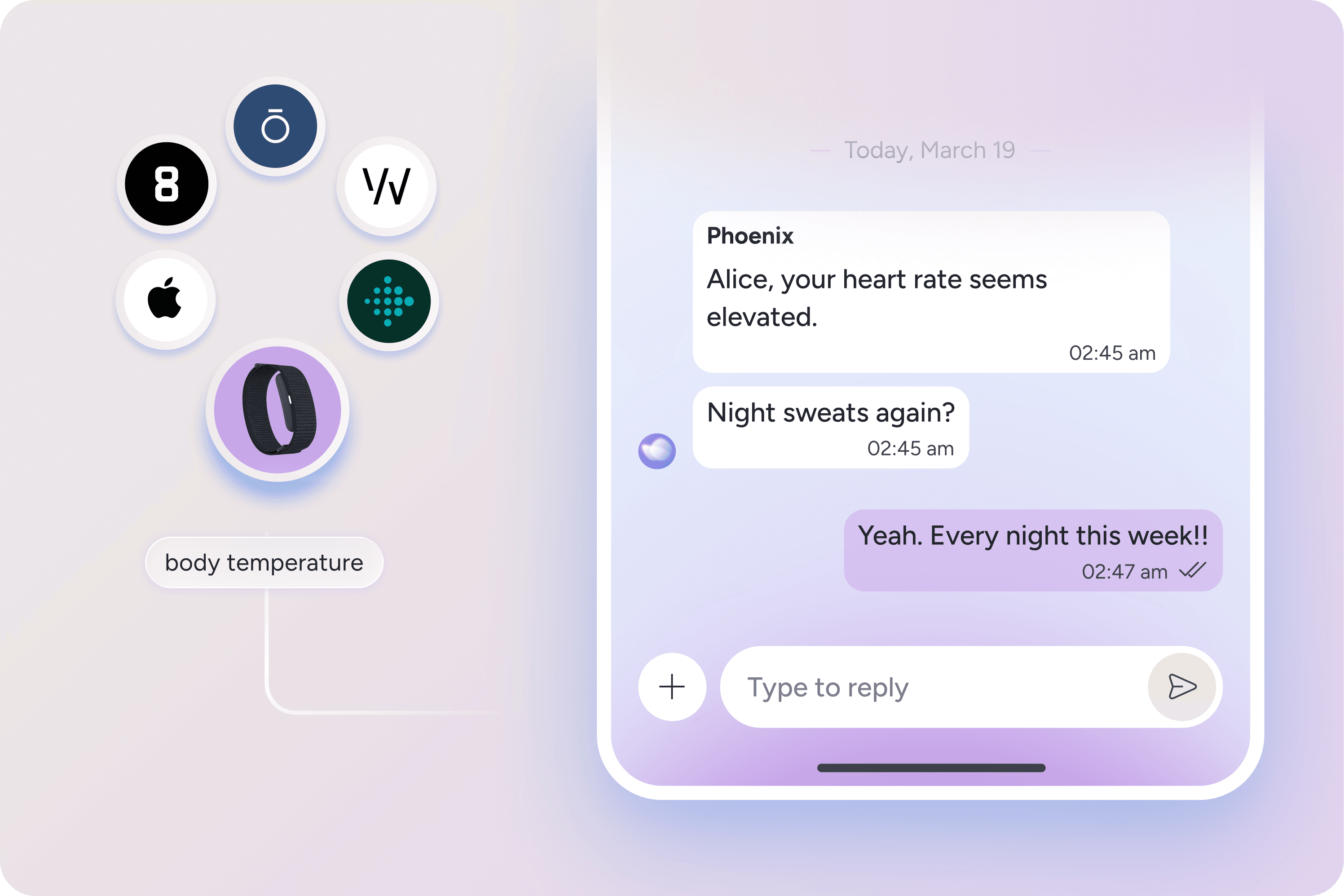

You're awake at 2 a.m. again. Your shoulder throbs, your lower back aches, and no matter how you position yourself, sleep won't come. You watch the hours tick by, knowing you have a full day ahead.
This is more than discomfort — it's a cycle. Pain disrupts sleep. Poor sleep makes pain worse. And caught between the two, you're exhausted, less productive, and struggling to do the things you normally enjoy.
The research shows this cycle can be interrupted.
The Sword Summary Warm-up
Don't have time for the full article? Here's what matters:
- Between 65–95% of people with musculoskeletal (MSK) pain also have trouble sleeping¹
- Pain and sleep are connected to each other. When one gets worse, so does the other²
- When you treat both pain and sleep problems together, more than 55% of people get back to normal sleep³
- Regular physical therapy in a clinic often doesn't work because of scheduling and travel challenges⁴
- Home-based physiotherapy removes these problems and helps people stick with treatment⁵
The pain-sleep cycle: how each one makes the other worse
Pain and sleep are connected. Pain keeps you from sleeping. Then poor sleep lowers how much pain you can handle, making your symptoms feel even worse the next day. You're stuck in a loop that gets harder to escape on your own.
This is especially serious for people with muscle and joint pain. Between 65–95% of people with MSK pain also have sleep problems.¹ When you have both at the same time, the impact is real: worse pain, more disability, and more anxiety and depression.²
The problem goes beyond just missing sleep. Poor sleep affects your work, your relationships, and your ability to enjoy things you normally like doing. Research shows poor sleep costs Canadian employers about $1,967 per person per year in lost productivity.³

Traditional physiotherapy doesn't always solve the problem
Most people try to fix the pain first. They see a doctor, get a diagnosis, and start physiotherapy. Usually this happens at a clinic with in-person visits. Here's the problem: regular in-clinic physiotherapy comes with two significant challenges
- Getting there and staying consistent: Clinic visits require you to travel, take time off work, and wait weeks between appointments. About 50% of people stop going to physical therapy after just four sessions. Not because it doesn't work, but because the system makes it too hard to continue.⁴
- You need to treat the whole problem: Regular physiotherapy focuses on movement and strength through exercise. But sleep problems involve both your body and your mind. If you only treat the physical side, the sleep problem doesn't fully go away. Your pain might improve while your sleep stays bad. Or you get better for a while, then poor sleep triggers the pain again.
What you really need is treatment that tackles both the physical and mental parts of the pain-sleep cycle. And it has to be something you can actually stick with.
The research: when physiotherapy addresses both pain and sleep
In 2023, Sword Health published a study in the Journal of Pain Research.⁵ The study tested whether a comprehensive home-based physiotherapy program could help people with muscle and joint pain who also have sleep problems. The study followed 5,749 people who reported serious sleep issues when they started treatment.⁶
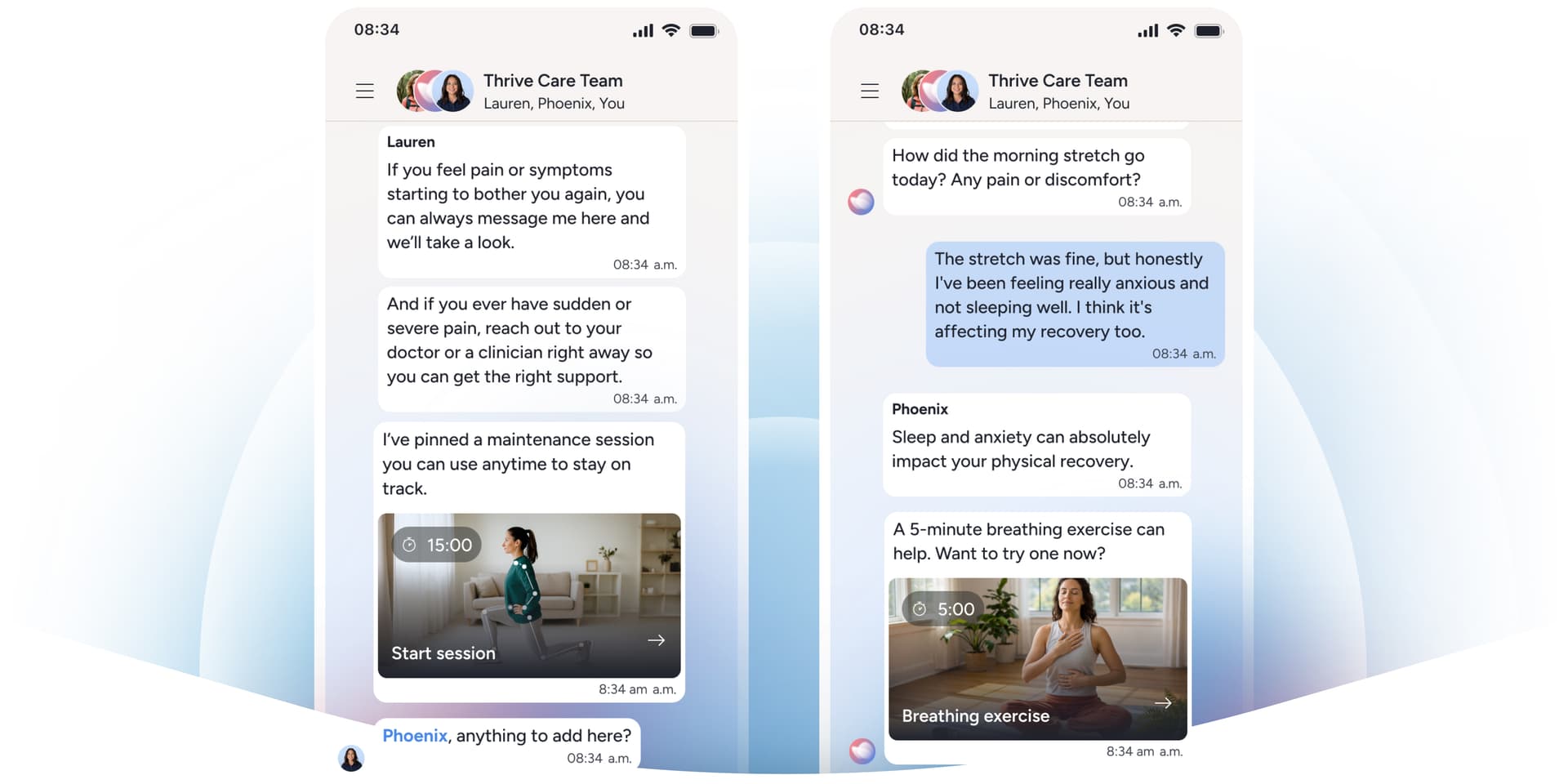
The program combined three approaches: exercise, education about pain and recovery, and cognitive behavioral techniques (strategies to help manage thoughts and behaviors). This approach worked on the pain-sleep cycle from multiple angles. It reduced pain through movement, built confidence, and helped with the anxiety that comes with sleep loss.
The results:
- More than 55% of people got back to normal sleep⁷
- People also reported better pain levels, better mental health (less anxiety and depression), and better work productivity
- Overall satisfaction was 8.7 out of 10⁸
Why did it work? Because the program treated the whole person, not just the physical symptoms. Fixing pain alone isn't enough. Real sleep recovery means treating both the body and the mind.
What changes when you treat pain and sleep together
When physiotherapy works the right way, when it treats both pain and sleep issues, something real shifts. People start sleeping through the night again. They wake up without pain as their first thought. They have energy to do things they stopped doing. Work feels manageable again.
Progress doesn't happen all at once. It usually starts small. You might sleep an extra hour, or notice you wake up fewer times at night. From there, as pain decreases and sleep improves, everything else gets better too: your mood, your productivity, your quality of life.
The big difference? The improvement lasts. It's not temporary relief that then goes back to the old pattern. When treatment addresses both pain and sleep problems, the improvements tend to stick around.
How Thrive removes the problems that get in the way
If you've been trying to handle this cycle on your own, or if regular physiotherapy didn't work because you couldn't keep going to appointments, there's another option.
Sword Health's Thrive is physiotherapy from home, guided by a registered physiotherapist. It removes the two big problems that usually stop people from recovering: getting to appointments and incomplete treatment.
- Expert guidance from a registered physiotherapist. Your program is personalized to your specific pain and situation. As you progress, your physiotherapist adjusts your exercises based on how your body is actually responding. Not based on a generic plan, but based on you.
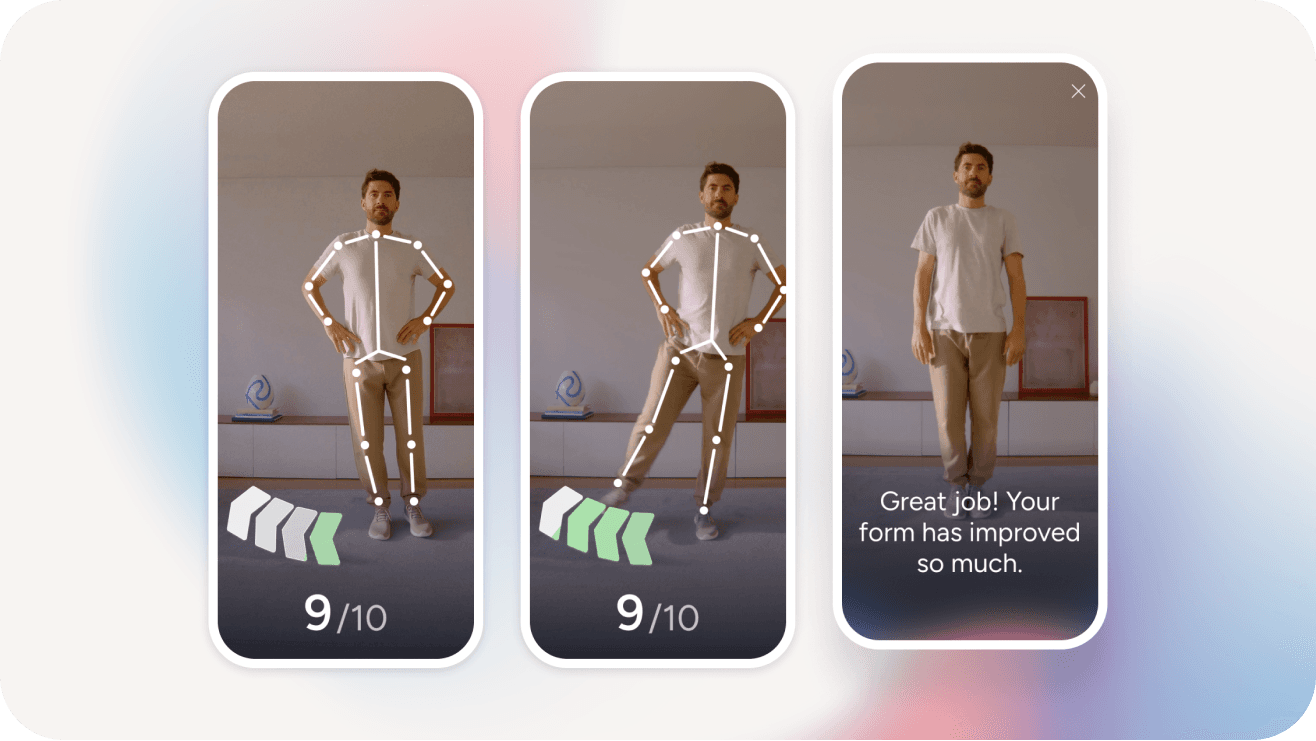
- Real-time feedback on your movements. You get correction and guidance as you exercise. You know you're doing things the right way, so you're actually fixing your pain. You're not using movement patterns that make things worse.
- Access whenever you need it, 24 hours a day. No waiting weeks for the next appointment. When pain flares up or you wake up at night unable to sleep, support is available. You exercise when it works for your life, not when the clinic has an opening.
- Proven to work. Peer-reviewed research shows Thrive is as effective as high-intensity physiotherapy in a clinic. The 55% sleep recovery rate? That comes from Thrive users in the research we talked about.⁹ Eight out of every ten people who start Thrive see it through.¹⁰
Thrive is always there for you with 24/7 access to real-time support. It's accessible, it adapts to you, and it's actually something you can stick with.
Get started with Sword Thrive in 4 easy steps
The pain sleep cycle can be broken
You don't have to live with this pattern. Research shows that when physiotherapy treats both pain and sleep, and when it's delivered in a way you can actually stick with, people recover.
You should be able to sleep through the night without pain and wake up in the morning with energy. You don't have to suffer through the pain and you should be able to get back control of your body and your sleep to life the best version of yourself. If Thrive might be right for you, the next step is simple.
Check if it's covered by your employer benefits plan. For many Canadians, Thrive physiotherapy is available at no out-of-pocket cost. See if Thrive is covered and you could get started right away.
Sources
- 1
Schroeder, R., Walters, M., & Salehzadeh, A. (2022). The relationship between sleep quality and pain in musculoskeletal conditions. Medicina Clínica Práctica, 5(4), 100185.
- 2
Finan, P. H., Goodin, B. R., & Smith, M. T. (2013). The association of sleep and pain: An update and a path forward. Journal of Pain, 14(12), 1539–1552.
- 3
Sword Health. (2023). Sleep disturbance in musculoskeletal conditions: Impact of a digital care program. Journal of Pain Research, 16, 307–319.
- 4
Howell, E. R., Salmon, P. A., & Newheiser-Plavka, S. (2014). Adherence to exercise therapy in musculoskeletal rehabilitation: A critical review of the literature. Journal of Sport Rehabilitation, 23(2), 170–181.
- 5
Sword Health. (2023). Sleep disturbance in musculoskeletal conditions: Impact of a digital care program. Journal of Pain Research, 16, 307–319.
- 6
Sword Health member data, 2023. Study population: 5,749 participants with baseline sleep disturbance at intake to Sword Health's Thrive program.
- 7
Sword Health member data, 2023. Recovery outcome: 55% achieved return to normal sleep patterns as measured by sleep quality indices at program completion (average 12-week duration).
- 8
Sword Health member satisfaction survey, 2023. Overall satisfaction rating: 8.7/10
- 9
Sword Health. (2023). Sleep disturbance in musculoskeletal conditions: Impact of a digital care program. Journal of Pain Research, 16, 307–319.
- 10
Sword Health member base data, 2024. Completion rate: 80% (8 in 10) of members who started Thrive completed the program. Comparative data: in-person physical therapy completion 73%; competitor digital platforms 30–50%.