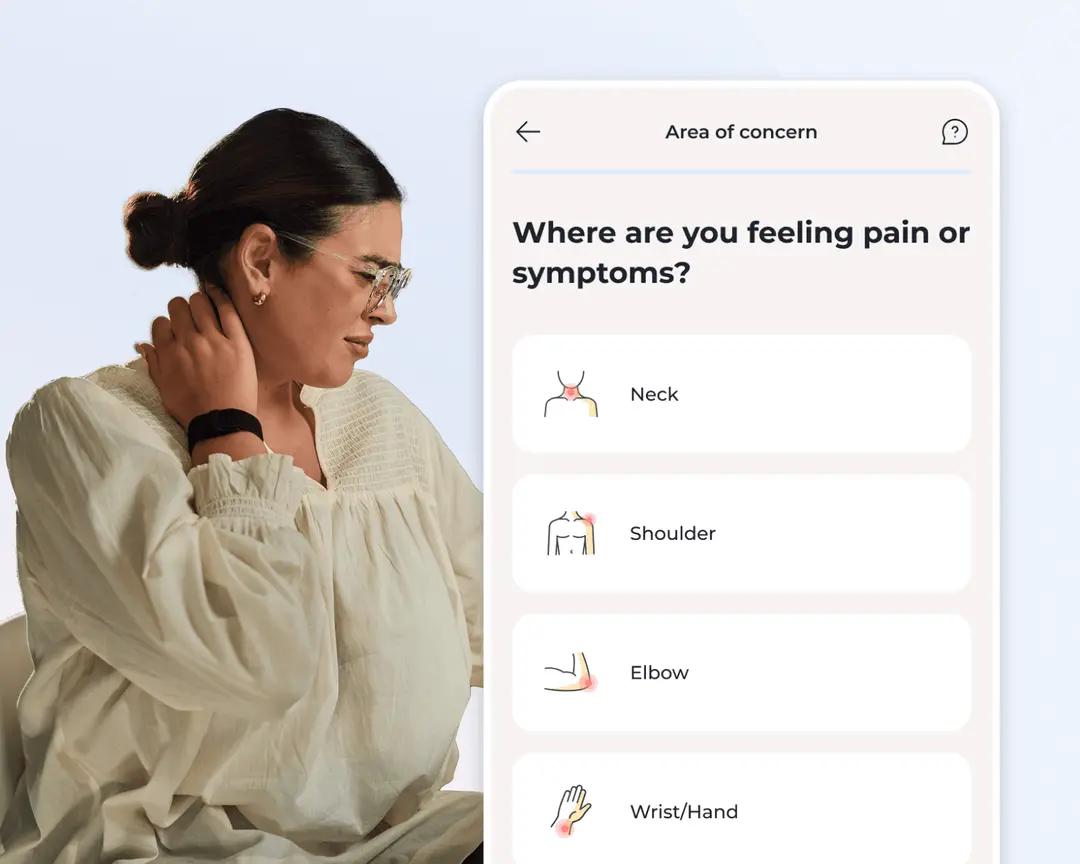

The Sword Summary Warm-up
Don't have time for the full workout? We've got you covered with a quick, high-intensity session. Here's the key takeaways:
- Most Canadians can access physiotherapy without a doctor's referral (direct access is available across Canada)
- Government-funded physiotherapy exists in Ontario and BC, but eligibility is limited to specific groups
- Many Canadians have physiotherapy coverage through their employer benefits plans, often at no out-of-pocket cost
- If you have coverage, choosing physiotherapy delivered from home means no wait lists, no travel, no competing with clinic schedules
- The first step is simple: check your coverage and start whenever you're ready
Managing pain alone costs more than you realise
When you are in pain, getting the right help should be simple. Yet for many people, the rules around physical therapy can be confusing. Do you need a doctor’s referral? What if your insurance or state laws say something different?
The good news is that in most cases, you can start physical therapy without waiting for a prescription or referral. But there are a few important things to understand first.
This article explains how referral requirements work, what affects access to physical therapy, and how to find the fastest and most affordable path to recovery. First, let's clarify the definition of a physical therapy referral and explain if and when you might need one.
What is a physical therapy referral?
A referral (sometimes called a “prescription” for physical therapy) is a written order from a doctor that authorizes a patient to receive physiotherapy.
The term "direct access" means you can see a physiotherapist without a doctor's referral or prescription. In Canada, direct access is available nationally. Every province allows you to book a physiotherapy appointment on your own, without waiting for a doctor to sign off.
This represents a significant shift from how healthcare used to work. Historically, referrals were required. Now, the system recognises that physiotherapists are licensed, regulated professionals trained to assess movement and pain, and they can do that assessment whether a doctor sends you or you come in yourself.
What about government-funded physiotherapy?
Government coverage in Canada is more limited than direct access availability. Here's what actually exists:
In Ontario: OHIP covers physiotherapy at government-funded clinics, but only if you meet specific criteria.⁷ You're eligible if you:
- Are 65 or older
- Are under 19 years old
- Were discharged from hospital (or had outpatient/day surgery) in the past 12 months for a condition requiring physiotherapy
- Receive Ontario Works or Ontario Disability Support Program benefits
If you don't meet these criteria, government-funded physiotherapy isn't available to you in Ontario, but you can access it privately.
In British Columbia: MSP (Medical Services Plan) does not directly cover physiotherapy.⁸ You can access supplementary benefits or private coverage, but there's no universal government-funded program like Ontario's clinics.
In other provinces: Coverage varies. Alberta, Manitoba, Saskatchewan, and other provinces typically do not have publicly funded physiotherapy programs for general pain or MSK conditions. Some provinces offer coverage for specific populations (seniors, post-surgery patients) or through workers' compensation if your injury is work-related.
Don't assume government coverage exists for you. Check your province's health ministry website, or ask your doctor if you're unsure. It's a quick conversation that clarifies your options.
What most Canadians actually pay for physiotherapy
If you're paying out of pocket, physiotherapy sessions in Canada typically range from $80 to $150 per session, depending on your location and the clinic. Initial assessments often cost slightly more (usually $100–$150 for a 60-minute session), while follow-up visits tend to be lower ($80–$110 for 30–45 minutes).
This matters because it affects how many sessions you can afford. A course of physiotherapy—typically 8 to 12 sessions—can cost $700 to $1,500 if you're paying fully out of pocket. That's significant money, and it's one reason many people delay seeking help.
Employer benefits make physiotherapy accessible for many
Here's where access dramatically changes for many Canadians: approximately 64% of Canadians have extended health benefits through their employer or union.² These plans often include physiotherapy coverage.
The specifics of your coverage depend entirely on your plan—what percentage it covers, annual limits, and session limits all vary. This is why the first step matters: check your actual plan details rather than making assumptions.
Check your coverage: Call your benefits provider or log into your benefits portal. Ask specifically: "Is physiotherapy covered under my plan? If so, what's my coverage limit, and do I need pre-authorisation?" Most plans can answer this in 5 minutes.
Commencez la physiothérapie à domicile

Waiting lists and clinic schedules make accessing physiotherapy tricky
When you finally decide to try physiotherapy, you discover a hidden barrier: the wait. Traditional clinics often have waits of 2 to 4 weeks before an appointment is available. Then you're locked into their schedule—a time slot that may or may not work with your work, your kids, your commute. If you miss an appointment, rescheduling starts the wait again.
This friction is why so many people who start physiotherapy never finish. Research shows that after just 4 sessions, 50% of patients stop going.³ Not because the physiotherapy isn't working. But because the system makes continuing too hard.
There's also a clinical cost to the wait. Pain worsens in the time you're waiting for an appointment. Movement patterns become more entrenched. The window when early intervention could prevent chronic pain narrows. The longer the delay, the more the problem compounds.
Thrive's AI physiotherapy gives you a personalized care plan from the comfort of home
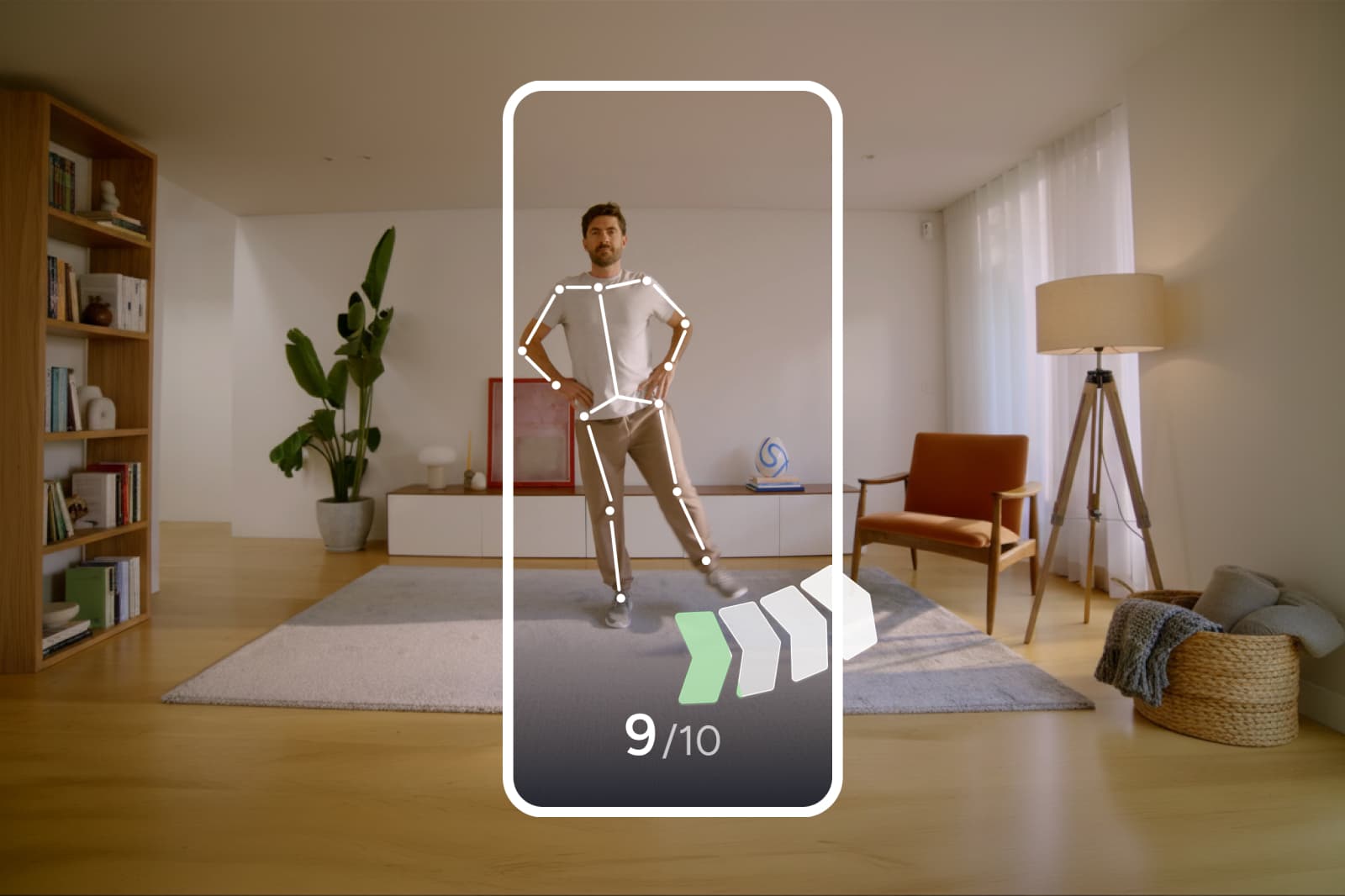
Sword Health's Thrive is expert-guided physiotherapy delivered from home, making recovery accessible and easier to sustain than traditional appointments.
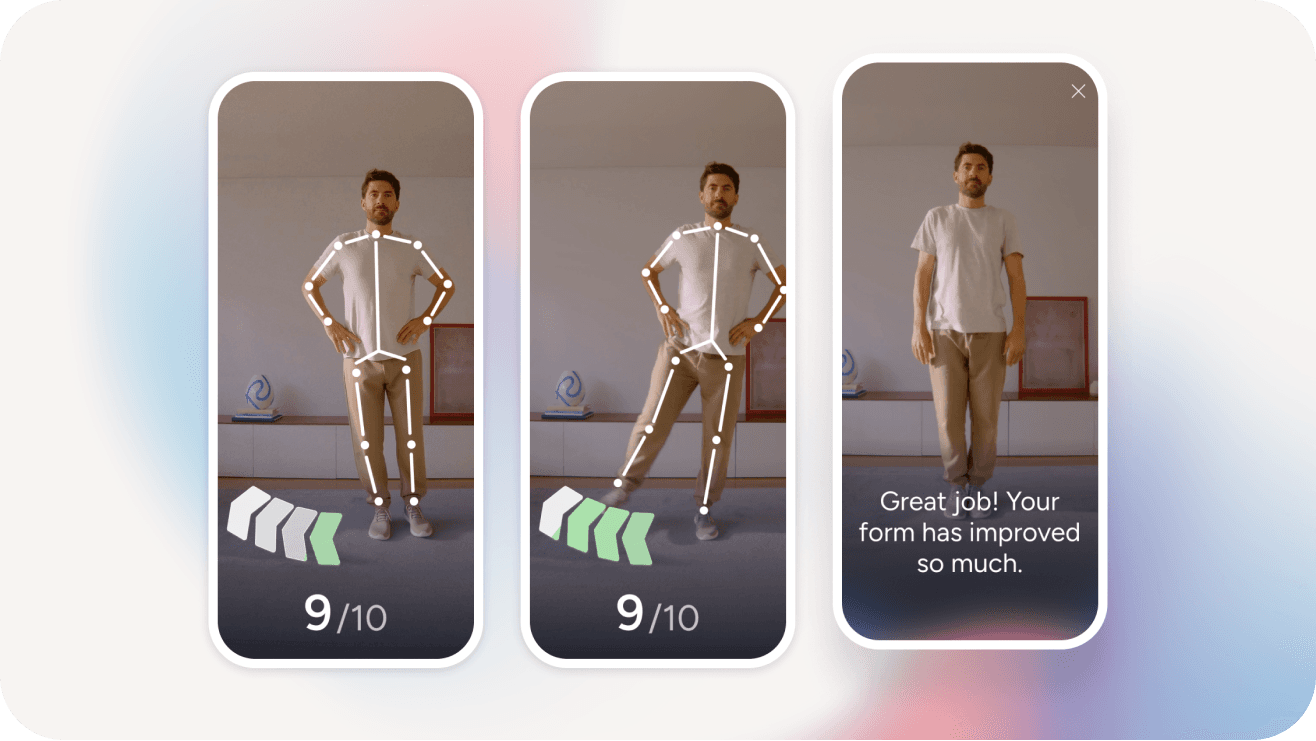
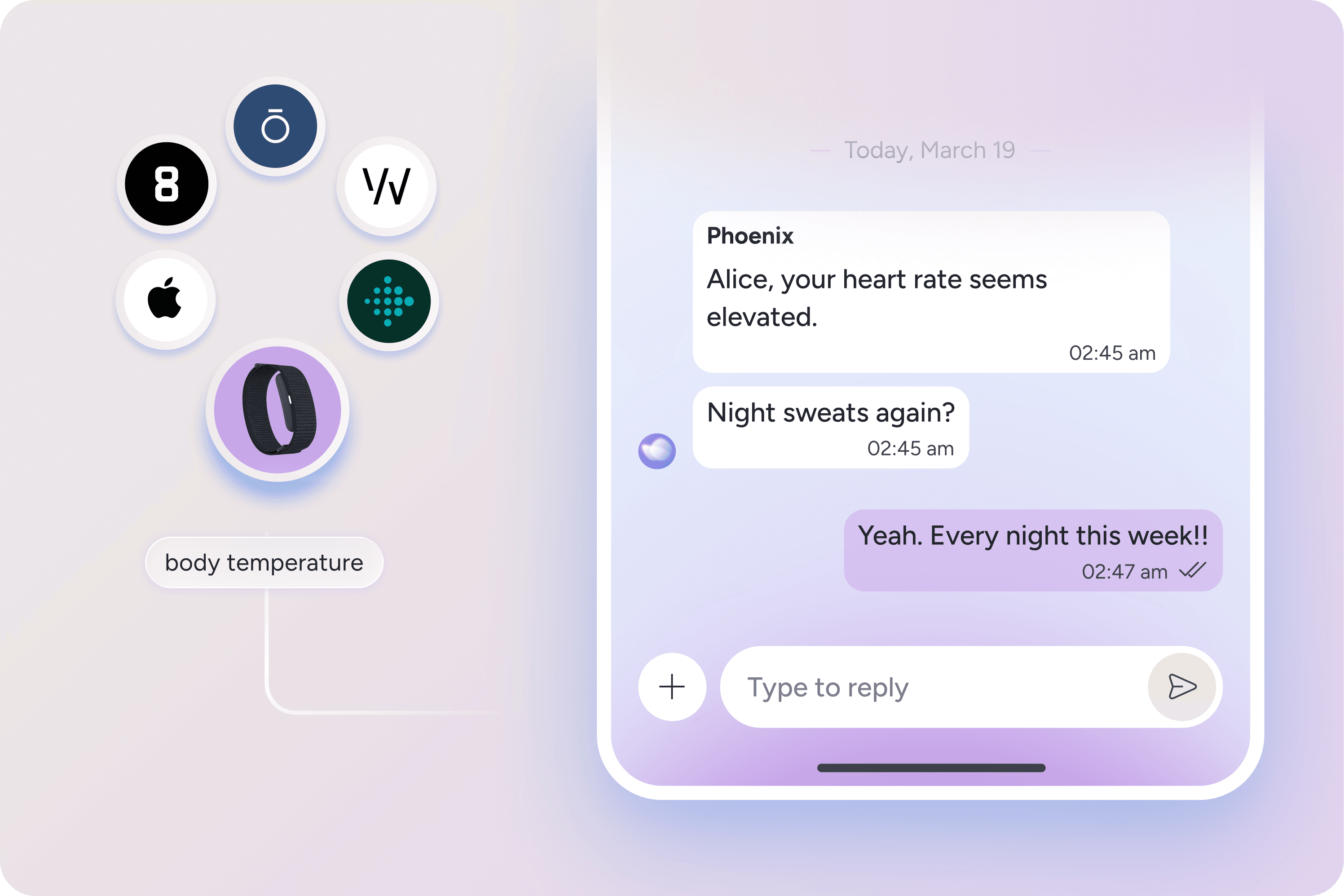
Here's how it works: After a brief intake and assessment, you work from a personalised plan designed by a registered physiotherapist. You complete guided sessions from home, at any time of day that fits your schedule. Real-time feedback and motion tracking ensure you're moving correctly—no guessing whether you're doing the exercise right. You have access to your care team (both your registered physiotherapist and Phoenix, Sword's AI Care Specialist) in one continuous conversation, available 24/7.
Key features:
- Expert guidance: Your plan is designed by a registered physiotherapist and adapted as you progress
- Real-time feedback: You get form correction and guidance as you move, so you know you're moving correctly
- Accessible recovery: 24/7 access from home—no wait lists, no travel, no scheduling around clinics
- Clinically proven: Research shows it's as effective as high-intensity in-person physiotherapy⁴
Members complete Thrive at twice the rate of in-person physiotherapy.⁵ That's what happens when you can access expert guidance 24/7, without the friction of wait lists or travel. You get feedback when something isn't working, so adjustments happen quickly rather than waiting until your next appointment weeks away. You're not managing alone—you have continuous clinical oversight.
What changes first is often small. Movement becomes less cautious. You notice you can do something without thinking about whether it will hurt. Sleep improves because the constant low-grade tension eases. Confidence returns, not because pain is gone completely, but because you understand it differently now. You know what helps. You know what makes it worse. You're no longer guessing.
Get started with Sword Thrive in 4 easy steps
AI physical therapy gives you fast access to expert care from home
Sword Thrive makes it easier for people to start care quickly, without travel or long wait times. Instead of visiting a clinic, you complete guided exercises from home with support from a licensed physical therapist through an app and motion-tracking technology.
Early access to care is critical. The sooner you start physical therapy, the better your outcomes. Delays in care increase the risk of chronic pain, imaging, injections, or even surgery. One study found that starting PT within the first week of low back pain reduced total healthcare costs by up to 44% compared to waiting a month or longer.² Early treatment helps restore movement, build strength, and prevent further injury, all while reducing the likelihood of long-term pain or costly interventions.
The next step is simple. Many Canadians already have coverage for physiotherapy through their employer benefits plan. For many, Thrive is available at no out-of-pocket cost if your plan includes coverage.
If Thrive is covered by your employer benefits plan, the pathway is straightforward: no referral needed, no wait lists, care begins within days. Check your eligibility now to see if you or a dependent family member already have coverage for Sword's at-home expert care plans. It only takes a few minutes, and you might be able to access expert care from at home right away at $0 cost to you.
Commencez la physiothérapie à domicile
Sources
- 1
Journal of Pain Research. 2023;16:33–46. Research supporting the psychological and social cost of chronic pain when left unaddressed, including sleep disruption and movement avoidance patterns. Available at: https://www.dovepress.com/getfile.php?fileID=81738
- 2
Sword Health analysis based on Canadian employment and health benefits data. Approximately 64% of Canadian workers have access to extended health benefits through employer or union plans that may include physiotherapy coverage.
- 3
Physical Therapy Quality Initiative (APTQI). Complete Study: Physical Therapy Episodes for Lumbago. October 2017. Analysis showing 50% patient dropout rate after approximately 4 in-person physical therapy sessions due to scheduling, travel, and access barriers. Available at: https://www.aptqi.com/Resources/documents/APTQI-Complete-Study-Physical-Therapy-Episodes-Lumbago-October-2017.pdf
- 4
Multiple peer-reviewed studies validate digital physiotherapy effectiveness:
J Med Internet Res. 2023;25:e49236. doi: 10.2196/49236
JMIR Rehabil Assist Technol. 2019 Jun 21;6(1):e14523. doi: 10.2196/14523
npj Digit. Med. 6, 121 (2023). doi: 10.1038/s41746-023-00870-3
- 5
Sword member data analysis. Digital physiotherapy (Thrive) shows 81% completion rate compared to approximately 50% dropout rate in traditional in-person physical therapy by session 4, representing approximately 2x higher engagement. Source: npj Digit. Med. 6, 121 (2023). doi: 10.1038/s41746-023-00870-3
- 6
Musculoskeletal Science and Practice. 2022;102709. Research from validated clinical studies showing 56% of participants demonstrated recovered ability to perform daily activities following structured digital physiotherapy intervention. DOI: 10.1016/j.msksp.2022.102709
- 7
Government of Ontario. (December 2025). Get Physiotherapy in Ontario. Ontario Health Insurance Plan (OHIP) eligibility criteria for government-funded community physiotherapy clinics. Available at: https://www.ontario.ca/page/get-physiotherapy
- 8
Health Insurance BC (HIBC). Medical Services Plan (MSP) does not provide direct physiotherapy coverage. Physiotherapy may be accessed through supplementary benefits, private insurance, or provincial workers' compensation programs where applicable. Available at: https://www2.gov.bc.ca/gov/content/health/health-drug-coverage/msp