Check if Move is covered for you
The Sword Summary Warm-up
Don’t have time for the full workout? We’ve got you covered with a quick, high-intensity session. Here are the key takeaways:
- A weight loss plateau on Ozempic is common and expected, not a sign the medication has stopped working.
- Early weight loss can include muscle, which slows metabolism and makes progress feel stalled over time.
- Restarting progress does not require eating less or pushing harder. It requires protecting muscle through simple, strength-focused movement.
- Move, Sword Health’s whole-body movement solution, is the ideal program for Ozempic users trying to overcome that plateau
What happens if Ozempic weight loss stalls?
Ozempic (semaglutide) has helped millions of people lose weight by reducing appetite and making eating feel more manageable. For many, the early results are noticeable. The scale moves. Clothes fit differently. Energy feels higher.
Then, often without warning, weight loss slows or stops.
This moment can feel frustrating or confusing. Many people worry that Ozempic has stopped working or that they are doing something wrong. In reality, an Ozempic plateau is one of the most predictable phases of treatment.
Understanding why it happens makes it much easier to move forward with confidence. This article gives you a blueprint to follow. The overall lesson is that consistency and perseverance works. Staying calm and committed to regular physical activity and healthy habits will help you meet your goals in the long term.

Why weight loss plateaus happen on Ozempic
Ozempic lowers appetite, which leads to eating fewer calories. That calorie gap drives weight loss. Over time, however, the body adapts in ways that can slow progress, even when medication use stays consistent.
Three changes drive Ozempic plateaus over time
- Metabolism naturally slows as body weight decreases: As weight comes down, the body needs fewer calories to function. A smaller body burns fewer calories than a larger one, even at rest. This metabolic adjustment alone can slow further weight loss.
- Daily movement often declines without people noticing: With less food coming in, energy can feel lower. People tend to take fewer steps, sit more often, and move less throughout the day. These small changes add up and reduce total daily energy use.
- Early weight loss can include lean muscle, not just fat: Research shows that up to 39% of weight lost on semaglutides like Ozempic can come from lean mass, including muscle¹. Because muscle plays a key role in metabolism, losing it further slows calorie burn and makes continued progress harder.
Taken together, these changes explain why the scale often stalls even when Ozempic is still doing its job. A plateau is not failure, more a signal that the body needs a different kind of support. Structured, regular movement plans can give you the regular physical activity habits you need to push through the dips.
What can you do to restart progress on Ozempic?
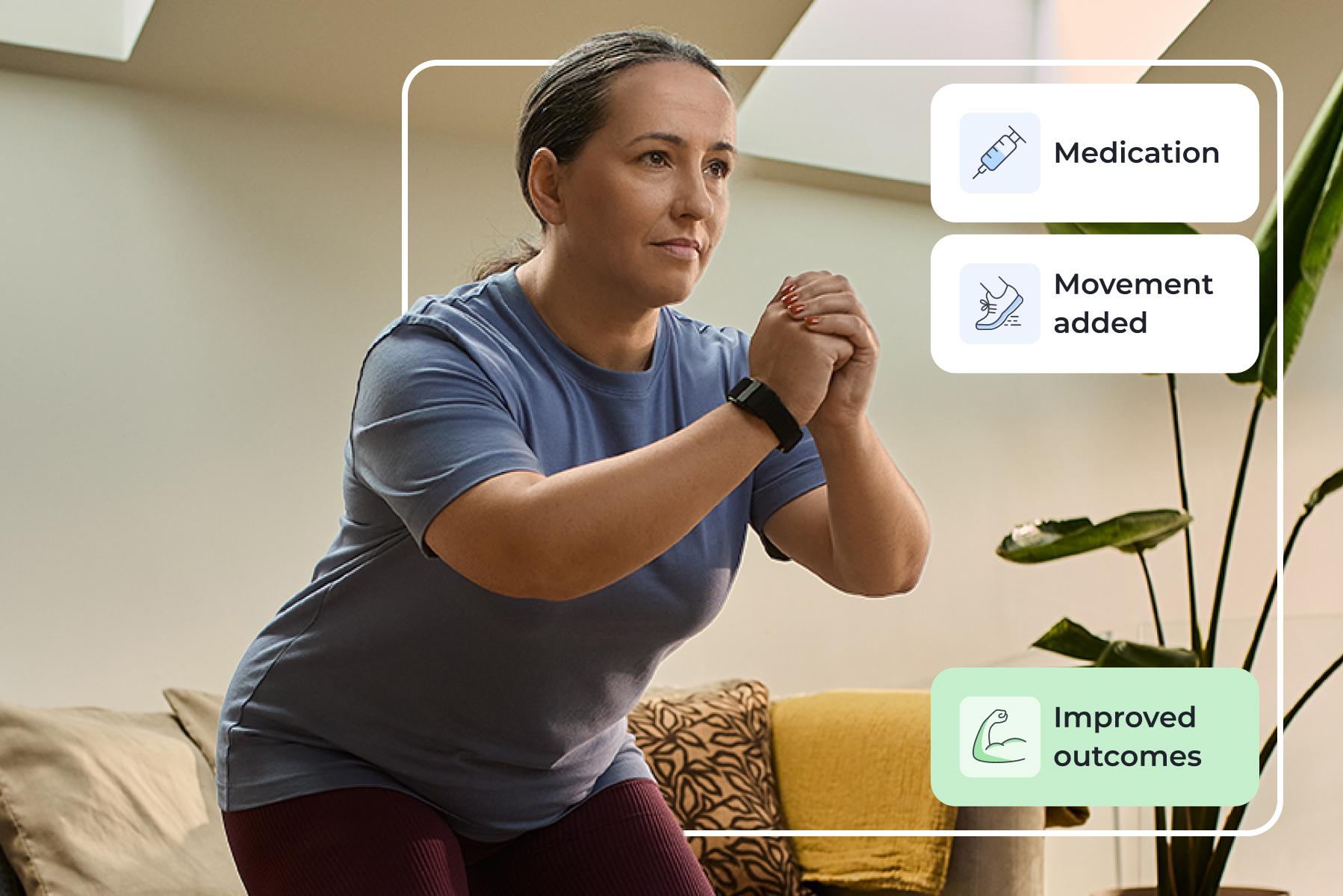
When weight loss slows on Ozempic, the most effective next step is not eating less. It is preserving and rebuilding muscle. Strength-focused movement helps:
- Preserve lean muscle that supports metabolism
- Improve how the body uses energy
- Shift progress toward body composition, strength, and function rather than scale weight alone
This does not require intense workouts or long gym sessions. Short, consistent resistance-based movement is enough to send the body a clear signal to hold onto muscle while continuing to lose fat.
For a deeper explanation of how muscle influences metabolism, see our guide on maintaining muscle during weight loss.
Ozempic plateaus do not mean long-term failure
One reason plateaus feel discouraging is that the scale becomes the only measure of success. But the scale does not show what is happening inside the body.
In a follow-up study, people who stopped semaglutide regained about two-thirds of the weight they had lost within a year, and most of that regain was fat rather than muscle². This pattern shows why building strength and movement habits during treatment matters. Protecting muscle while weight loss is happening helps make results more durable, even if medication use changes later. For a broader view of how this works, see our guide on maintaining muscle during weight loss.
A structured movement program is ideal to give you the expert guidance you need. Sword Move's AI Care solution delivers lasting movement habits through clinical guidance and wearable technology, the ideal option for GLP-1 users looking to retain and build strength.
Move is the ideal movement program for Ozempic users
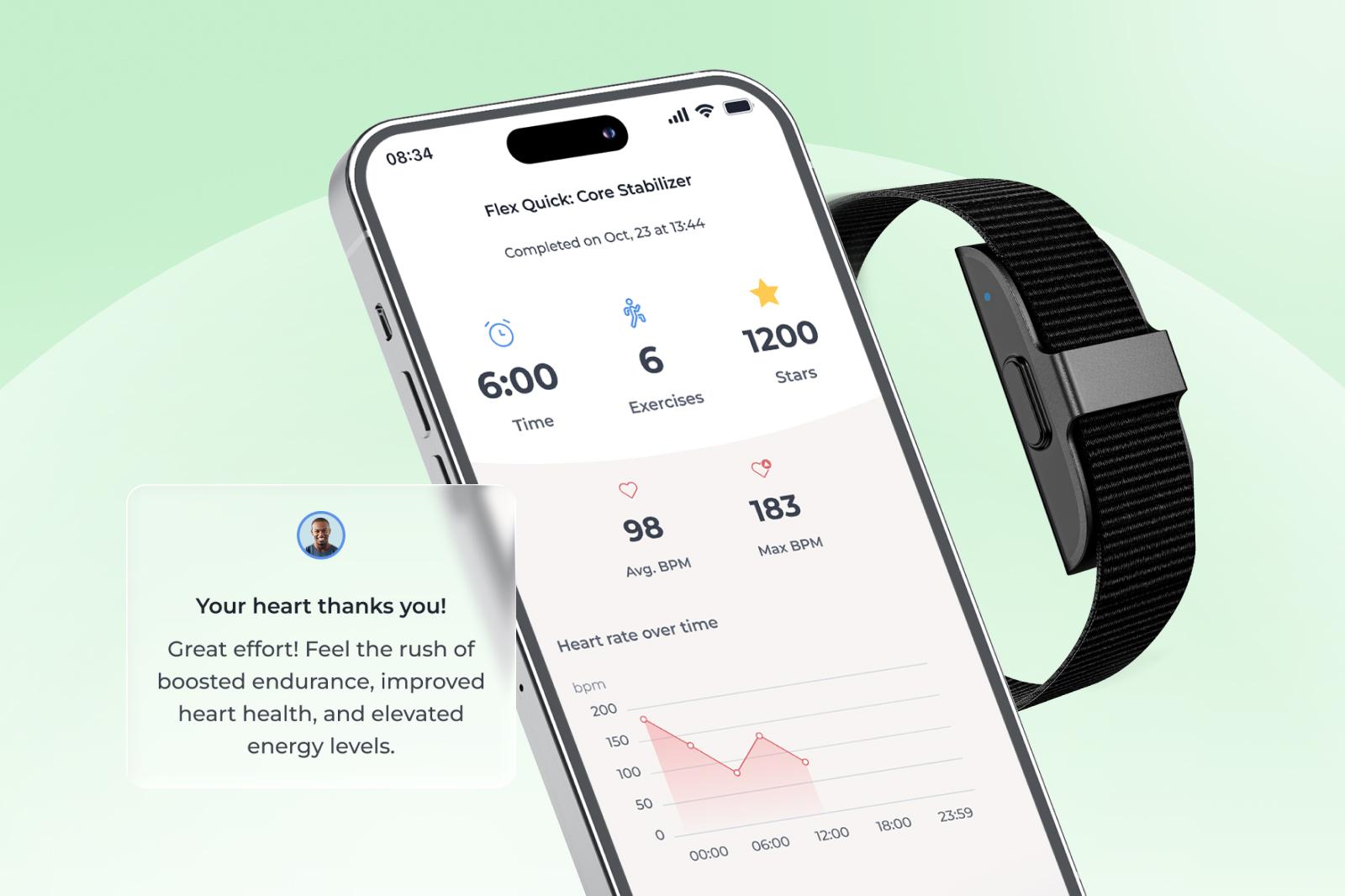
Sword Health’s Move program is designed to make muscle-protective movement simple and accessible, especially for people using medications like Ozempic.
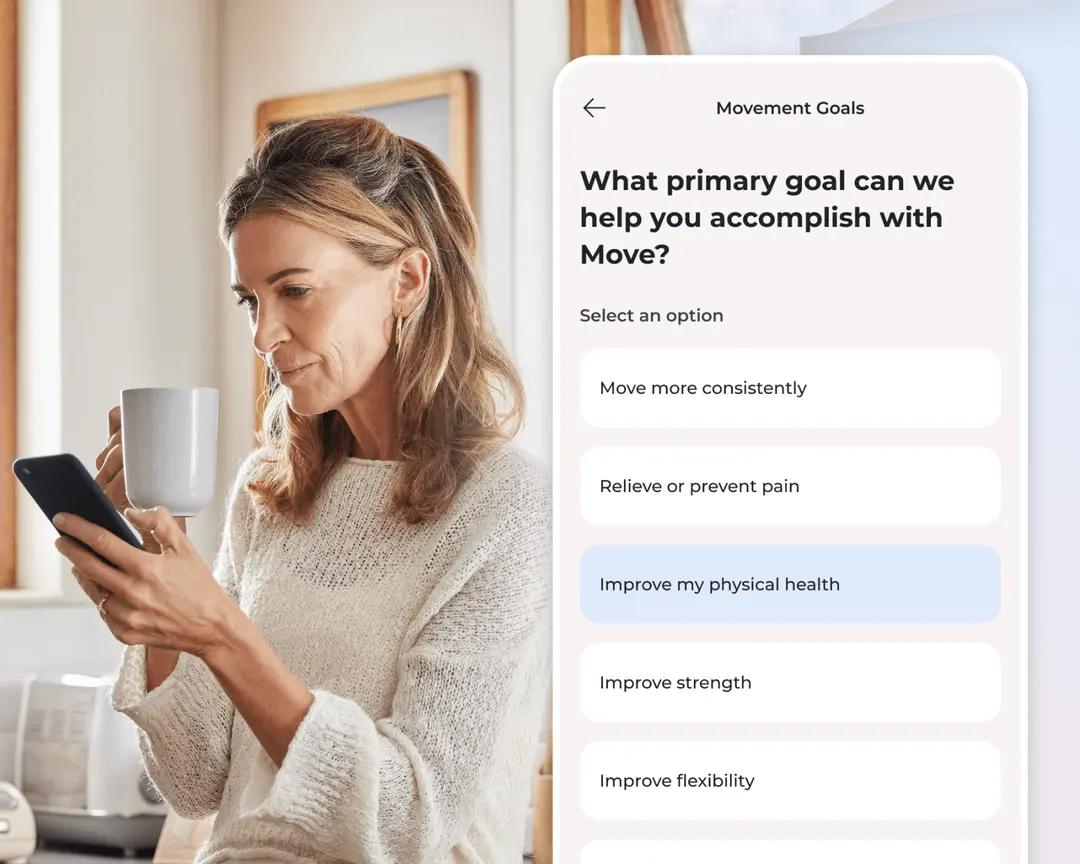
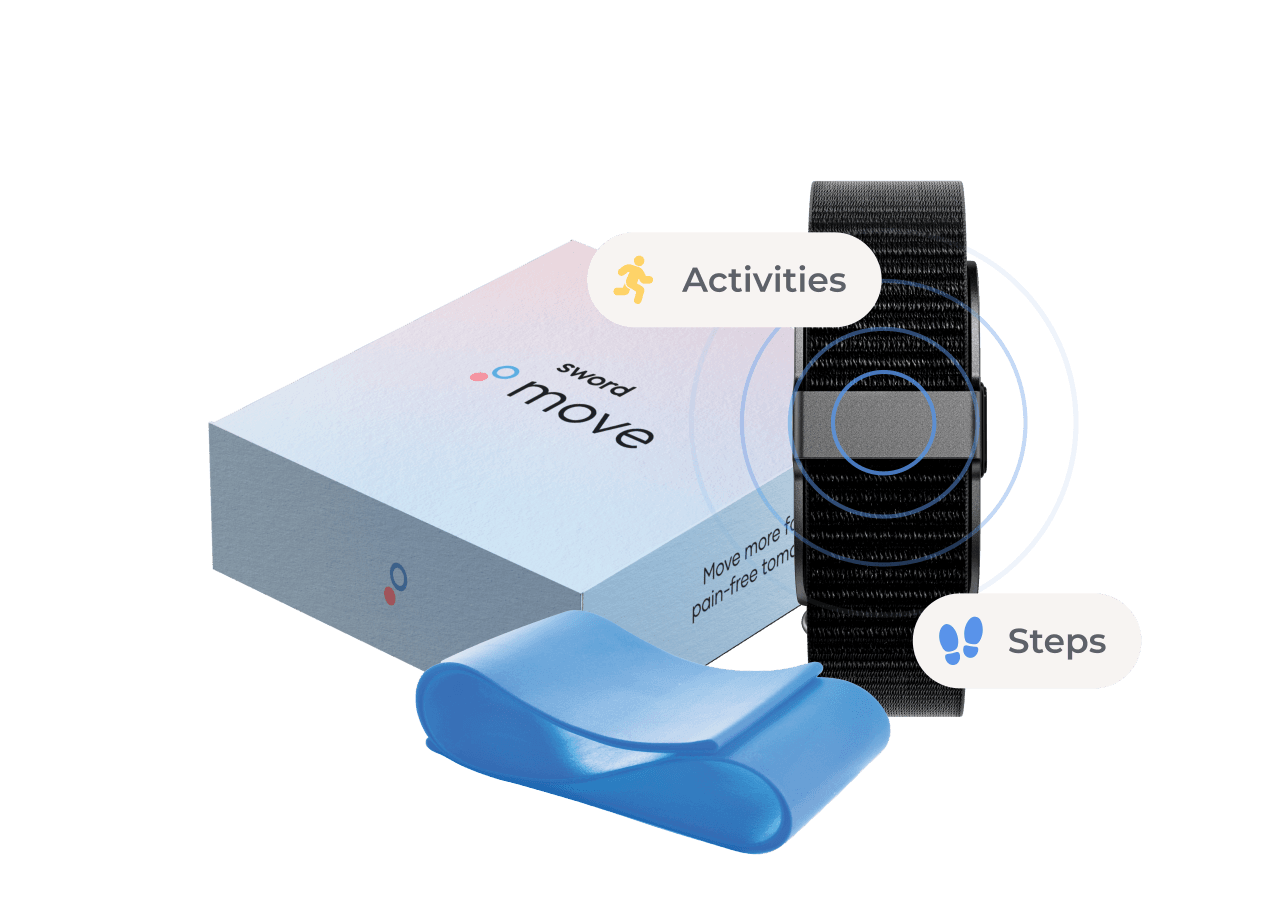
The digital AI Care delivery model means you can access your personalized plan from anywhere, at any time. All you need is the Sword mobile app and your Move wearable device to help track your progress.
How Move works:
- You are paired with a Physical Health Specialist who holds a Doctor of Physical Therapy degree
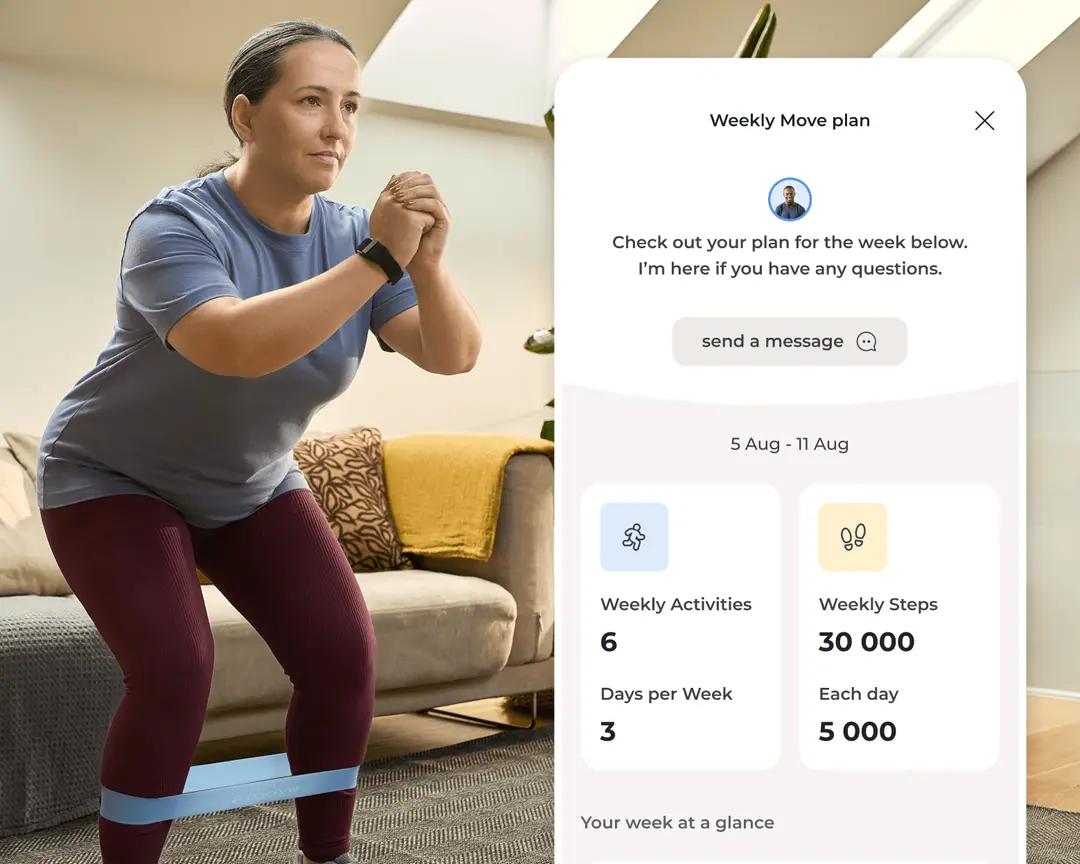
- You receive a personalized plan focused on strength, mobility, and confidence
- Sessions are short and designed to fit into daily life at home
- Progress is tracked automatically using a your Move wearable (or your own connected device if you'd prefer)
- Your matched specialist helps to adapt your plan over time to suit your progress and meet your health goals
This structure removes guesswork and helps people stay consistent without pressure. The results are proven, and sustained, with people using Sword Move show consistent improvements³:
- 69 percent of inactive members became active or healthy active within 10 weeks
- Members completed an average of 4.5 guided sessions per week
- Sedentary time dropped by more than one hour per day
- 91 percent reported feeling moderately or much better
For people on Ozempic, this means progress that shows up not just on the scale, but in strength, energy, and confidence.
Get started with Sword Move for whole-body strength
Movement supports long-term success on GLP-1s
An Ozempic plateau is not a dead end. It is a natural point where appetite control alone reaches its limit.
When medication is paired with structured movement, people are more likely to lose fat while protecting muscle, maintain energy, and sustain results long term.
If you are using Ozempic, or finished your course of medication, Move is an ideal program to help you retain your strength and muscle.
Sword Move may already be available through your health plan at no cost to you. Many US employers and health plans offer Move to their members. Check your eligibility now to see if you can get started today.
About the author

Sword Editorial Team
Evidence-based healthcare insights