If you want menopause support to work, it has to be easy for women to access these benefits.
That sounds simple, but it is where most workplace efforts stall. The moment an employee considers getting help is often the moment they feel least able to navigate it. They are not sure what counts as “normal.”
They do not want to disclose sensitive symptoms at work. They cannot picture fitting appointments into an already full week. So they wait. They adjust their routines. They power through, quietly, for longer than they should.
Effective menopause-friendly workplace policy reduces friction before it turns into missed work, avoidable healthcare use, or a slow pullback from the roles your organization depends on. When policy is specific and accessible, support stops feeling like a personal ordeal and starts feeling like a practical option. That is when leaders can build a program employees will actually use, and a benefits story finance can stand behind.¹ ³
The Sword summary warm-up
The strongest menopause policies feel calm and practical in the moment, not performative on launch day.
- Menopause symptoms are associated with measurable adverse work outcomes, including missed work, and published research has put a price tag on that impact.²
- This topic lands in peak-career years for many leaders, including management and executive roles that are expensive to backfill.³
- Practical adjustments and dedicated support can reduce friction without adding complexity to a benefits stack.⁴ ⁵
- The strongest programs make scope, measurement, and reporting clear, so finance and procurement can trust the ROI story.
What a menopause-friendly workplace policy must do
A good policy does not try to “solve menopause.” It solves workplace uncertainty.
It should answer four questions in plain language:
- What support is available?
- How does an employee access it privately?
- What should managers do, and what should they avoid?
- How will we review and improve the approach over time?
If the policy cannot be used by a manager with five minutes between meetings, it will not be used when it matters.
A practical guide for an effective at work menopause policy
1. Name menopause as a normal workplace health topic
Start with a short statement that menopause can affect employees differently, symptoms can change over time, and support will be offered the same way you would support any health-related need.
This one paragraph does real work. It signals that employees do not need to earn support by “proving” anything, and it gives managers language they can use without awkwardness.
2. Make privacy the default, not an exception
Privacy is the difference between a policy that looks good and a policy that gets used.
Design the pathway so employees can seek support without explaining sensitive details to a direct manager. Acas guidance emphasizes confidential conversations, letting the staff member decide how much to disclose, and avoiding assumptions about symptoms.⁴
Practical implementation options:
- a confidential HR contact route
- a private email inbox or form
- an accommodations request flow that does not require symptom detail
3. Provide a short menu of reasonable adjustments
Do not make employees negotiate from scratch.
Acas outlines common changes employers can consider, such as flexible start and finish times, breaks when needed, a private area to rest, work-from-home where practical, and control over the working environment (for example, seating near a window or a fan).⁴
Write this section so it reads like permission, not policy theater. A manager should be able to say, “We can do one of these options today,” without escalating a simple need into a long process.
4. Clarify how time off and performance support will work
This is where trust is won or lost. Set expectations that:
- absence will be handled consistently and without stigma
- performance conversations should focus on adjustments and workload support
- accommodations will be reviewed and updated as needs change⁴
That last line is really important to make sure employees feel confidence and assurance to fully recover and address the root cause of more serious issues. Symptoms are not static, so a menopause support program should hold consideration for changes.
Develop manager training to help implement the policy
Most managers want to be supportive but they have so many conflicting priorities and are likely inexperienced with the challenge of speaking about menopause-related programs. Training should feel like a practical script, not a seminar so that managers feel confident in their role to advocate and educate.
A simple, high-impact training module covers three moments:
- First conversation: Teach managers to respond with support and options, not medical questions.Example language: “Thank you for telling me. We can adjust your schedule or environment, and we can involve HR if you would prefer. What would make this week more manageable?”
- Options menu: Walk through which adjustments can be offered immediately and which require HR approval.
- Follow-up: This step is critical as following up ensures changes are working, and reminds the manager that support needs can vary and change over time.⁴
If you do only one thing, do this: train managers to focus on accommodations and support, without asking for personal health details.⁴
A stigma-free workplace helps everyone deliver their best work
Stigma fades through consistent signals. Catalyst found that stigma persists and that 72% of respondents have hidden menopause symptoms at work at least once.² That is not a reason to shame employers, but it does point to the importance of making privacy more available, educating managers and team members about support options, and ensuring that access to any benefits is simple and discrete.
- include menopause resources alongside other health topics
- make navigation self-serve and private
- use inclusive language and avoid assumptions about identity or experience
- refresh manager training so it stays usable, not forgotten⁴
Bloom complements policy with private, measurable support

A workplace policy reduces friction at work, but dedicated women's health benefits provide a measurable way to demonstrate the impact of supporting employees during menopause.
Bloom provides personalized AI Care plans that women can access from the privacy and comfort of their own home, at any time that suits their schedule. There's no need to schedule an in-clinic visit or deprioritize work or family commitments. Bloom makes it easy for women in the workplace to address their symptoms and recover fast.
What is Bloom and how does it work?
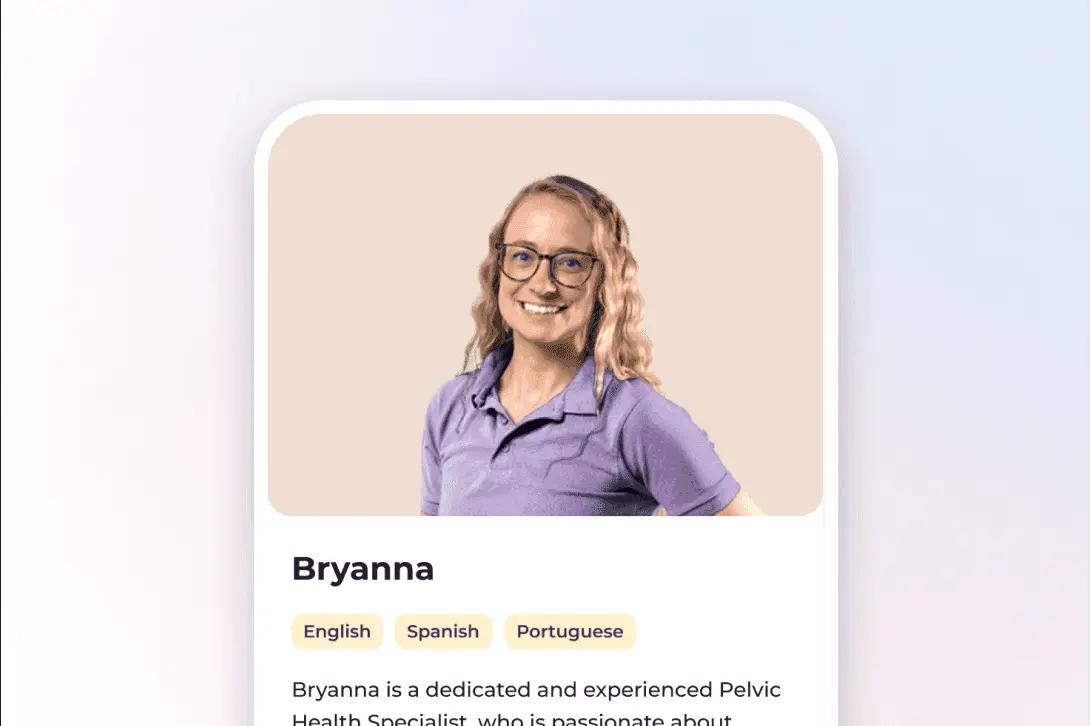
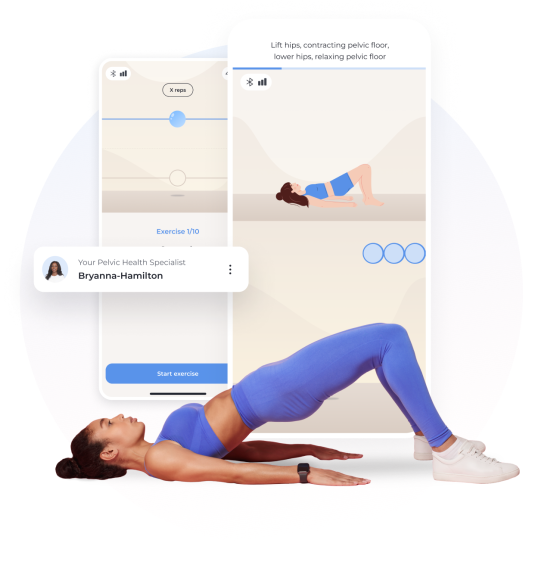
Bloom is a digital pelvic care program for women or people with vaginal anatomy, including support for menopause and postmenopause. Bloom provides one-on-one clinical guidance from a Women’s Health Specialist holding a Doctor of Physical Therapy degree, available anywhere, anytime, from the comfort of home and on your schedule.⁵
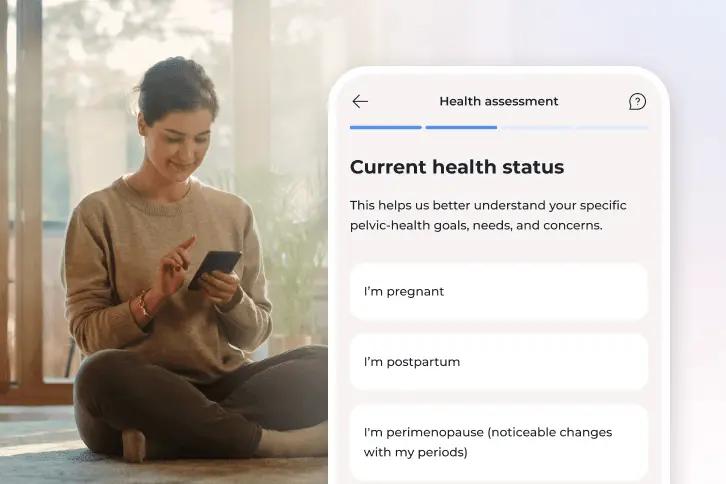
The 4-step Bloom member experience
This model supports the same principles your policy should protect: privacy, ease of access, and follow-through. It also gives benefits leaders a clearer measurement story.
Bloom is independently proven to deliver a 2.9x ROI
In Sword Health’s Bloom pelvic health ROI analysis, validated by Risk Strategies Consulting, you can see the impressive financial impact:
Bloom’s ROI is validated based on pelvic care results, including lower downstream healthcare use.³ This makes it easier for benefits and plan teams to evaluate, track, and stand behind, while giving your female members a purpose-built benefit they can actually use without deprioritizing their family or work responsibilities.¹ ² ³ The claims-based analysis demonstrates the continually proven results that health plans and employers are seeing after implementation:
- 2.9x gross ROI
- $2,276 total healthcare savings per member per year
- $2.2K yearly direct cost savings per Bloom member³ ⁴
- Member-reported improvements including a 50% increase in productivity ⁴
These type of results demonstrate the impact Bloom can have at scale across your organization. The healthcare savings are significant and Sword guarantees a positive return within 12 months.
How to tell if your menopause workplace policy is working
You do not need a perfect dashboard, but you do need a few measurable signals you can track, analyze, then act on. Start with:
- Awareness: do employees know the pathway exists
- Usage: are people using HR routes or accommodations
- Manager readiness: do managers feel confident responding
- Outcomes from partners: utilization trends, engagement definitions, and outcome measurement you can defend⁵ ⁶
The goal is to ensure steady improvement over time, with clear results within 12 months. You need to be able to demonstrate measurable success so you can defend your investment and unlock those continued savings over time. Apart from reducing downstream healthcare costs, adding Bloom to your benefits plan can also increase productivity, reduce absenteeism, and keep elite female leaders in your organization for longer.
Start supporting women in menopause to bring their best self to work
A menopause-friendly workplace policy is one of the simplest system upgrades you can make. Done well, it protects privacy, stabilizes performance, and makes support usable in the real world.
The shift is not just a moment in time or a moral consideration. When menopause support is designed to be measurable and easy to use, you can:
- Reduce avoidable healthcare use
- Protect productivity
- Lower missed or underproductive workdays² ⁶
- Support retention by helping experienced employees stay steady through a predictable life stage, rather than quietly stepping back when symptoms become harder to manage⁴
You can make dedicated menopause support easier to access, easier to use, and easier to measure, so experienced people can keep performing without having to power through in silence.
If you want to know more about how Bloom could fit into your employer benefits offering, set up a call with a Bloom expert. We can walk through Bloom's ROI methodology and the contract mechanics to show you how outcome-pricing works to tie your payments to measurable member health improvements.
About the author

Claire Kelly
Senior Clinical Program Specialist, Sword Bloom