Employee engagement is more than a cultural buzzword. For enterprise organizations, it’s a proven driver of performance, retention, and business growth. But keeping teams motivated and committed requires more than pizza Fridays or inspirational Slack messages. This demands real support. Preventative healthcare benefits that allow employees to bring their best self to work provide an effective return on investment for proative employers.
Meaningful, effective healthcare benefits are valuable for employers and employees alike. In a world where health, work, and home life constantly overlap, employees expect their employers to offer more than generic wellness perks.
They’re looking for tangible, accessible care that makes their lives easier, healthier, and more sustainable. That’s where health benefits become a strategic tool, both to reduce employer healthcare costs, and to increase employee engagement and productivity.
Why health benefits influence employee engagement
When employees feel supported in their physical and mental health, they’re more likely to bring more energy and commitment to work. That means better focus, stronger collaboration, and a deeper sense of connection to their role and employer. But the opposite is also true.
Chronic pain, stress, or delayed access to care create friction, making it harder for employees to engage meaningfully at work. Research shows that untreated musculoskeletal conditions can significantly affect daily function and job performance.⁶ Employees may withdraw, miss work, or underperform, not due to a lack of motivation, but because their health is getting in the way.
A 2022 Gallup report found that engaged employees are 41% less likely to be absent due to illness and 17% more productive overall.¹ This means the pathway to better performance often starts with better care.
Unfortunately, many legacy health benefits fail to meet employees where they are. Studies show that more than 50% of employees find their health benefits difficult to understand or use, which limits their ability to engage with care and ultimately lowers the return on investment for employers.⁶ These outdated plans are often too confusing to navigate, too hard to access, or too limited in scope to create meaningful health outcomes.
Why digital health benefits increase engagement
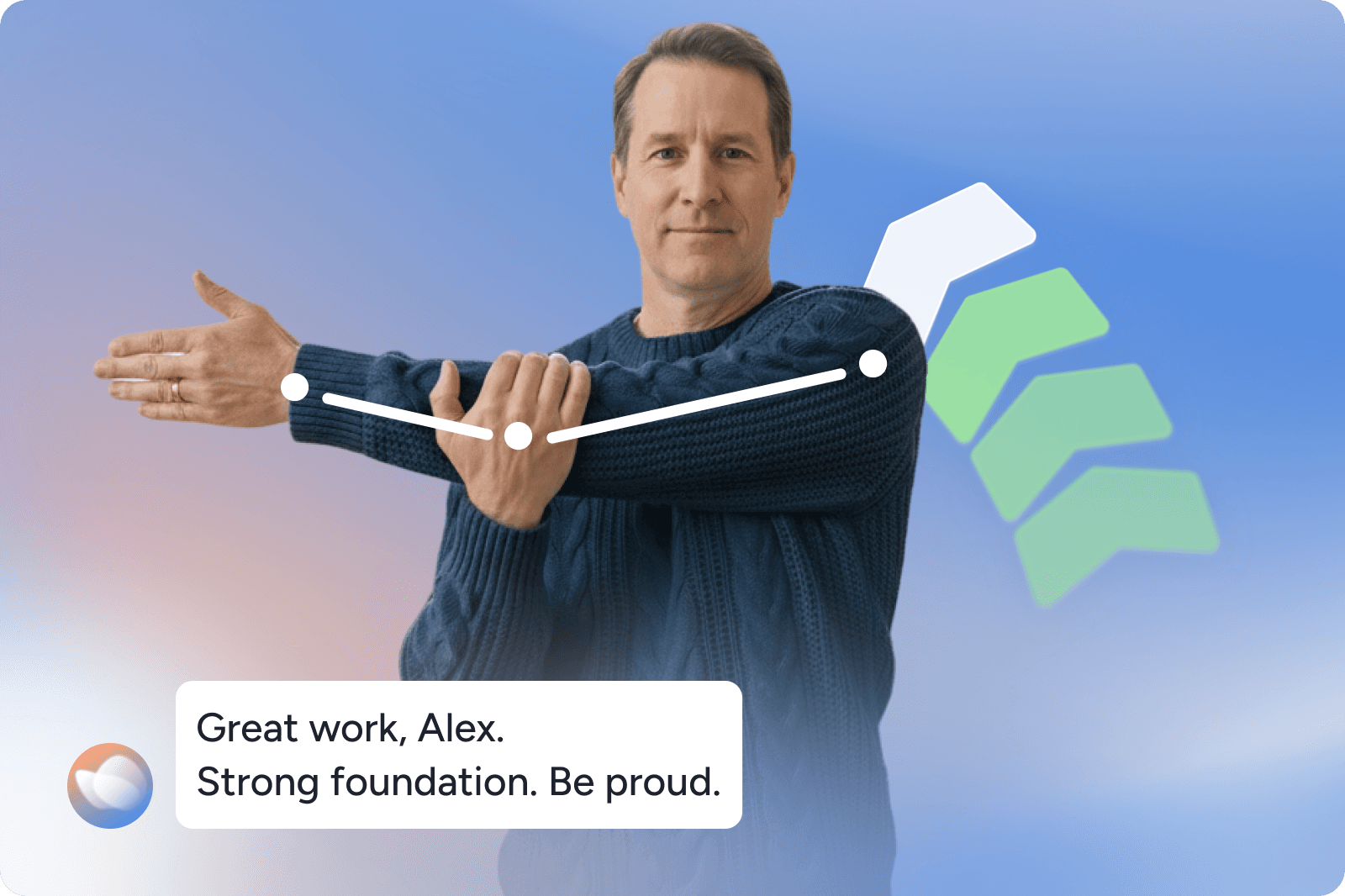
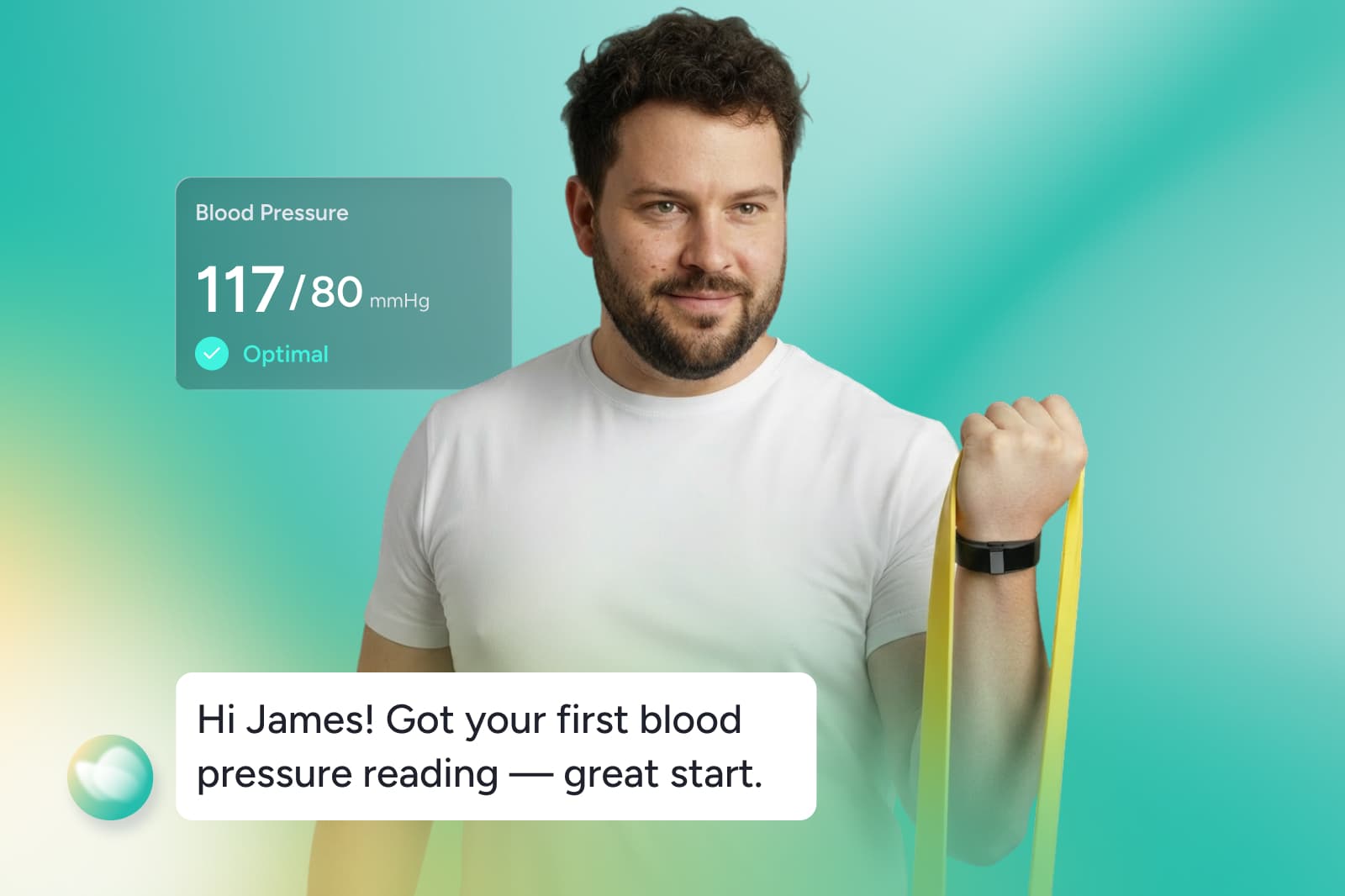
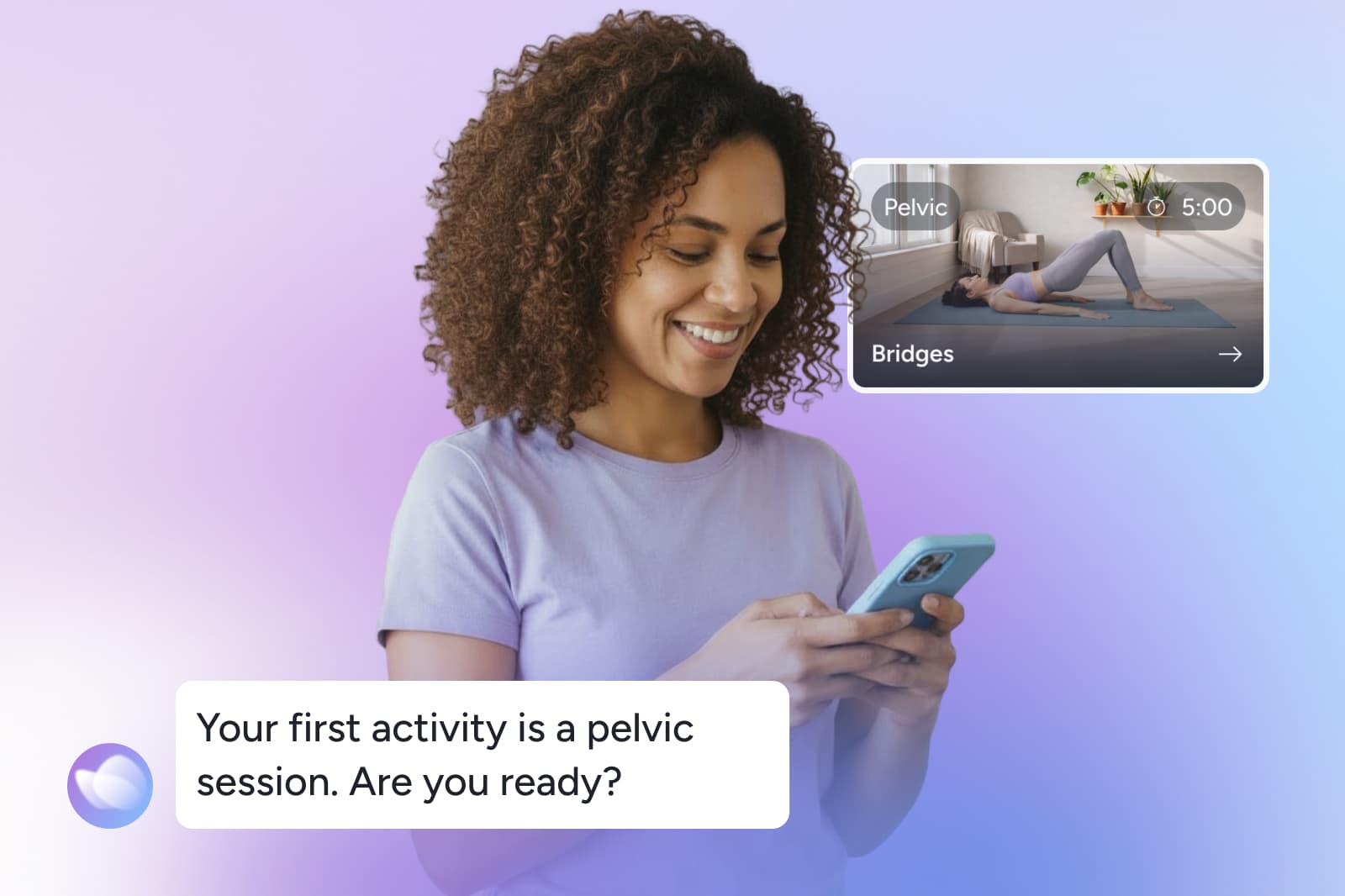
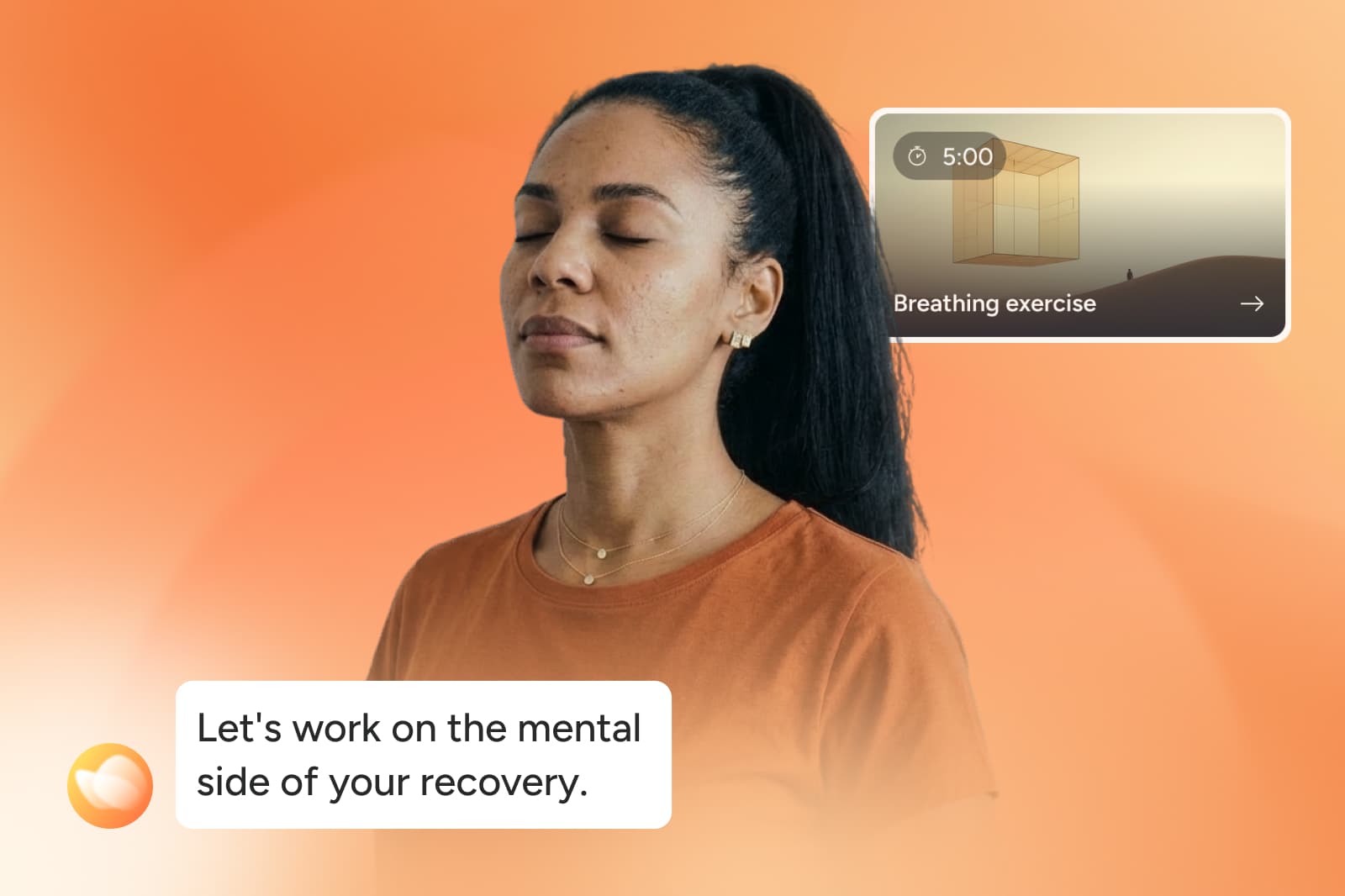
Digital care models offer a new way forward. By combining clinical-grade care with the convenience of virtual access, they remove the barriers that often stop people from getting help. That means employees can proactively address health concerns before they impact their work and employers can see higher engagement, fewer absences, and stronger outcomes.
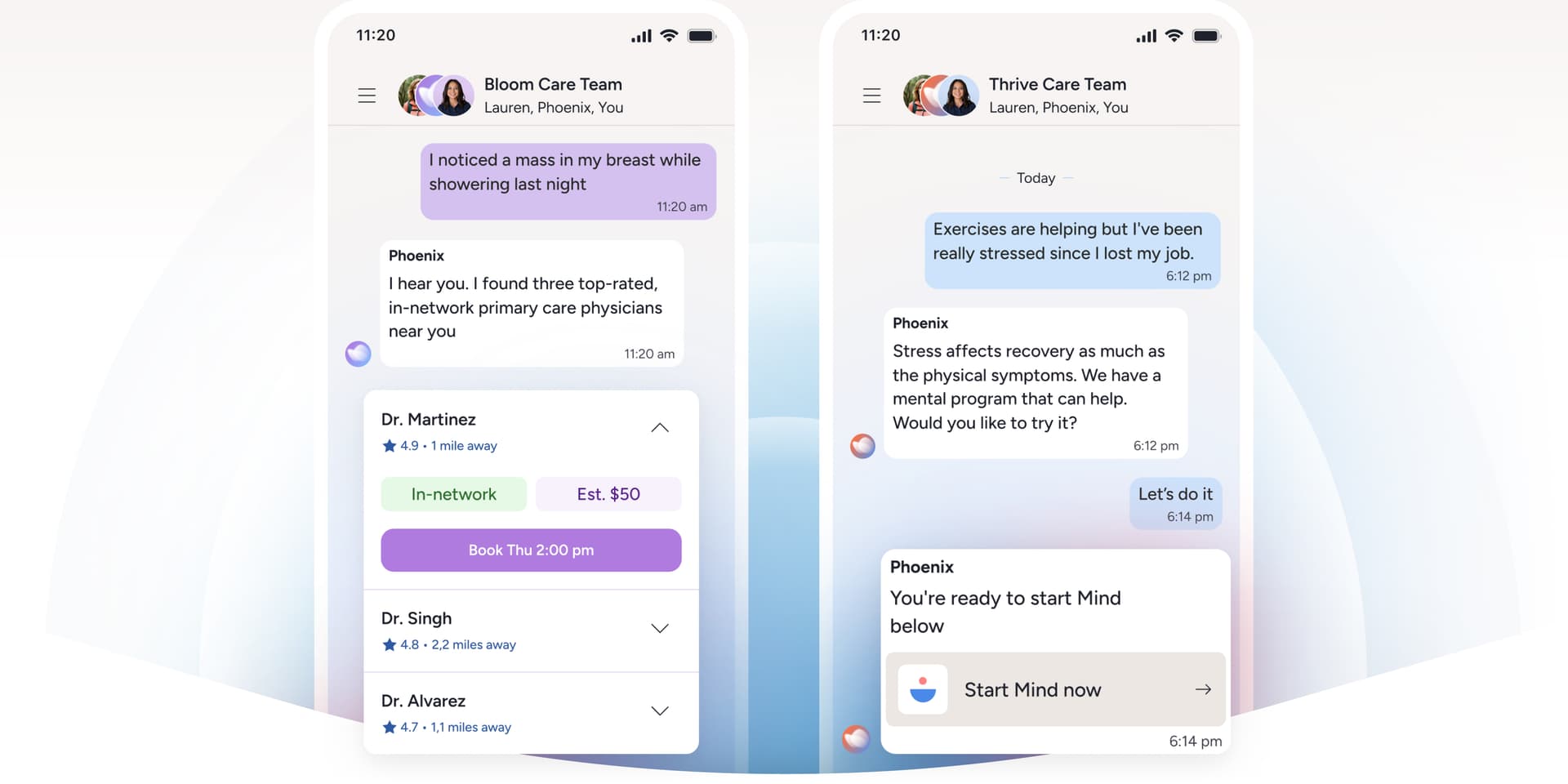
Sword Health offers an ideal example, allowing members 24/7 access to personalized AI-native care plans. Sword's AI Care Platform creates one continuous healthcare conversation for each member, with an always-learning clinical memory, and one combined system that works across conditions.
More than 80% of members complete their full Sword programs, a stark contrast to traditional physical therapy dropout rates.² That high level of personalization and easy remote access increases engagement and translates into real outcomes: reduced pain, improved function, and stronger performance at work.
4 pillars that lead to higher healthcare engagement
Not all digital benefits are created equal. The most successful programs share a few essential qualities:
- Personalization: One-size-fits-all care doesn’t work. Employees engage more when they feel their treatment is tailored to their needs.
- Convenience: Flexible, virtual access means fewer missed appointments and less disruption to work and life.
- Clinical support: Programs that involve licensed professionals build trust and lead to better outcomes.
- Data transparency: Employers and members want to see real progress. Reporting and outcomes tracking build credibility.
Sword’s AI Care platform is designed around these principles. Care is delivered through one connected system where every interaction builds on the last, so care continues across conditions and programs instead of starting over.
Expert care across the highest-cost conditions
Proactive care = more engaged employees
Most healthcare costs, and most productivity losses, come from preventable issues that escalate over time.⁶ Engaging employees early through digital health programs helps reduce those downstream problems by addressing health concerns before they become severe and costly.
For example, Sword’s Predict AI engine identifies at-risk employees before they become high-cost cases. It uses claims data and clinical patterns to surface people who might not even know they’re developing MSK issues. Then it connects them with preventative care that keeps them healthier, longer. This is smart business, as when employees feel supported before problems get worse, they stay more engaged in their roles.
How to boost benefits awareness and utilization
Even the best benefits won’t drive engagement if no one knows about it. That’s why communication and accessibility matter. To improve utilization:
- Promote proactively: Don’t wait for open enrollment. Highlight digital care options in onboarding, team meetings, and employee newsletters.
- Simplify the journey: Use single sign-on, app integrations, and mobile-friendly access to reduce friction.
- Leverage internal champions: Share success stories from employees who’ve benefited from MSK or pelvic health support.
- Track and optimize: Use data to see what’s working and where people drop off. Adjust your communication accordingly.
Sword Health supports all of these efforts with dedicated implementation teams, member support, and employer dashboards that make it easy to promote and track program use.
Measuring impact: how Sword delivers increased engagement
Sword Health removes the barriers that often make it hard for employees to engage with care. By delivering virtual, clinically guided programs that employees can complete anytime from home, Sword makes it easier for members to stay on track. This convenience, combined with expert oversight from human clinicians, leads to higher adherence and better outcomes.⁶ High engagement with health benefits isn’t just a nice-to-have. It’s a measurable driver of business performance.
Sword Health has demonstrated:
- 3:1 ROI on MSK care investment (the industry's highest validated rate)³
- 64% reduction in absenteeism among engaged members⁴
These outcomes show that investing in proactive, digital-first healthcare can deliver strong return on investment for employers at scale. Programs like Sword allow companies to unlock more value from their workforce in the form of increased performance, loyalty, and long-term retention.⁶
Pricing tied to results keeps providers accountable
Outcome-based pricing ensures employers only pay when programs deliver real value. With Sword, that means:
- Lower fees for non-engaged members
- Pricing tied to clinical milestones and satisfaction
- Shared incentives for measurable improvement
It’s a pricing model that aligns with finance team expectations and minimizes wasted spend. Employers can finally invest in care with confidence, knowing results are not just possible, they’re guaranteed.
Sword offers a smarter way to help employees become and stay healthier. This is healthcare with a guaranteed return on investment that unlocks measurable value across the workforce.
About the author

Sword Editorial Team
Evidence-based healthcare insights