Already received a message about Thrive?

The Sword Summary Warm-up
Don’t have time for the full workout? Here’s the quick version.
- Stairs place more demand on the knee than flat ground because the bend, push-off, and load all increase at the same time.¹
- Pain at the front of the knee often points to patellofemoral pain, which commonly shows up with stairs, squatting, or sitting for long periods.² ³
- Small changes like using a handrail, slowing down, taking one step at a time, and building strength may help settle mild, newer pain.⁴
- If stair pain is worsening, spreading, or changing how you move through daily life, it is worth getting assessed.
Why stairs put more demand on your knees
Flat ground asks your knee to do its job quietly. Stairs ask for more. Each step needs a deeper bend, more control, and more force to lift your body upward against gravity.
That extra demand is why people often notice pain on stairs before they notice it anywhere else. A knee that feels mostly manageable while walking may start complaining the moment you climb, especially if the joint is already irritated or the muscles around it are not sharing load well.
That pattern is useful. Pain that shows up specifically on stairs often tells you something about what your knee is struggling to handle. It narrows the picture, which makes the next step easier to figure out.¹ ²
What the location of knee pain can tell you
The location of the pain in your knee is important in determining the cause and solution of stair-induced knee pain.
- Pain around or behind the kneecap is a common stair-related pattern. This is often patellofemoral pain, sometimes called anterior knee pain. It tends to be aggravated by stairs, squatting, running, hills, or sitting for a long time with the knee bent.² ³
- Pain deeper in the joint or toward one side of the knee can point toward other structures being stressed, including cartilage, meniscal irritation, or osteoarthritis.
- Pain on the outside may be more related to how the hip and thigh are controlling the leg.
- Pain at the back of the knee is less straightforward and is worth paying closer attention to if it keeps happening.
Try not to self-diagnose from the stair-pain alone. The point is to notice the pattern. Track the place it hurts, when it starts, and whether it builds with each step as all of these factors give you specific and useful clues.

Common causes of knee pain when climbing stairs
Patellofemoral pain (the pain felt just around and under the base of the kneecap) is one of the most common causes of stair pain. That usually reflects a mix of load, movement, and muscle control rather than one dramatic injury. It is often linked to the way the kneecap and the rest of the leg handle repeated bending under load.² ³
Weakness or poor coordination higher up the chain can contribute too. If the hips are not helping control the leg well, the knee often absorbs more strain than it should. Tightness through the calf or thigh can also affect how the knee moves on stairs.
The root cause is often not related to tracking around the kneecap. Likely, the pain comes from joint irritation, early osteoarthritis, or the after-effects of an old injury that never quite rebuilt full strength and confidence. That is why two people can both say “stairs hurt my knee” and still need different solutions.
What can help before you seek professional support
If stair pain is mild and fairly new, you can try a few of these tactics at yourself to see if you can manage and reduce this short term pain. Sometimes the pain will be fleeting or temporary, and other times these tactics will lead to reduction in symptoms and flare-ups.
- Start by changing the load: Using a handrail helps. Slowing down helps too. So does taking stairs one step at a time for a while if the pain is flaring. These are not signs of weakness. They are ways of giving the irritated structures a chance to settle.
- Check your footwear: Shoes that feel broken down or unsupportive can change how load travels through the foot, ankle, and knee. A more supportive shoe will not solve every knee problem, but it can reduce one variable that may be adding to the strain.
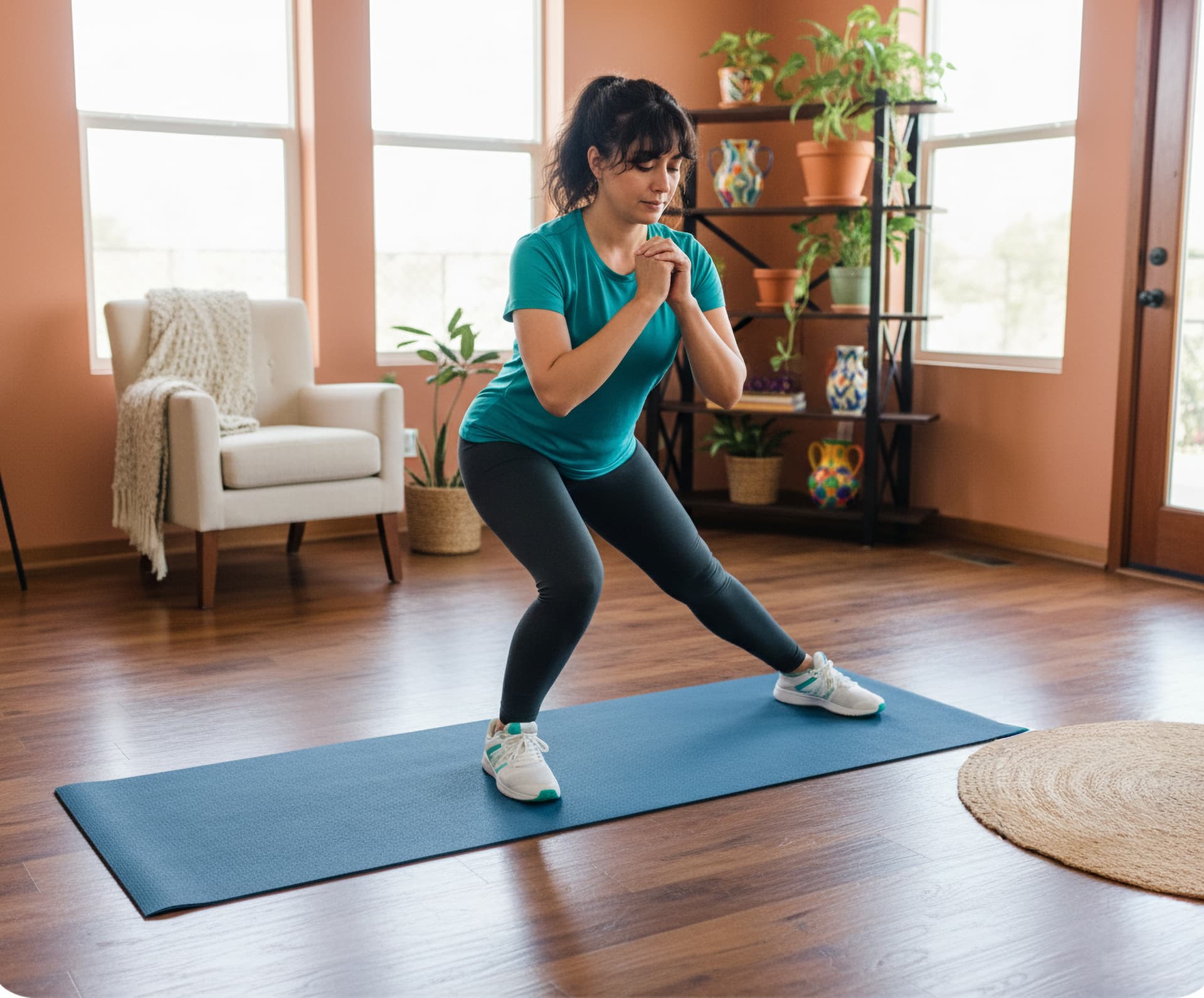
- Build strength where the knee needs help: For many people, the muscles around the knee and hip need more capacity. That is especially true when pain shows up on stairs but the knee feels mostly fine on flat ground. Exercises that improve quadriceps and hip strength are commonly recommended for patellofemoral pain and other stair-related knee patterns.⁴
Try these specific tactics to reduce knee pain
- Use the handrail to reduce load.
- Slow down rather than pushing through pain.
- Take one step at a time if needed.
- Wear supportive shoes instead of worn-out ones.
- Start simple strengthening work if the pain is mild and not worsening.
When stair pain needs more than home strategies
Not every painful knee needs physiotherapy right away. But some patterns should move you past trial and error sooner.
If the pain is getting worse, spreading to other parts of the knee, causing swelling, locking, or giving way, or making you avoid normal daily tasks, it is worth getting assessed. The same goes for pain that has not improved after a couple of weeks of sensible changes.
Pain after a twist, fall, or specific injury deserves more attention too. That is a different pattern from discomfort that developed gradually over time.
What physiotherapy can help you uncover
When knee pain on stairs keeps coming back, the issue is often bigger than stairs alone. The knee may be weak in certain ranges, overloaded in others, or relying on movement patterns that keep it irritated every time the bend and push-off increase.
That is where physical therapy can help. A professional clinician can assess what seems to be driving the pain, which movements are aggravating it, and what kind of strength, mobility, or support work may actually help rather than keep the cycle going.
For many people, that is the turning point. Instead of endlessly modifying stairs and hoping things settle, they finally understand what the knee is reacting to and how to calm it down.
How Thrive supports recovery from home
If stair pain keeps affecting daily life, support has to be practical enough to fit real life. Physical therapy in a clinic is helpful, but you need to schedule an appointment during work hours, travel to the clinic, then remember your exercises and the correct form after your session.
That is where Thrive’s AI physical therapy plans are so helpful, giving you 24/7 access to expert care and real-time guidance from the comfort of home.
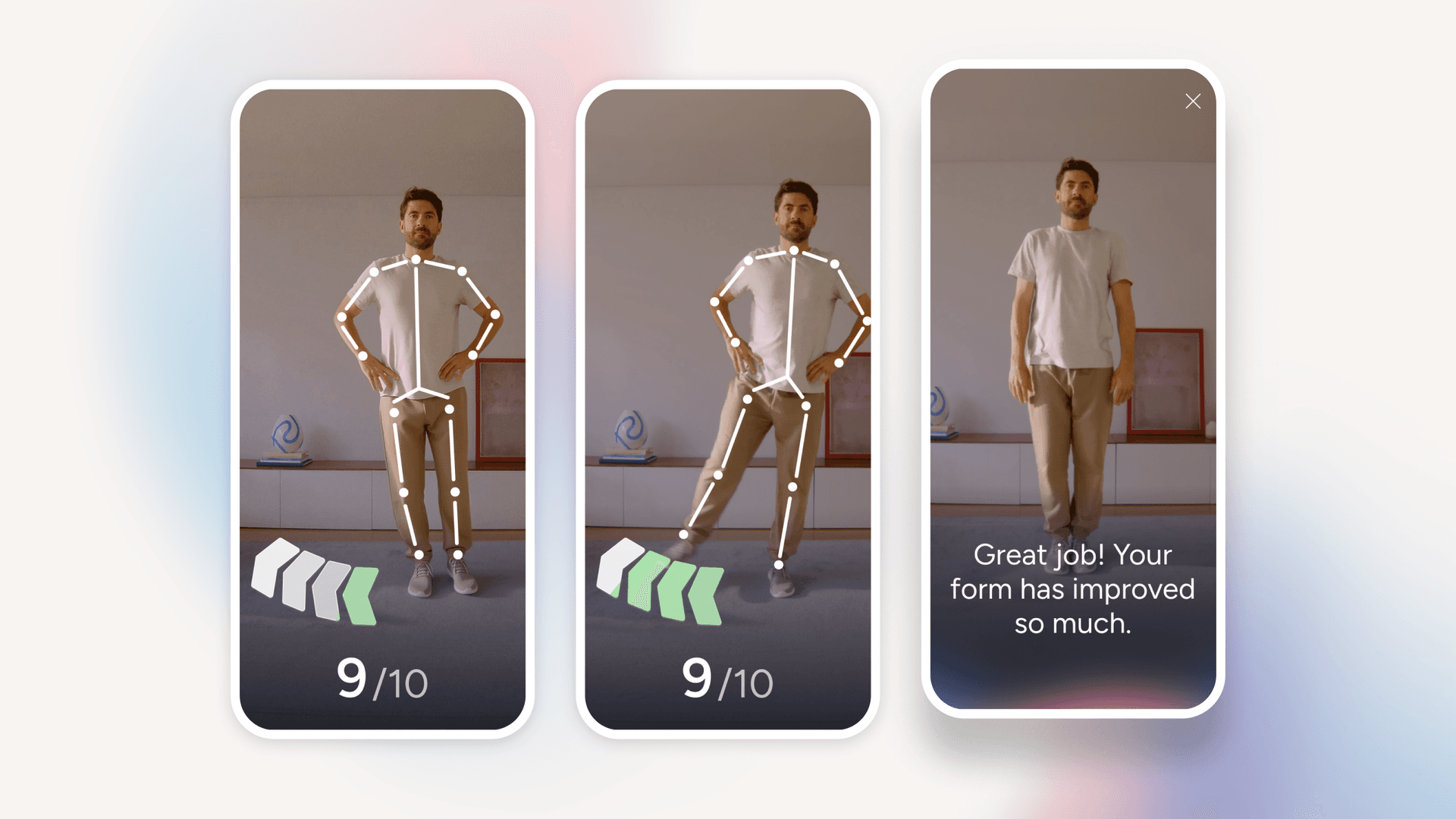
Sword Health’s Thrive is an AI physical therapy program that gives members access to a personalized care plan from the comfort of home. Thrive is accessible through the Sword app at any time or place, and it’s clinically proven to be effective in reducing pain for joint, and muscle pain.² ³
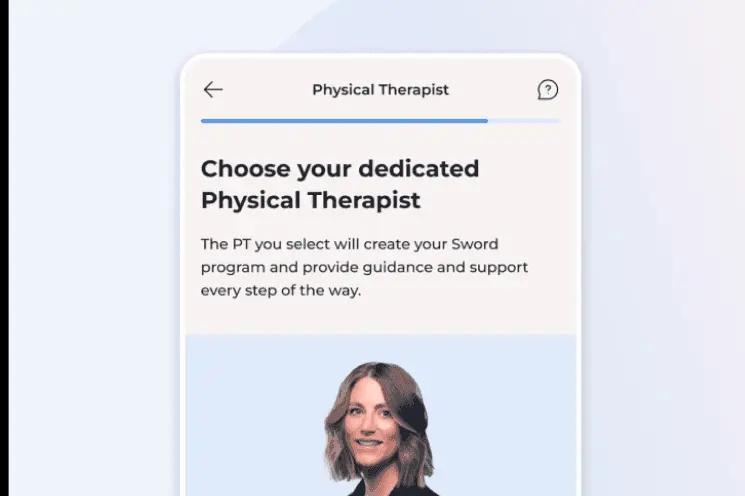
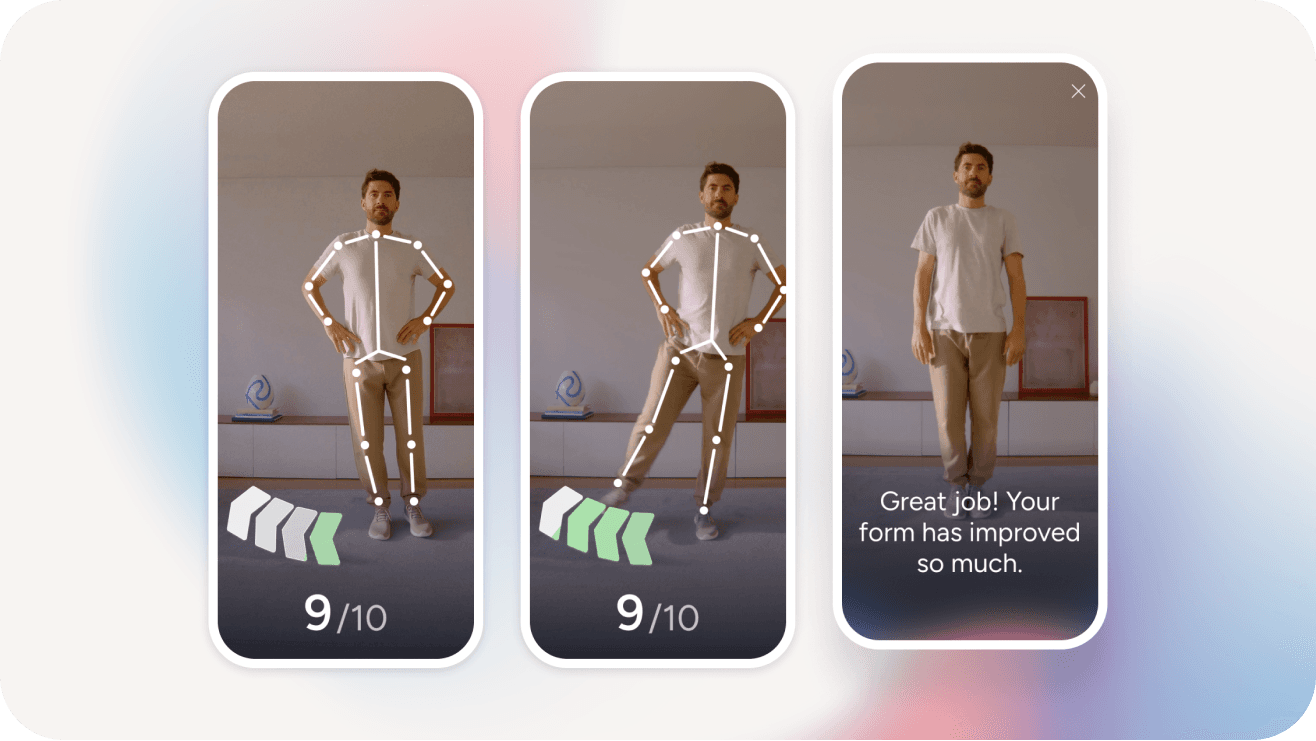
Members follow a personalized plan designed by a Pain Specialist who holds a Doctor of Physical Therapy and all sessions are delivered with Vision AI guidance via the Sword app. Thrive gives audio and visual direction with real-time form correction from Phoenix, Sword’s AI Care Specialist.
There is good evidence behind this approach. A study in people with chronic pain found that remote care helped people improve in function and symptoms at about the same rate, with no meaningful difference between the two groups.²
What to expect from Thrive
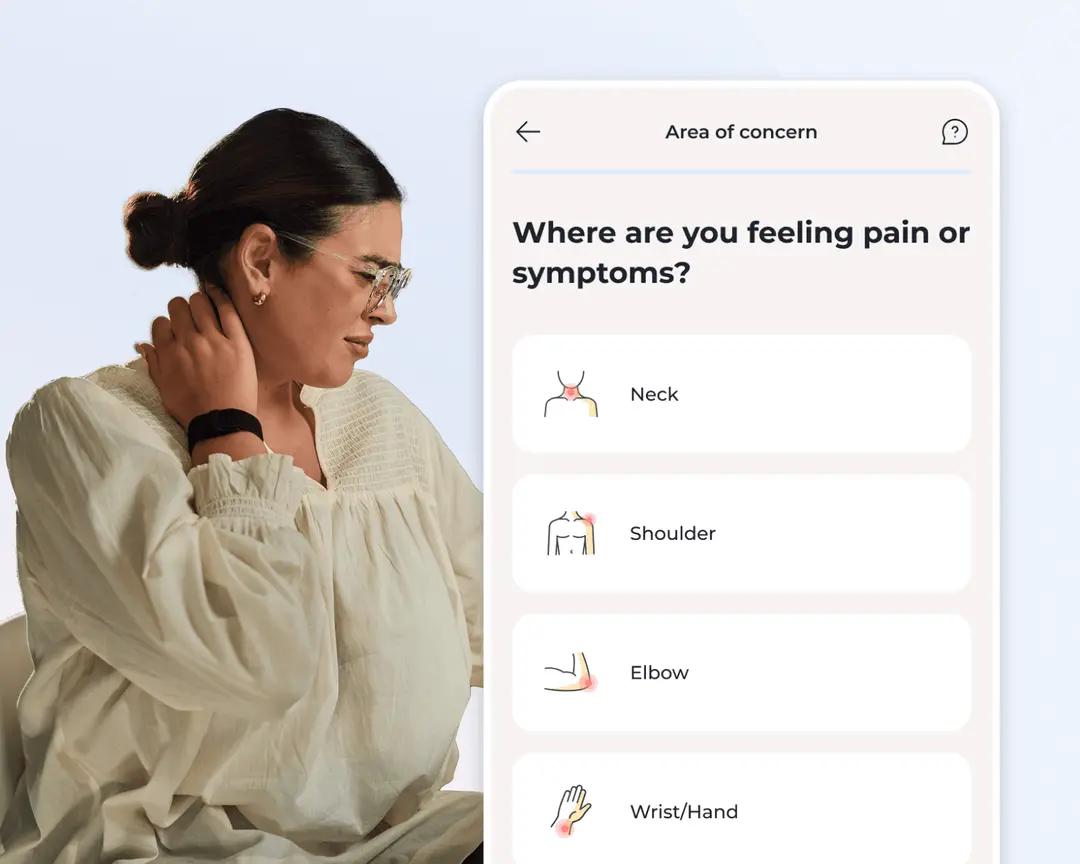
Expert care from home, built around your life
Get back control of your knee pain and stop avoiding stairs
Stair pain has a way of shrinking your world in small, stubborn ways. You take the lift instead of the stairs. You avoid hills. You start noticing every flight before you even reach it.
The right support can start reversing that. Sometimes the first shift is subtle: less pain on the first few steps, less hesitation, more trust in the knee. Then you stop bracing for the staircase every time you see one. Progress rarely arrives all at once, but it often begins when the knee feels less reactive and daily movement starts to feel more normal again.
Thrive makes recovery even easier than traditional physical therapy. You don't have to seek a referral, schedule an appointment, or travel to a busy clinic. That's why people complete Thrive’s guided recovery plans at higher rates than for traditional in-clinic care2.
- Thrive fits into your real life schedule so you can work on your personalized exercise plan at any time of the the day or night
- Your Pain Specialist adapts your plan to your goals, your progress, and your schedule
- The Phoenix AI Care Specialist checks in when pain flares on a Tuesday evening rather than waiting until your next scheduled appointment.
- Care adapts as you move through recovery to make sure your progress doesn't stall and you remain safe and informed at all times
If you are not sure whether Thrive is included in your health insurance plan, the eligibility check is the fastest way to find out. Check if you're eligible through your employer benefits plan (it takes less than two minutes).
About the author

Sword Editorial Team
Evidence-based healthcare insights