Check if Thrive is covered for you

The Sword Summary Warm-up
Don’t have time for the full workout? Here’s the quick version.
- Nighttime knee pain often comes down to inflammation, load, and how you're positioned while you sleep
- Sleep disruption from knee pain is common and research shows that 78% of people with lower limb conditions experience sleep disturbance¹
- Simple changes to sleep position, bed setup, and daytime habits can reduce nighttime discomfort
- Physical therapy can help, not just with symptom relief, but also to help you sleep better and move better without knee pain that restricts your movement
Why knee pain tends to flare up at night
You notice it first when you're trying to sleep. The knee ache that was manageable during the day suddenly feels worse when you lie down. You shift position and it helps for a while, but then the pain returns. By morning, you're exhausted and frustrated, knowing that they cycle will likely continue.
This pattern is common, but that doesn't make it normal and you don't have to accept nighttime knee pain and just suffer through it.
Nighttime knee pain usually comes down to three things working together:
- inflammation that peaks when you're not moving
- the way your leg sits when you're lying down
- the absence of the distraction that keeps you occupied during the day.
Sleeping can aggravate knee pain
When you move during the day, fluid circulates through the joint. At night, you stop moving. Fluid settles. Your attention narrows entirely to how your body feels and the knee pain is front and center.
Inflammation also behaves differently when you're not weight-bearing:
- During the day, gravity helps manage swelling.
- At night, when you're horizontal, fluid can accumulate around the joint.
This is especially true if you spent the day on your feet or if your knee has been through recent strain. A change in activity level, an old injury that flares periodically, or a condition like osteoarthritis that affects how the joint manages load can all contribute.
The position you're in matters too. Lying on your back with your leg straight can put the knee in a position that increases pressure on certain structures. Lying on your side can create compression. Even the small adjustments you make through the night (shifting from one side to the other, bending your knee in different ways) can either ease or intensify the discomfort.

4 sleep positions that help reduce knee discomfort
How you position your knee while you sleep matters more than you might think. Your body naturally finds positions that reduce pain, but sometimes those positions create other problems. A twisted spine, poor hip alignment, or strained muscles can all result in increased pain. The goal is to support your knee in a way that reduces pressure while keeping your overall alignment neutral.
1. Back sleeping with support
Lying on your back with a pillow or rolled towel under your knee keeps the knee in a gently bent position, which can reduce pressure on the joint. The key is making sure the support is under the knee itself, not pushing on the back of your knee or the thigh. If back sleeping doesn't feel natural for you, this might not be your solution. But if you can manage it, the knee usually feels better in this position.
2. Side sleeping with a pillow between your knees
Your top leg can rotate inward without support, which stresses the knee joint and creates discomfort. A pillow or firm cushion between your knees keeps your hips and knees aligned. Many people find a body pillow more comfortable than trying to keep a smaller pillow in place through the night. With proper support between your knees, the load distributes more evenly.
3. Avoiding the fetal position
Curling up tightly with your knees drawn toward your chest can feel protective, but it often increases pressure on the knee joint and makes pain worse. If you naturally curl up while sleeping, experimenting with a straighter position can help. Even if it feels less intuitive at first, relief often comes with a few nights of adjustment.
4. Elevating your leg slightly
A small elevation under your calf (not under the knee, but supporting the whole lower leg) helps reduce swelling that accumulates overnight, especially if your knee tends to be puffy in the morning. Elevation promotes drainage of fluid away from the joint, which can reduce both swelling and the pain that comes with it.
Practical steps that may reduce knee pain in the short term
Before sleep and throughout the day, there are straightforward changes that many people find reduce nighttime knee pain.
- Gentle movement before bed: Moving gently through your knee's range of motion. Slow, easy flexing and extending of your leg. This can help circulate fluid and ease stiffness. This is different from exercise. It's just moving the joint gently without resistance. Five to ten minutes of gentle motion before lying down can make a real difference in how the knee feels once you settle in.
- Activity throughout the day: It sounds counterintuitive when nighttime pain is the problem, but moderate activity during the day often reduces nighttime pain. Movement keeps the joint healthy, maintains muscle support around the knee, and can actually reduce inflammation. The key is finding the right amount. Enough movement to keep the joint healthy, but not so much that you stress the knee and trigger swelling. A physical therapist can help you find that balance.
- Compression: Wearing a compression sleeve or wrap during the day and through the night can help manage swelling and provide proprioceptive feedback (awareness of where your leg is in space). Some people find this reduces pain. Compression does not cure anything, but it can make discomfort more manageable while you're addressing the underlying issue.
- Weight management: The more load your knee carries, the harder it works, and the more likely it is to become inflamed. This is true regardless of your overall fitness. If your knee pain is new or worsening and your weight has shifted, even modest weight reduction often brings real relief.

Physical therapy can address the root cause of knee pain
When knee pain at night keeps coming back, the issue is often bigger than sleep position alone. The knee may be weak in certain ranges, stiff in others, or relying on movement patterns that keep the joint irritated by the end of the day.
That is where physical therapy can help. A professional clinician can assess what seems to be driving the pain, which movements can prompt a flare-up, and what kind of strength or mobility work might actually help rather than add to your pain.
For many people, that is the turning point. Instead of endlessly suffering through the discomfort, you get a clear understanding of the root cause of the issue, and a plan to recover for good.
How Thrive supports recovery from home
If knee pain at night is stopping you from getting a solid night's sleep, you need support. And physical therapy in a clinic 12 hours later is helpful, but you won’t be able to schedule an appointment at 2:37 am when you wake up with pain.
That is where Thrive’s AI physical therapy plans are so helpful, giving you 24/7 access to expert care from the comfort of home.
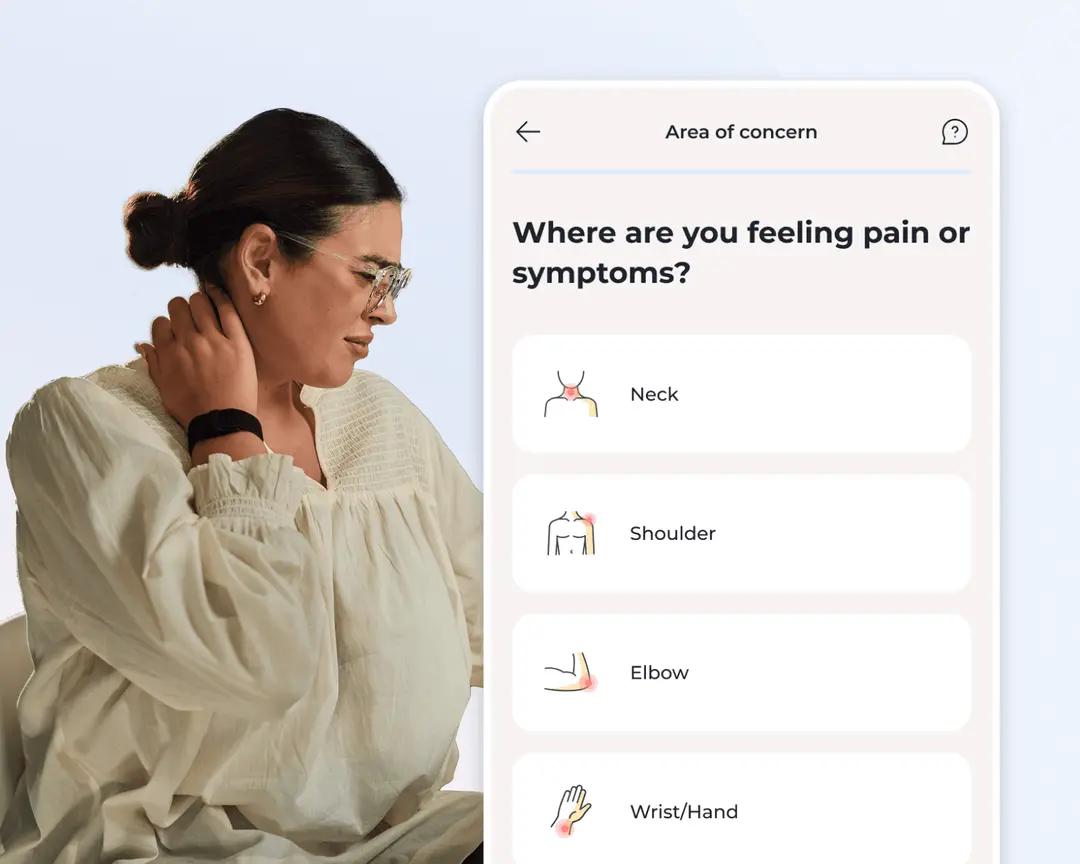
Sword Health’s Thrive is an AI physical therapy program that gives members access to a personalized care plan from the comfort of home. Thrive is accessible through the Sword app at any time or place, and it’s clinically proven to be effective in reducing pain for joint, and muscle pain.² ³
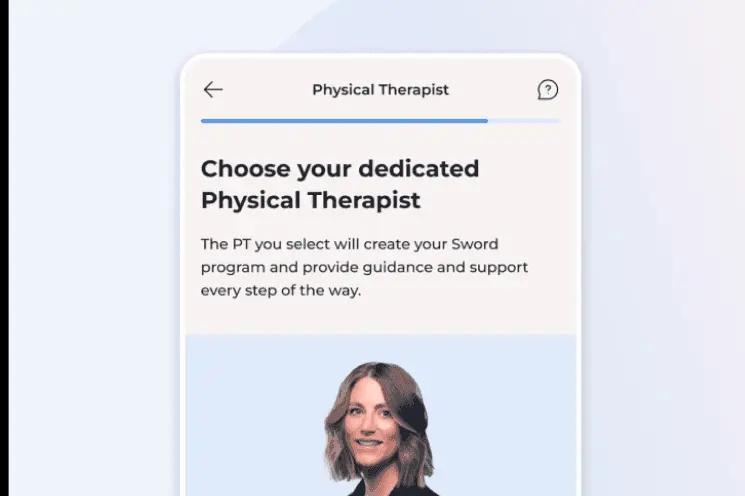
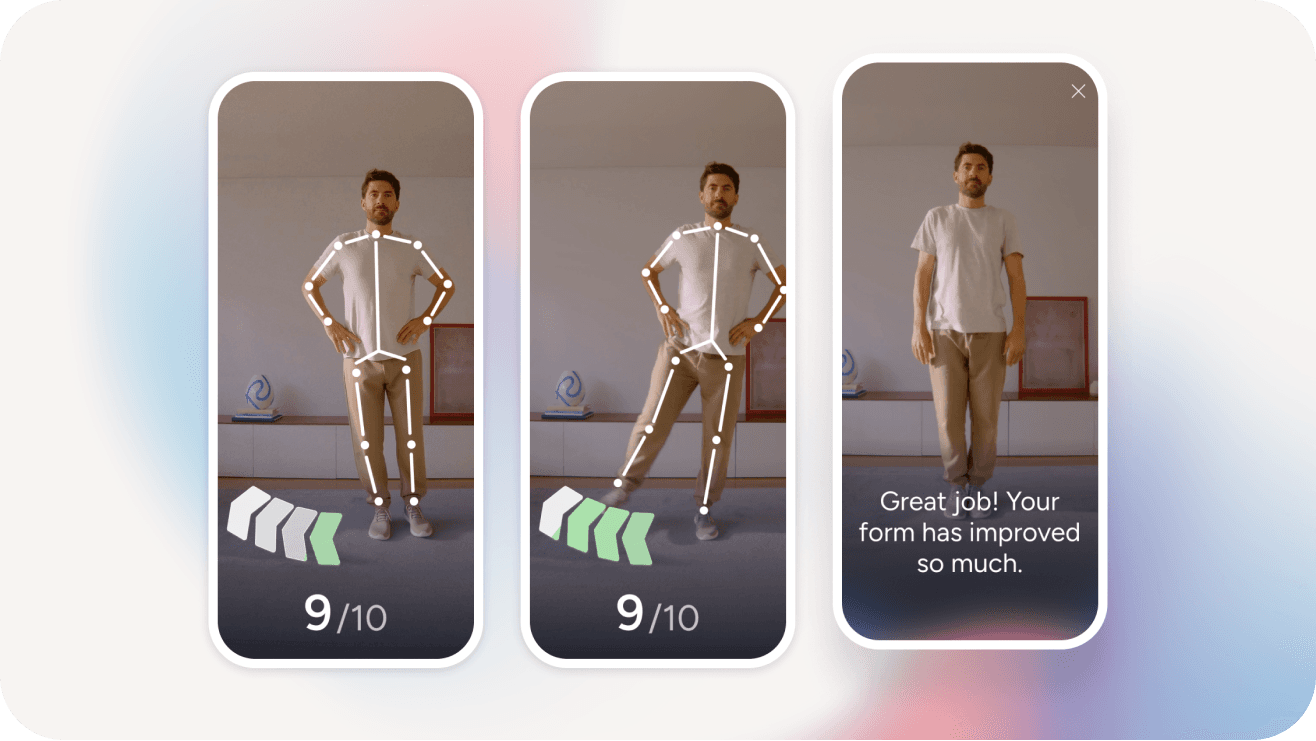
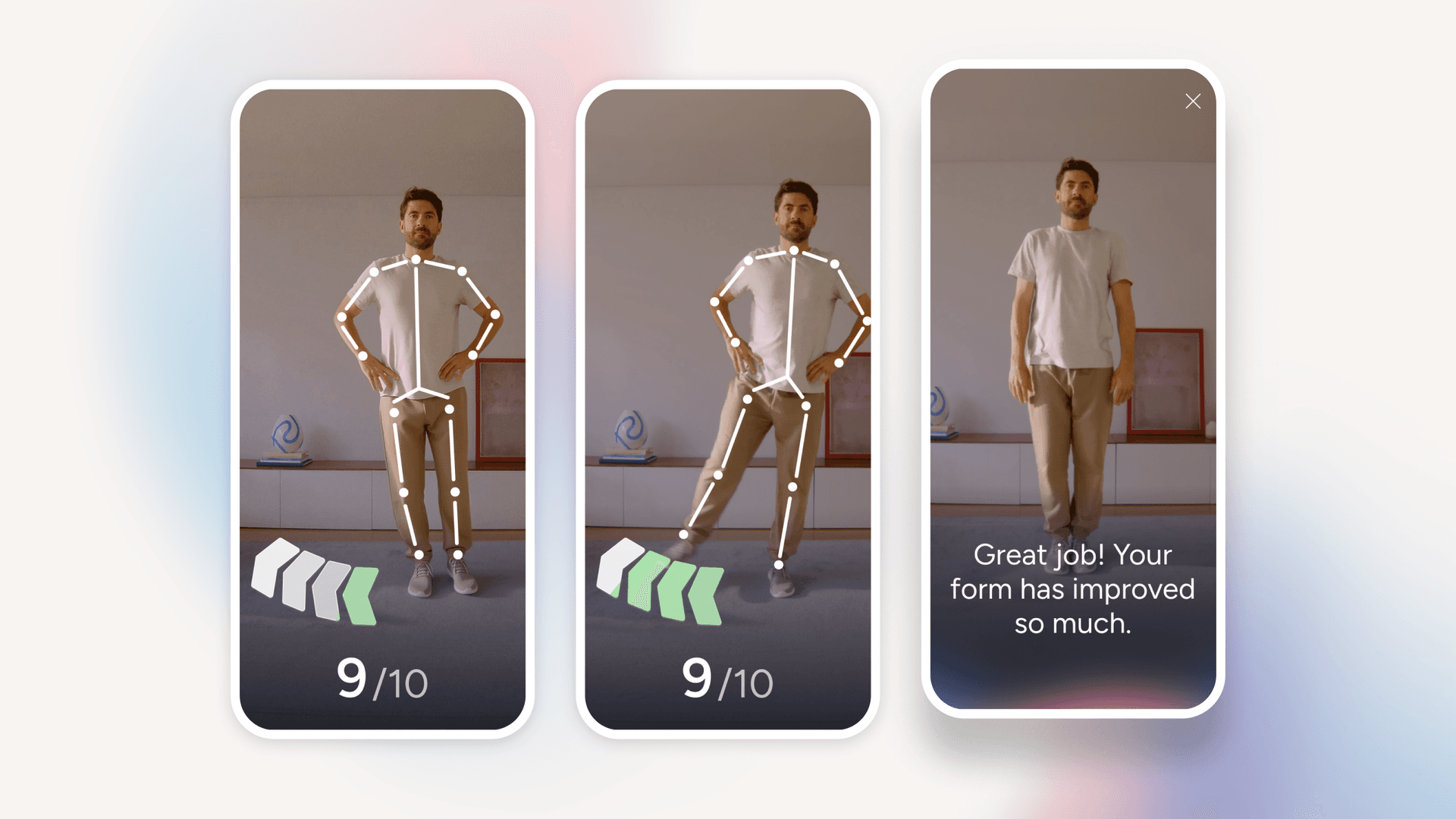
Members follow a personalized plan designed by a Pain Specialist who holds a Doctor of Physical Therapy and all sessions are delivered with Vision AI guidance via the Sword app. Thrive gives audio and visual direction with real-time form correction from Phoenix, Sword’s AI Care Specialist.
There is good evidence behind this approach. A study in people with chronic pain found that remote care helped people improve in function and symptoms at about the same rate, with no meaningful difference between the two groups.²
What to expect from Thrive
Expert care from home, built around your life
When nighttime knee pain needs more attention
Occasional knee pain at night that responds to position changes and improves with simple care is usually manageable on your own. But some patterns warrant professional assessment.
- Sleep is being disrupted. Seek assessment if your knee pain is affecting your sleep most nights and has been for more than a few weeks. Chronic poor sleep affects everything. Your pain tolerance, your immune function, your ability to recover from activity, and your mood.
- Signs of inflammation that don't improve. Swelling that does not go down with ice and elevation, warmth in the joint, or redness around the knee suggest inflammation that needs professional attention. These signs warrant assessment.
- Sharp or radiating pain. Sharp knee pain or pain that shoots and radiates down your leg points to possible nerve involvement or a specific injury that benefits from expert diagnosis.
- Sudden onset or worsening. If your knee pain at night started suddenly without an obvious cause, or if it's worsening over time despite your efforts to manage it, that's a signal to get it checked. Sometimes what feels like a simple pain pattern is actually pointing to something that benefits from physical therapy support early, before patterns become entrenched.
Get back control of your knee pain at night
Recovery looks different than you might expect. Not just less pain, but the ability to do things again. The walk that was uncomfortable becomes comfortable. The stairs that made you tense up become just stairs. Sleep comes easier because the knee pain that was waking you up at night is gone.
If your knee pain at night has been stealing your sleep, making you hesitant to move, or just wearing you down, it's worth a conversation with a physical therapist about what might actually help. If your employer benefits plan includes coverage for Thrive, getting started is fast and easy.
That's why people complete Thrive’s guided recovery plans at higher rates than for traditional in-clinic care.
- Thrive fits into your real life schedule so you can work on your personalized exercise plan at any time of the the day or night
- Your Pain Specialist adapts your plan to your goals, your progress, and your scheudle
- The Phoenix AI Care Specialist checks in when pain flares on a Tuesday evening rather than waiting until your next scheduled appointment.
- Care adapts as you move through recovery to make sure your progress doesn't stall and you remain safe and informed at all times
If you are not sure whether Thrive is included in your health insurance plan, the eligibility check is the fastest way to find out. Check if you're eligible through your employer benefits plan (it takes less than two minutes).
About the author

Sword Editorial Team
Evidence-based healthcare insights