The Sword summary warm-up
Menopause support is one of the clearest places to improve women’s health outcomes and workforce stability at the same time.
- Menopause symptoms are associated with measurable adverse work outcomes, including missed work, and published research has put a price tag on that impact.²
- This topic lands in peak-career years for many leaders, including management and executive roles that are expensive to backfill.³
- Practical adjustments and dedicated support can reduce friction without adding complexity to a benefits stack.⁴ ⁵
- The strongest programs make scope, measurement, and reporting clear, so finance and procurement can trust the ROI story.
More employers are recognizing the value of menopause benefits at work
Menopause benefits are increasing in popularity as more employers pay attention to the signs of a healthy, high-performing workforce in comparison with those instances when productivity and retention among elite female talent dips.
The indicators can be subtle, but they start toad up. A small pattern of calendar gaps. Last-minute schedule changes. A leader who quietly opts out of travel. A steady contributor who stops volunteering for high-visibility work. None of it comes labeled. Most of the time, it is filed under stress, burnout, or “life happening.”

Menopause benefits at work are gaining momentum because more employers are recognizing that this is not a niche issue. Menopause affects nearly 1 in 5 employees in today’s workforce, and symptoms can show up in attendance, performance variability, and avoidable healthcare use.¹
The shift is not just a moment in time or a moral consideration. When menopause support is designed to be measurable and easy to use, you can:
- Reduce avoidable healthcare use
- Protect productivity
- Lower missed or underproductive workdays² ⁶
- Support retention by helping experienced employees stay steady through a predictable life stage, rather than quietly stepping back when symptoms become harder to manage⁴
Use this guide to understand how to offer effective menopause benefits to your members and make dedicated support easier to access, easier to use, and easier to measure, so experienced people can keep performing without having to power through in silence.
Menopause benefits are now a financial and operational priority
A decade ago, menopause at work was discussed as culture. Today, it is increasingly discussed as performance risk you can manage.
- In a large cross-sectional study in Mayo Clinic Proceedings, 10.8% of participants reported missing work in the prior 12 months due to menopause symptoms
- The authors estimated an annual loss of $1.8 billion in the United States based on workdays missed.²
- The same study found higher odds of adverse work outcomes with greater symptom severity.²
This is reflective of the strong, data-backed signals across global workforces that demonstrate why benefits leaders need to treat menopause support like any other high-impact workforce health issue.
There is also a workforce timing reality here. In U.S. workforce data, the median age for management occupations is 46.5, and the median age for chief executives is 52.2.³ That overlaps with the years when menopause commonly occurs, which means the disruption tends to hit when roles are harder to replace and institutional knowledge matters most.
Impact of menopause
The numbers that change the menopause cost conversation
How leading employers build a menopause benefits offer
The most effective employers do not just “launch a menopause program” with a few engagement emails highlighting how to use existing general coverage for menopause issues. This doesn't overcome the access and utilization barriers that hold women back from seeking care.
Instead, you should build a specific support pathway that is discrete and easy to use without compromising work and family responsibilities.
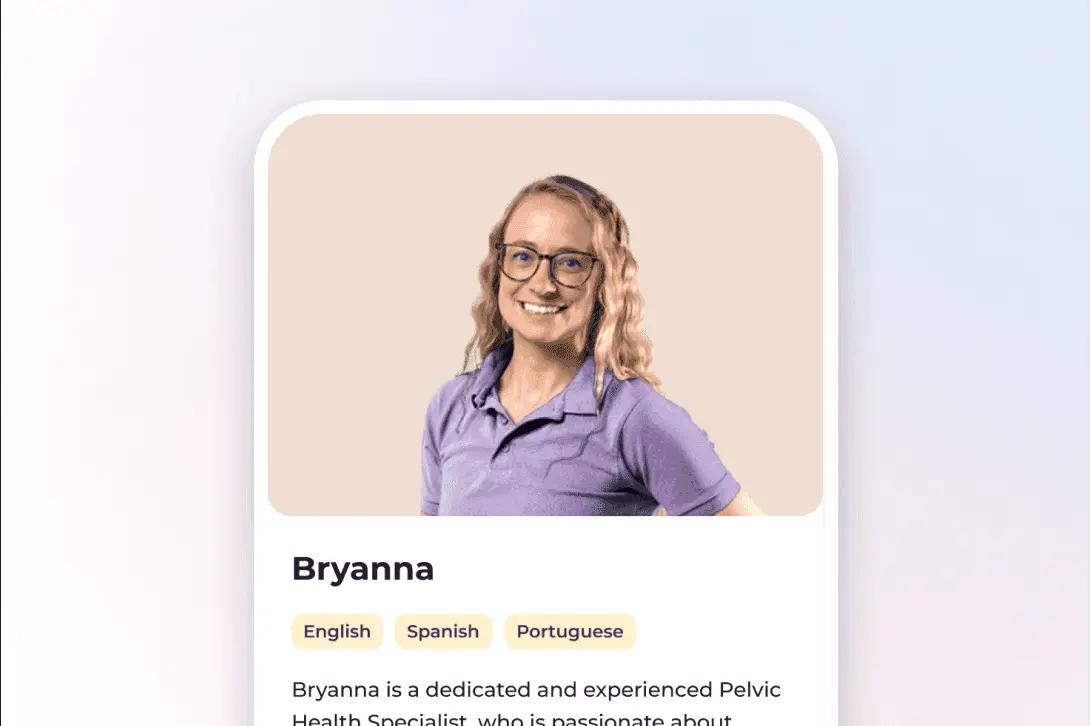
A women's health solution like Bloom is the ideal addition to your benefits offering. Bloom's AI Care model means women can access a personalized menopause care plan from the comfort of home at any tithat suits their schedule. Each member is matched with a dedicated women's health specialist that also holds a Doctor of Physical Therapy, so their progress and plan is guided with expert advice and support.
Make it easier to ask for support without forcing disclosure
Many employees do not want to explain intimate symptoms to a manager, and they should not have to.
Leading employers focus on access patterns that do not require a public moment:
- clear, plain-language benefits navigation
- private entry points that employees can use on their own time
- manager guidance that focuses on accommodations and support, without asking for personal health details⁴
This approach also improves equity. When support requires time, travel, and comfort disclosing sensitive issues to a stranger in an unfamiliar clinic environment, the benefit tends to reach only the employees with the most flexibility and resources.
Offer practical adjustments that reduce day-to-day friction
Employers often underestimate how much small changes can stabilize performance.
CIPD’s workplace research and guidance highlights the value of practical adjustments such as flexible working for employees dealing with symptom flare-ups and the ability to control temperature.⁴ ⁵
Those are not “special requests.” They are common-sense supports that help people stay present, steady, and productive.
Provide dedicated menopause care options that members actually use
This is where many menopause strategies fall short. Coverage alone does not create care. If support is difficult to access, hard to sustain, or feels uncomfortable, employees delay it. Symptoms continue. Utilization creeps up. Work impact compounds.
That is why leading employers are adding dedicated women’s health coverage that reduce the barriers to entry and make follow-through realistic.
How to evaluate menopause benefits with clarity
You need a few procurement-grade requirements that separate measurable outcomes from empty promises and good sales storytelling. Treat this as a checklist you can use to compare potential vendors.
1. Require scope clarity
Menopause is broad. A vendor should be able to explain, in plain language, what their program is designed to improve and what it is not.
When vendors claim ROI, ask what that ROI is actually based on. If the scope is vague, the outcomes will be too.
2. Require disciplined measurement
Look for outcomes that are:
- defined up front
- measured with a consistent cadence
- reported transparently with baselines and changes over time
A benefits leader should never have to guess what “improvement” means.
3. Require reporting that supports governance
Strong reporting should make it easier to run the benefit, not harder.
At minimum, you should be able to see:
- utilization and engagement trends
- outcomes change over time
- methodology notes that your finance team can follow
- segmentation that supports equity review without compromising privacy
4. Require contract mechanics that match the claims
If a vendor uses “value-based” language, ask what is enforceable in contract terms.
The goal is not to be skeptical for the sake of it. The goal is to avoid ambiguity, hidden fees, and outcomes claims you cannot defend later.
Bloom is the ideal menopause benefits option
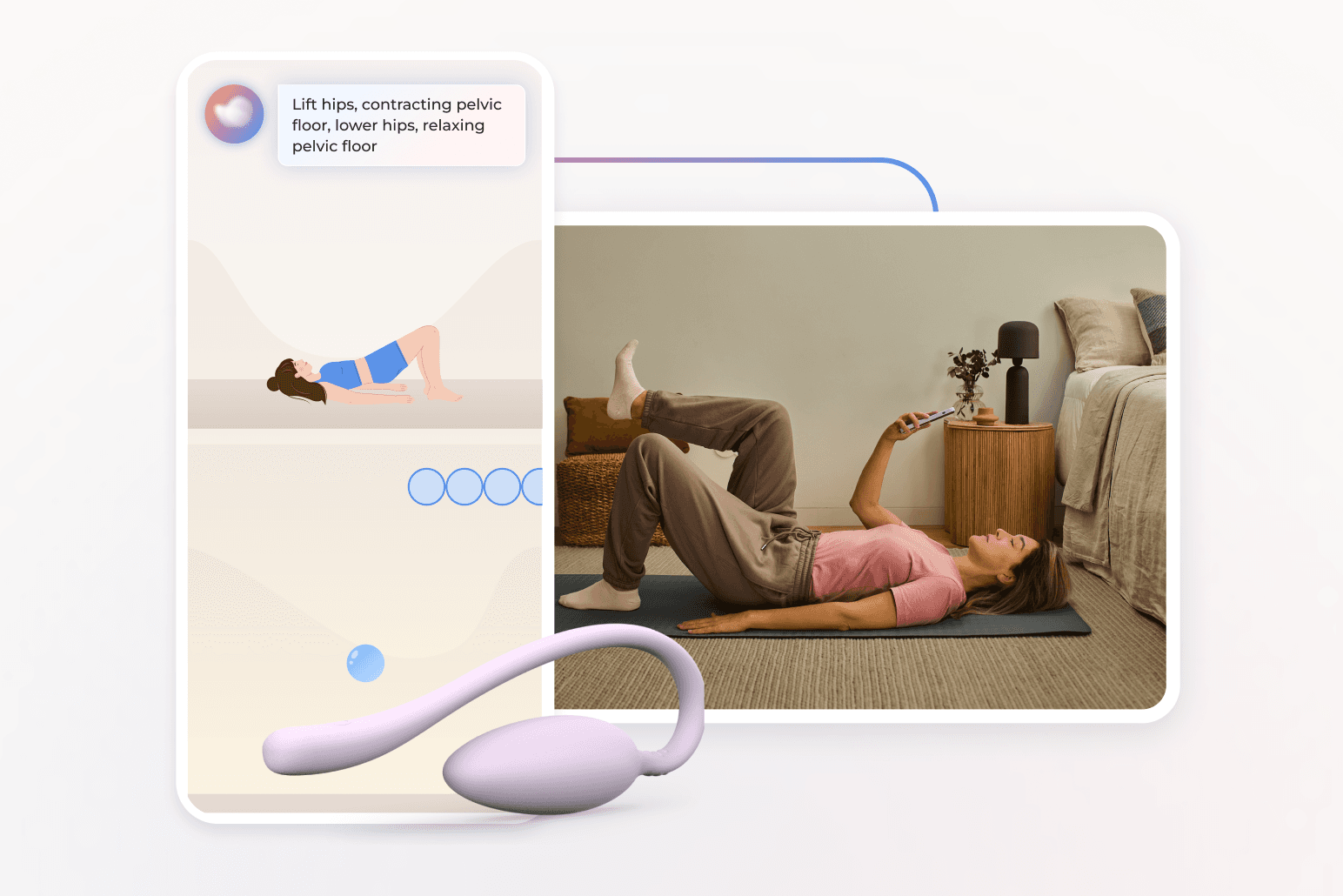
Many menopause symptoms deserve medical evaluation and treatment options through primary care and specialty care. A practical menopause benefits strategy also needs to address the symptom categories that quietly drive day-to-day disruption and downstream utilization.
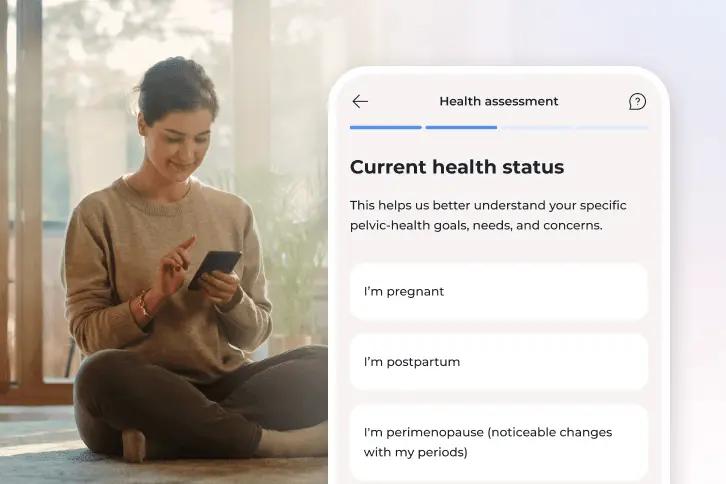
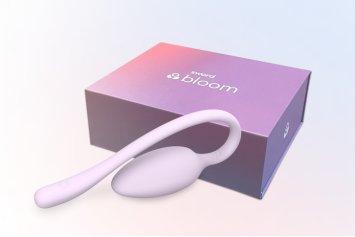
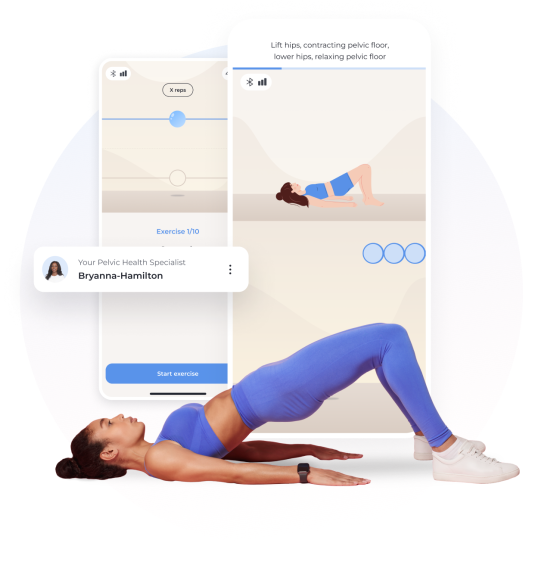
Bloom is a dedicated women's health AI Care program for people with vaginal anatomy, including specific support for menopause and postmenopause. Bloom is designed to be used from home on your schedule, with one-on-one clinical guidance from a Women’s Health Specialist holding a Doctor of Physical Therapy degree.¹
The 4-step Bloom member experience
This access-first design matters so much because pelvic symptoms can be both common and highly disruptive in daily life, yet the prospect of carving out time to visit a clinic and explaining private symptoms to a stranger prevents so many women from beginning (and adhering to) care. Bloom makes it so easy for women to address their symptoms on their own terms from the comfort and privacy of home.
Drive repeatable savings with Bloom's 2.9x ROI
Bloom’s ROI is validated based on pelvic care results, including lower downstream healthcare use.³ This makes it easier for benefits and plan teams to evaluate, track, and stand behind, while giving your female members a purpose-built benefit they can actually use without deprioritizing their family or work responsibilities.¹ ² ³
In Sword Health’s Bloom pelvic health ROI analysis, validated by Risk Strategies Consulting, you can see the impressive financial impact:
- $2,276 total healthcare savings per member per year with Bloom
- 2.9x gross ROI, validated by Risk Strategies Consulting
- $2.2K yearly direct cost savings per Bloom member³ ⁴
- Member-reported improvements including a 50% increase in productivity ⁴
For benefits leaders, this is the conversion from idea to decision: pelvic care can be measured, attributed, and contracted in a way that stands up to governance.
Build a menopause benefits you can measure and defend
Menopause benefits at work are not about adding another program. They are about reducing avoidable friction in a predictable life stage, and doing it in a way that finance can trust and employees will actually use.
The employers pulling ahead are doing three things consistently:
- make menopause healthcare support private and easy to access
- normalize reasonable workplace adjustments without overcomplicating policy
- select partners with clear scope, measurement discipline, and reporting that holds up under scrutiny² ⁴ ⁶
This is how you build an effective menopause-adjacent women’s health benefit without adding governance burden. Help the women in your organization bring their best self to work by giving them easy access to always-on, dedicated women's health support. You can expect increased productivity, reduced absenteeism, and sustained cost savings across your population. ³ ⁴
If you want to know more about how Bloom could fit into your employer benefits offering, set up a call with a Bloom expert. We can walk through Bloom's ROI methodology and the contract mechanics to show you how outcome-pricing works to tie your payments to measurable member health improvements.
About the author

Sword Editorial Team
Evidence-based healthcare insights