Check if Thrive is covered for you

The Sword Summary Warm-up
Don’t have time for the full workout? Here’s the quick version.
- Waking up with a stiff or sore neck is often caused by how your head and neck were positioned overnight, not automatically by something serious.¹ ²
- Gentle movement, heat, and better pillow support are often enough to settle a one-off flare.¹
- If neck pain keeps coming back, regularly disrupts sleep, or comes with numbness, weakness, or pins and needles, it is worth getting assessed.¹ ²
- Knowing the difference between “slept wrong” and “something’s actually wrong” helps you know when to seek help.
- Physical therapy can help you figure out why your neck keeps reacting this way and what may help it become less sensitive over time.
Can sleeping posture really cause neck pain?
Simply, yes, it can.
Your neck handles movement well. What it tends to like less is being held in one awkward position for hours. That is why a pillow that is too high, too flat, or poorly matched to the way you sleep can leave you waking up stiff and sore.
In many cases, this kind of neck pain is mechanical. The muscles and joints have been under strain, then they protest the moment you ask them to move again. It can feel dramatic when you first turn your head in bed, but simple neck pain after sleeping awkwardly is common and often improves within days or a few weeks.¹ ²

Why neck pain can feel worse first thing in the morning
The worst moment is often the first turn of the head. You wake up, try to look to one side, and it catches immediately. That does not usually mean the pain suddenly appeared at sunrise. More often, your neck has been still for hours, and the tissues around it have settled into one position. After hours of stillness, the muscles and joints around your neck can feel tight, guarded, and less ready to move. That first turn of the head is often when you notice it most.
The first movement asks them to do something they have not done all night. That is why the stiffness often eases once the day gets going. Blood flow improves as your muscles warm up and your neck starts to trust movement again. If the pain follows that pattern and gradually fades as you move, it is usually more consistent with irritation than injury.¹ ²
The pattern is often predictable:
- First hour out of bed: worst pain
- By midday: noticeably better
- 24 to 48 hours: often improving if you don't have another flare-up
How to reduce pain after waking up with a stiff neck
The first instinct is often to freeze and protect it. In practice, gentle movement tends to help more than complete stillness.
Slow turns from side to side, a small chin tuck toward the chest, or a gentle tilt toward each shoulder can help your neck loosen without forcing it. The aim is not to stretch aggressively. It is to remind the neck that movement is still safe. Heat can help too. A warm shower, heat pack, or warm towel around the neck and shoulders may relax tight muscles and make early movement easier.¹
Simple tactics to manage neck pain after waking
- Move your neck gently within a comfortable range.
- Use heat for 10 to 15 minutes.
- Check whether your pillow supports your head without pushing it too high or letting it drop too low.
- Avoid sleeping on your front if that position seems to trigger the problem.¹
If the pain is already easing by later in the day, that is a reassuring sign.
Your pillow can make things better or worse
Your pillow is not a small detail if you keep waking with neck pain. It sets the position your neck has to live in for hours. If the pillow is too high, the neck may spend the night bent to one side or slightly flexed forward. If it is too flat, your head may drop and leave the neck without enough support. For many people, the sweet spot is simple: a pillow that keeps the head level with the rest of the spine rather than sharply tilted up or down.¹
This is one reason neck pain can feel oddly predictable. If you keep waking with pain on the same side, or only after sleeping a certain way, your pillow and sleep position are worth a closer look.

Physical therapy can help to manage and reduce persistent neck pain
When neck pain becomes a pattern, the real issue is often not the night itself. Sleep just exposes a neck that is already being asked to handle more than it can comfortably manage.
That is where physical therapy can help. A professional clinician can assess what seems to be driving the pain, how your neck moves, where it feels restricted, whether certain muscles are overworking, and what daytime habits may be feeding the problem. For many people, that is the first time the pain starts to make sense.
Instead of guessing between random stretches, a better pillow, or simply hoping it goes away, you get a clearer picture of what your neck is reacting to and what may help calm it down.
How Thrive supports recovery from home
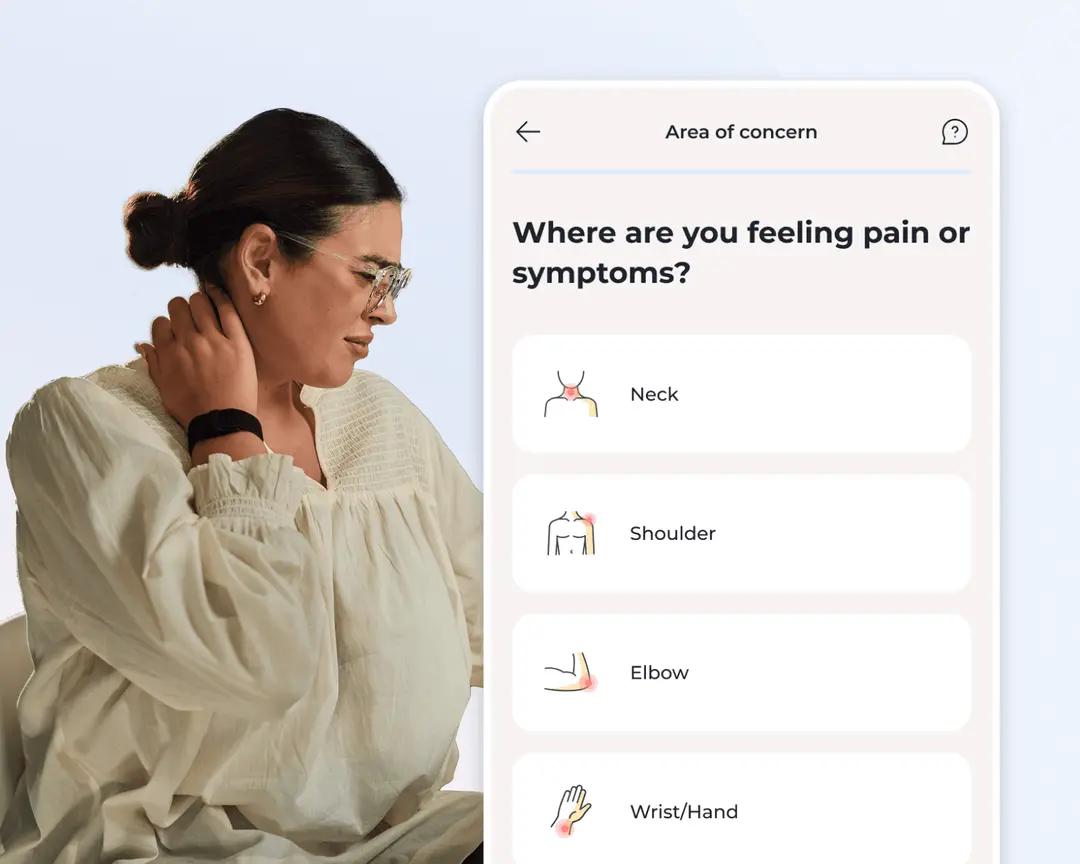
If neck pain keeps interrupting sleep or showing up again and again, support has to fit real life. That is where Thrive’s AI physical therapy plans are so helpful, giving you 24/7 access to expert care from the comfort of home.
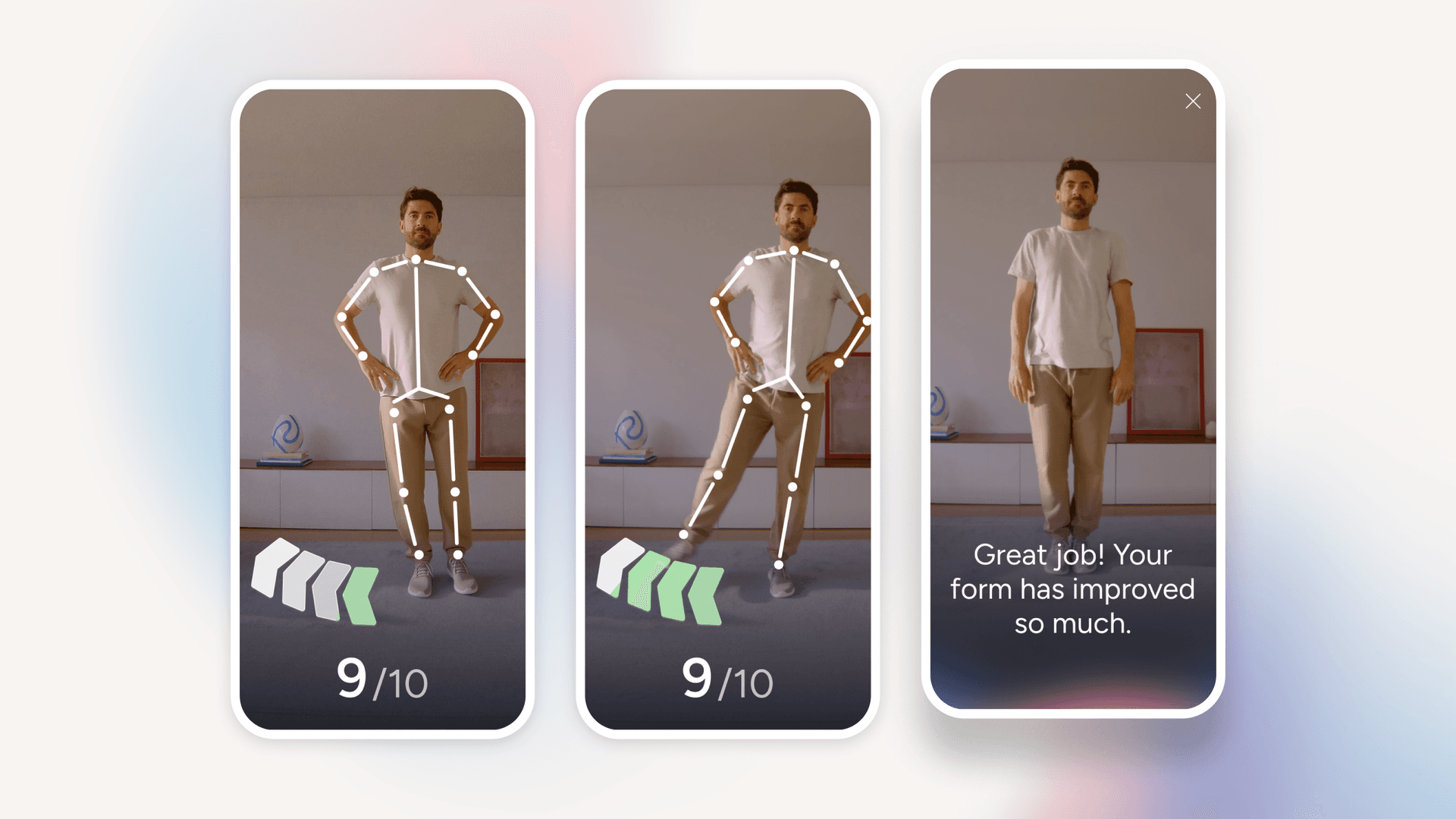
Sword Health’s Thrive is an AI physical therapy program that gives members access to a personalized care plan from the comfort of home. Thrive is accessible through the Sword app at any time or place, and it’s clinically proven to be effective in reducing pain for joint, and muscle pain.² ³
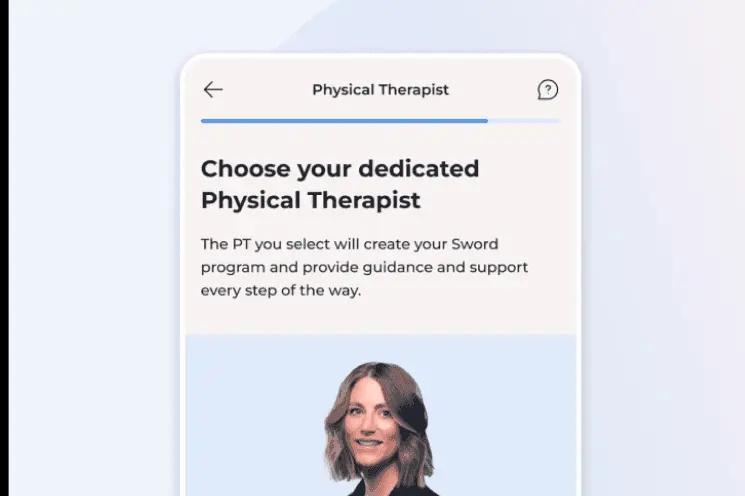
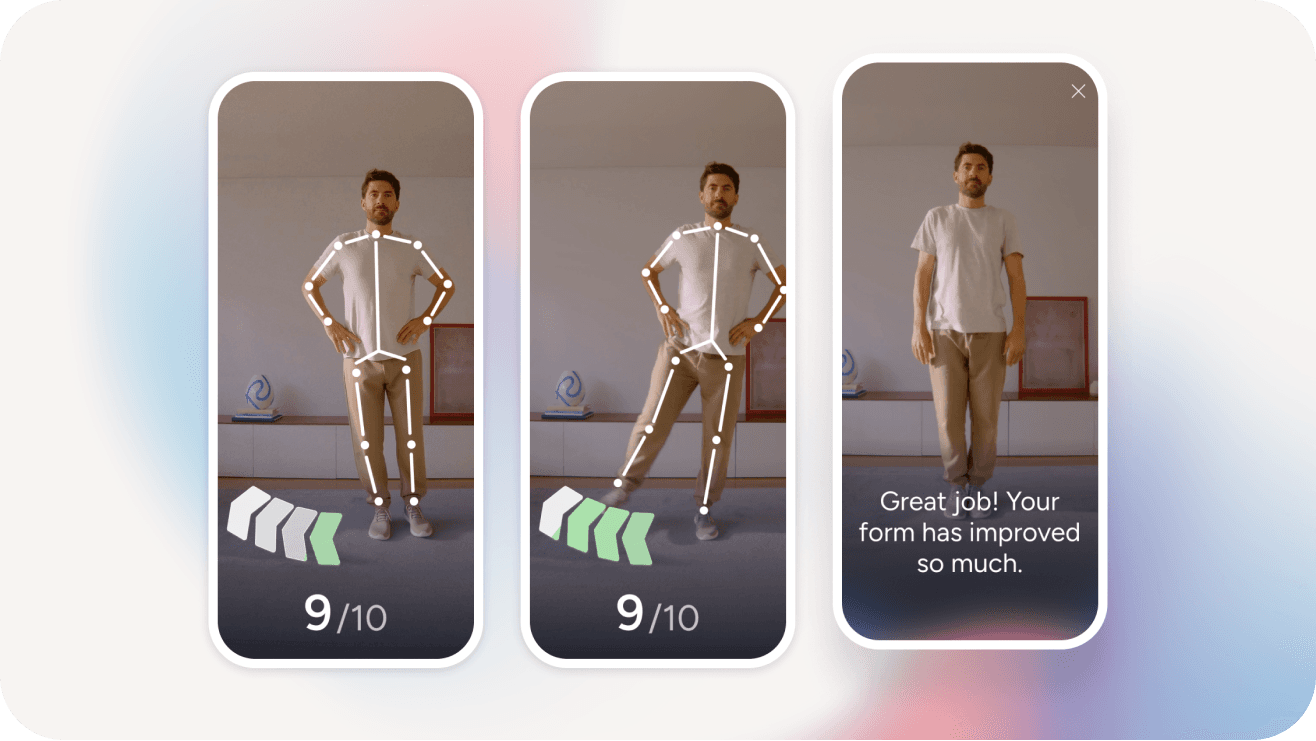
Thrive is accessible through the Sword app at any time or place. Members follow a personalized plan designed by a Pain Specialist who holds a Doctorate in physical therapy, with sessions delivered with Vision AI guidance via the Sword app. Thrive gives audio and visual direction with real-time form correction from Phoenix, Sword’s AI Care Specialist. The aim is to make guided recovery easier to access and easier to stick with between the moments when pain tends to flare.³
There is good evidence behind this approach. A study in people with chronic pain found that remote care helped people improve in function and symptoms at about the same rate, with no meaningful difference between the two groups.²
What to expect from Thrive
Expert care from home, built around your life
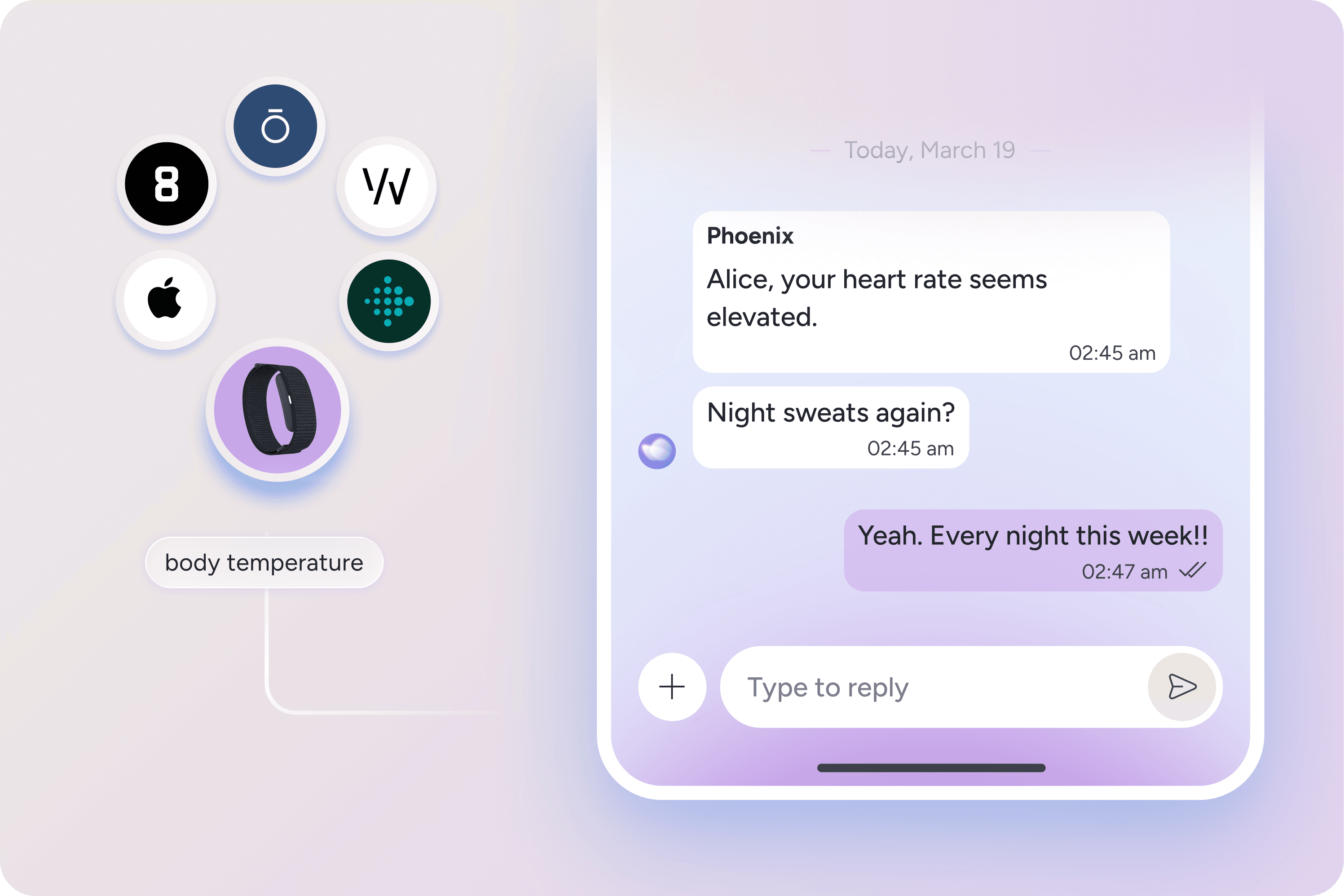
Thrive makes ongoing support feel more workable for people whose pain has started to become a pattern rather than a one-off bad night. Between sessions, Phoenix, Sword’s AI Care Specialist, is available when questions arise, when you are unsure whether to push through a stiff morning or rest, when pain flares unexpectedly, or when you are wondering whether you are doing your exercises correctly. Care adapts as your condition changes so you are not locked into a fixed programme that stopped fitting weeks ago.³
When neck pain after sleeping needs more serious attention
A one-off stiff neck after an awkward night is common. A neck that keeps doing this is a different story.
If pain keeps returning, wakes you regularly, or lingers beyond a few days without much change, it may be pointing to something bigger than a bad pillow. Daytime posture, muscle weakness, previous injury, or a neck that has become more sensitive over time can all make night feel worse. It is also worth paying attention to symptoms that do not fit the usual “slept wrong” pattern.
- Pins and needles, numbness
- arm weakness
- pain that shoots down the arm can suggest nerve involvement and deserve medical review.¹ ²
- if the pain follows a fall, crash, or other trauma
- any fever, chest pain, or other symptoms that do not feel like a simple muscular problem.¹ ²
If it is not urgent but the neck pain keeps coming back, physical therapy can help sort out why the problem is repeating instead of resolving.
Get back control of your neck pain for a better night's sleep
A stiff neck can seem small until it starts shaping your mornings, your sleep, and how confidently you move through the day. Then it becomes more than an inconvenience. It becomes something you work around.
The right support can start reversing that pattern. Sometimes the first sign is simply waking up with less guarding. Then movement feels easier. Then the fear of “sleeping wrong again” starts to fade. If your employer benefits plan includes coverage for Thrive, getting started is fast and easy. All you need is the Sword app and you can work on your personalized care plan at any time of the day or night. That's why people complete Thrive’s guided recovery plans at higher rates than for traditional in-clinic care.
- Your Pain Specialist adapts your plan to your goals, your progress, and your schedule
- You can ask questions and get clinically-informed responses in real-time
- The Phoenix AI Care Specialist checks in when pain flares on a Tuesday evening rather than waiting until your next scheduled appointment.
- Care adapts as you move through recovery to make sure your progress doesn't stall and you remain safe and informed at all times
If you are not sure whether Thrive is included in your health insurance plan, the eligibility check is the fastest way to find out. Check if you're eligible through your employer benefits plan (it takes less than two minutes).
About the author

Sword Editorial Team
Evidence-based healthcare insights