The Sword summary warm-up
Don’t have time for the full workout? We’ve got you covered with a quick, high-intensity session. Here are the key takeaways:
- Hip discomfort is common during menopause because declining estrogen affects collagen, joint lubrication, and muscle balance¹².
- These changes are normal and manageable, and many women find meaningful relief with steady movement, supportive habits, and guided musculoskeletal care.
- Bloom offers expert women's health care plans to help women through every life stage
- Bloom has dedicated menopause support that helps women improve strength, flexibility, and comfort through personalized programs available anywhere, anytime, often at no cost through your health plan.
You don’t have to keep managing this on your own
Why does hip pain become more noticeable during menopause?
Many women begin to feel new sensations around their hips during menopause, such as stiffness in the morning, soreness after sitting, or a deep ache after walking. These changes can feel unsettling, especially if movement once felt easy and predictable.
Menopause affects several parts of the body, including the tissues that support your joints. Estrogen helps maintain collagen, fiber elasticity, and the natural lubrication your joints rely on to move comfortably¹. When estrogen levels fluctuate and then decrease, those tissues can feel less flexible and more sensitive, especially during movements that require stability, like standing up from a chair or walking briskly.
These changes do not mean your joints are deteriorating. They indicate that your tissues are adapting to a new hormonal environment. Once you understand this connection, hip discomfort becomes easier to navigate, and you can begin to take steps that support lasting comfort.
What changes in the body can cause hip discomfort in menopause?
Hip discomfort often has more than one cause during menopause. Hormonal changes, muscle imbalances, and lifestyle factors all play a role. Understanding these influences can help you make sense of your symptoms. Some of the most common changes include:
- less collagen and flexibility in the tissues supporting your hip²
- changes in natural joint lubrication that make movement feel stiff
- slower muscle recovery after activity
- mild increases in inflammation that can make hips feel tender after rest or movement²
- uneven muscle strength or tightness that shifts pressure onto the joint³
These changes are reversible. With movement, balanced strength, and supportive habits, most women feel improvement within weeks.
How muscle balance and pelvic support affect hip comfort
Your hips are part of a connected system that includes your core, your back, your glutes, and the pelvic floor. When these muscles work together, they help stabilize your hips and keep movement comfortable.
During menopause, these muscles can weaken, tighten, or work less efficiently, especially if you spend long hours sitting³. This can increase pressure on the hip joints and the tissues around them, which can make everyday movements feel more difficult.
Strengthening and rebalancing these muscles helps support the hips. Many women notice significant relief once the core, glutes, and pelvic floor begin working together again.
How to tell if hip discomfort is related to menopause
Because hip discomfort can come from many sources, noticing patterns can help you understand what your body may be communicating. Your symptoms may be related to menopause if you notice:
- stiffness that improves with gentle movement
- aching on both sides rather than one
- discomfort that appears alongside menopause symptoms like sleep changes
- soreness after long periods of sitting
If pain is sharp, constant, or focused on one side, especially if it interferes with walking or rest, check with a clinician to rule out bursitis, arthritis, or injury⁵.
Everyday factors that can worsen hip stiffness
It helps to understand how lifestyle factors influence hip comfort. These patterns are common, especially during midlife when responsibilities and routines may limit movement.
Long periods of sitting can shorten the hip flexors and reduce activation of the glutes and core, which places more strain on the hips. Lower daily activity levels can weaken supporting muscles, and poor posture can shift pressure onto the joint.
The encouraging part is that these patterns can be changed. Even small posture adjustments, mobility breaks, and gentle stretching throughout the day can help restore comfort and reduce strain.
How to relieve and prevent hip discomfort during menopause
Menopause-related hip discomfort often improves with consistent, gentle habits. You do not need high-intensity workouts for relief. Your hip tissues respond well to steady, supportive movement.
Before exploring these strategies, remember that hip discomfort is often a signal that tissues need movement, nourishment, and balanced support. These suggestions are starting points you can adapt to your daily routine.
1. Keep your hips moving throughout the day
Movement helps lubricate joints, increase circulation, and ease stiffness. Walking, gentle stretching, or mobility routines can help your hips feel smoother and more flexible. Even 10 minutes of gentle movement can make a difference⁶.
2. Strengthen the muscles that support your hips
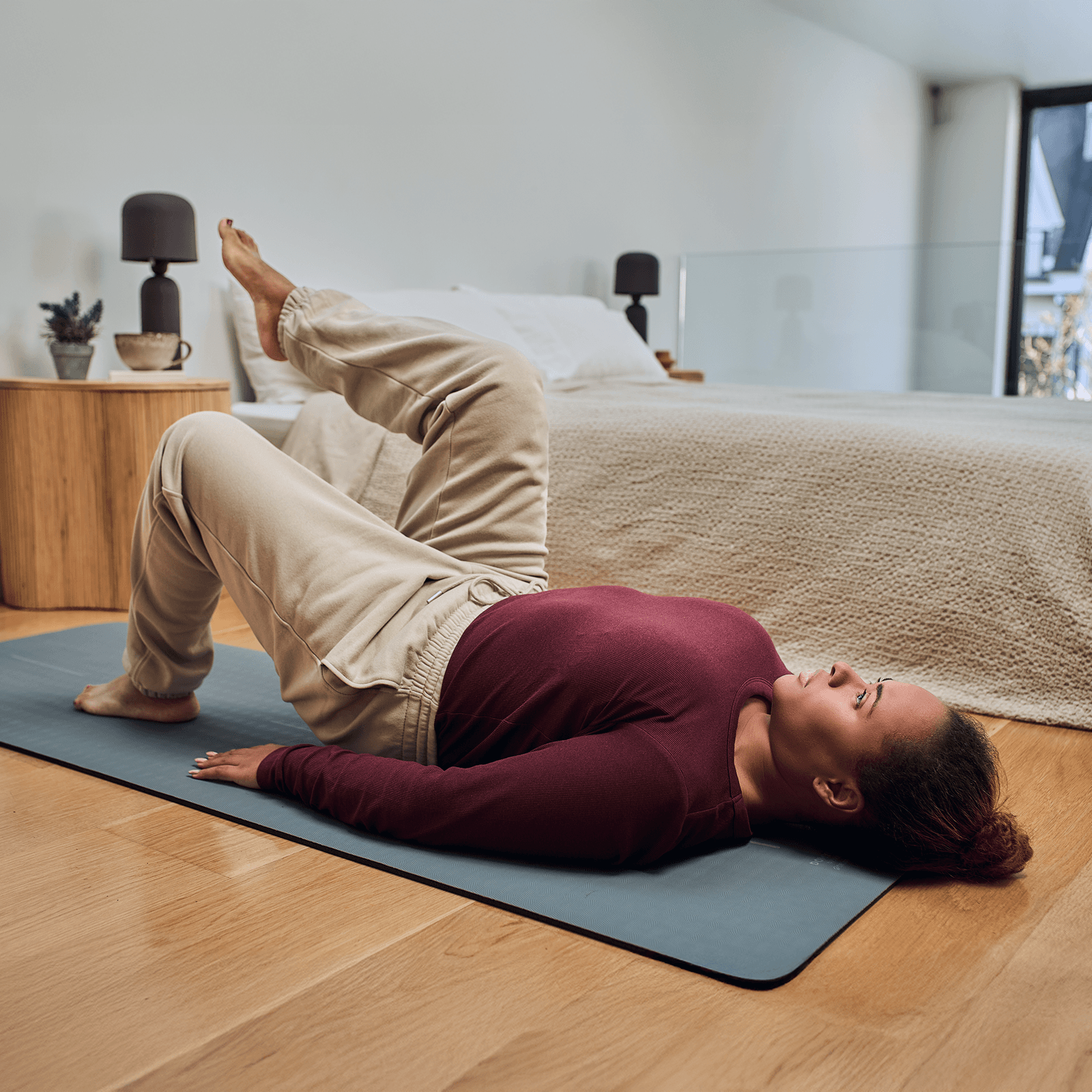
Strong glutes, core, and pelvic floor muscles help stabilize your hips and reduce strain³. Simple exercises such as bridges, wall sits, or side-lying leg lifts can help rebuild strength. If you want more personalized support, Bloom offers women’s health care from home with guidance that can help you better understand how pelvic, core, and whole-body changes may affect comfort during menopause.
3. Support your tissues with nourishing foods and hydration
Anti-inflammatory foods can help reduce stiffness. Omega 3-rich foods such as salmon or walnuts support tissue comfort⁷. Calcium and vitamin D help maintain bone strength, and magnesium supports muscle relaxation. Staying hydrated helps keep tissues elastic and reduces tightness⁸.
4. Protect recovery and reduce daily stress
Sleep is essential for tissue repair. Hormonal changes can influence inflammation and pain sensitivity, so good rest supports comfort⁹. Short relaxation routines such as breathing exercises, light yoga, or bedtime stretching can help your hips feel calmer.
How Bloom supports women through menopause
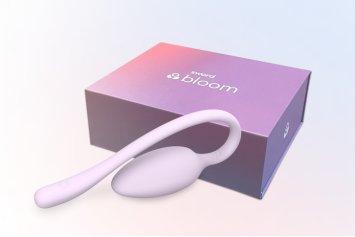
Bloom is a digital women’s health solution that supports women through every stage of life, including menopause. It offers personalized pelvic care from home, with one-on-one clinical guidance from a Women’s Health Specialist holding a Doctor of Physical Therapy degree.
For hip discomfort during menopause, Bloom is helpful because the hips do not work alone. They are closely connected to the pelvis, core, glutes, and pelvic floor. When those muscles and tissues change during menopause, everyday movement can feel less stable or less comfortable.
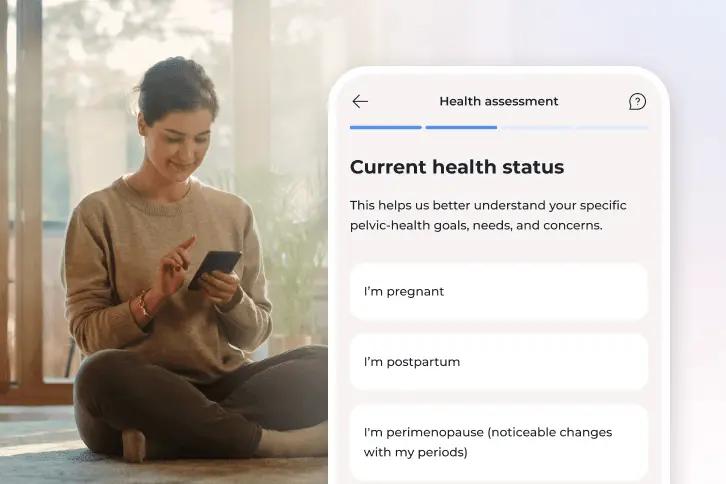
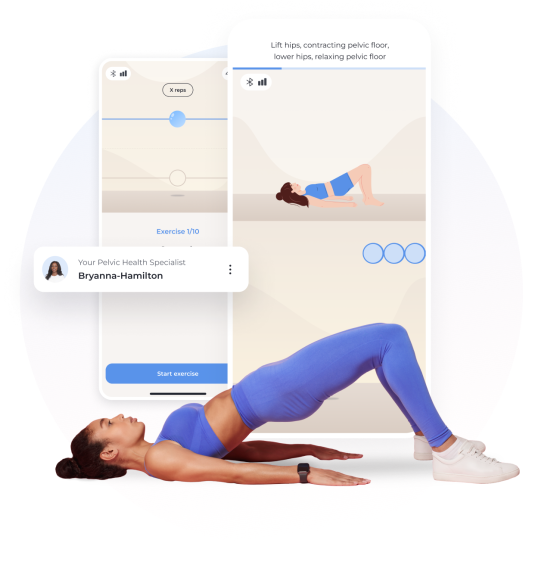
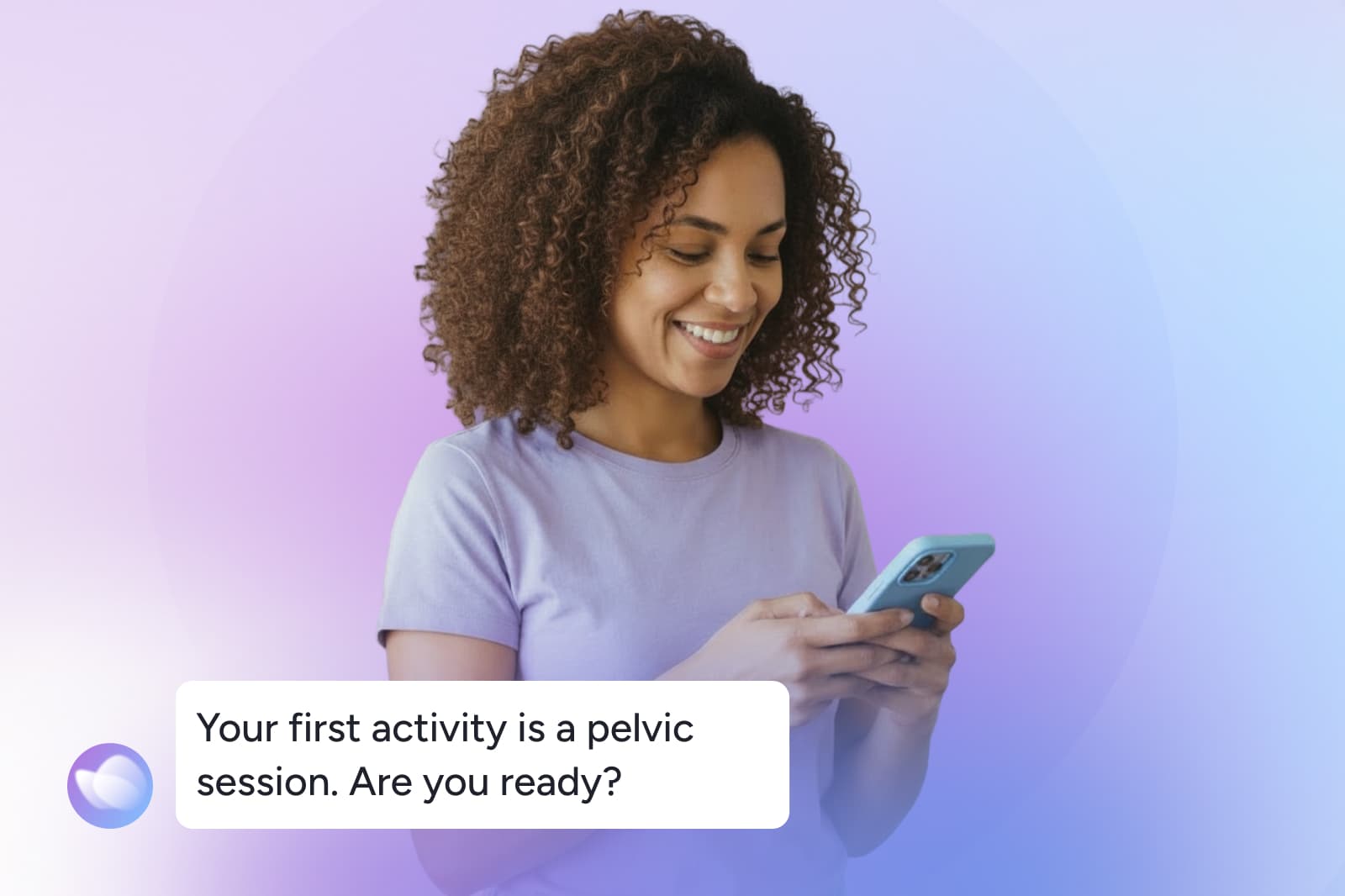
With Bloom, members receive support that is tailored to their symptoms, goals, and progress. That may include pelvic and core-focused guidance, education, and personalized sessions in the Sword Health app.
Bloom does not diagnose or treat hip pain or other medical conditions. Instead, it helps members build awareness, confidence, and support for the pelvic and core changes that may influence how the body feels during menopause.
What to expect from Bloom
How Bloom supports you, step by step
Bloom offers discrete, private care that you can access 24/7
Menopause symptoms rarely happen in isolation. Hip discomfort may sit alongside changes in sleep, bladder habits, pelvic pressure, bowel comfort, or core strength. Bloom gives women a private way to get support for those overlapping changes from home.
Among women using Bloom for menopause-related concerns, 65% reported improvement in how symptoms affected daily life, 56% experienced improvements in productivity and daily function, and 67% reduced their intention to seek additional healthcare interventions.
Take your next step with Bloom
Hip discomfort during menopause can feel frustrating, especially when it affects sitting, walking, exercise, or sleep. But it can also be a sign that your body needs more personalized support.
Bloom helps women in menopause access private, personalized women’s health care from home. With guidance from a Women’s Health Specialist and a program tailored to your symptoms and goals, you can take the next step with more clarity and confidence.
Many employers and health plans offer Bloom as a covered benefit. Check your eligibility (it only takes a moment), and you might already have coverage in your plan at $0 cost to you.
About the author

Sword Editorial Team
Evidence-based healthcare insights