Check if Thrive is covered for you

The Sword Summary Warm-up
Don’t have time for the full workout? Here’s the quick version.
- Shoulder pain at night often comes down to pressure, position, and stillness, not automatically to a serious injury.
- Side sleeping can make an already-irritated shoulder feel worse by loading the joint for hours at a time.
- Small changes like back sleeping, better pillow support, or supporting the arm can ease pressure quickly.
- If shoulder pain keeps waking you or does not improve after a week or two of simple changes, it is worth getting it assessed.
Why shoulder pain feels worse at night
Shoulder pain has a frustrating rhythm for many people. During the day, it may stay in the background. Then bedtime arrives, you finally settle, and the ache becomes impossible to ignore.
Part of that comes down to stillness. In the daytime, your shoulder is always making small adjustments. You reach, shift, swing your arms when you walk, and change posture without thinking. At night, those constant corrections disappear. The same irritated tissues stay under pressure for much longer.
That is often why the pain feels sharper once the room goes quiet. You are not imagining it, and it does not necessarily mean something new has happened. Rest simply gives an already-sensitive shoulder fewer ways to escape the position that is bothering it. Sleep disturbance is also commonly reported in shoulder conditions, especially rotator cuff problems.
Why side sleeping can aggravate shoulder pain

Side sleeping is one of the most common reasons shoulder pain suddenly feels worse at night. When you lie on your side, the shoulder is caught between your body weight and the mattress for hours. If the joint is already irritated, that pressure can be enough to stir it up.
The arm position often adds to the problem. Many people sleep with the top arm drifting forward or the lower shoulder tucked awkwardly underneath them. Over time, that can leave the front or side of the shoulder feeling pinched, compressed, or achy by early morning.
That does not mean side sleeping caused the pain in the first place. More often, it exposes a shoulder that is already struggling with irritation, weakness, stiffness, or overload.
Best sleeping positions for shoulder pain
The goal is not to find one magical position. It is to give the shoulder more space and less pressure.
- Back sleeping with arm support: Back sleeping usually gives the shoulder the most room to rest. The joint is not being compressed against the mattress, and the arm can stay in a more neutral position. Some people feel even better with a small pillow or rolled towel under the forearm on the sore side. That light support can stop the shoulder from being pulled into a position it does not like.
- Side sleeping with the arm supported: If you are not going to stay on your back, side sleeping can still be made more comfortable. The biggest change is to support the top arm on a pillow so it does not hang forward and drag on the shoulder. If the sore shoulder is the one underneath you, that position is more likely to keep the pain going. In many cases, sleeping on the other side with the painful arm supported is a better option while things settle.
- Pillow height matters too: A pillow that is too high or too low can tilt the neck and upper shoulder into a strained position for hours. The best pillow height is usually the one that keeps your head and neck in line with the rest of your spine rather than nudging the shoulder upward toward your ear.
Small changes that may help reduce shoulder pain at night
Before you assume you need treatment, start with the simplest adjustments. They are easy to test and often surprisingly useful.
Try these changes for a week
- Sleep on your back if you can, even for part of the night.
- If you sleep on your side, support the top arm with a pillow.
- Avoid lying directly on the painful shoulder.
- Check whether your pillow keeps your neck and shoulder relaxed rather than tilted.
- If mornings are especially stiff, move the shoulder gently before getting out of bed.
These are not permanent rules. Think of them as experiments. When one helps, it tells you something useful about how your shoulder responds to pressure and support.
Common reasons shoulder pain shows up at night
Nighttime shoulder pain often clusters around a few common patterns.
- Rotator cuff irritation is one of the big ones. The rotator cuff helps control and steady the shoulder joint, and when those tendons are irritated, nighttime pain is common.
- Frozen shoulder can also produce strong night pain, especially early on, when stiffness and inflammation are building. Arthritis may create a more persistent ache that feels worse after a busy day. Sometimes the pain is not coming mainly from the shoulder at all.
- Neck irritation can refer pain into the shoulder and become more noticeable when you lie still.
You do not need to diagnose yourself from bed. The point is simpler than that. Nighttime shoulder pain is common, and it does not all point to the same thing. What matters most at first is whether the pattern is easing with smarter positioning or continuing despite it.
Physical therapy can address the root cause of shoulder pain
When shoulder pain at night keeps coming back, the issue is often bigger than sleep position alone. The shoulder may be weak in certain ranges, stiff in others, or relying on movement patterns that keep the joint irritated by the end of the day.
That is where physical therapy can help. A physical therapist can assess what seems to be driving the pain, which movements are aggravating it, and what kind of strength or mobility work might actually help rather than inflame it further.
For many people, that is the turning point. Instead of endlessly changing pillows and hoping for a better night, they finally understand what the shoulder is reacting to and how to calm it down.
How Thrive supports recovery from home
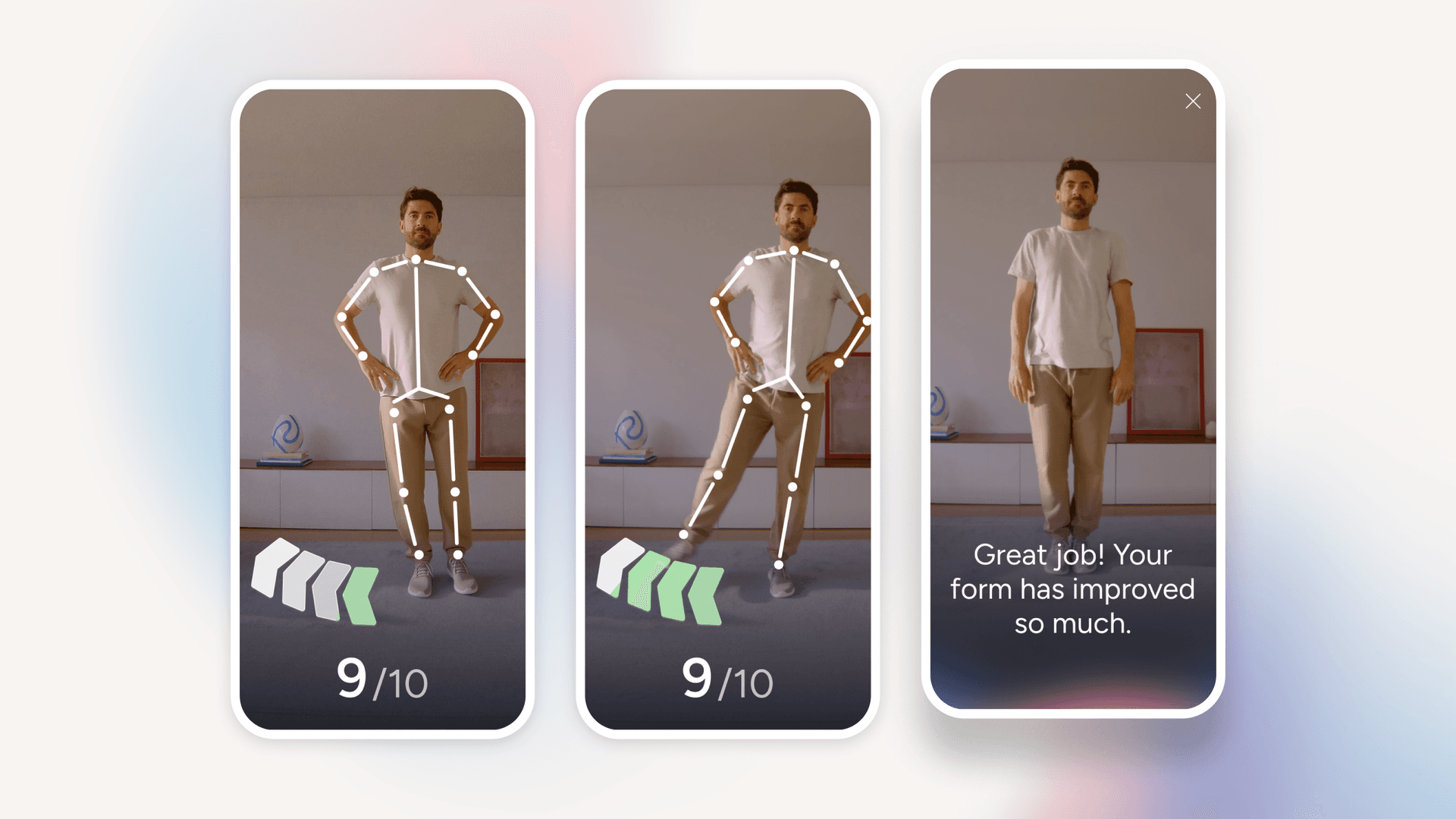
If shoulder pain keeps interrupting sleep, support has to be practical enough to fit real life. That is where Thrive can become relevant.
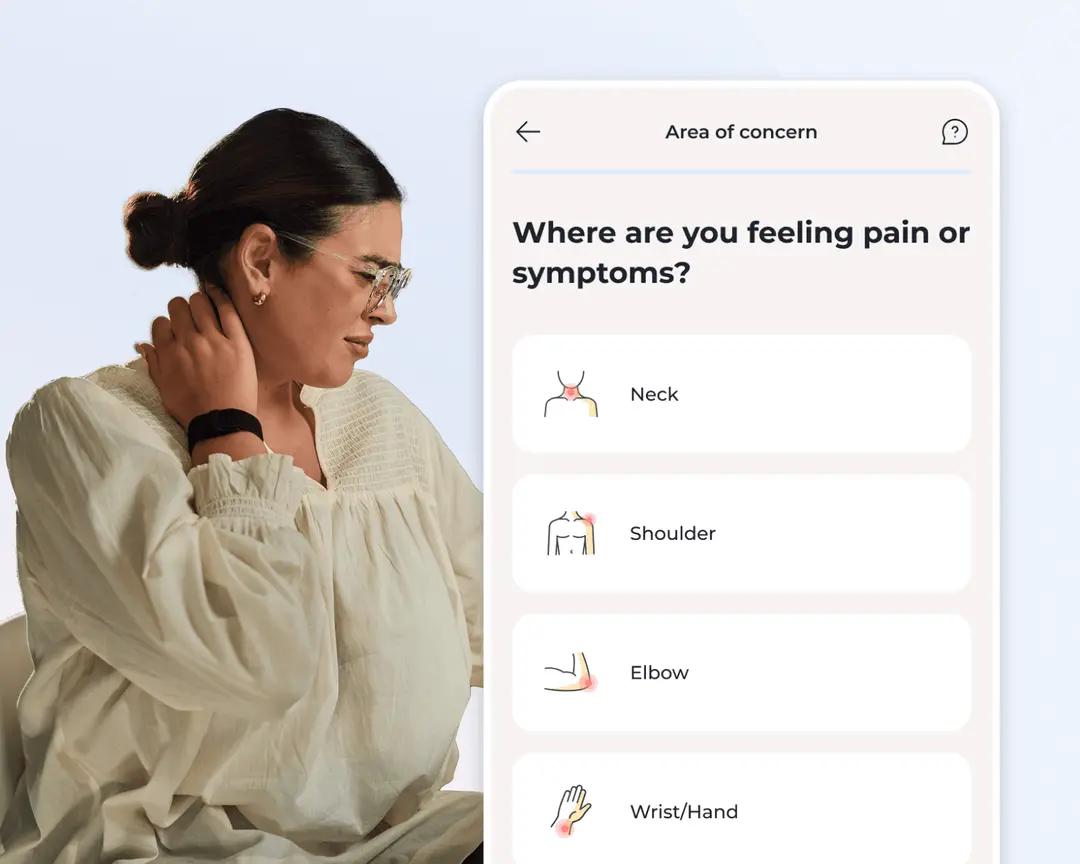
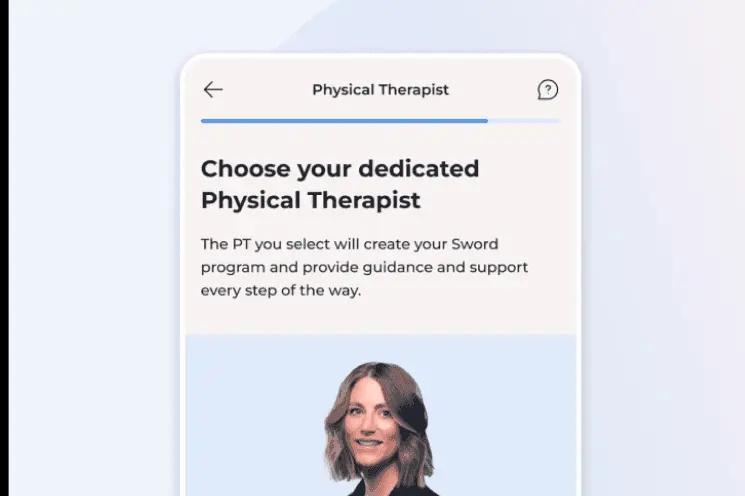
Sword Health’s Thrive is an AI physical therapy program that gives members access to a personalized care plan from the comfort of home. Thrive is accessible through the Sword app at any time or place, and it’s clinically proven to be effective in reducing pain for back, joint, and muscle pain.² ³
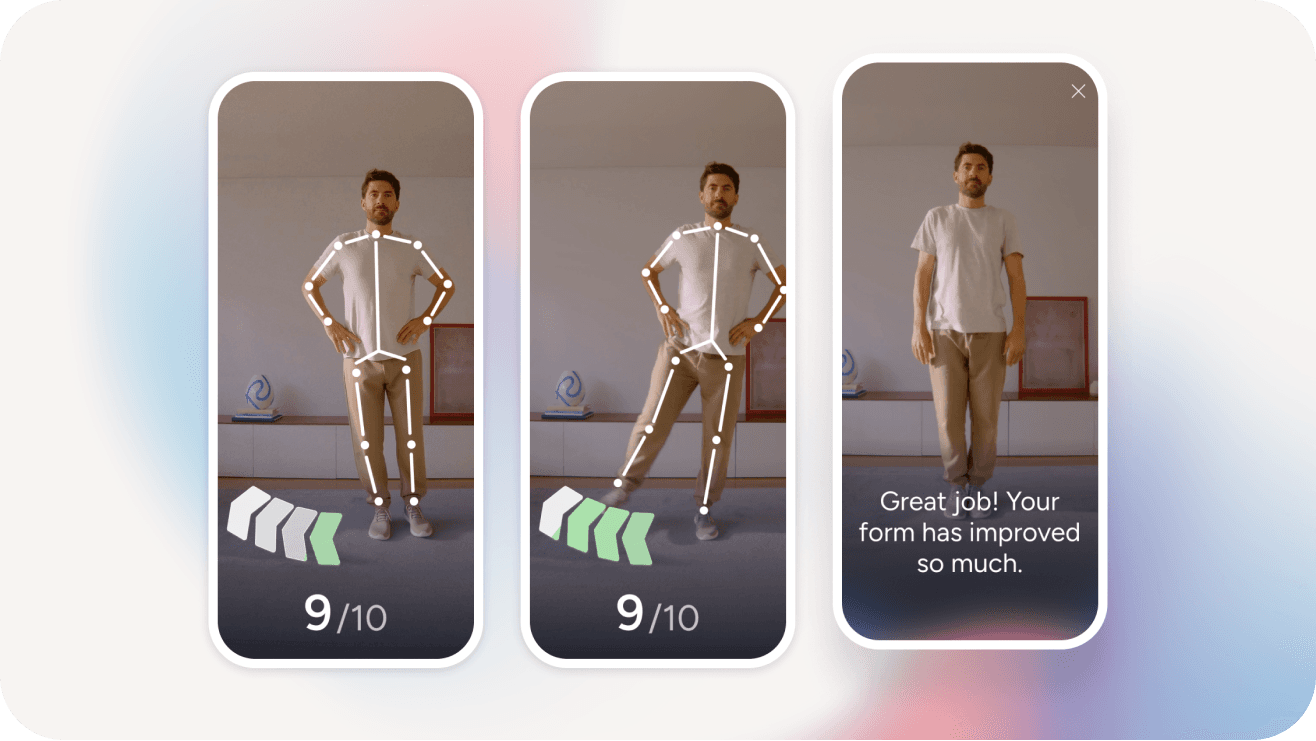
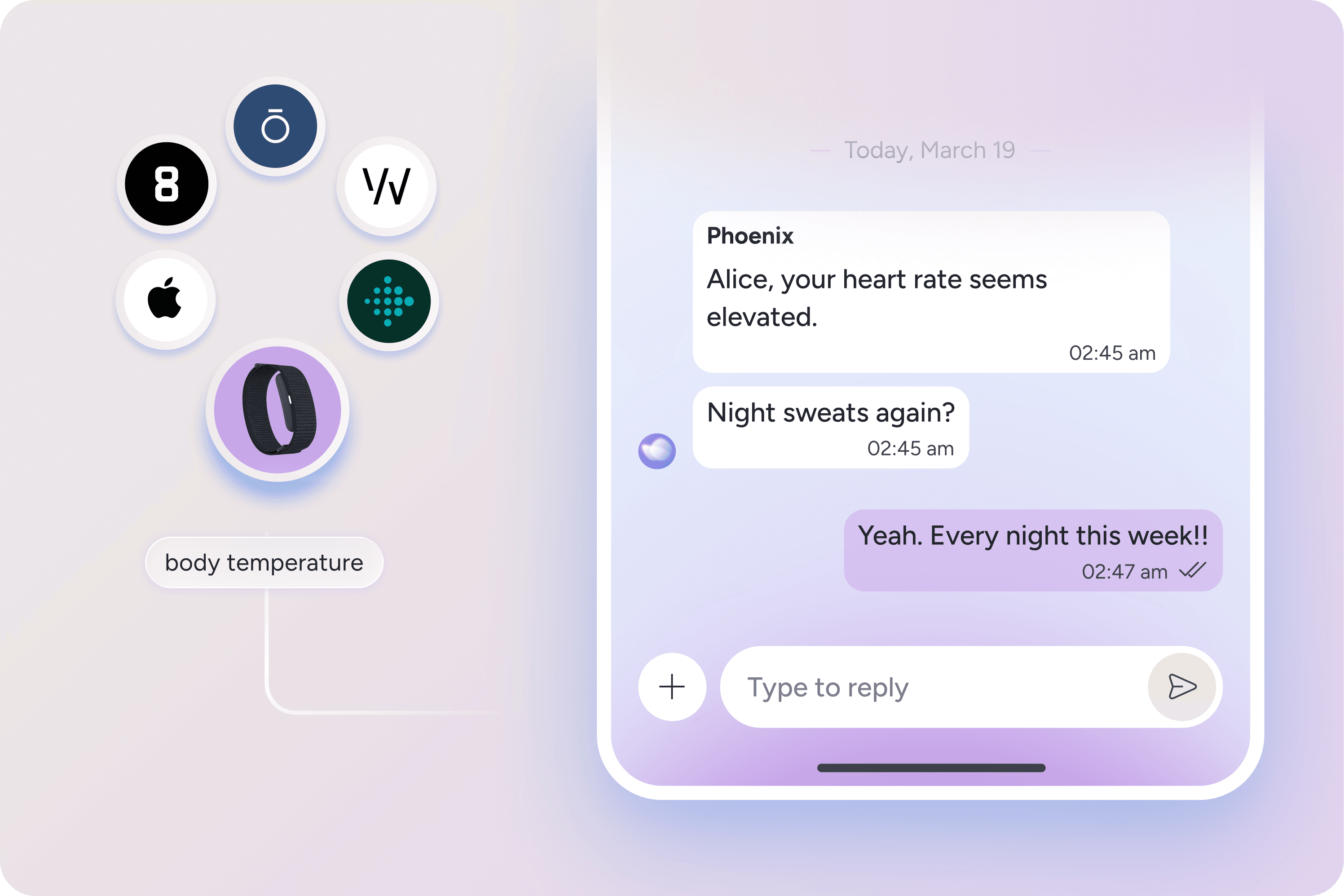
Members follow a personalized plan designed by a Pain Specialist who holds a Doctor of Physical Therapy and all sessions are delivered with Vision AI guidance via the Sword app. Thrive gives audio and visual direction with real-time form correction from Phoenix, Sword’s AI Care Specialist.
There is good evidence behind this approach. A study in people with chronic shoulder pain found that remote care helped people improve in function and symptoms at about the same rate, with no meaningful difference between the two groups.²
What to expect from Thrive
Expert care from home, built around your life
When nighttime shoulder pain needs more attention
If the pain is still waking you regularly after a week or two of simple changes, it is worth getting it checked. The same goes for shoulder pain that seems to be getting worse rather than gradually settling.
Some signs deserve earlier assessment. Weakness, numbness, pain after a fall or injury, a clear loss of movement, or pain that keeps escalating despite your efforts all suggest it is time to stop experimenting alone.
Urgent in-person medical evaluation is important if the shoulder pain follows major trauma, if you cannot lift the arm after injury, or if you have concerning symptoms like chest pain, shortness of breath, fever, or signs of infection.
Get back control of your shoulder pain at night
Nighttime shoulder pain affects more than sleep. It changes how you turn in bed, how you carry things during the day, and how much you trust the shoulder at all. Over time, that can make life feel smaller than it needs to.
The right support can start reversing that. Sometimes the first shift is simple: you find a position that lets you sleep longer. Then the shoulder becomes less reactive. Then movement feels less loaded. Progress rarely arrives all at once, but it often starts with fewer painful nights.
If you are not sure whether Thrive is included in your health insurance plan, the eligibility check is the fastest way to find out. Check if you're eligible through your employer benefits plan (it takes less than two minutes).
About the author

Sword Editorial Team
Evidence-based healthcare insights