Check if Thrive is covered for you

The Sword Summary Warm-up
Don’t have time for the full workout? Here’s the quick version.
- Morning back pain often reflects a mix of stillness, sleep position, muscle stiffness, and how your back handled the day before.
- The timing matters. Pain that is worst in the first few minutes after waking often points to a different pattern than pain that builds later in the day.
- Small changes like adjusting sleep position, improving support, and moving gently before getting up can help.
- If morning back pain keeps repeating, starts affecting your day, or wakes you through the night, physical therapy can help clarify what is driving it and address the root cause.
3 reasons why back pain is often worst after waking
You lie in bed, eyes still closed, and you feel it before you fully surface: stiffness across your lower back, or a dull ache that sharpens when you try to sit up. For many people, these first moments after waking bring the most pain, even though you’ve just spent hours lying down doing nothing.
That pattern is common. In people with upper limb and spine conditions, 78% reported sleep disturbance, and poor sleep can make pain feel harder to manage the next day.¹
It’s not just “getting older.” Something specific often happens overnight that makes morning the moment when back pain is most likely to announce itself. After hours of stillness, muscles, joints, and other tissues around the spine can feel less ready to move. If your back is already irritated, weak, or overloaded, that first change in position can make the problem much more noticeable.
For some people, the pain settles quickly once they get moving. For others, it lingers. That difference matters. It can help point to whether you are dealing mainly with stiffness, a positional problem, a sleep-quality issue, or a deeper pattern worth checking.
1. Inflammation build-up
When your back is irritated, strained, or under mechanical stress, symptoms can feel more intense after a long period of stillness. Overnight, that combination of reduced movement, tissue sensitivity, and stiffness can make morning pain more noticeable.
Pain that develops gradually during the day is different because movement can help warm tissues up and make the back feel less stiff.² ³
2. Stiffness from stillness
During sleep, your muscles are not moving much. If your stabilizing muscles around your spine are already tired or under-conditioned from the day before, they can feel stiff by morning.
When you try to move after hours of relative immobility, those muscles have to lengthen and contract again. If they are not ready for that demand, pain can follow.
3. Sleep position
This can be a factor, though sleep position often affects back pain less dramatically than people assume. If your mattress sags, or if you sleep in a position that keeps your spine twisted or compressed for hours, you may wake up sore and stiff. Some people wake with pain from position alone. More often, it is position plus stiffness and irritation working together.
How morning pain differs from pain later in the day

Pain timing can give useful clues.
If your back feels worst when you first wake up, then gradually eases once you move, the overnight period is probably part of the problem. Stillness, stiffness, and positioning are more likely to be involved. Movement tends to help because it gets your back working again.² ³
If the pain is mild in the morning but builds as the day goes on, that usually points in a different direction. In that pattern, activity, posture, or repeated strain may be driving the pain more than sleep itself.
Some people have both. They wake stiff, improve after moving, then feel sore again by evening. That often suggests more than one factor is involved, such as overnight stiffness plus daytime overload.
What may help reduce back pain after waking
The best approach depends on what is driving the pain, but a few simple strategies help many people.
Gentle movement is often the first one to try. If your back eases once you start moving, lean into that pattern. Rolling side to side, bringing your knees up one at a time, standing up slowly, or taking a short walk can help your back loosen without forcing it.² ³
Support matters too. If you sleep on your back, a pillow under your knees may reduce strain on the lower back. If you sleep on your side, a pillow between your knees can help keep your spine more aligned. Avoiding stomach sleeping may also help if that position tends to leave your back feeling compressed.
4 simple tactics to help reduce back pain in the morning
- Move gently before getting out of bed.
- Use heat if warmth helps your back relax.
- Check whether your mattress still feels supportive.
- Adjust your sleeping position with pillows if you tend to wake stiff in the same pattern every day.
These are practical tests you can use to started getting a deeper understanding of what's causing your back pain. If something helps, it gives you a clue about what your back is reacting to.

When morning back pain needs more attention
A sore back after one awkward night is different from a back that keeps repeating the same story.
If the pain has been showing up for weeks, keeps affecting your sleep, or makes you dread the first part of every morning, it is worth getting assessed. The same goes for pain that seems to be spreading, becoming more intense, or showing up alongside numbness, tingling, or weakness in the leg.⁴
Night pain deserves a little extra attention too. If the pain wakes you repeatedly, stays severe through the night, or is paired with red-flag symptoms like loss of bowel or bladder control, unexplained weight loss, fever, or major trauma, seek medical care promptly.⁴
Physical therapy can help you prevent back pain
When morning back pain keeps coming back, the issue is often bigger than sleep position alone. Your back may be stiff in some areas, weak in others, or relying on movement patterns that leave it irritated by the time you go to bed.
That is where physical therapy can help. A physical therapist can assess what seems to be driving the pain, which movements or positions are aggravating it, and what kind of strength, mobility, or support work may actually help rather than keep the cycle going.³
For many people, that is the turning point. Instead of changing mattresses, stretching at random, or hoping each morning will somehow feel different, they finally understand what their back is reacting to and how to calm it down.
How Thrive AI physical therapy supports recovery from home
If morning back pain keeps returning, physical therapy can likely help you reduce and prevent the pain more effectively than if you just try to manage your symptoms yourself. A physical therapist will seek to pinpoint the reason your back pain is happening. That usually starts with listening to your history and then assessing how you walk, bend, rotate, and load your spine and hips. They may look at your strength, flexibility, balance, and your response to the symptoms.
Traditional physical therapy requires you to travel to an in-clinic appointment during the day. For many people, it's hard to juggle work and family priorities to schedule in a session at these times, then commute to a busy clinic. You really need help in the moment when the pain and discomfort peaks. That is where Thrive’s personalized 24/7 care plans are so effective.
Sword Health’s Thrive is an AI physical therapy program that gives members access to a personalized care plan from the comfort of home. Thrive is accessible through the Sword app at any time or place, and it’s clinically proven to be effective in reducing pain for back, joint, and muscle pain.² ³
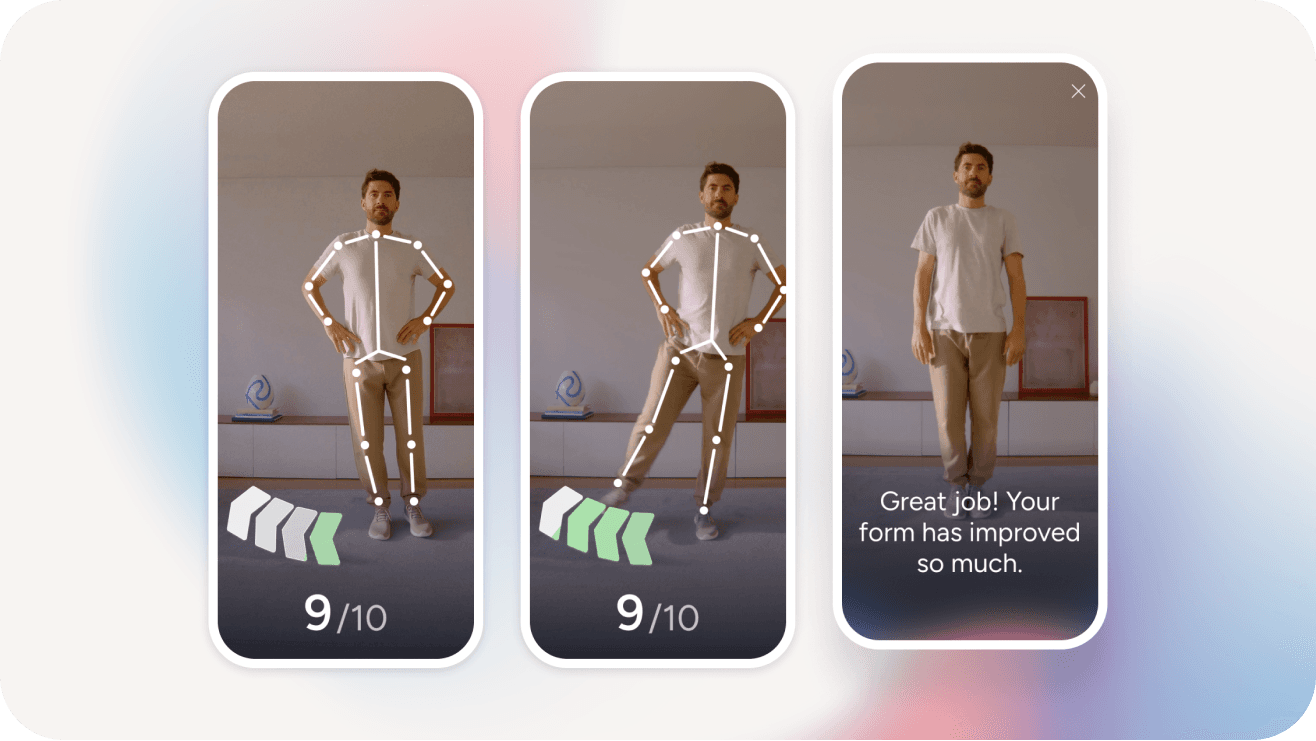
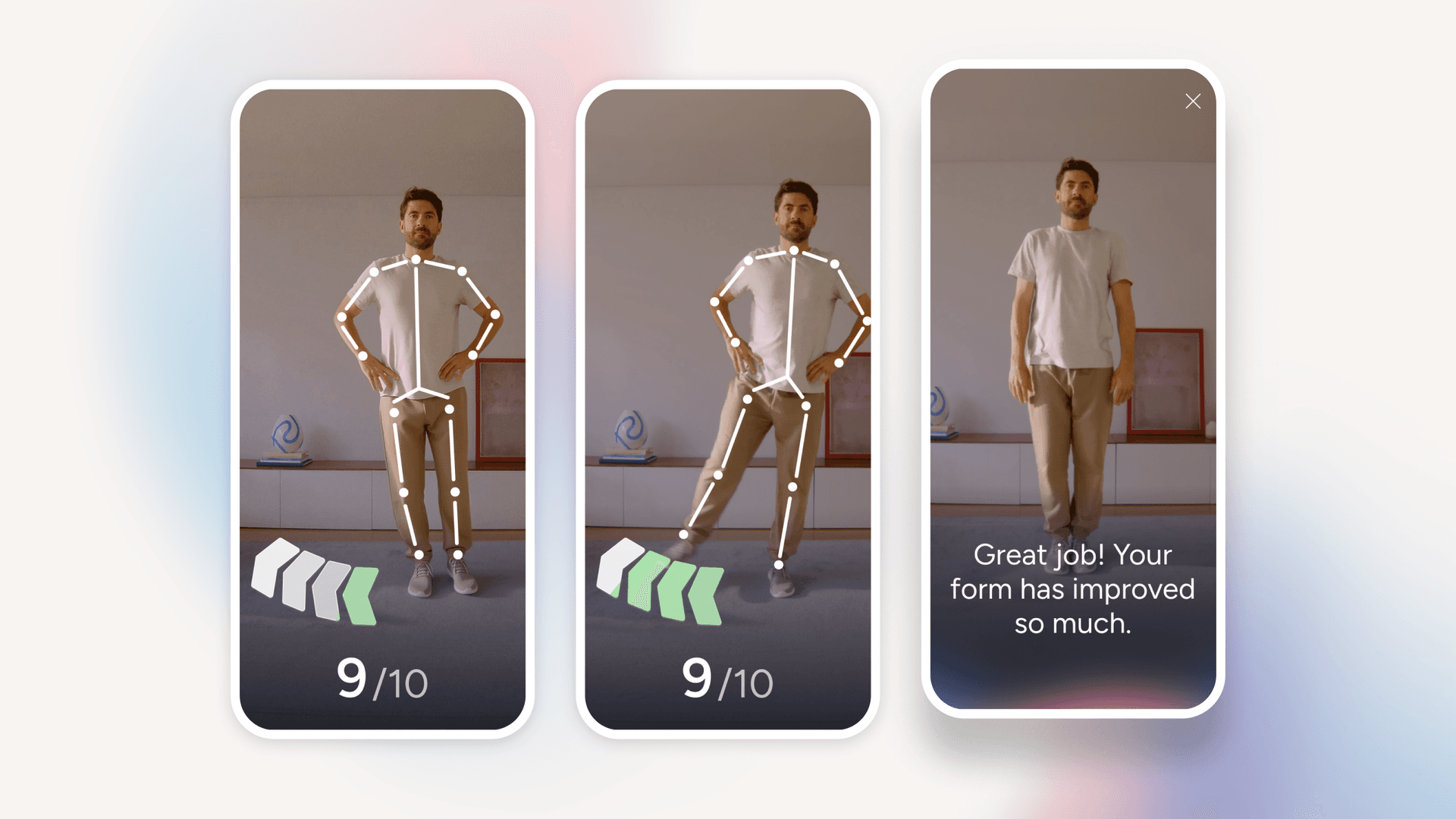
- Easy-to-use technology: Vision AI captures your movement so you get real-time feedback and guidance on your form.
- Personalized programs: Your program is tailored specifically to you, based on your goals and health history.
- Expert care, when you need it: 24/7 access to clinician-led support with guidance from a certified physical therapist.
- Clinically proven results: Peer-reviewed studies and clinical trials show Thrive is as effective as high-intensity in-person physical therapy for chronic low back pain.⁵
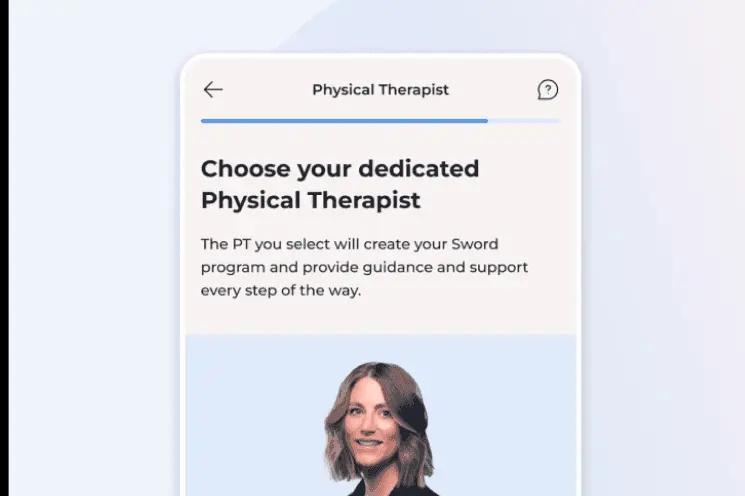
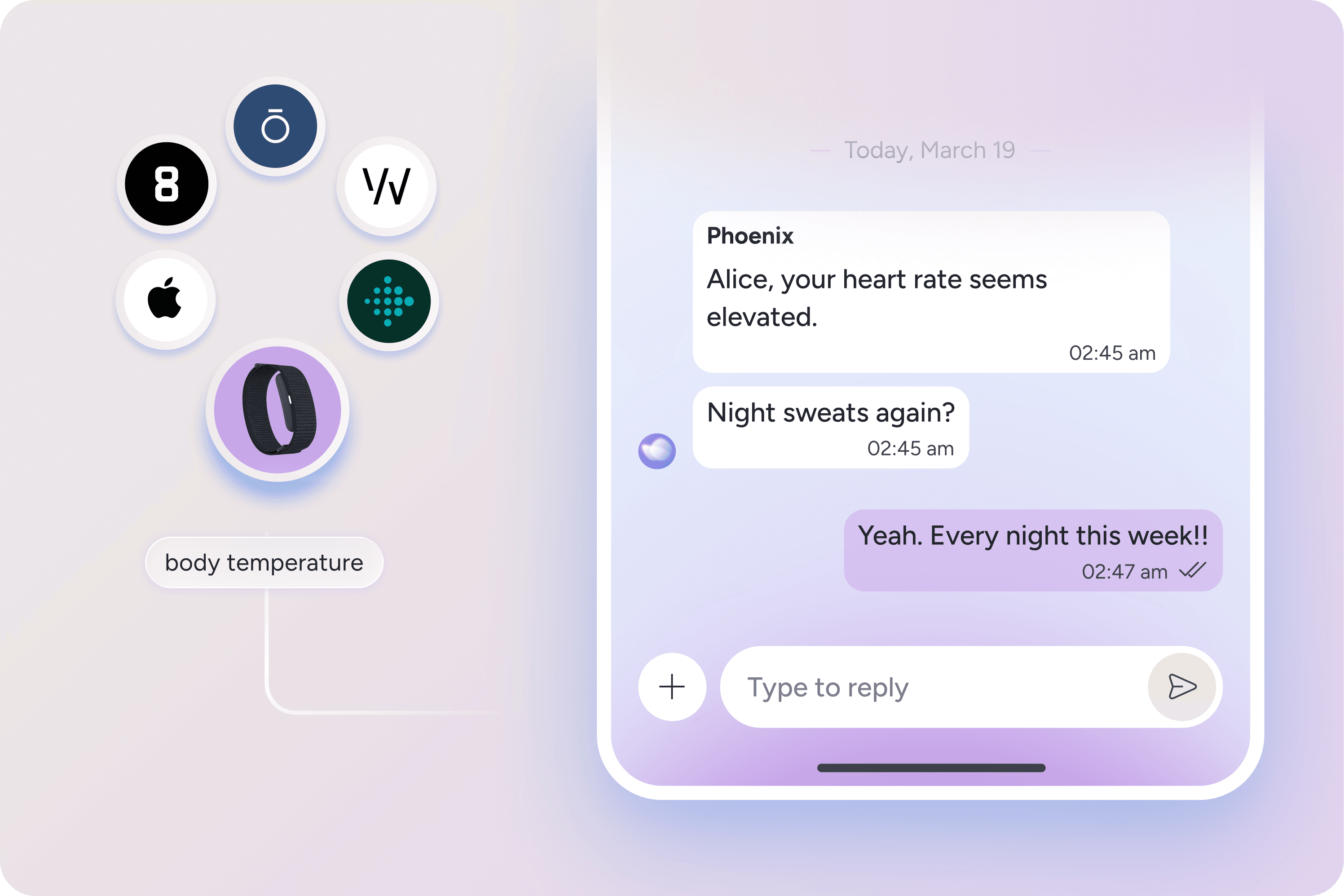
Members follow a custom plan designed by a Pain Specialist who holds a Doctor of Physical Therapy. All sessions are delivered with Vision AI guidance via the Sword app. Thrive gives audio and visual direction with real-time form correction from Phoenix, Sword’s AI Care Specialist.
What to expect from Thrive
Expert care from home, built around your life
There is good evidence behind this approach. There is also published evidence behind Sword’s digital approach for chronic low back pain. In a randomized controlled trial published in npj Digital Medicine, Sword’s Thrive AI Care program produced improvements in disability and pain that were comparable to evidence-based in-person physical therapy, and the digital group had a significantly lower dropout rate.⁵
Care continues between check-ins, adapts based on your progress, and is available when you need it rather than only when you can schedule it. That structure is also why Thrive members complete their program at a rate of 81%.⁸ Half of the people who start traditional in-person physical therapy stop going after just four sessions. Not because the care does not work. Because the friction of getting there erodes their momentum.⁹
When care fits into your life, you finish it. Thrive user data shows that 69% of Thrive members are free of limiting pain after completing their care program.⁷
Get control of your pain and get back to your best self
Morning back pain affects more than the first few minutes after waking. It can change how you get out of bed, how much you trust your body, and how much energy you carry into the rest of the day. Over time, that can make life feel smaller than it needs to.
The right support can start reversing that. Sometimes the first shift is simple: you wake with less stiffness, or you stop bracing before you stand. Then movement feels easier. Then your mornings stop starting with the same dread. Progress rarely arrives all at once, but it often begins with a back that feels less reactive and a day that feels more manageable.
If your pain is limiting your life, it is worth understanding why. If pacing and movement changes are not enough, physical therapy can help clarify what is happening and map out a better next step.
If you are not sure whether Thrive is included in your employer benefits plan, the eligibility check is the fastest way to find out. Check if you're eligible through your employer benefits plan (it takes less than two minutes).
About the author

Sword Editorial Team
Evidence-based healthcare insights