Check if Move is covered for you
The Sword Summary Warm-up
Don’t have time for the full workout? We’ve got you covered with a quick, high-intensity session. Here are the key takeaways:
- Feeling tired or low energy is common on GLP-1 medications, especially early in treatment or during rapid weight loss.
- The right kind of movement can restore energy and protect muscle, even when appetite is low.
- Short, guided sessions are enough to support strength, metabolism, and long-term weight loss success.
- Move, Sword Health’s whole-body movement solution, makes strengthening simple and personalized from home.
Starting a GLP-1 medication like Ozempic, Wegovy, or Mounjaro can feel like a turning point. Appetite becomes easier to manage. Weight begins to drop. For many people, this progress feels long overdue. Then fatigue shows up...
Energy dips. Workouts feel harder than expected. Some days, even the idea of movement feels like too much. This experience is common and it does not mean you are doing anything wrong. More importantly, it does not mean movement is off the table. Understanding why energy feels low and how to move safely during this phase can help you protect muscle, support healthy weight loss, and feel better over time.

Low energy is common on GLP-1 medications
GLP-1 and GIP/GLP-1 medications work by reducing appetite and slowing digestion. That helps create a calorie deficit, which drives weight loss. At the same time, it also means your body is taking in less fuel.
When calorie intake drops quickly, the body adapts. Energy levels may fluctuate. Some people feel tired, lightheaded, or less motivated to move. These changes are part of how the body adjusts to weight loss and lower intake. Fatigue in this context is a signal, not a failure. It is your body asking for support while it adapts.
Stopping movement can make fatigue worse over time
When energy feels low, it is tempting to stop moving altogether. While this feels logical, it often backfires.
Reduced movement leads to faster muscle loss during weight loss. Research shows that without protective strategies, 20 to 50 percent of weight lost on GLP-1 medications can come from lean mass, including muscle¹. Muscle plays a key role in energy efficiency, metabolism, and daily function.
As muscle decreases, the body becomes less efficient at producing and using energy. Over time, this can deepen fatigue rather than relieve it. This pattern is explained in more detail in our guide on GLP-1 muscle loss. The goal during GLP-1 treatment is not to push harder, but to move in ways that help the body adapt without losing strength.
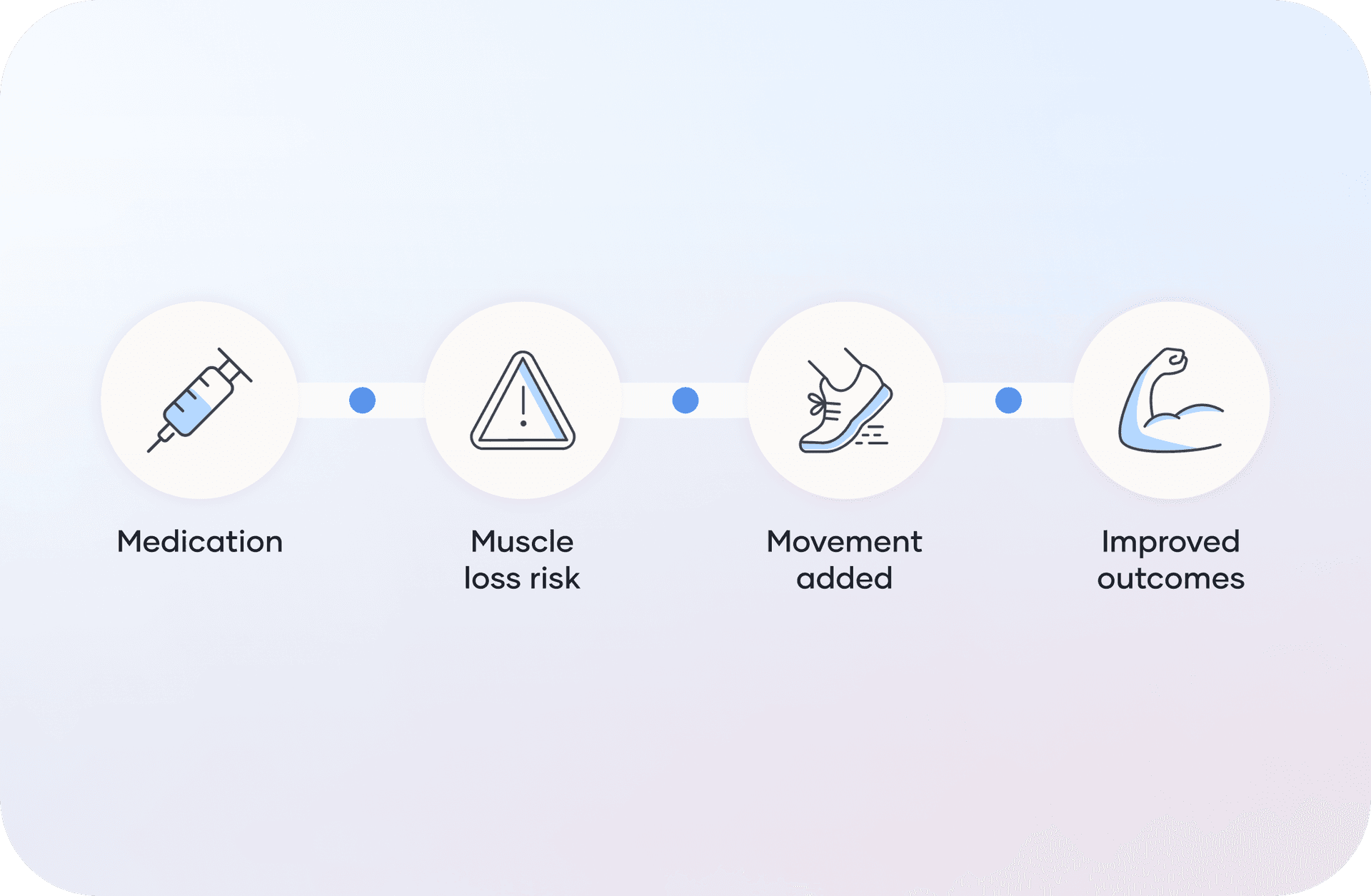
What safe movement looks like when energy is low
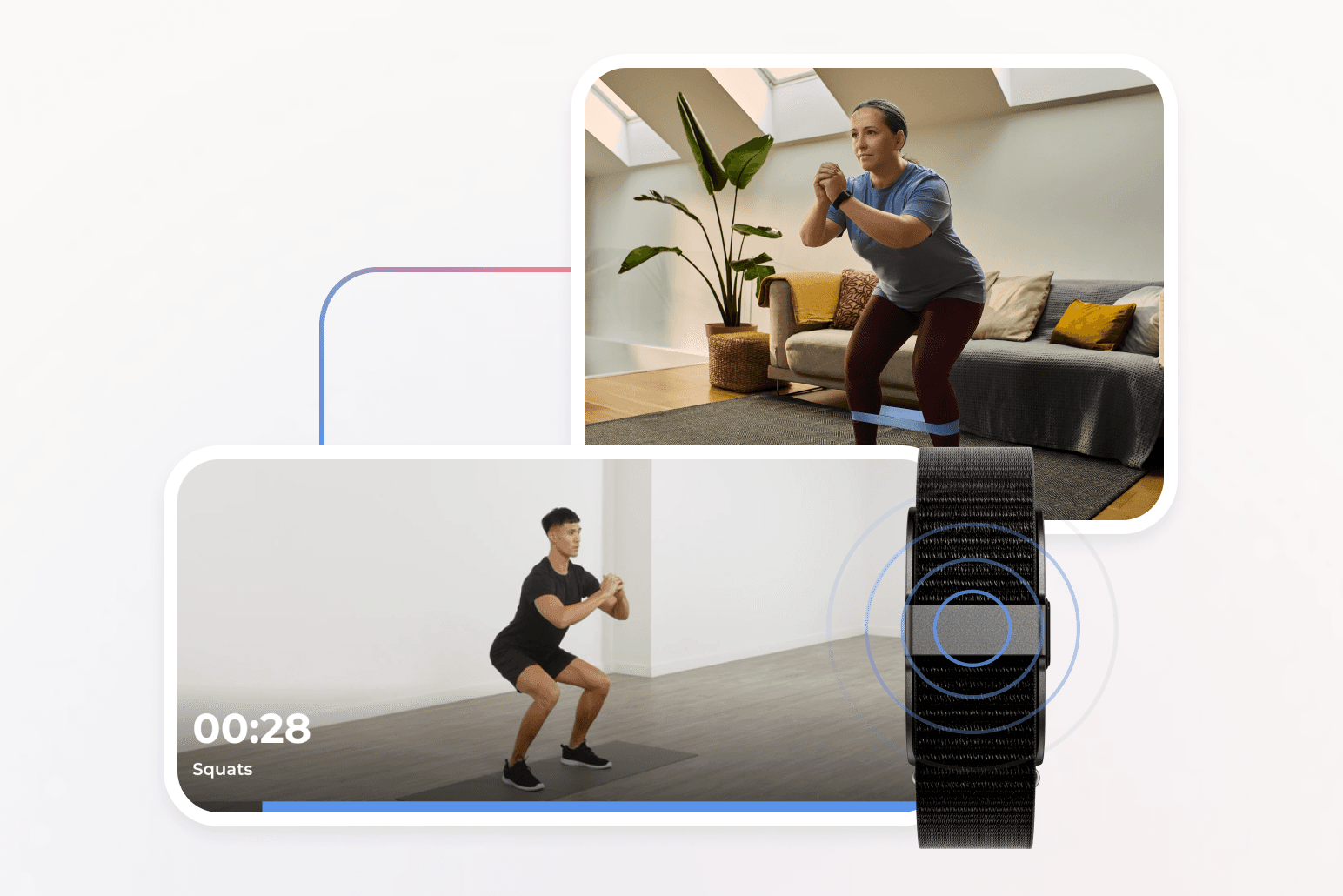
Movement during low-energy phases does not need to resemble traditional exercise. Safe, effective movement focuses on gentle muscle activation and consistency. This often includes:
- Short strength-focused sessions
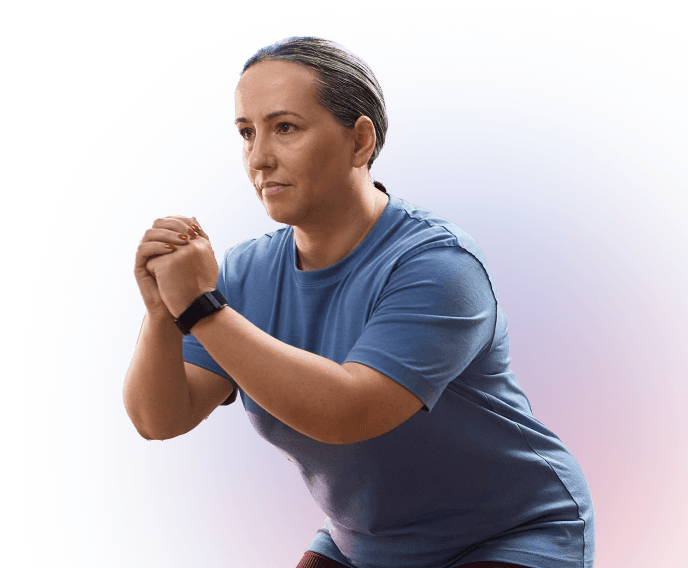
- Bodyweight exercises or resistance bands
- Light, controlled movements that support daily activities
- Sessions lasting 5 to 15 minutes
These forms of movement give your muscles a reason to stay active without draining your energy. Over time, they help preserve strength and support steadier energy levels. This approach aligns with broader guidance on how to maintain muscle during weight loss, especially when calorie intake is reduced.
A structured movement program is ideal to give you the expert guidance you need. Sword Move's AI Care program delivers lasting movement habits through clinical guidance and wearable technology, the ideal option for GLP-1 users looking to retain and build strength.
How often should you move when appetite is low?
There is no need for long or frequent workouts. Most people benefit from:
- Two to four short sessions per week
- Brief movement spread across the day
- Flexibility to adjust based on how they feel
Consistency matters more than intensity. Even on low-energy days, small amounts of movement help protect muscle and support adaptation.
Common concerns that keep people from moving on GLP-1s
Many people hesitate to move because they worry about:
- Feeling too exhausted
- Making fatigue worse
- Doing the wrong type of exercise
- Not knowing how much is enough
These concerns are understandable. They reflect uncertainty, not lack of motivation. Clear guidance makes a meaningful difference.
Why structure makes movement easier on low-energy days
When energy fluctuates, decision-making becomes harder. Wondering what to do or how much to do often leads to doing nothing at all.
Structured, guided movement removes guesswork. It provides reassurance that what you are doing is appropriate, even on days when energy is limited. This consistency helps prevent muscle loss and supports gradual improvements in strength and stamina.
Move's guided support makes movement easy when energy is low
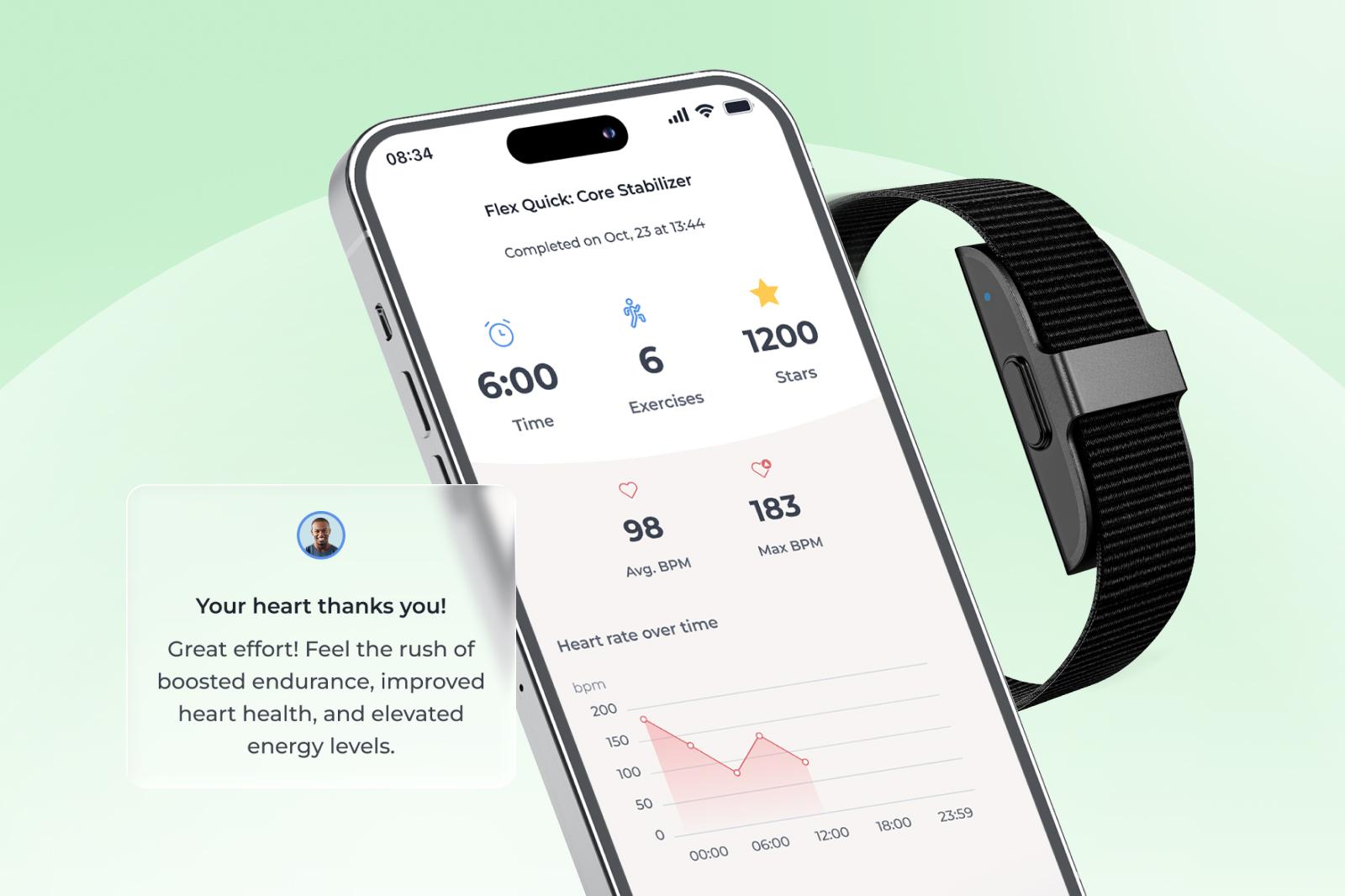
Sword Move is designed to support sustainable movement habits for people using GLP-1 medications and for those who want to retain results after weight loss.
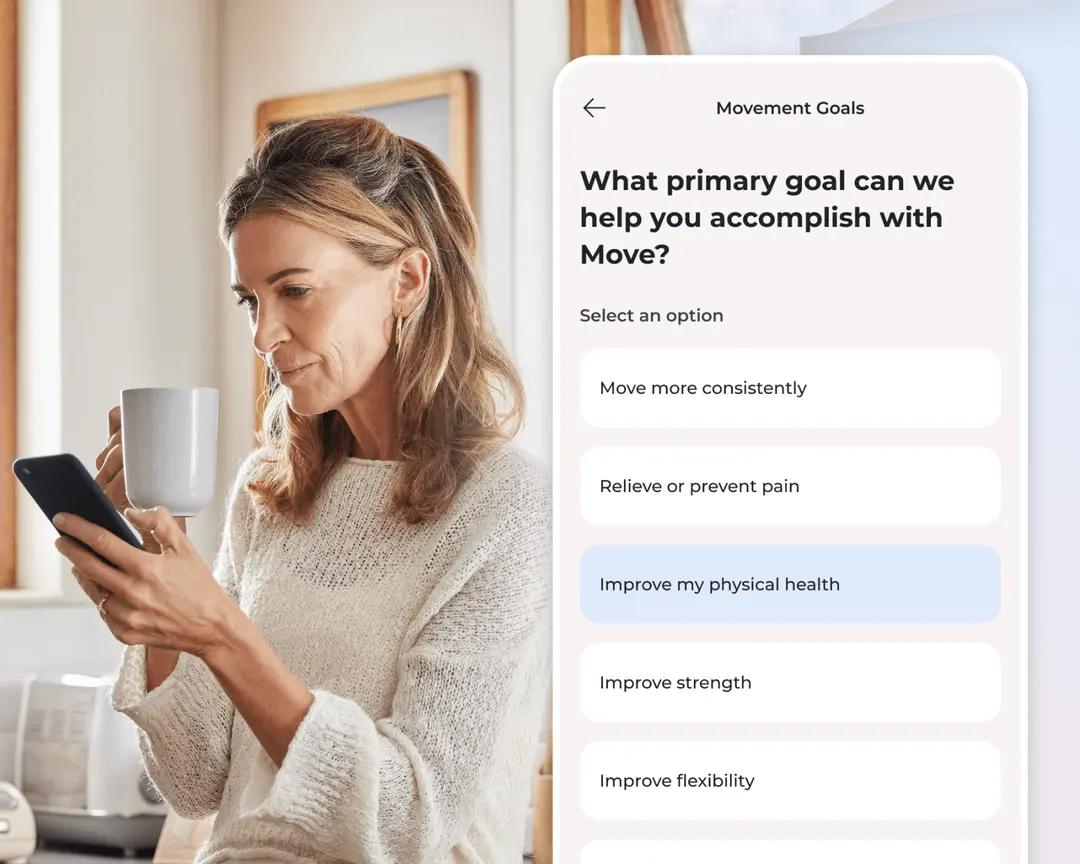
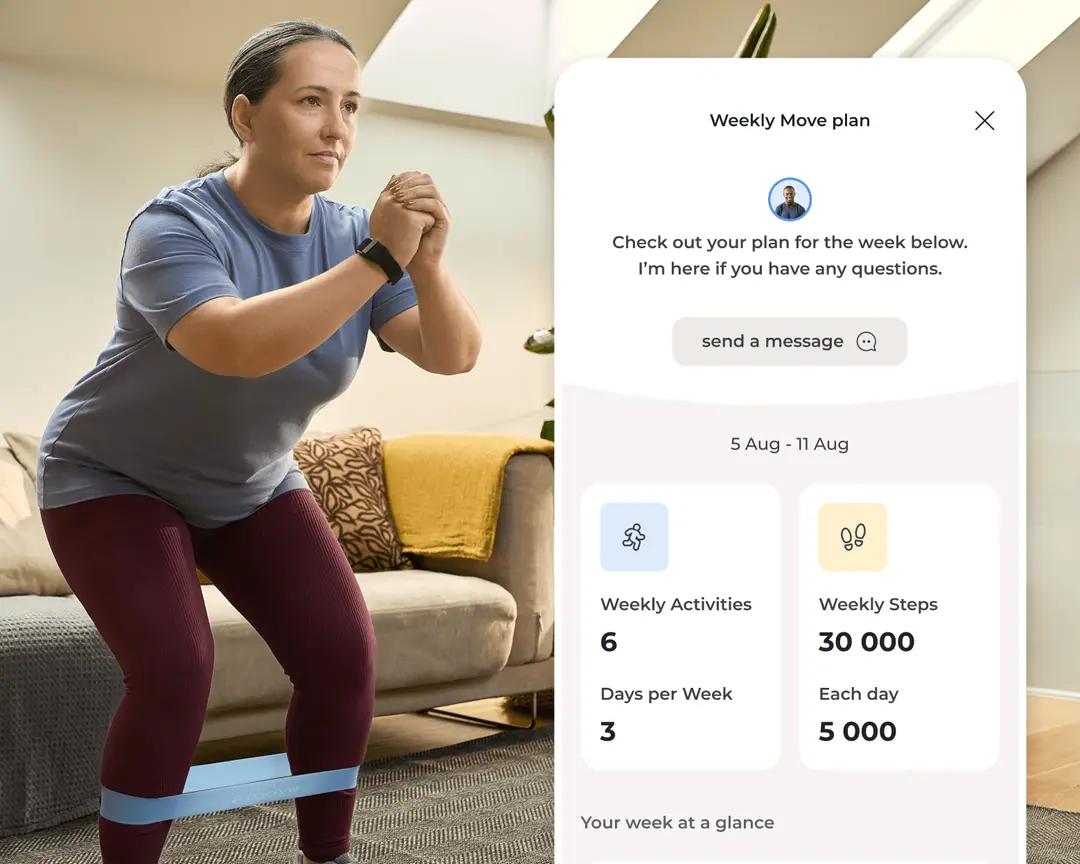
With Move, members are supported by a Physical Health Specialist who holds a Doctor of Physical Therapy degree. That specialist helps shape a personalized movement plan based on mobility, goals, and daily routines. Sessions are short, guided, and designed to be done at home, without equipment or long time commitments.
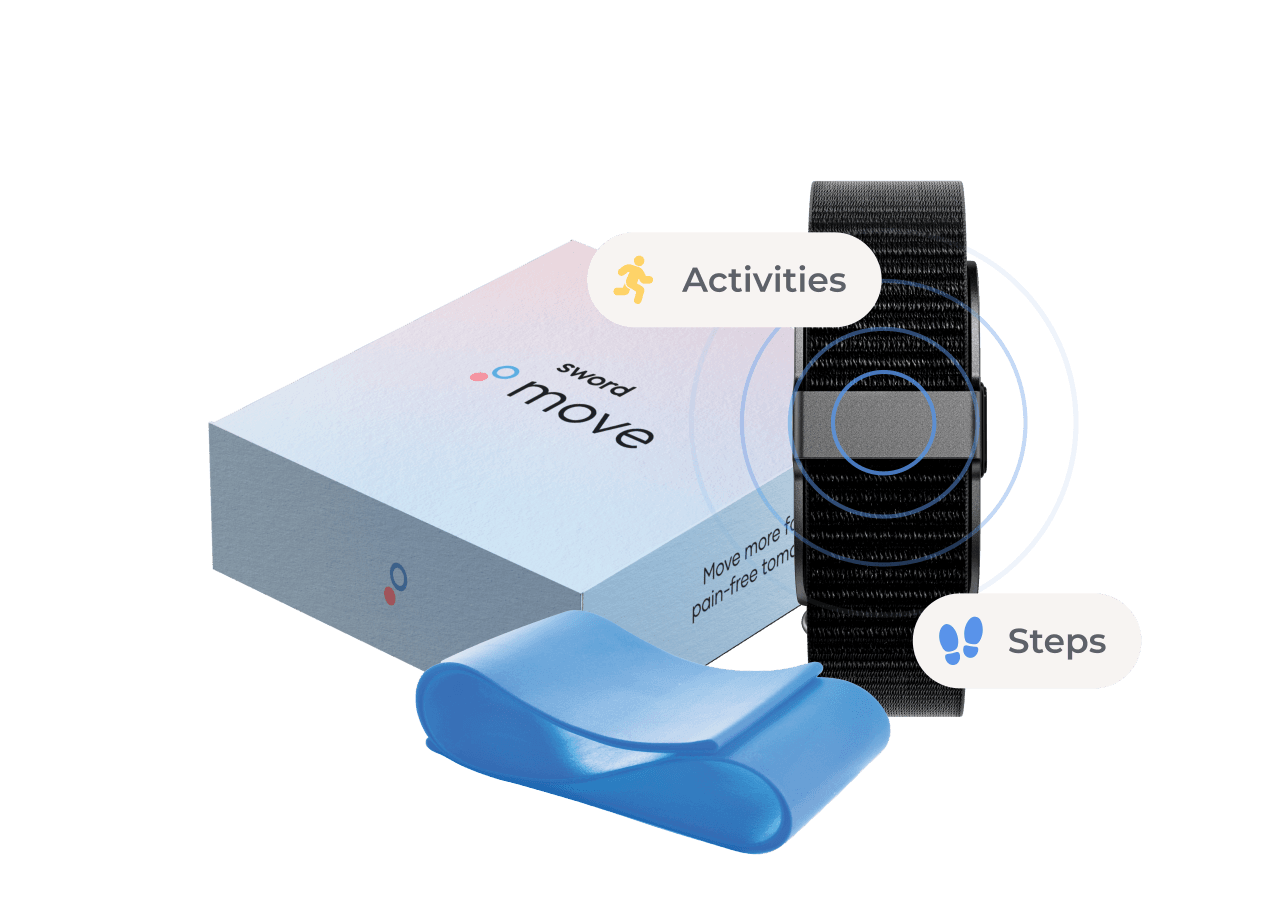
Activity is tracked through a Move wearable or a connected device, allowing plans to adapt as energy levels and strength change. Regular check-ins help members stay consistent and adjust safely over time.
Rather than pushing people to do more, Move helps people do enough to support muscle retention and long-term health., and the results are impressive and sustained.
Get started with Sword Move for whole-body strength
Movement supports long-term success on GLP-1s
Low energy during GLP-1 treatment is common, especially early on. Avoiding movement entirely can make fatigue persist and increase muscle loss.
Gentle, strength-focused movement helps the body adapt to weight loss, protect muscle, and support steadier energy over time. These habits make it easier to maintain results long after weight changes begin.
If you are using a GLP-1 medication and want a safe, realistic way to stay active when energy feels low, Sword Move may already be available through your health plan at no cost to you. Many US employers and health plans offer Move to their members. Check your eligibility now to see if you can get started today.
About the author

Sword Editorial Team
Evidence-based healthcare insights