Check if Move is covered for you
The Sword Summary Warm-up
Don’t have time for the full workout? We’ve got you covered with a quick, high-intensity session. Here are the key takeaways:
- Up to 39% of weight lost while using GLP-1 medications is from lean muscle mass¹.
- Muscle is essential for strength, stability, confidence, and long-term weight maintenance.
- The best way to protect muscle is with consistent, resistance-based movement.
- Move, Sword Health’s whole-body movement solution, makes strengthening simple and personalized from home.
Mounjaro users need movement to keep muscle
Mounjaro (a popular brand of tirzepatide) has quickly become one of the most talked about medications for weight loss and type 2 diabetes. If you are taking it, or considering it, you may have already heard the success stories: reduced appetite, steady weight loss, and better blood sugar control.
But there is another side of the story that is often overlooked. Along with fat, Mounjaro can also cause you to lose muscle. In fact, studies show that up to 39% of the weight lost on GLP-1 and GIP/GLP-1 drugs like Mounjaro come from lean mass, including muscle.¹ This has real implications for how you feel and function every day.
Muscle is what helps you stay strong, stable, and energized. It supports your joints, protects your bones, and keeps your metabolism working efficiently. Losing it can make your progress feel less sustainable. This is why protecting muscle while taking Mounjaro is just as important as losing weight itself.
The encouraging news is that you can protect your strength while losing weight. You simply need the right kind of movement.
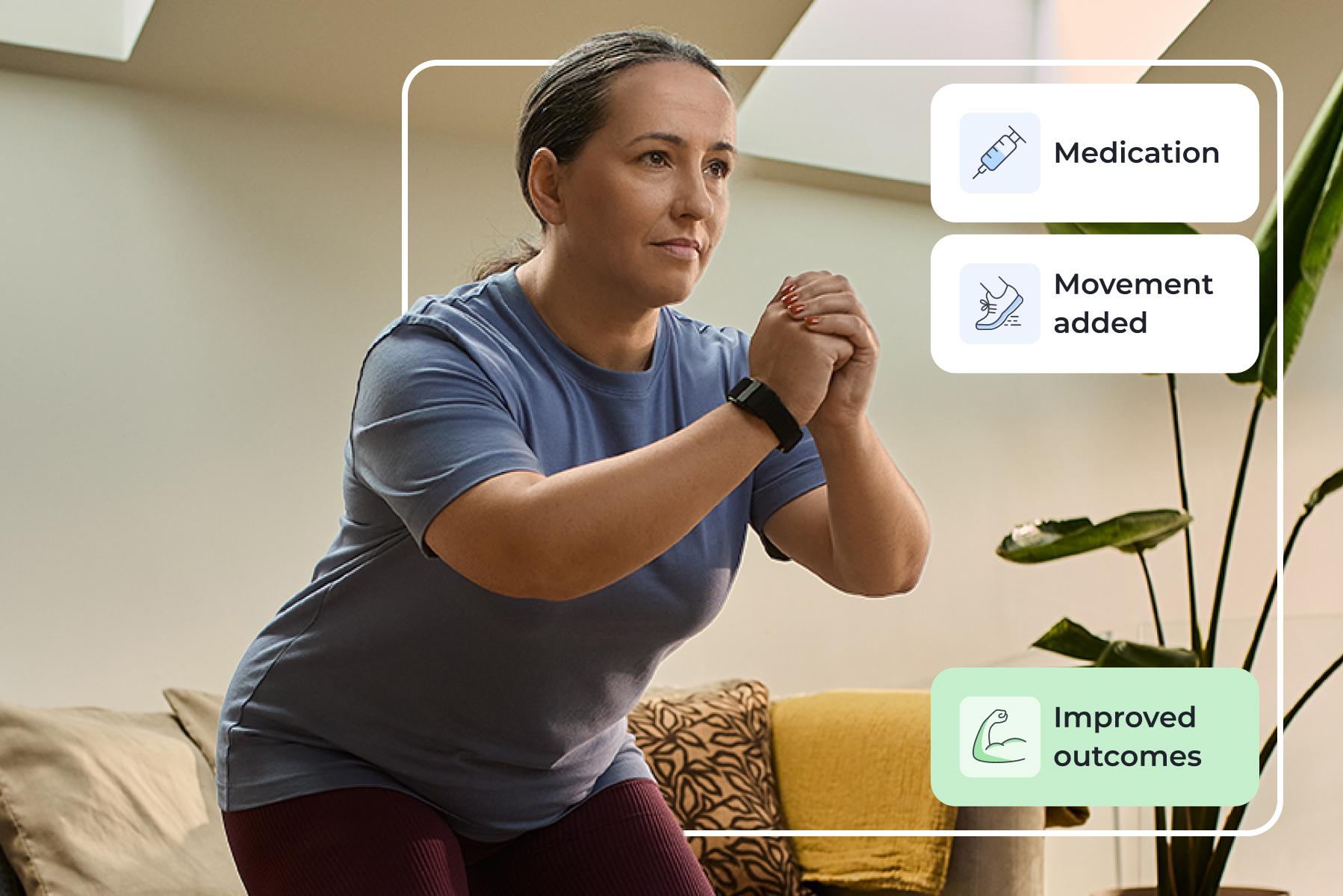
Muscle loss on Mounjaro matters more than you think
Muscle plays a central role in how you live your life. It is what helps you lift, bend, climb stairs, step confidently onto curbs, and stay steady on uneven surfaces. When your body loses muscle, everything becomes a little harder.
Here’s how muscle loss can show up during weight loss:
- Your metabolism slows: Muscle burns more calories at rest than fat. Losing it makes maintaining your weight significantly harder.
- Movement feels more tiring: Tasks like carrying groceries, standing from a chair, or walking long distances can feel noticeably more difficult.
- Your joints take on more strain: Without strong muscle support, your knees, hips, and back absorb more impact, making discomfort more likely.
- Your balance and stability decrease: Muscle is your built-in fall-prevention system. Losing it increases the risk of stumbles and injuries.
If you stop Mounjaro, the risks multiply. Research shows that people who discontinued GLP-1s like semaglutide regained about two-thirds of the weight they had lost within a year, and much of that regain was fat, not muscle.² When you lose muscle during treatment, your metabolism slows, making rebound weight gain even more likely. This is why protecting muscle is the foundation for sustainable weight loss, healthy joints, and long-term confidence.
Why medications like Mounjaro cause muscle loss
Understanding the “why” makes the solution feel more doable. Mounjaro works by decreasing hunger. When appetite goes down, people tend to eat fewer calories and, often without realizing it, less protein5. But your body still needs protein to maintain muscle. Without enough of it, your body starts to use muscle as fuel.
At the same time, when people eat less, they naturally move less. You may feel lower energy, walk fewer steps, or skip activities that used to feel normal.
- Less protein + less movement = less muscle.
Medication changes your biology, but you can change your behavior with the right support.
How to prevent muscle loss on Mounjaro
Mounjaro lowers your appetite and helps you eat less, which brings the scale down. But it does not protect your muscle, strengthen your body, or safeguard your joints. o protect strength, stability, and long-term metabolic health, you need movement that challenges your body in the right way.
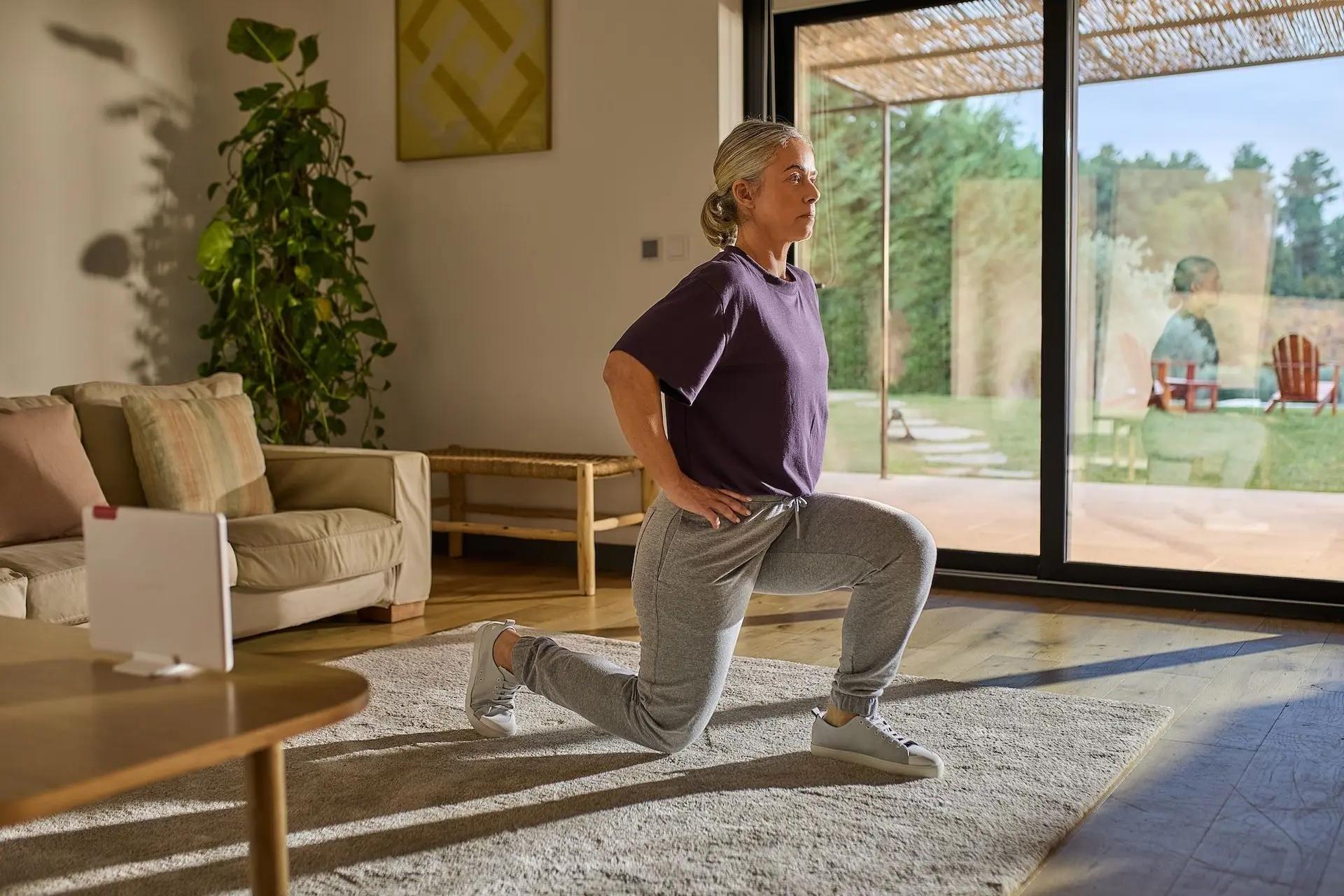
The most effective type of activity is resistance-based movement, which challenges your muscles safely. That could be as simple as bodyweight exercises, resistance bands, or light weights. You do not need a gym, long workouts, or complicated routines. What matters most is consistency. Just small, regular sessions can make a big difference.
Protein also plays a supporting role. Research shows that pairing strength-preserving movement with adequate protein intake helps maintain lean mass during GLP-1–based weight loss³.
When you protect your muscle, you protect far more than your physical appearance. Think of it like this: Mounjaro helps you lose weight, but movement makes sure you lose the right kind of weight.
Mounjaro vs Ozempic: What’s the difference for muscle loss?
Many people ask whether Mounjaro or Ozempic is “better” for protecting muscle. The truth is, both medications can cause muscle loss as part of overall weight reduction. Clinical studies show that 20 to 50 percent of weight lost on either drug may come from lean mass.¹
This means the solution is the same for both. The key is pairing the medication with consistent, strength-preserving movement. Without it, the body loses both fat and muscle. With it, you can lose weight and strengthen your body at the same time.
Why protecting muscle protects your long-term health
Muscle influences far more than strength alone. When you maintain muscle during weight loss, you help:
- Keep your metabolism steady, so maintaining progress becomes easier
- Reduce strain on your joints, which can lessen discomfort
- Support balance and stability, lowering fall and injury risk
- Increase day-to-day energy, making movement and activity feel more natural
Muscle acts like your body’s built-in armor. It protects you from pain, helps you move with confidence, and plays a major role in overall longevity. Maintaining it is one of the most powerful steps you can take during GLP-1 treatment.
Sword Move: the easy way to protect muscle on Mounjaro
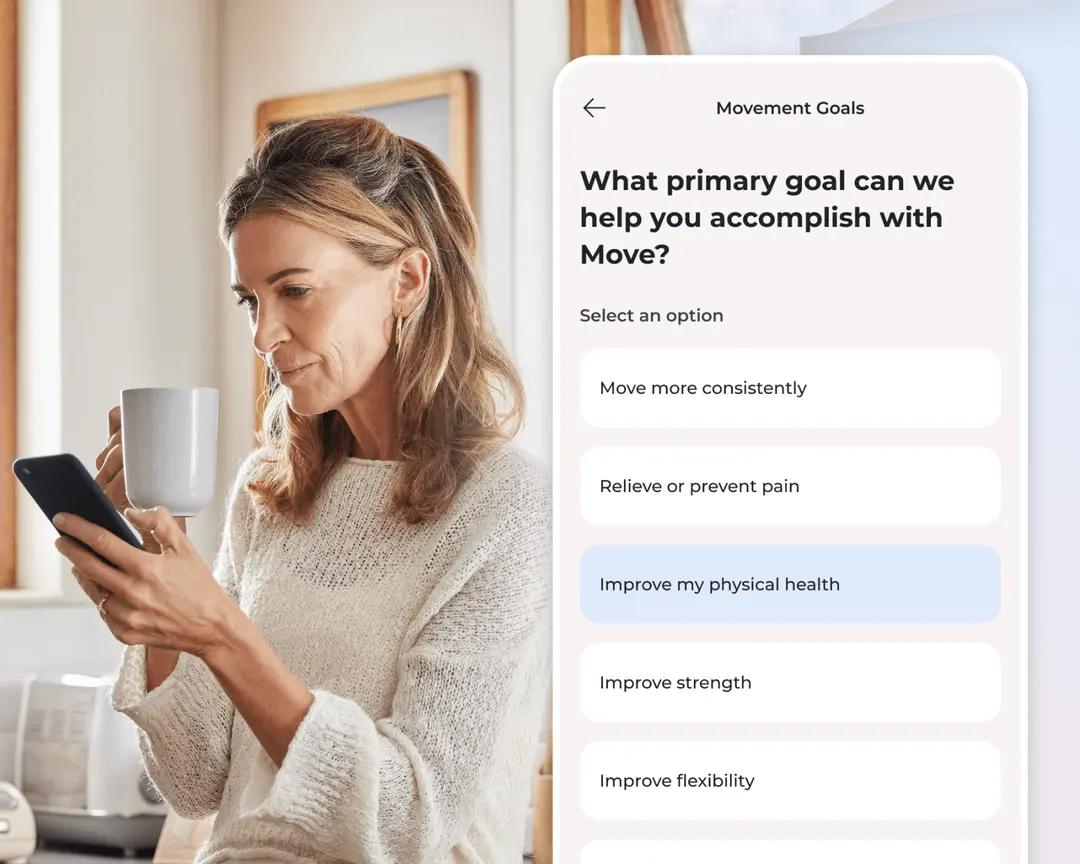
Many people want to start moving more, but worry that they do not know where to begin or that movement will feel overwhelming on top of their medication journey. Move was designed to remove those barriers.
Move is the ideal support to a Mounjaro prescription, helping to prevent muscle loss, reverse inactivity, and build healthy new habits. Move is Sword Health’s digital program that makes protecting muscle safe, easy, and effective, especially for people using medications like Mounjaro.
Here is what makes Move different from a generic fitness app and why it works so well for people taking Mounjaro:
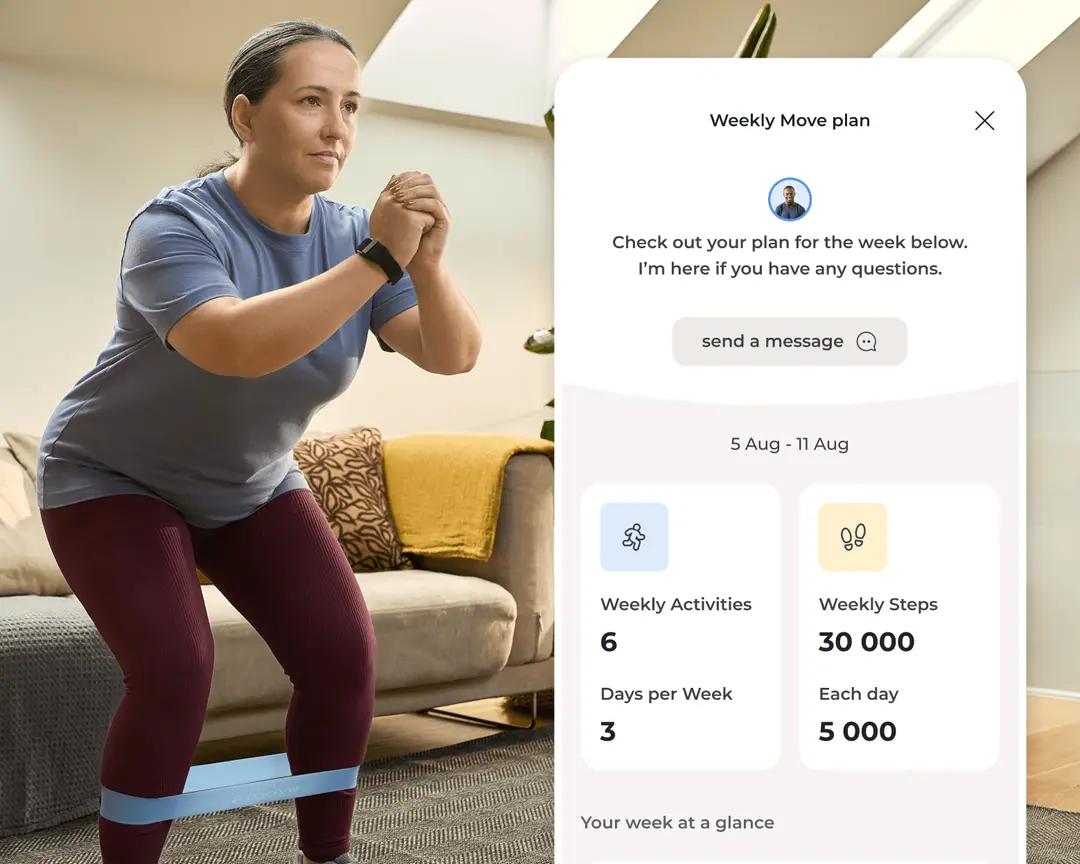
- Personalized support: You are paired with a dedicated Physical Health Specialist who creates a weekly Move Plan tailored to your needs, goals, lifestyle, and progress.
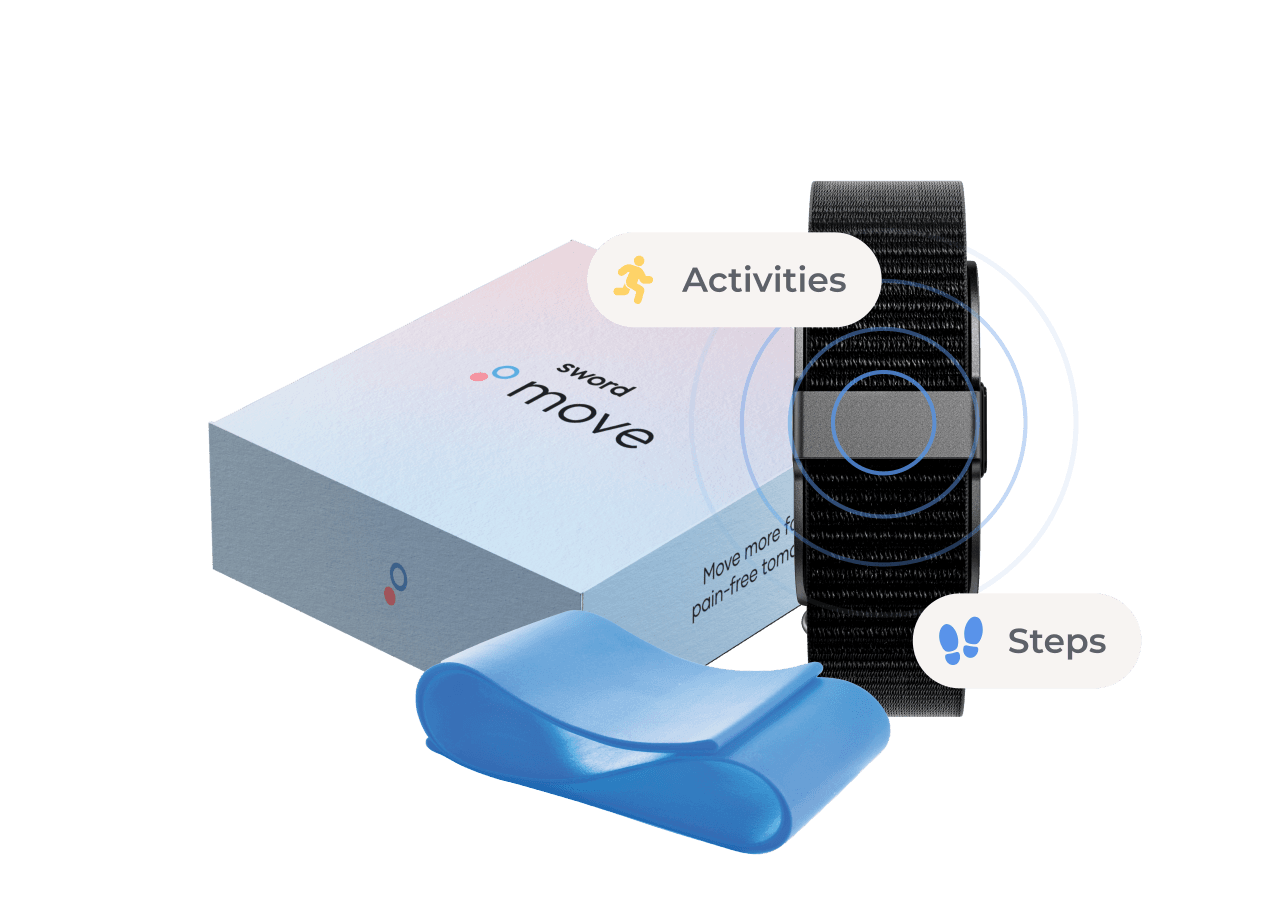
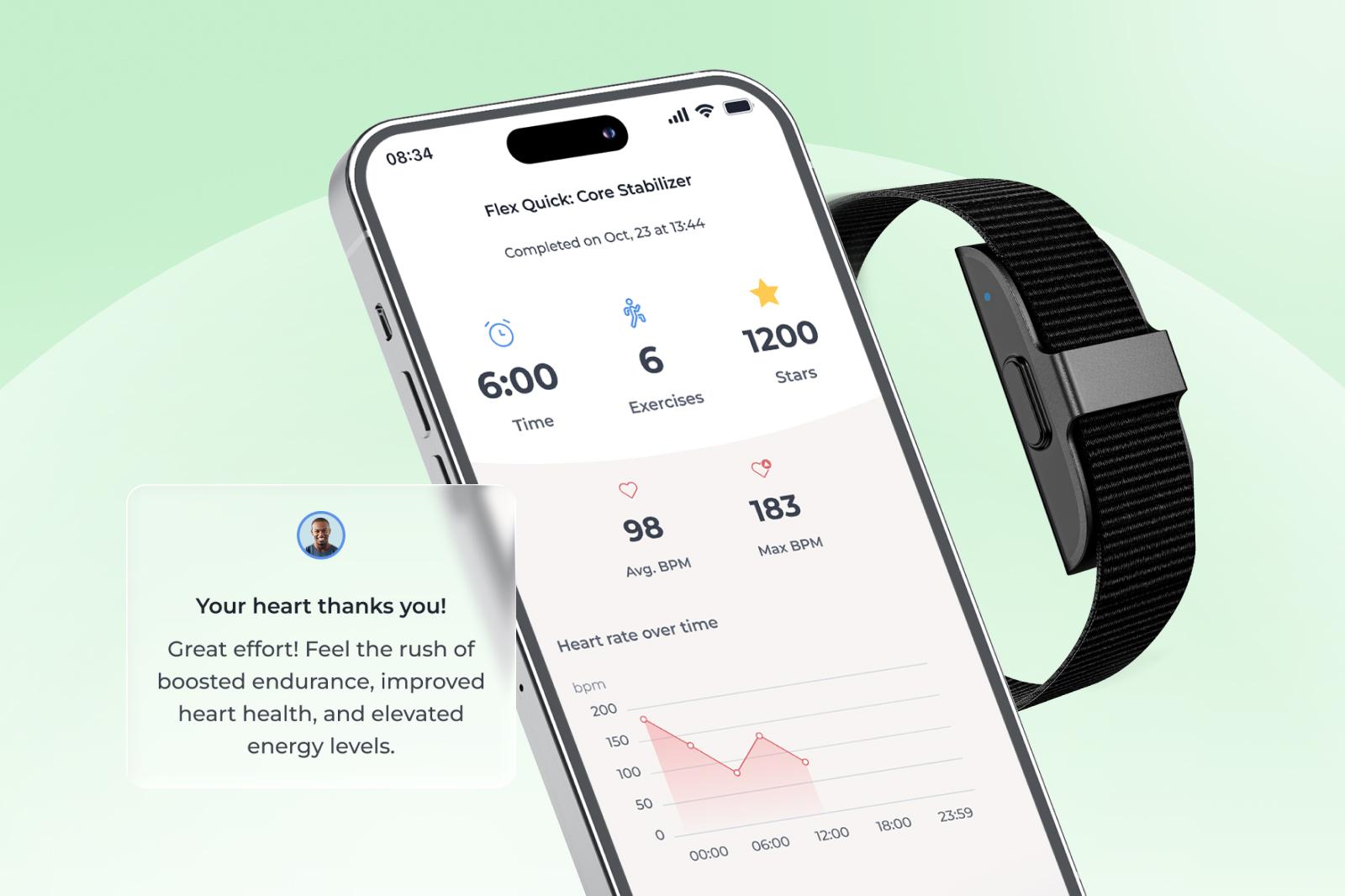
- Real-time tracking: All members can use a complimentary Move wearable to track activity, heart rate, and movement. You can also connect your own Apple Watch, Fitbit, or Android device to track your progress.
- Short, accessible sessions at home: No gym or equipment required. Sessions range from 90 seconds to 24 minutes, making it easy to stay consistent.
- Progress that adapts with you: As your strength, energy, or goals change, your Move Plan evolves too.
- Built-in accountability. Regular check-ins and feedback help you stay motivated and on track.
Move removes guesswork and replaces it with a supportive routine that helps you stay strong while losing weight.
Get started with Sword Move for whole-body strength
Move is designed to help you build regular movement habits
Move is not a fitness app. It is a guided, supportive program built specifically for people who need a safe, effective way to:
- Preserve muscle
- Increase activity
- Reduce strain on joints
- Build lasting habits
- Improve confidence
This is especially important for people taking weight loss medications like Mounjaro, where the stakes are high and movement is essential.
Start building strength from the comfort of home
If you are already losing weight with Mounjaro, this is the ideal time to start preserving your muscle. The earlier you begin, the more strength, confidence, and stability you will maintain throughout your journey.
By pairing Mounjaro with structured, personalized movement through Move, you are not just losing weight. You are building a healthier, stronger version of yourself that can carry you forward for years.
Sword’s Move program may already be covered in your health plan at no cost to you. Many US employers and health plans offer Move to their members. Check your eligibility now and you could get started right away.
About the author

Sword Editorial Team
Evidence-based healthcare insights