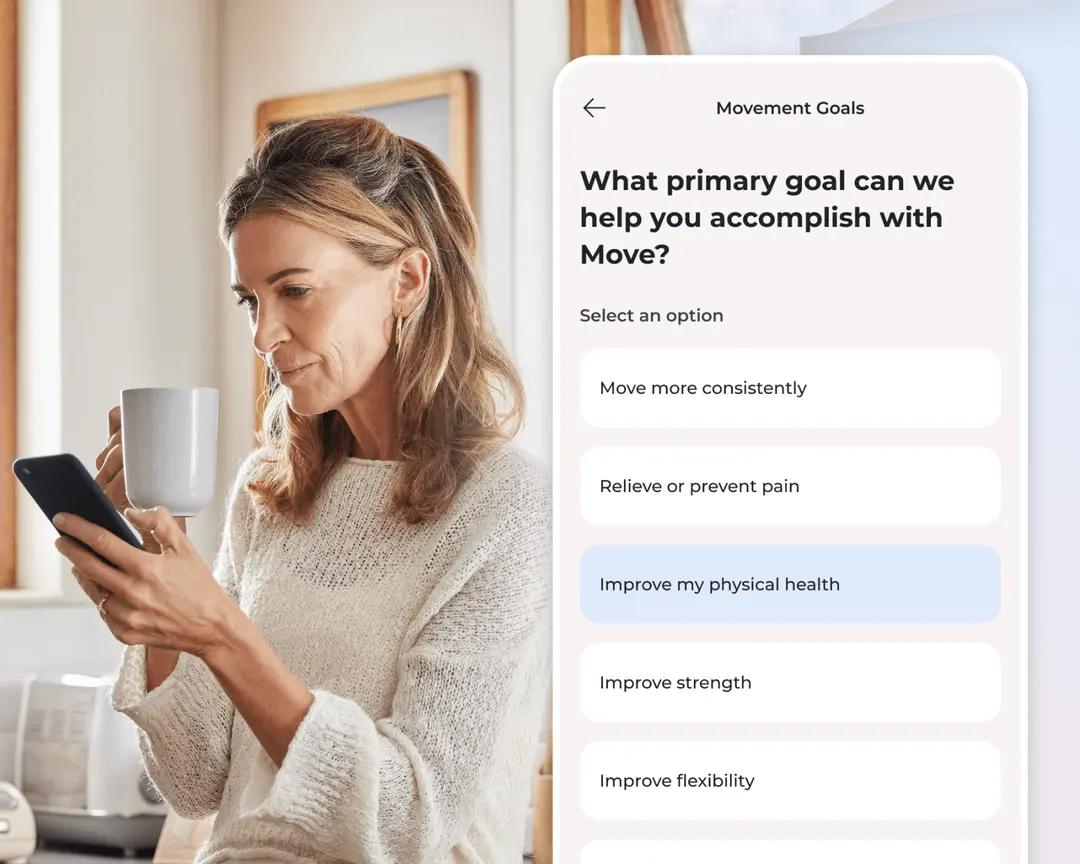
Check if Move is covered for you
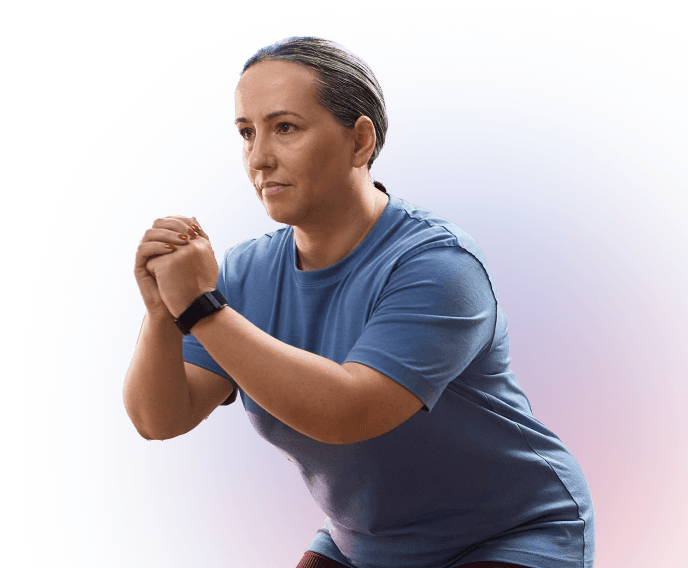
The numbers have been moving in the right direction. Weight down. Blood sugar improving. Your doctor, at the last appointment, said something you had been waiting to hear. Mounjaro has been doing what it was prescribed to do. And underneath all of that, quietly, a question has been forming. What happens to the weight loss if you have to stop using Mounjaro?
It might be the cost. It might be your coverage that changes at your next renewal. It might be side effects that have made higher doses harder to manage. Or it might simply be the awareness that you are not certain this medication is something you can or will stay on indefinitely.
For anyone managing blood sugar alongside weight, the question carries particular weight. The HbA1c is something you have worked hard to bring down. The numbers that finally moved. These are things you live with every day and the possibility of watching them reverse is worth taking seriously before it happens.
The Sword summary warm-up
If you don't have time for the full article, here are the key takeaways.
- Mounjaro works through two hormonal pathways at once, which makes stopping different from a standard GLP-1.
- Research shows up to two-thirds of people regain weight within 12 months of stopping GLP-1 therapy. For Mounjaro users managing metabolic conditions, blood sugar improvements can also reverse without the right habits in place.
- Up to 39% of weight lost on GLP-1 therapy can come from lean muscle, which lowers your metabolic rate and reduces the insulin sensitivity gains tirzepatide produces.¹ ²
- What protects your results: strength training, enough protein, and consistent daily habits built during treatment, not after stopping.³ ⁴
- Move, Sword Health's whole-body movement solution, helps you build those habits at home with a personalized plan and a dedicated specialist.
What stops working when you stop Mounjaro
Mounjaro contains tirzepatide, a medication that activates two hormonal pathways at once. That dual action is what makes it one of the most effective options available for weight loss and blood sugar management. It lowers appetite, improves how your body uses insulin, and produces metabolic changes that go beyond what a single-pathway GLP-1 can achieve. When the medication stops, both sets of effects stop with it.
Research shows that up to two-thirds of people regain weight within 12 months of stopping GLP-1 use.³ For Mounjaro users managing prediabetes or type 2 diabetes alongside weight, the stakes go further than the scale. The blood glucose improvements, the HbA1c reductions, the insulin sensitivity gains: without the habits to sustain them, these begin to reverse when the medication ends.
Stopping is more common than most people expect. Up to 70% of GLP-1 users discontinue within one year, driven by cost, insurance changes, gastrointestinal side effects, or access disruptions.⁵ The combination of those real-world pressures and the risk of reversal is exactly what makes building protective habits worth doing now, not later. The biology that explains why results reverse also shows what prevents it.
The weight you lose isn't only fat
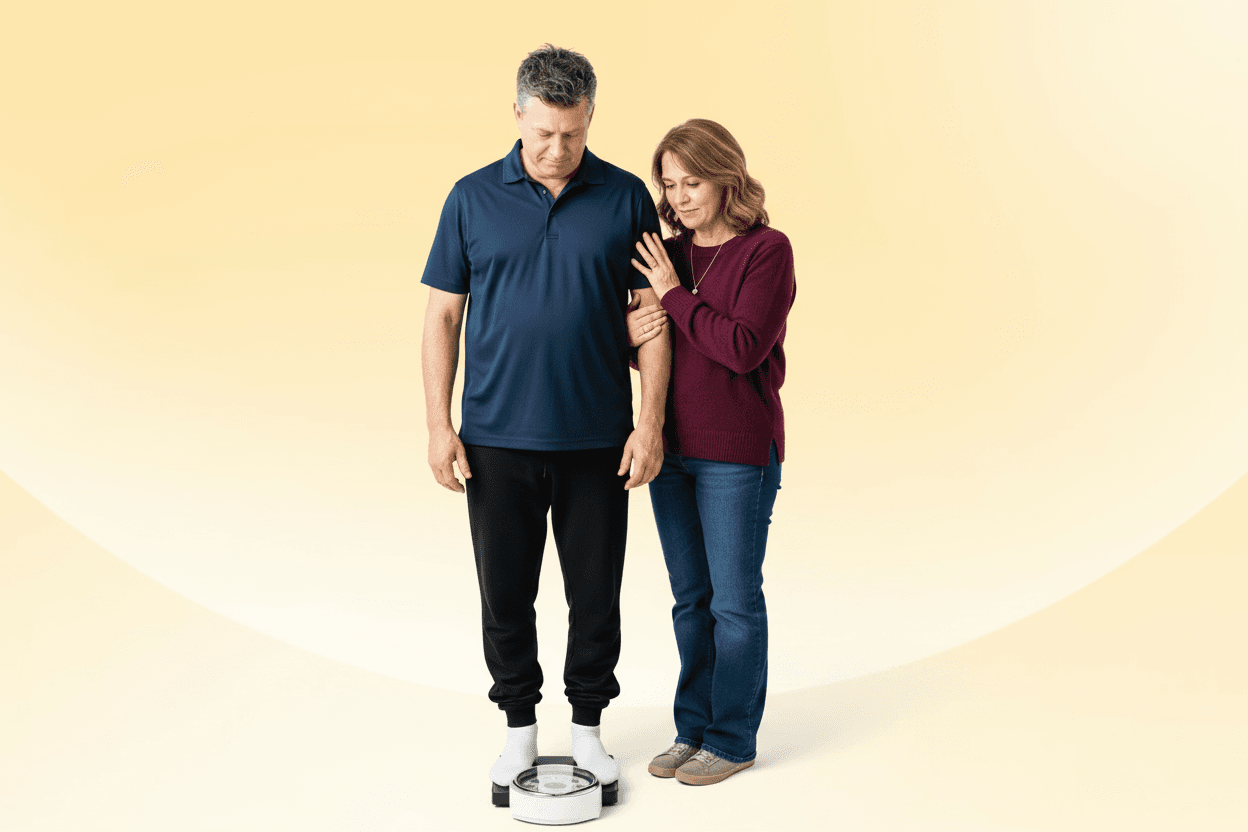
Up to 39% of weight lost on GLP-1 therapy can come from lean muscle, not fat.¹ ² That changes the picture in two important ways for tirzepatide, and specifically, Mounjaro users. Muscle drives metabolism. Losing lean mass during treatment quietly lowers how many calories your body burns at rest, which makes weight regain after stopping faster and harder to reverse than the scale alone would suggest.
More specific to Mounjaro users managing blood sugar:
- skeletal muscle is where your body uses insulin to manage blood glucose.
- The more lean muscle you carry, the more efficiently your body handles blood sugar.
- Losing significant muscle during treatment erodes the metabolic improvements tirzepatide was producing, even while weight is still moving in the right direction.
For older adults the risks compound. Low muscle mass is linked to a 60% higher fall risk⁶ and a 2.5-fold increase in disability risk for people who carry too little muscle alongside excess weight.⁷ The medication has been doing meaningful metabolic work and the evidence shows clearly what protects it.
What the research says actually works after stopping Mounjaro
The World Health Organization's 2025 guidelines now recommend structured diet and exercise alongside GLP-1 therapy as standard care.⁸ For people managing metabolic conditions, the evidence behind that recommendation is specific and substantial.
People who combined supervised exercise with their medication maintained 9.5 kg more weight loss at one year after stopping than those who took medication alone.⁴
The combination also improved HbA1c, how well the body uses insulin, and heart and lung fitness. It preserved hip and spine bone density, which matters because muscle loss increases fracture risk.⁹ And a key inflammation marker (hsCRP) dropped by 43% in the group that exercised, compared to no meaningful change in the medication-only group.¹⁰
The general learning here is that consistent physical exercise habits help to keep the weight off after stopping Mounjaro.

For Mounjaro users, the logic extends beyond general weight maintenance. Protecting those improvements means building habits that can sustain them on their own:
- muscle that keeps insulin working efficiently,
- routines that help regulate blood sugar between meals,
- and strength that supports staying active over time.
Three things the evidence supports most clearly:
- Resistance training first. Muscle is where glucose gets used. Building more of it improves how your body handles blood sugar directly. This is the most important form of exercise for anyone managing metabolic conditions on tirzepatide. Short, consistent sessions beat occasional intense ones every time.
- Protein needs active attention. When appetite drops significantly on Mounjaro, eating enough protein is harder than it sounds. But protein is what your muscles need to stay intact during weight loss. For anyone managing blood sugar as well as weight, what you eat matters as much as how much.
- Start during treatment, not after. The best time to build a movement routine is while tirzepatide is working and your energy is more stable. By the time the medication stops and hunger has returned, you are starting from a harder place.
How to build the habits that hold your results
Most people do not have a strength coach, a clinical specialist, and a workable home routine ready for the moment this question becomes urgent. They have a medication that is working, and real uncertainty about what happens when it changes.
That is the gap Move was built for. Move is Sword Health's whole-body movement solution. It helps you build lasting strength habits at home, lose weight, and reduce injury risk, with a plan matched to where you are starting, not where you think you should be.
Get started with Sword Move for whole-body strength
Instead of expecting you to figure it out alone, Move gives you a personalized movement plan you can actually follow at home. The sessions are built around where you are starting, not where you think you should be. Move helps you stay on track, even when your energy is inconsistent, confidence is low, or your body feels different than it did before medication.
Move is the ideal support to people using Mounjaro, and for those planning to, or thinking about stopping Mounjaro. Here is what makes Move different from a generic fitness app and why it works so well for people taking GLP-1s:
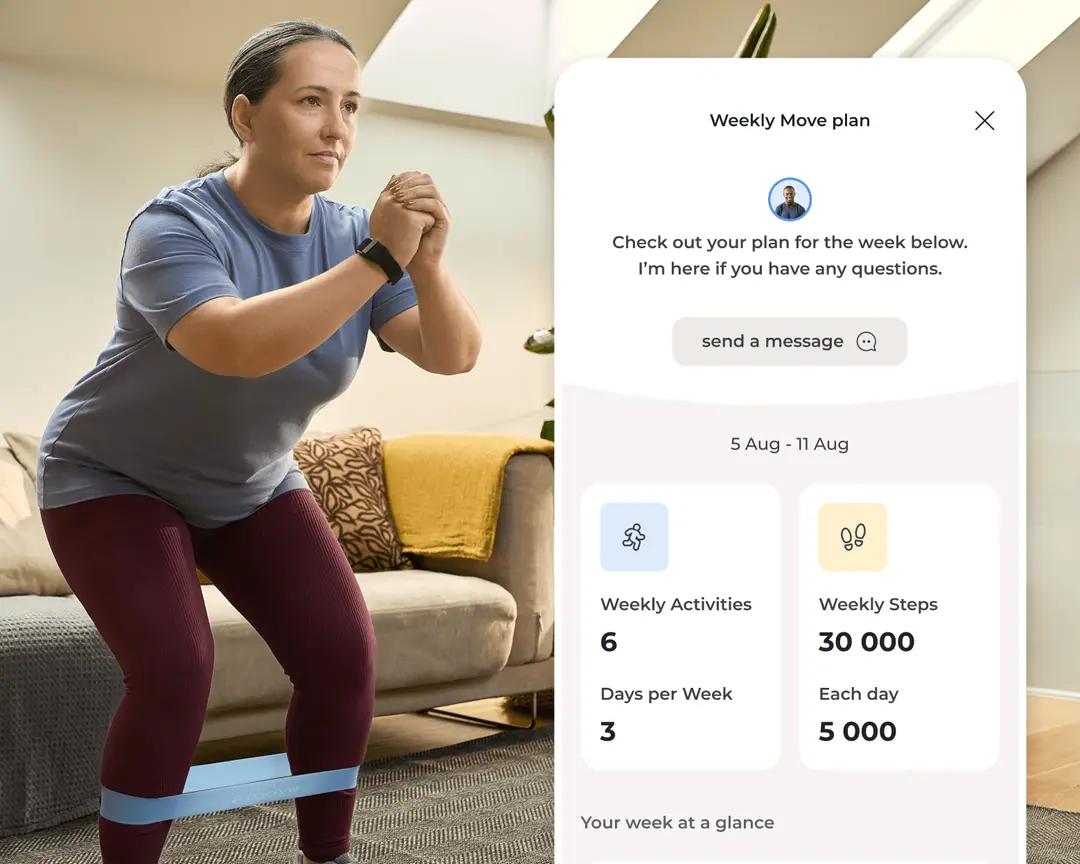
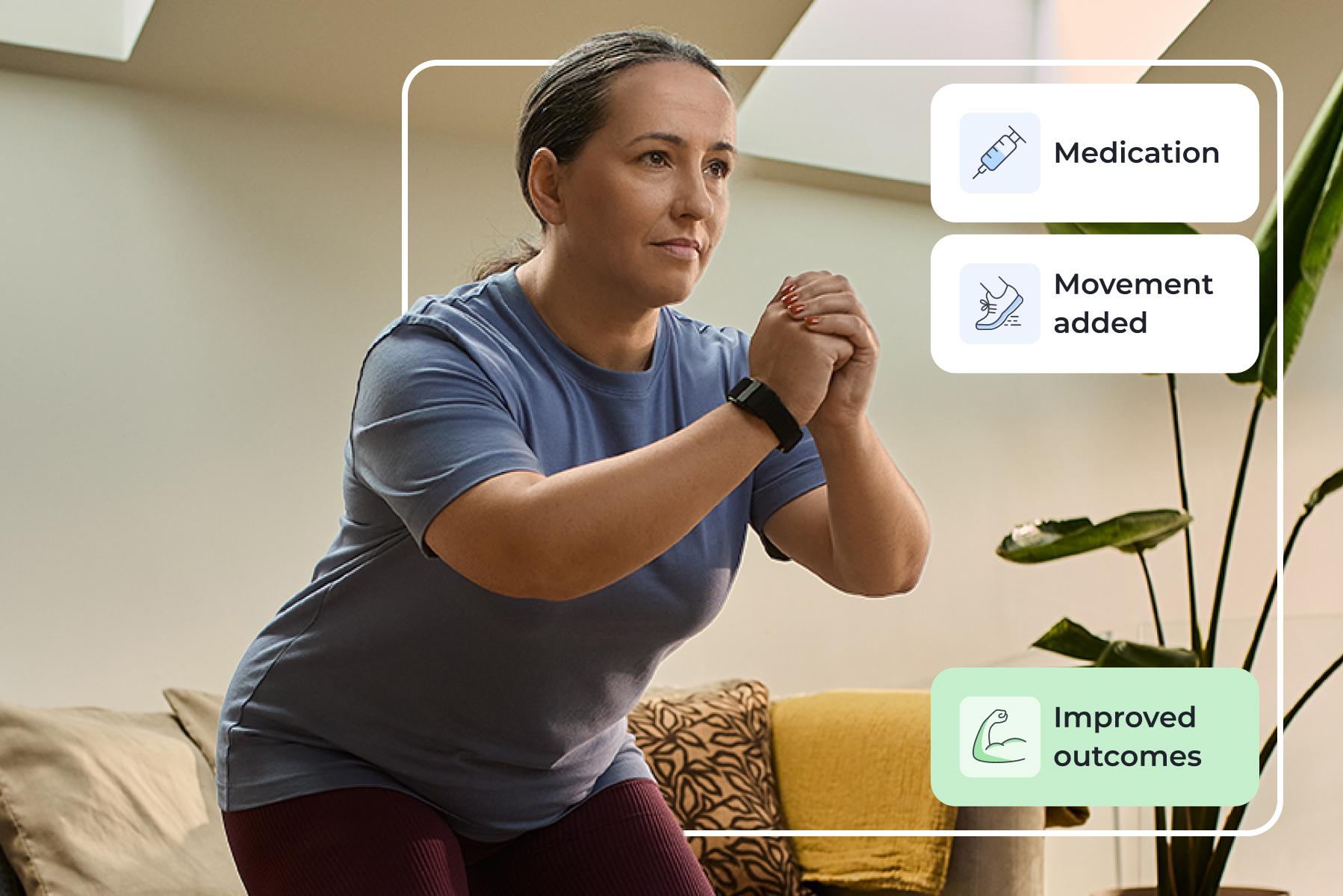
- Personalized support: You are paired with a dedicated Physical Health Specialist who creates a weekly Move Plan tailored to your needs, goals, lifestyle, and progress.
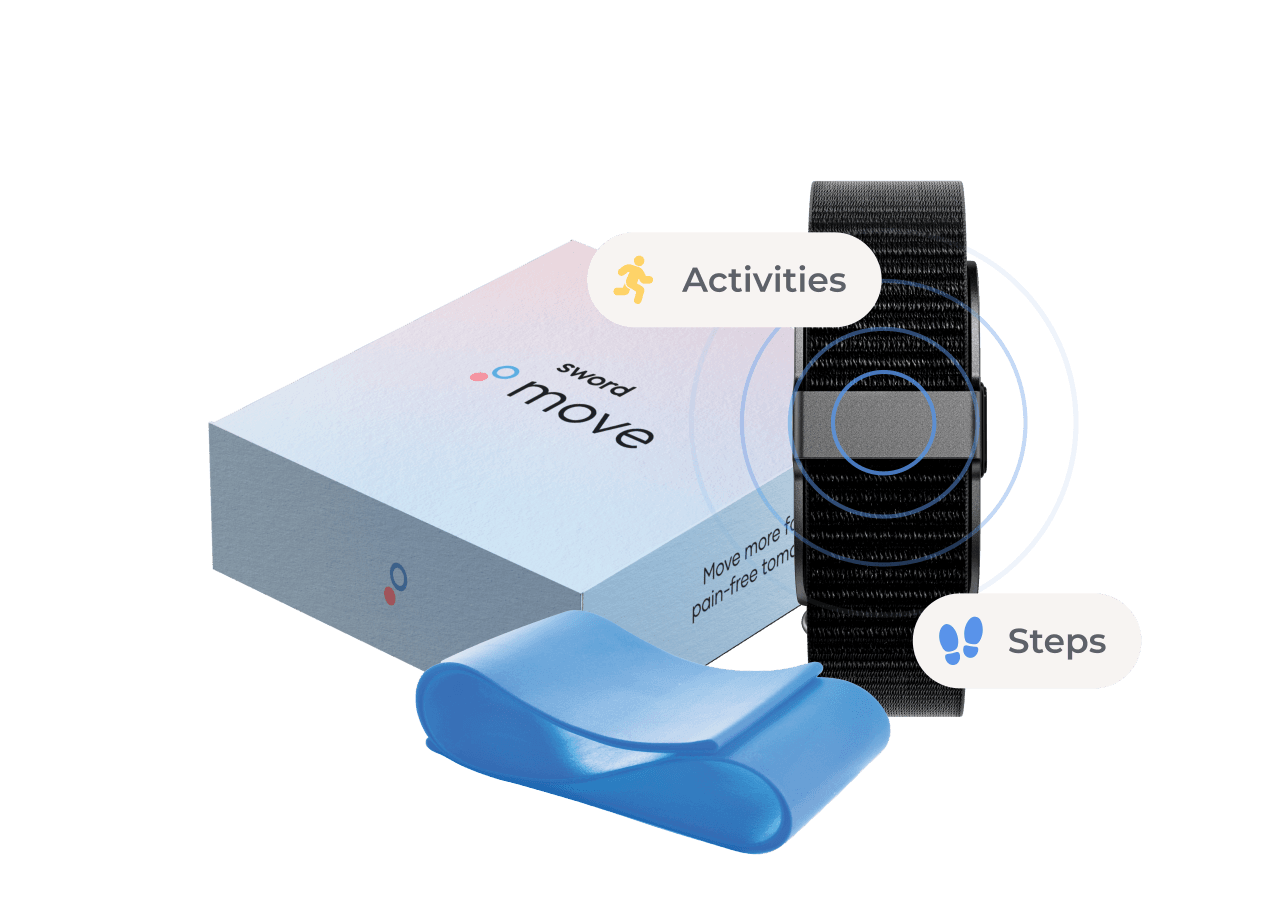
- Real-time tracking: All members can use a complimentary Move wearable to track activity, heart rate, and movement. You can also connect your own Apple Watch, Fitbit, or Android device to track your progress.
- Short, accessible sessions at home: No gym or equipment required. Sessions range from 90 seconds to 24 minutes, making it easy to stay consistent.
- Progress that adapts with you: As your strength, energy, or goals change, your Move Plan evolves too.
- Built-in accountability. Regular check-ins and feedback help you stay motivated and on track.
Move removes guesswork and replaces it with a supportive routine that helps you stay strong while losing weight.
Start your Move plan now, while Mounjaro is still working
Building the physical habits that can sustain those gains when the medication changes is how you hold onto them. You don't need a gym program or high-intensity cardio programming. You don't need to overhaul of how you live. A consistent routine and the right expert support will help you protect your results while tirzepatide is still doing its work alongside you.
Research is clear: structured movement during GLP-1 treatment significantly improves how durable weight and metabolic results are after stopping.³ ⁴ Access to support that shows up every day, adapts to their life, and does not require a clinic visit to begin is the part that has been missing.
Sword’s Move program may already be covered in your health plan at no cost to you. Many US employers and health plans offer Move to their members. Check your eligibility now and you could get started right away.
About the author

Sword Editorial Team
Evidence-based healthcare insights