Check if Move is covered for you
Something shifted when you started Zepbound. The scale started to move as the weight started to drop and your body felt different. For many people, it is the first time weight management has worked in a way that feels sustainable rather than exhausting. The fact that Zepbound has worked to help you lose weight makes one question hard to sit with. What happens if you have to stop using Zepbound after all this success?
It might be insurance or the cost. You might be dealing with side effects at higher doses that have made the medication harder to tolerate. Or it might be the quiet awareness that you cannot count on a medication indefinitely, no matter how well it is working.
You are not overthinking it. That question deserves a straight answer. Understanding what actually happens, and what you can do about it, is the most useful thing you can do right now.
The Sword summary warm-up
If you do not have time for the full article, here are the key takeaways.
- Zepbound works through two hormonal pathways at once. When the medication stops, both sets of effects stop with it.
- Research shows up to two-thirds of people regain weight within 12 months of stopping GLP-1 therapy. The momentum Zepbound created does not have to reverse with it.
- Up to 39% of weight lost on GLP-1 therapy can come from lean muscle, not fat. Losing muscle quietly makes weight regain faster and harder to reverse.¹ ²
- What protects your results: strength training, enough protein, and consistent daily habits built during treatment, not after stopping.³ ⁴
- Move, Sword's whole-body movement solution, helps you build those habits from home with a personalized plan and expert support
Why the results can reverse when you stop using Zepbound
Zepbound contains tirzepatide, a medication that activates two hormonal pathways at once. That dual action is what makes it one of the most effective weight loss medications available right now. It lowers appetite significantly, slows how quickly food leaves your stomach, and changes how your body responds to hunger in a way that makes sustained weight loss feel manageable for the first time. When the medication stops, those effects stop too.
- Hunger returns to its pre-treatment level.
- The body's drive to return to its previous weight reasserts itself.
- Research shows that up to two-thirds of people regain weight within 12 months of stopping GLP-1 therapy.³
These findings of weight regain don't represent a personal failure. There is something more fundamental about how obesity works as a condition: the body pushes back when the pharmacological support that was helping regulate it is removed.
Stopping is also more common than most people expect. Up to 70% of GLP-1 users discontinue within one year, driven by cost, insurance changes, gastrointestinal side effects, or access disruptions.⁵ For anyone who has hit a Zepbound plateau or is managing escalating costs, the combination of those pressures and the risk of reversal makes planning ahead worth doing now. The same biology that explains the regain risk shows what reduces it.
Some of the weight lost is often muscle, not fat
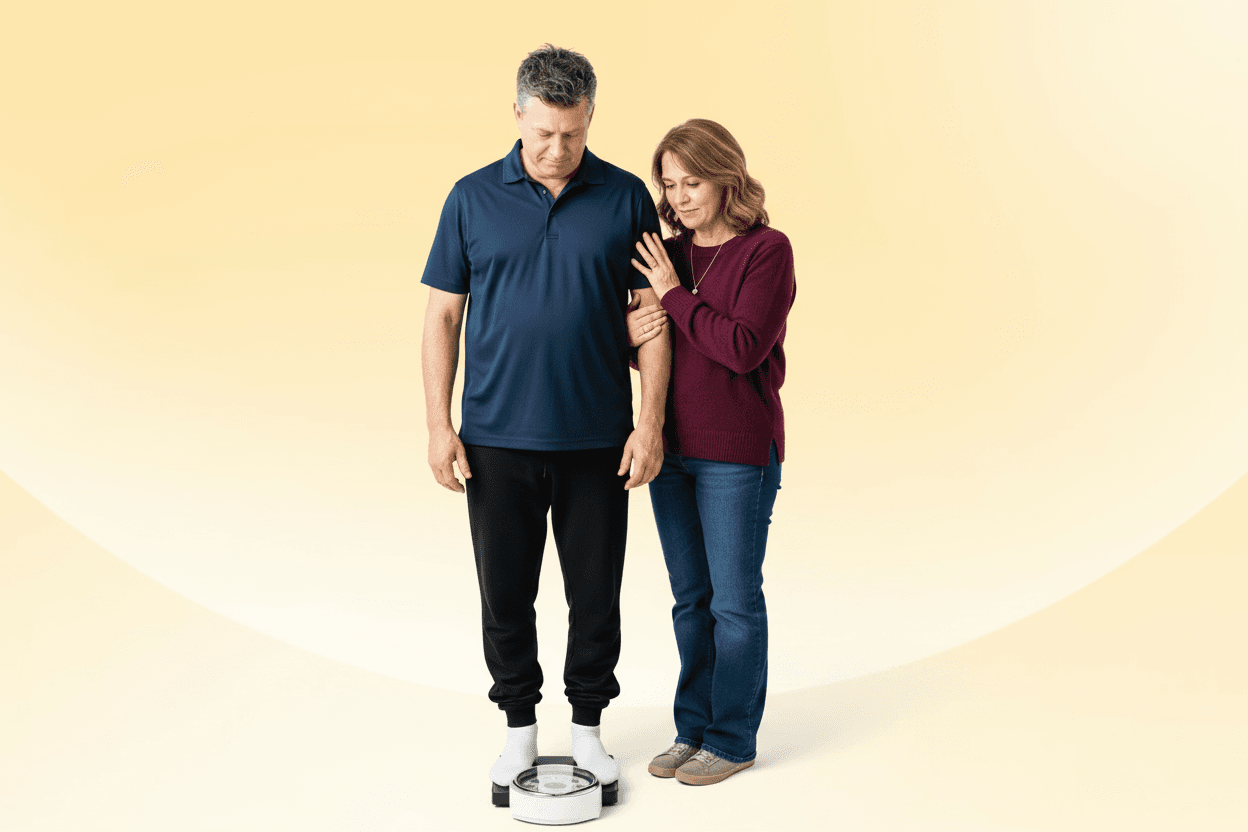
Here is something the scale does not tell you: a significant portion of the weight you lost on Zepbound may not have come from fat.
Research shows that up to 39% of weight lost on GLP-1 therapy can come from lean muscle mass.¹ ² For someone who has lost 25 or 30 pounds on Zepbound, that could mean close to 10 pounds of that loss was muscle rather than fat.
Muscle is what drives metabolism. The more lean muscle you carry, the more calories your body burns at rest, and the more resilient you are to weight regain when the medication stops. Losing a meaningful amount of it during treatment quietly undermines how durable Zepbound's results can be, regardless of what the scale shows while you are on it.
That is why two people can lose the same amount of weight on GLP-1 therapy and have very different experiences after stopping. The one who preserved more muscle has a faster metabolism, a stronger physical foundation, and a significantly better chance of keeping the weight off.
The risks compound further as people get older. Low muscle mass is linked to a 60% higher fall risk⁶ and a 2.5-fold increase in disability risk for people who carry too little muscle alongside excess weight.⁷ A lower number on the scale is worth protecting. So is the physical capacity to keep it there. Read more about Zepbound and muscle loss for a detailed guide on how to protect your strength while using the medication.
What the evidence says: how to help keep the weight off
The World Health Organization's 2025 guidelines now recommend structured diet and exercise alongside GLP-1 therapy as standard care.⁸ The evidence behind that recommendation is specific, and the gap it reveals between people who build these habits and people who do not is not small.
People who combined supervised exercise with GLP-1 therapy maintained 9.5 kg more weight loss at one year after stopping than those who took medication alone.⁴ Nine and a half kilograms is the difference between holding onto most of what Zepbound delivered and watching most of it go.
Beyond weight, the combination improved heart and lung fitness and preserved hip and spine bone density, which matters because muscle loss increases fracture risk.⁹ A key inflammation marker (hsCRP) dropped 43% in the group that exercised, compared to no meaningful change in those who took medication without exercise.¹⁰
For Zepbound users, three practical lessons are clear
- Strength training is the most important thing. Resistance training gives your body a reason to hold onto muscle while you lose weight. It also raises your metabolic rate and makes long-term weight maintenance more realistic. Short, consistent sessions at home produce better results than occasional intense ones at a gym.
- Protein deserves more attention than you might expect. When appetite drops significantly on Zepbound, eating enough protein becomes harder than it sounds. But protein is the raw material your muscles need to stay intact during weight loss. If you are eating less overall, the quality of what you eat matters more.
- Build the habits now, not after stopping. The best time to start a movement routine is while Zepbound is working and your energy is relatively stable. Starting after the medication stops, when hunger has returned and momentum is harder to find, is a significantly harder starting point.

How to keep weight loss after stopping Zepbound
Most people do not have a strength coach, a personalized home routine, and a specialist checking in every week already in place when the question of stopping becomes real. They have a medication that has been working, and genuine uncertainty about what comes next.
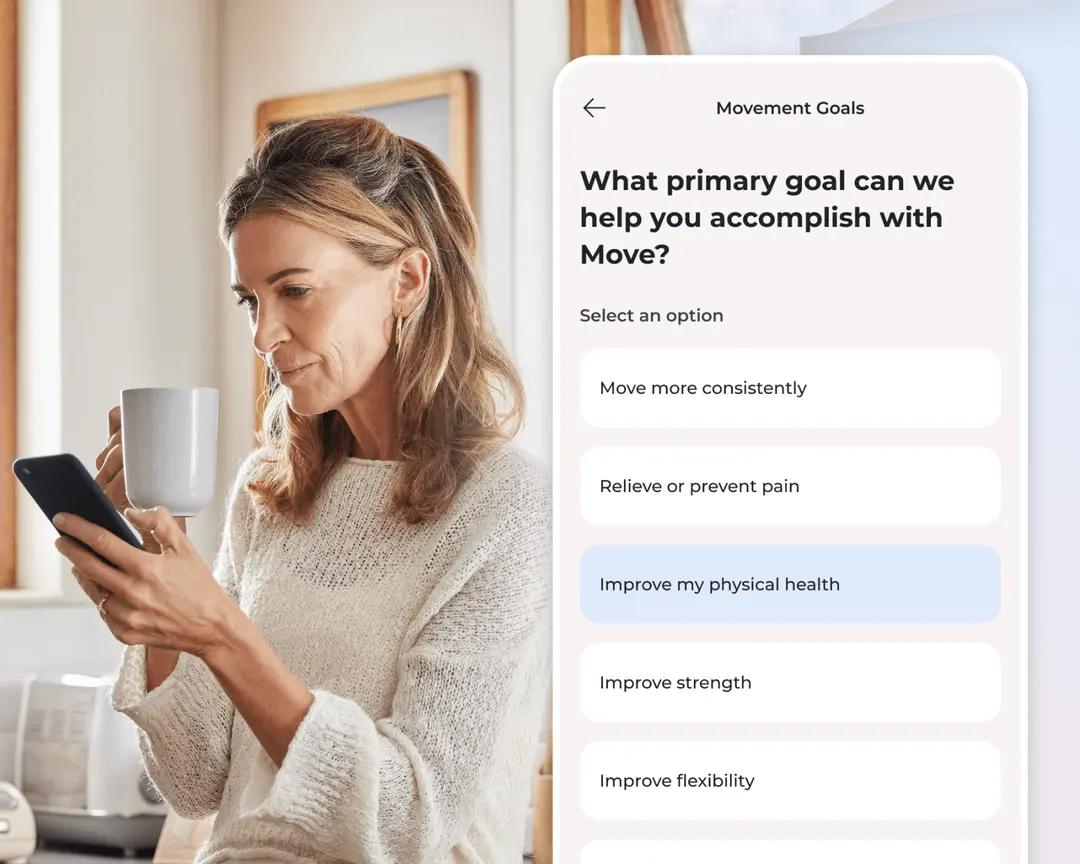
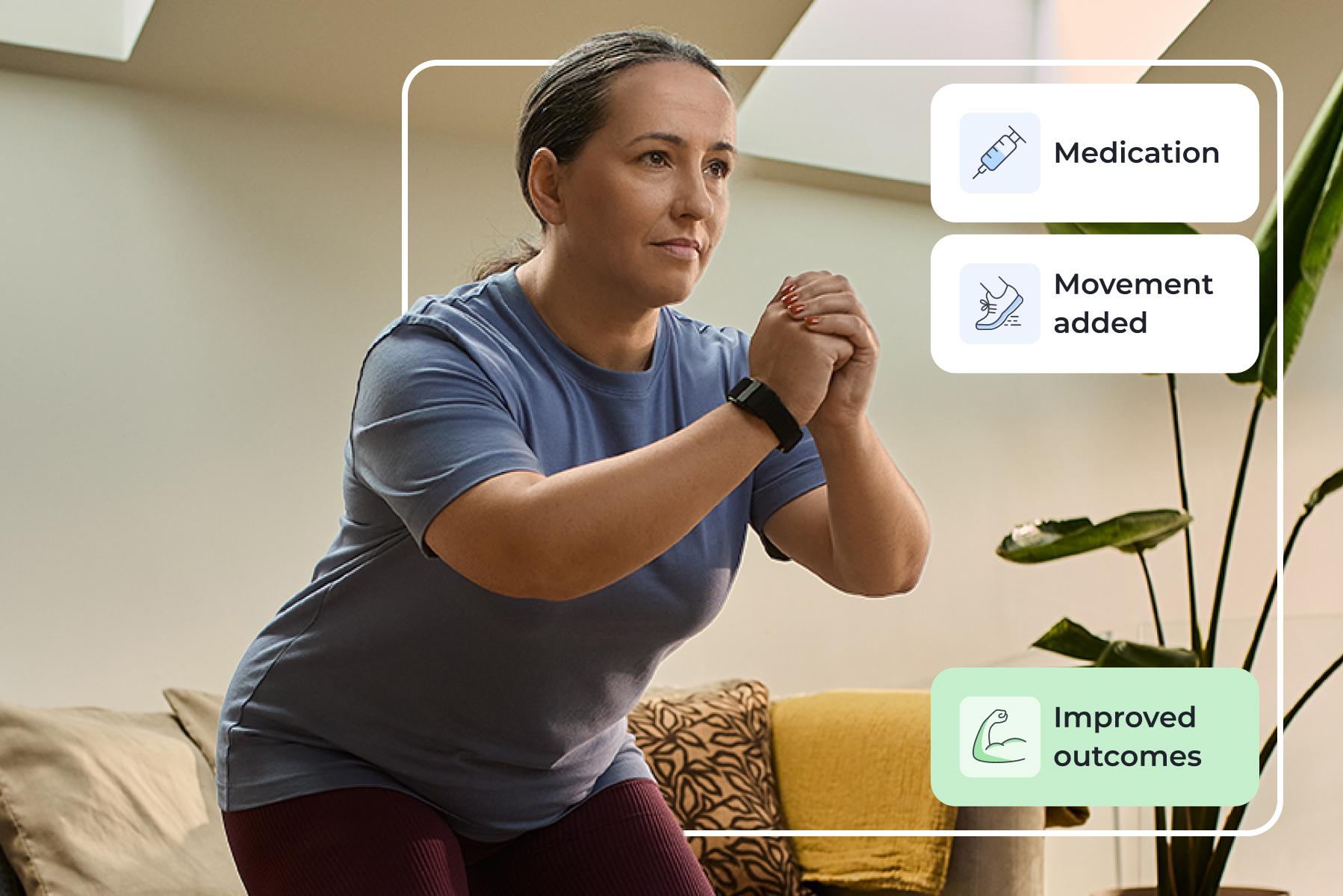
That is exactly what Move was built for. Move is Sword Health's whole-body movement plan that helps you build lasting strength habits at home and reduce injury risk, with consistent guidance and expert support.
Get started with Sword Move for whole-body strength
Instead of expecting you to figure it out alone, Move gives you a personalized movement plan you can actually follow at home. The sessions are built around where you are starting, not where you think you should be. Move helps you stay on track, even when your energy is inconsistent, confidence is low, or your body feels different than it did before medication.
Here is what makes Move work well for people on Zepbound or planning to stop:
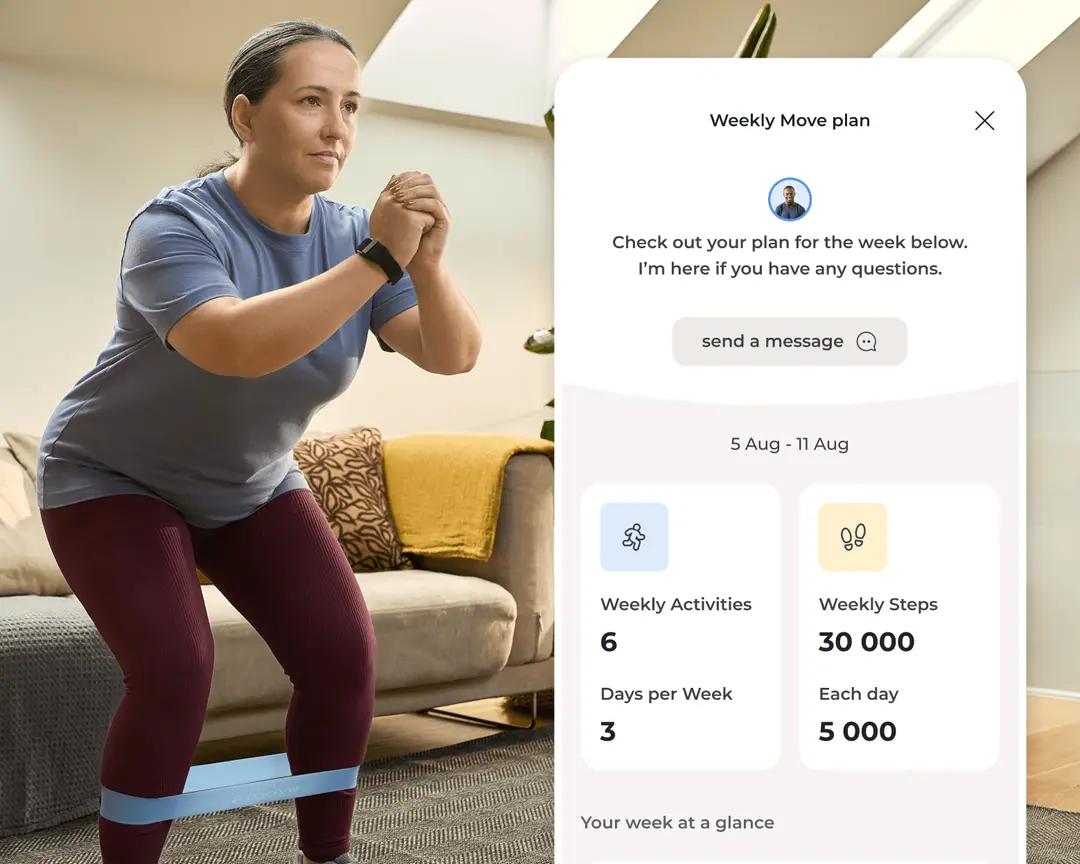
- Personalized support: You are paired with a dedicated Physical Health Specialist who creates a weekly Move Plan tailored to your needs, goals, lifestyle, and progress.
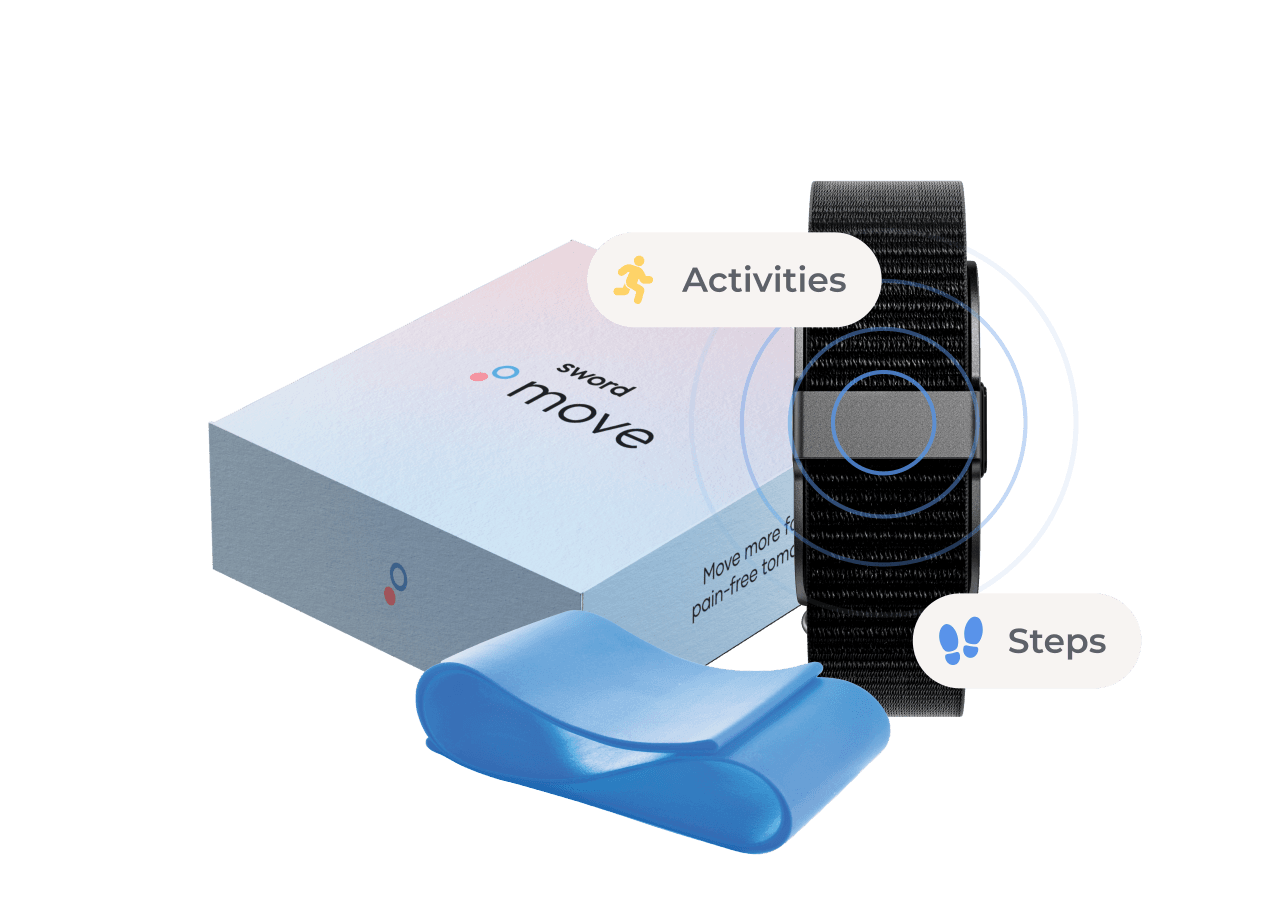
- Real-time tracking: All members can use a complimentary Move wearable to track activity, heart rate, and movement. You can also connect your own Apple Watch, Fitbit, or Android device to track your progress.
- Short, accessible sessions at home: No gym or equipment required. Sessions range from 90 seconds to 24 minutes, making it easy to stay consistent.
- Progress that adapts with you: As your strength, energy, or goals change, your Move Plan evolves too.
- Built-in accountability. Regular check-ins and feedback help you stay motivated and on track.
Move removes guesswork and replaces it with a supportive routine that helps you stay strong while losing weight.
Start now, while Zepbound is still working
Zepbound works. For many people, it delivers results that other approaches did not, faster and with less friction than previous attempts. The question now is whether the physical habits are in place to sustain them.
Strength training and high protein intake during treatment rather than after stopping, are the most protective factors the evidence consistently identifies. People who build those habits while on medication hold onto significantly more of their progress than those who start from scratch afterward.³ ⁴ A gym is not required. A perfect routine is not required. A plan that fits your actual life, a specialist who adjusts it as things change, and enough consistency to keep building after Zepbound's work is done: that is what makes the difference.
Sword’s Move program may already be covered in your health plan at no cost to you. Many US employers and health plans offer Move to their members. Check your eligibility now and you could get started right away.
About the author
Sword Editorial Team
Evidence-based healthcare insights