Check if Move is covered for you
The Sword Summary Warm-up
Don’t have time for the full workout? We’ve got you covered with a quick, high-intensity session. Here are the key takeaways:
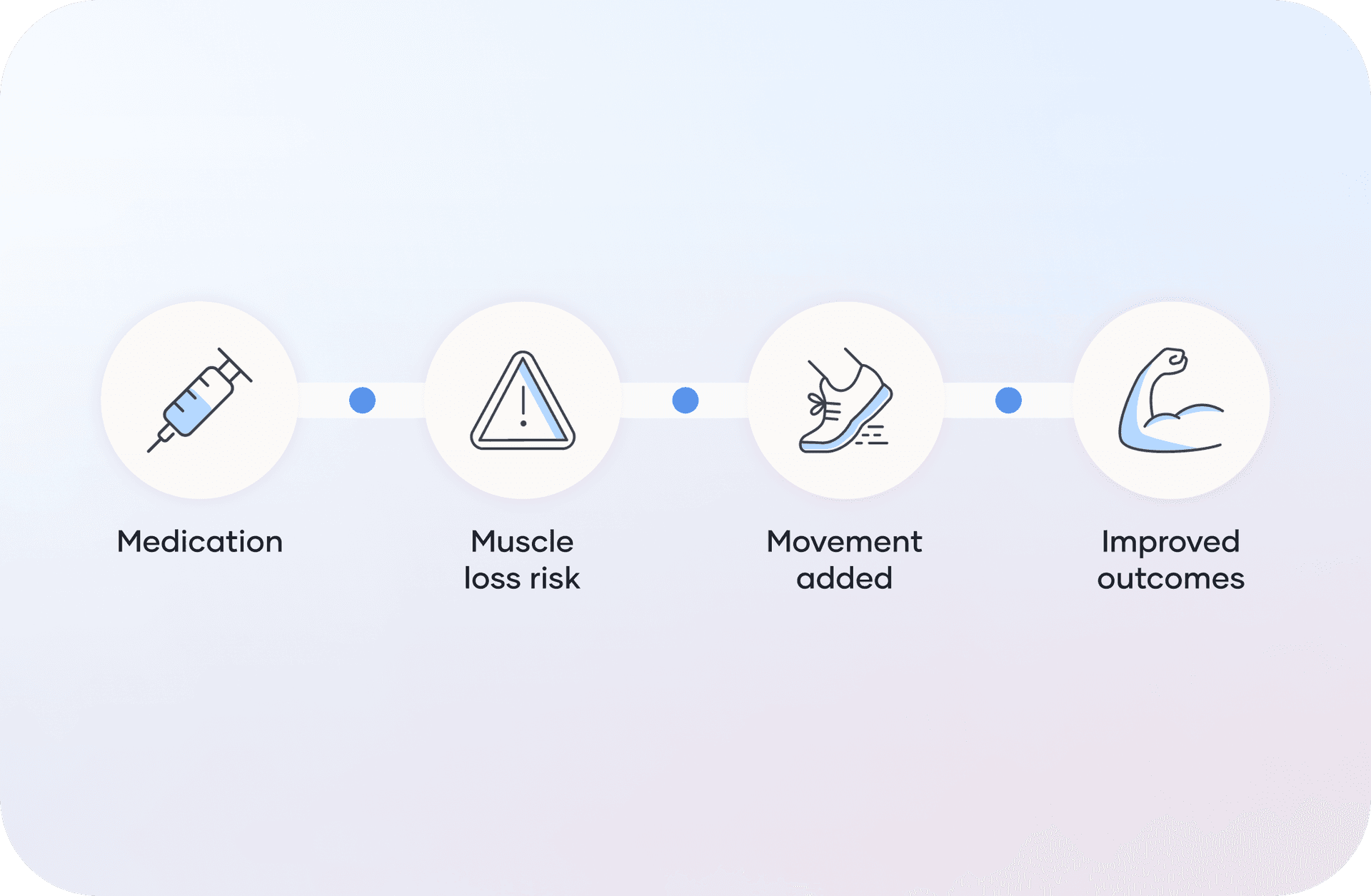
- GLP-1 medications can support meaningful weight loss, but without movement, muscle loss can occur alongside fat loss.¹
- Exercise on GLP-1s does not need to be intense. Short, strength-focused sessions help protect muscle, support energy, and improve stability.²
- Structured, guided movement makes it easier to stay consistent when appetite and energy fluctuate during GLP-1 treatment.
- Move, Sword Health’s whole-body movement solution, makes strengthening simple and personalized from home.
What is the best exercise plan while on GLP-1s?
Starting a GLP-1 medication like Ozempic, Wegovy, or Mounjaro often feels like a turning point. Appetite goes down. The scale begins to move. For many people, weight loss finally feels possible.
Soon after, a new question takes center stage. What should I be doing with my body now?
This uncertainty is common. Many people worry about exercising too much, choosing the wrong type of activity, or pushing themselves when energy feels lower than usual. Others assume that because weight loss is already happening, exercise can wait. The reality is more encouraging. Staying strong while losing weight does not require intense workouts or rigid routines. With the right approach, exercise on GLP-1s can feel supportive, manageable, and easy to fit into daily life.
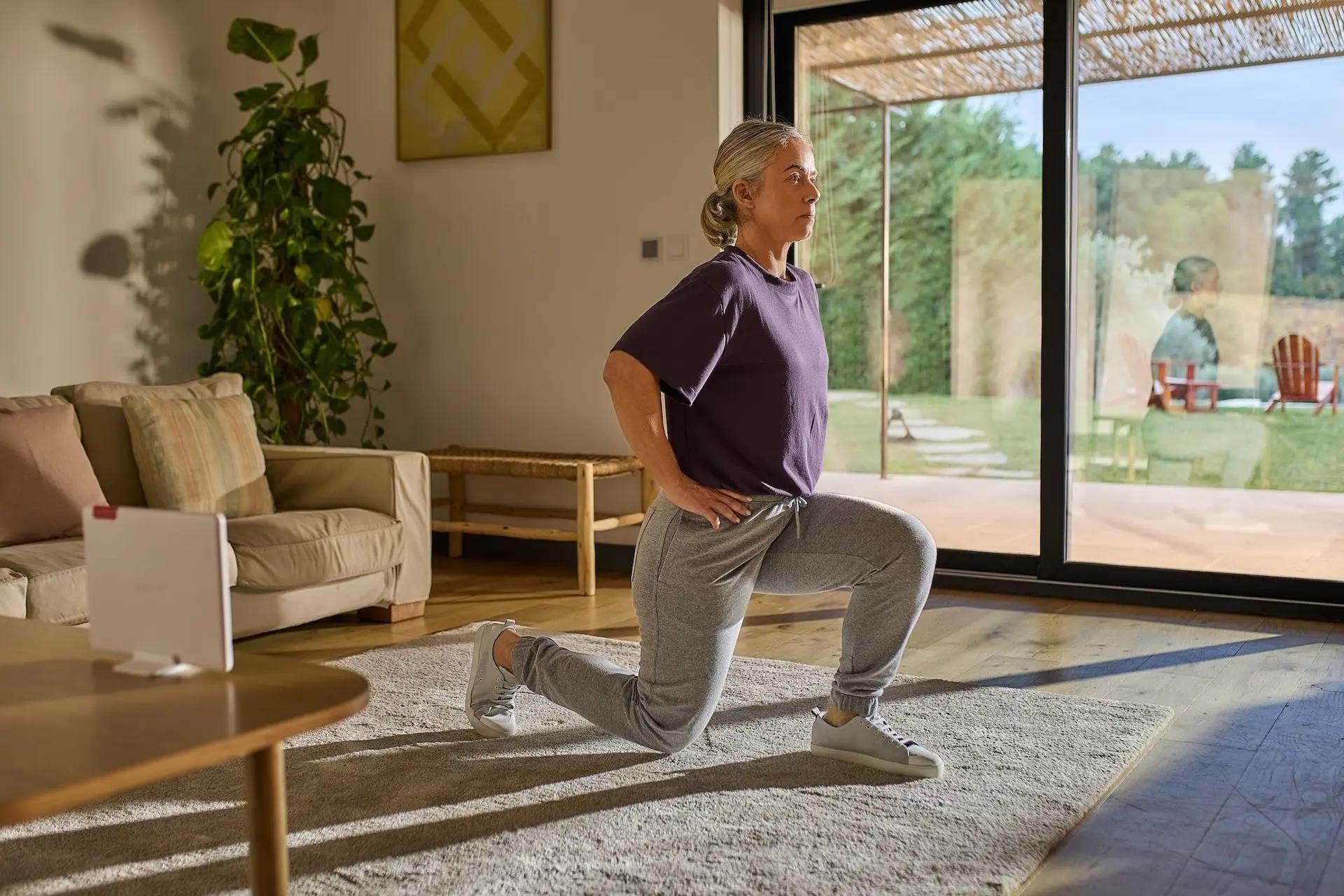
Why exercise feels different on GLP-1 medications
GLP-1 medications reduce appetite and slow digestion, which helps weight loss occur. At the same time, these changes affect how the body feels and moves throughout the day.
Eating less often means taking in fewer calories and sometimes less protein. Energy levels may fluctuate. Many people also find themselves moving less without realizing it. Steps decrease. Sitting time increases. Strength-based activity slowly fades.
These shifts are normal. They also explain why some people feel weaker or less steady during weight loss, even when the scale is going down. Without intentional movement, the body can lose muscle along with fat. This pattern is explored in more detail in our guide on GLP-1 muscle loss, which explains why preserving strength is essential during medication-supported weight loss.
Understanding this context helps reframe the role of exercise. The goal is not to burn more calories or speed up weight loss. The goal is to protect muscle so weight loss improves how you function, move, and feel over time.
What exercise should look like during GLP-1 weight loss
Exercise during GLP-1 treatment works best when it supports the body rather than challenges it aggressively.
Instead of long or exhausting workouts, the most effective approach focuses on:
- Short sessions that fit easily into the day
- Strength-focused movement rather than cardio-heavy routines
- Consistency over intensity
- Gradual progress as the body adapts to weight loss
This style of movement helps the body adjust to change instead of breaking down during it. It is especially important for people who want to maintain muscle during weight loss, not just see the number on the scale decrease.
Thinking about exercise as ongoing maintenance rather than acceleration helps set realistic expectations and reduces pressure to do too much too soon.
Exercise feels different on GLP-1 medications
GLP-1 medications reduce appetite and slow digestion, which helps weight loss occur. At the same time, these changes affect how the body feels and moves throughout the day.
Eating less often means taking in fewer calories and sometimes less protein. Energy levels may fluctuate. Many people also find themselves moving less without realizing it. Steps decrease. Sitting time increases. Strength-based activity slowly fades.
These shifts are normal. They also explain why some people feel weaker or less steady during weight loss, even when the scale is going down. Without intentional movement, the body can lose muscle along with fat. This pattern is explored in more detail in our guide on GLP-1 muscle loss, which explains why preserving strength is essential during medication-supported weight loss.
Understanding this context helps reframe the role of exercise. The goal is not to burn more calories or speed up weight loss. The goal is to protect muscle so weight loss improves how you function, move, and feel over time.

What exercise should look like during GLP-1 weight loss
Exercise during GLP-1 treatment works best when it supports the body rather than challenges it aggressively.
Instead of long or exhausting workouts, the most effective approach focuses on:
- Short sessions that fit easily into the day
- Strength-focused movement rather than cardio-heavy routines
- Consistency over intensity
- Gradual progress as the body adapts to weight loss
This style of movement helps the body adjust to change instead of breaking down during it. It is especially important for people who want to maintain muscle during weight loss, not just see the number on the scale decrease.
Thinking about exercise as ongoing maintenance rather than acceleration helps set realistic expectations and reduces pressure to do too much too soon.
The most effective types of exercise on GLP-1s
Research consistently shows that resistance-based movement is the most effective way to preserve muscle during weight loss.¹ This does not mean heavy lifting or gym-based training.
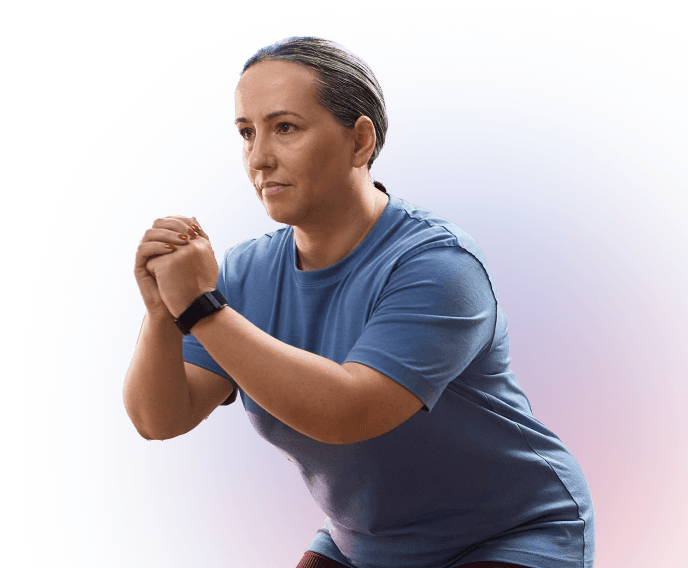
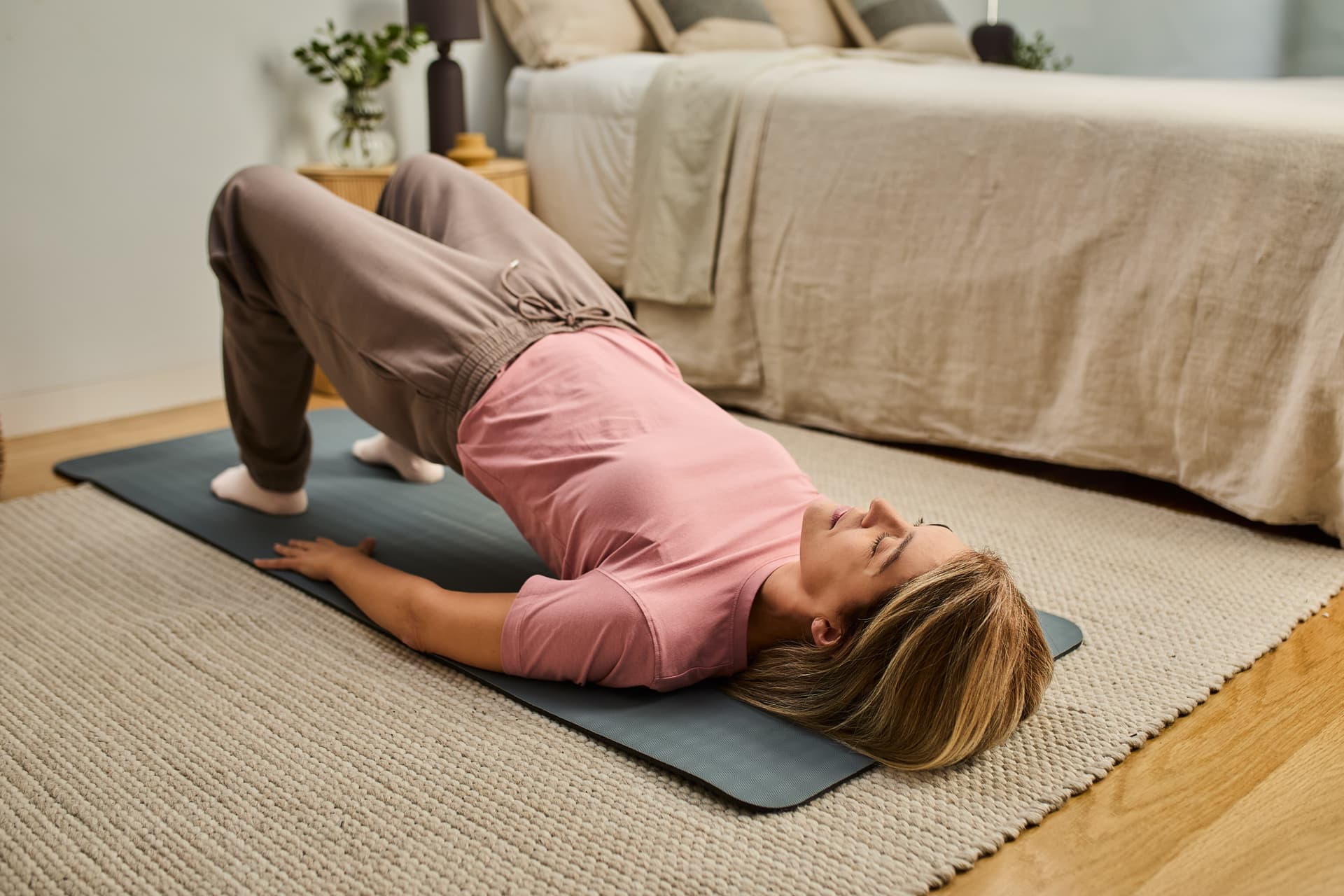
Instead, it refers to accessible forms of strength-focused movement such as bodyweight exercises, resistance bands, light weights, and functional movements that support everyday activities.
These forms of exercise help maintain muscle, protect joints, support balance, and keep metabolism working efficiently. When done regularly, even in small amounts, they provide the signal the body needs to hold onto strength. Our article on preventing muscle loss during weight loss explains why this type of movement is so effective across different weight loss approaches.
Common mistakes people make with exercise on GLP-1s
Even with good intentions, many people make exercise harder than it needs to be once they start a GLP-1. This often happens when old expectations are applied to a body that now works differently.
Common patterns include waiting until weight loss feels “finished” before exercising, focusing only on cardio, avoiding movement because energy feels lower, or trying to repeat workouts from before starting medication.
These are not failures or signs of low motivation. They are natural responses to uncertainty. Once people understand how their body has changed and what it needs now, these patterns become easier to adjust.
Structure matters for GLP-1 users when energy is low
For most people on GLP-1s, motivation is not the main barrier to exercise. The real challenge is uncertainty. When energy fluctuates and the body feels unfamiliar, it becomes difficult to know what is safe, effective, or worth doing.
Without clear guidance, many people pause movement altogether. Structure removes that friction by turning open-ended questions into a clear, manageable plan. This is why guided movement is especially valuable during GLP-1 treatment.
Move: the ideal GLP-1 exercise program
Sword Move was designed to make staying active and strong straightforward, even when schedules are full or energy feels unpredictable.
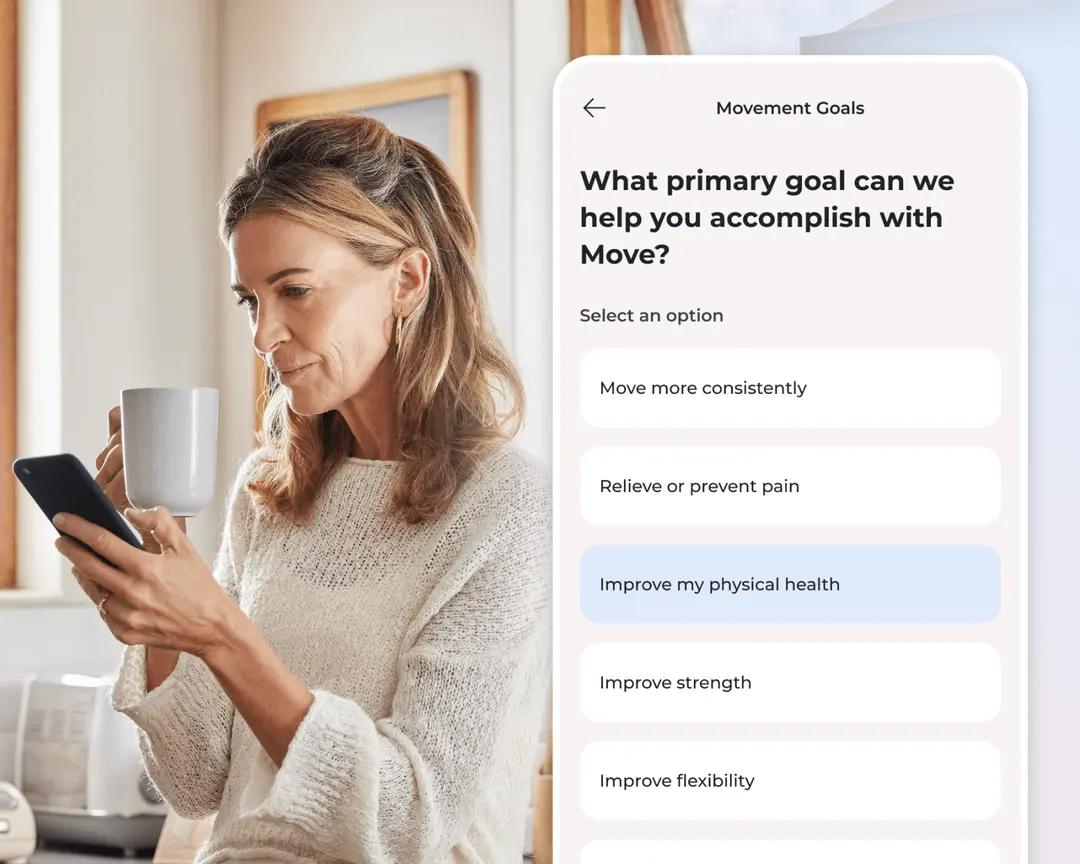
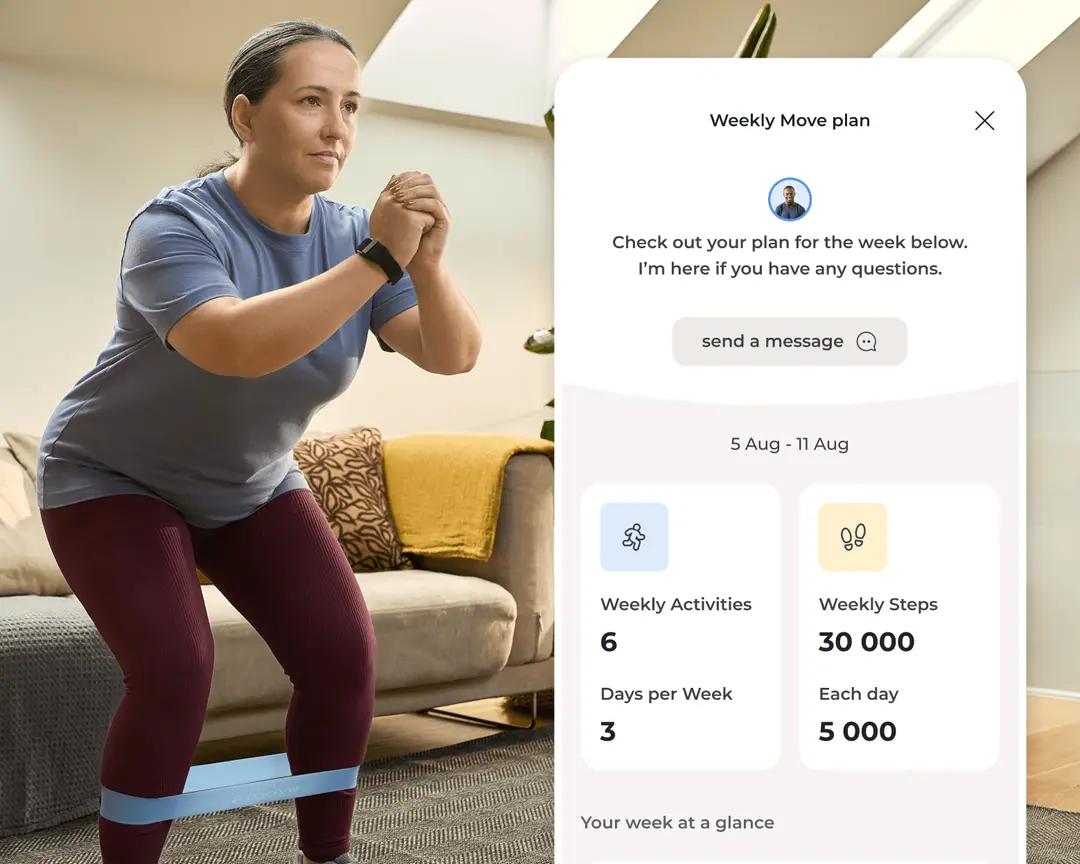
With Move, members are paired with a Physical Health Specialist who holds a Doctor of Physical Therapy degree. That specialist builds a personalized movement plan based on individual goals, mobility, and daily life.
Here is what makes Move different from a generic fitness app and why it works so well for GLP-1 users:
- Personalized support: You are paired with a dedicated Physical Health Specialist who creates a weekly Move Plan tailored to your needs, goals, lifestyle, and progress.
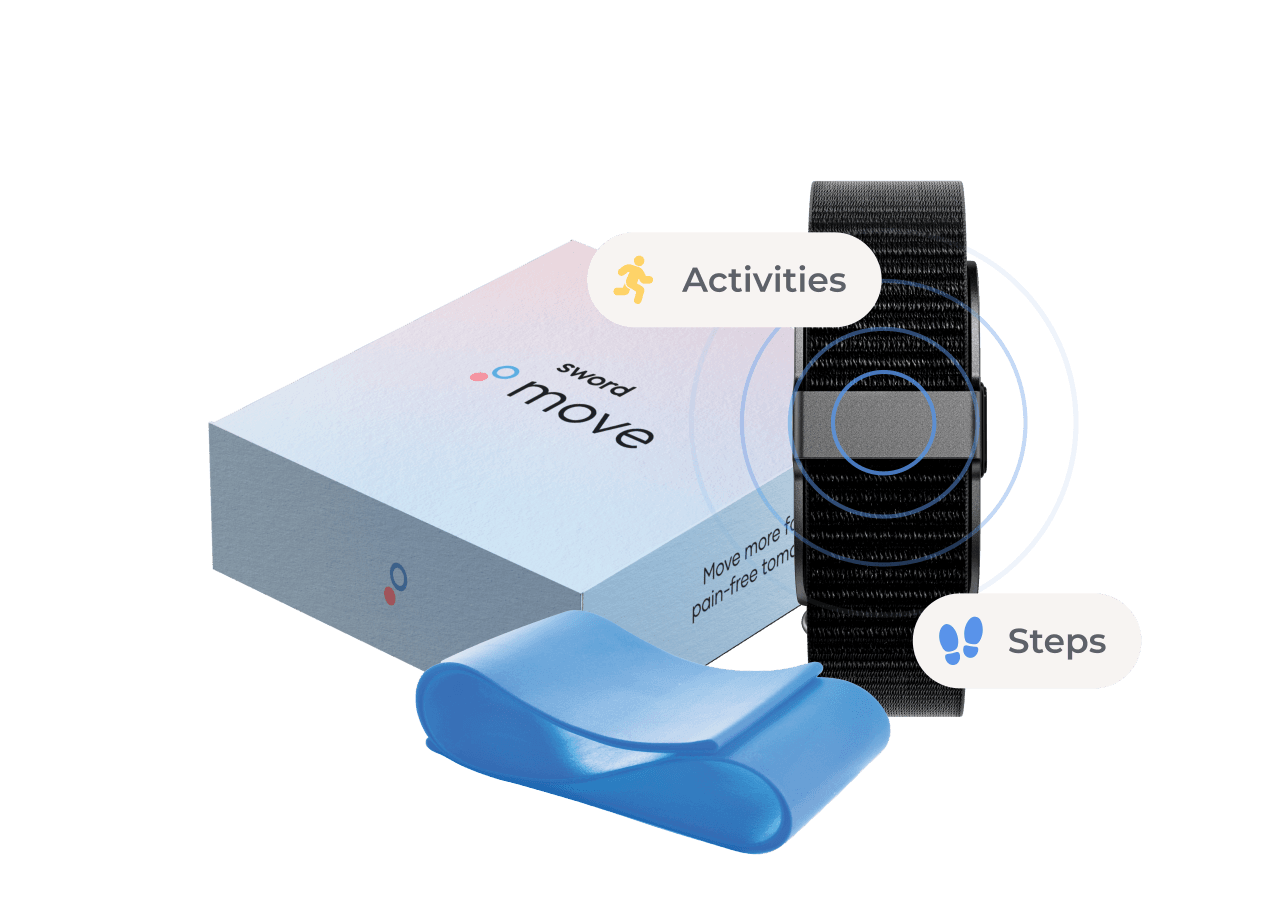
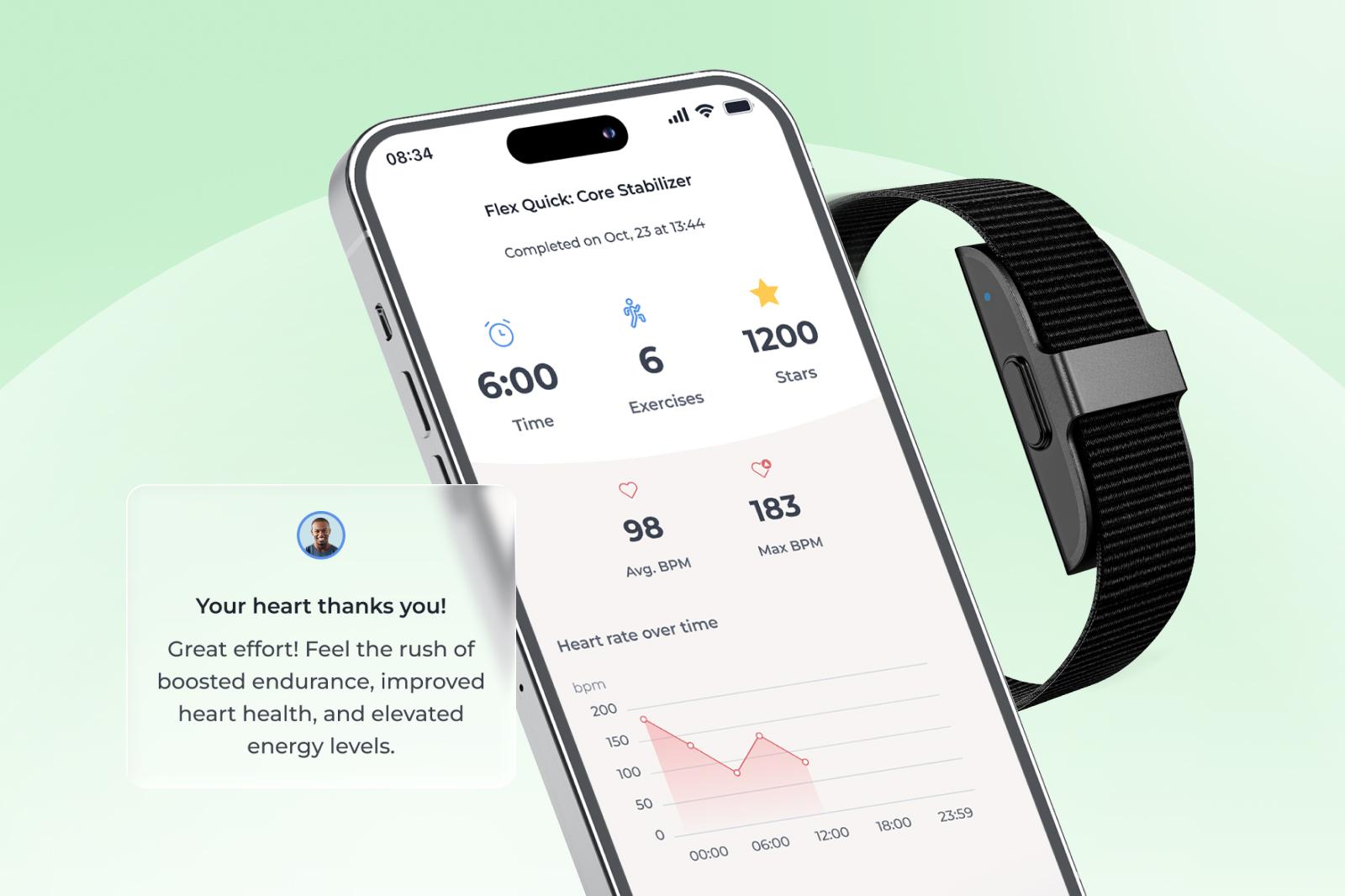
- Real-time tracking: All members can use a complimentary Move wearable to track activity, heart rate, and movement. You can also connect your own Apple Watch, Fitbit, or Android device to track your progress.
- Short, accessible sessions at home: No gym or equipment required. Sessions range from 90 seconds to 24 minutes, making it easy to stay consistent.
- Progress that adapts with you: As your strength, energy, or goals change, your Move Plan evolves too.
- Built-in accountability. Regular check-ins and feedback help you stay motivated and on track.
Move removes guesswork and replaces it with a supportive routine that helps you stay strong while losing weight.
Get started with Sword Move for whole-body strength
Move is designed to help you build regular movement habits
Move is not a fitness app. It is a guided, supportive program built specifically for people who need a safe, effective way to4:
- Preserve muscle
- Increase activity
- Reduce strain on joints
- Build lasting habits
- Improve confidence
This is especially important for people taking weight loss medications, where the stakes are high and movement is essential.
Move gives you a personalized plan from the comfort of home
If you are already losing weight with GLP-1 medication, this is the right time to start preserving your muscle and building regular exercise habits. The earlier you begin, the more strength, confidence, and stability you will maintain throughout your journey.
Move gives you a structured, personalized movement plan so you can confidently protect your muscle and keep the fat off.
Sword’s Move program may already be covered in your health plan at no cost to you. Many US employers and health plans offer Move to their members. Check your eligibility now and you could get started right away.
About the author

Sword Editorial Team
Evidence-based healthcare insights