The Sword Summary Warm-up
If your body feels achier in midlife, you are not “breaking.” You are in a real transition, and there are practical ways to feel steadier again.
- Around the menopause transition, many women report musculoskeletal pain, including joint aches and muscle soreness.¹
- These symptoms often overlap with sleep disruption, stress, fatigue, and mood changes, which can amplify how intense pain feels.¹
- The most reliable first steps are usually simple: rebuild strength gradually, add mobility and pacing, and consider personalized women’s health support when pelvic, core, or menopause-related symptoms overlap¹
Menopause can change how pain shows up, and those shifts aren’t always obvious at first. One month you feel fine. The next, your knees ache when you climb stairs. Your hands feel stiff in the morning. Your shoulders feel tired in a way that does not match what you did yesterday. It can be unsettling when everyday tasks that once felt easy start to feel different.
Menopause and musculoskeletal pain can be commonly linked.¹ That does not mean you have to accept constant soreness. It means you can stop blaming yourself and start working with the pattern.
You don’t have to keep managing this on your own
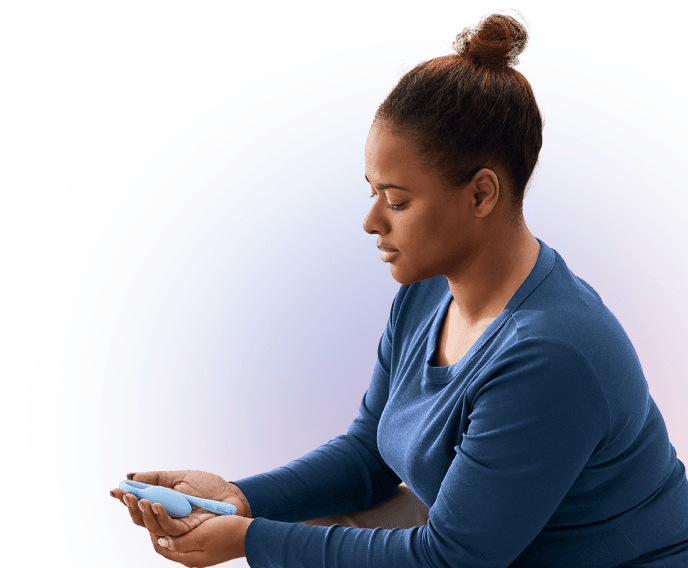
Why does menopause cause muscle pain and joint soreness?
There may not always be a single cause, but several factors can compound.
Hormone shifts can influence tissue and pain sensitivity
Menopause is associated with physiologic changes that can influence cartilage, bone, connective tissues, and pain processing. Some clinical reviews note estrogen receptors are present in joint-related tissues, however, estrogen decreases during the menopause transition, which helps explain why symptoms can shift during this period.¹
Poor sleep and stress can turn the volume up
When you sleep poorly or feel chronically stressed, pain can feel louder and more persistent. Menopause-related musculoskeletal symptoms are often discussed alongside sleep disturbance, fatigue, anxiety, and stress.¹ That overlap matters because improving sleep consistency and stress buffering can reduce how intense pain feels, even before anything else changes.
Muscle changes in menopause can leave joints feeling less supported
If strength drops while life’s demands stay the same, joints can feel more “worked” by everyday tasks. This is one reason gentle, progressive strengthening exercises tends to help.
Common signs of menopause joint and muscle pain
Menopause muscle pain and joint soreness look different for everyone, but these patterns are common:
- Morning stiffness that eases after you move
- Achiness in hands, shoulders, hips, knees, or lower back without a clear injury
- Muscle soreness that lingers longer than it used to
- Pain flares after poor sleep, a stressful week, or a sudden increase in activity¹
If this is you, the goal is not to push through and hope your body toughens up. Rebuild your control and get back to your best self slowly. Read on for some practical advice and a more dedicated plan that can make flare-ups less likely.
4 tactics to try and reduce menopause musculoskeletal pain
Most women do not need a perfect plan. They need a realistic one they can sustain. Here are four simple and effective tactics you can test out for yourself in the short term. Consider how they impact any of your symptoms and you might find improvements right away.
1. Start with strengthening exercises to support joints
Strength training plays an important role during the menopause transition. As estrogen levels shift, muscle mass and connective tissue resilience can change. Resistance training can help support muscle, bone, and joint health.
You do not need a perfect plan. You need one you can sustain. For many people, beginning with a small amount of consistent strength work (even one to two sessions per week) can be a practical starting point. Focus on controlled movements, moderate effort, and gradual progression over time. Stretching can feel good and support mobility, but building strength may offer longer-term support for joint comfort and function.
2. Use gentle mobility to reduce stiffness
Hormonal shifts can influence how connective tissue feels, and some women notice more stiffness during this time. Light mobility work may help restore a sense of ease in the joints, particularly after sleep or prolonged sitting. Start small and build as needed.
3. Use pacing to prevent flare-ups
A common midlife trap is doing a lot on a good day, then paying for it for a week. You don’t need intensity all the time, but you do want to aim for consistency. Apart from helping you recover faster, you can establish the positive behavior change needed to sustain improvements and prevent future pain.
- Pick a baseline you can do even on a tired day
- Increase slowly, like 5 to 10% at a time
- Track your biggest flare triggers (sleep, stress, sudden new activity) so you can start to notice patterns and make small adjustments when needed.¹
4. Support recovery so you can stay consistent
Sleep, hydration, protein intake, and gentle movement within your current tolerance can all influence how your body feels from day to day. These are not magic solutions, but they may make steady progress more manageable.
Why pelvic and core support helps you reduce menopause msk pain
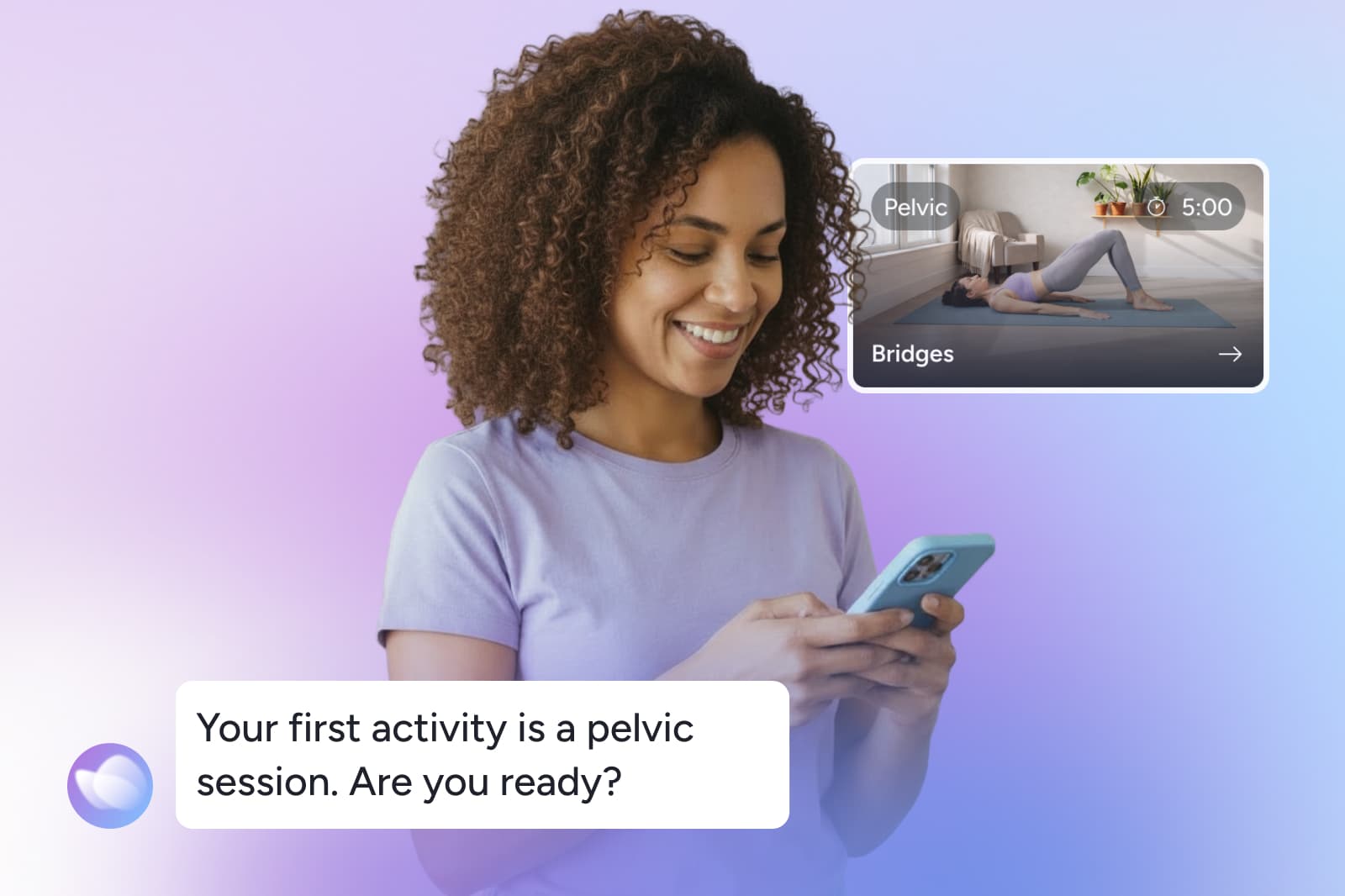
Musculoskeletal pain during menopause is not always limited to one joint or muscle group. The hips, lower back, pelvis, glutes, and core all work together to support how you sit, stand, walk, and recover from activity.
During menopause, changes in tissue elasticity, strength, sleep, and recovery can make this system feel less steady. Some women also notice overlapping symptoms like bladder changes, bowel changes, pelvic pressure, or discomfort during intimacy. Those symptoms may not feel connected to muscle aches at first, but they can be part of the same broader midlife body shift.
That is why personalized women’s health support can be helpful. It gives women a clearer way to understand what their body is experiencing and what kind of guidance may fit their symptoms.
When does menopause muscle or joint pain need medical evaluation?
It is important to normalize menopause-related aches without ignoring something more serious. Seek medical evaluation if you notice any of the following more intense symptoms ² ³:
- A joint that is red, swollen, and warm to the touch
- Fever or feeling generally unwell alongside joint pain
- Severe pain after a fall or injury, inability to use the joint, or a joint that looks out of place
- Symptoms that keep worsening or do not improve after a couple of weeks of home care
How Bloom supports menopause-related body changes
If muscle and joint aches are showing up alongside pelvic, core, bladder, bowel, or intimacy changes, Bloom may be a better fit than a general movement program.
Bloom is Sword Health’s dedicated women’s health care program for women in every life stage, including menopause. It provides personalized pelvic care from home, with one-on-one clinical guidance from a Women’s Health Specialist holding a Doctor of Physical Therapy degree.
With Bloom, members receive support tailored to their symptoms, goals, and progress. That can include pelvic and core-focused guidance, education, and personalized sessions in the Sword Health app. For women in menopause, Bloom supports common menopause-related pelvic concerns, including bladder and bowel issues, pelvic pressure, and discomfort during intimacy.
Bloom helps members better understand body changes during menopause and access guided support from home.
Take your next step and regain control with Bloom
Menopause-related muscle and joint aches can feel discouraging, especially when they appear alongside other changes in your body. But you do not have to sort through those changes alone.
Bloom helps women in menopause access private, personalized women’s health support from home. With guidance from a Women’s Health Specialist and a program tailored to your symptoms and goals, you can take the next step with more clarity and confidence.
Check your coverage to see if Bloom is available through your employer or health plan.
Check your coverage today to see if Move is available to you and take the first step toward lasting progress.
About the author

Claire Kelly
Senior Clinical Program Specialist, Sword Bloom


