Check if Move is covered for you
The question probably arrived quietly, somewhere between a good weigh-in and a moment of doubt. The medication is working. You are seeing results you have not seen in years. Often the thought of stopping feel unsettling.
What if you have to stop using Wegovy?
Maybe your coverage is changing, or the cost has become too much to carry. Maybe you're feeling ready to transition to moving off the course of medication after achieving your weight loss goal. Or maybe you are simply aware that a medication you are grateful for may not be something you stay on forever. You are not overthinking it. This is a reasonable question, and this article explains what happens when you stop using Wegovy GLP-1 medication
The Sword summary warm-up
If you don't have time for the full article, here are the key takeaways.
- Weight regain after stopping Wegovy is common, but it is not just about willpower.
- Some of the weight lost on GLP-1 medications can come from lean muscle mass, which makes long-term maintenance harder.¹ ²
- The most protective habits are strength-focused movement, enough protein, and routines you can actually stick with.³ ⁴
- Move, Sword Health’s whole-body movement solution, helps you build those movement habits from home with personalized guidance and support.
Why weight often comes back after stopping Wegovy
Wegovy contains semaglutide, a medication approved for chronic weight management. It can be highly effective. It lowers appetite, slows gastric emptying, and changes how your body experiences hunger and fullness. For many people, it creates a sense of relief they have not felt in years. Eating feels more manageable. Cravings quiet down. Progress starts to feel possible.
But when the medication stops, those effects stop too. More and more research is finding that people regained a substantial amount of lost weight within a year after semaglutide (GLP-1) withdrawal.³ That does not mean the medication failed, and it does not mean the person failed in their weight loss plan. It reflects something more basic: obesity is a chronic, relapsing condition, and the body often pushes back when the treatment that helped reduce appetite is removed.³ ⁵
That is why stopping Wegovy can feel so discouraging. The hunger returns and the structure holding things in place can suddenly feel less stable than it did a few weeks earlier. Discontinuation is also common in real-world use, especially among people taking GLP-1 medications for weight loss rather than diabetes. In one large 2024 study, 50% of patients with obesity alone had discontinued using the medication within 12 months.⁶ Cost, access issues, gastrointestinal side effects, and other barriers all played a key role.⁶
Stopping a GLP-1 like Wegovy isn't always difficult and with the right plan you can make the transition easily, while keeping the weight you lost from coming back.

What changes apart from the number on the scale
Weight loss can include both fat mass and lean mass. Crucially, you need lean mass in the form of muscle to because lean muscle mass does more than change how your body looks. It supports strength, balance, metabolic health, and your ability to stay active over time. Medically induced weight loss can involve substantial skeletal muscle loss, and recent GLP-1-focused clinical research demonstrated that lean mass can account for up to 39% of total weight lost.¹ ²
That changes what happens during Wegovy-enforced weight loss. If you lose weight while also losing muscle, your body may burn fewer calories at rest, daily movement can feel harder, and rebuilding momentum after stopping medication becomes more difficult. The goal is not just to lose weight. It is to keep enough strength, stability, and confidence to carry those results forward.
This matters even more as people get older. Lower muscle mass is associated with poorer physical function and a higher risk of falls and disability in older adults.⁷ ⁸

What the evidence says: how to make Wegovy weight loss last
The most useful question is not whether Wegovy works. It clearly can. The more useful question is what gives your body a better chance of holding onto progress if the medication changes or stops.
The answer is consistency and persistence, not perfection. With the right support, it's easier to develop the physical activity habits that matter most.
One of the clearest trials here is the S-LiTE study where people who combined structured exercise with a GLP-1 maintained 9.5 kg more weight loss at one year than the placebo group.⁴ Follow-up analyses also found benefits for fitness, insulin sensitivity, and bone mineral density.⁹ ¹⁰
That lines up with the current guidance from the World Health Organization’s 2025 guideline that recommends GLP-1 treatment should be combined with intensive behavioral therapy to help maximize and sustain benefits.⁵ Medication can help create the opening. Lifestyle support helps make the change more durable. In practice, three things matter most:
1. Strength-focused movement
This is the piece most directly tied to muscle preservation. Resistance-based movement gives your body a reason to keep muscle while you lose weight. It also helps protect the physical capacity that makes long-term weight maintenance more realistic.
2. Adequate protein
When appetite drops, eating enough protein can become surprisingly hard. But protein gives your muscles the raw materials they need, especially when you are losing weight. The exact amount varies by person, but the principle is simple: if you are eating less overall, the quality of what you eat matters more.
3. Habits that fit real life
A plan only works if it survives normal life. That means movement you can do even on low-energy days, routines that do not depend on a perfect schedule, and support that makes it easier to keep going when motivation dips.
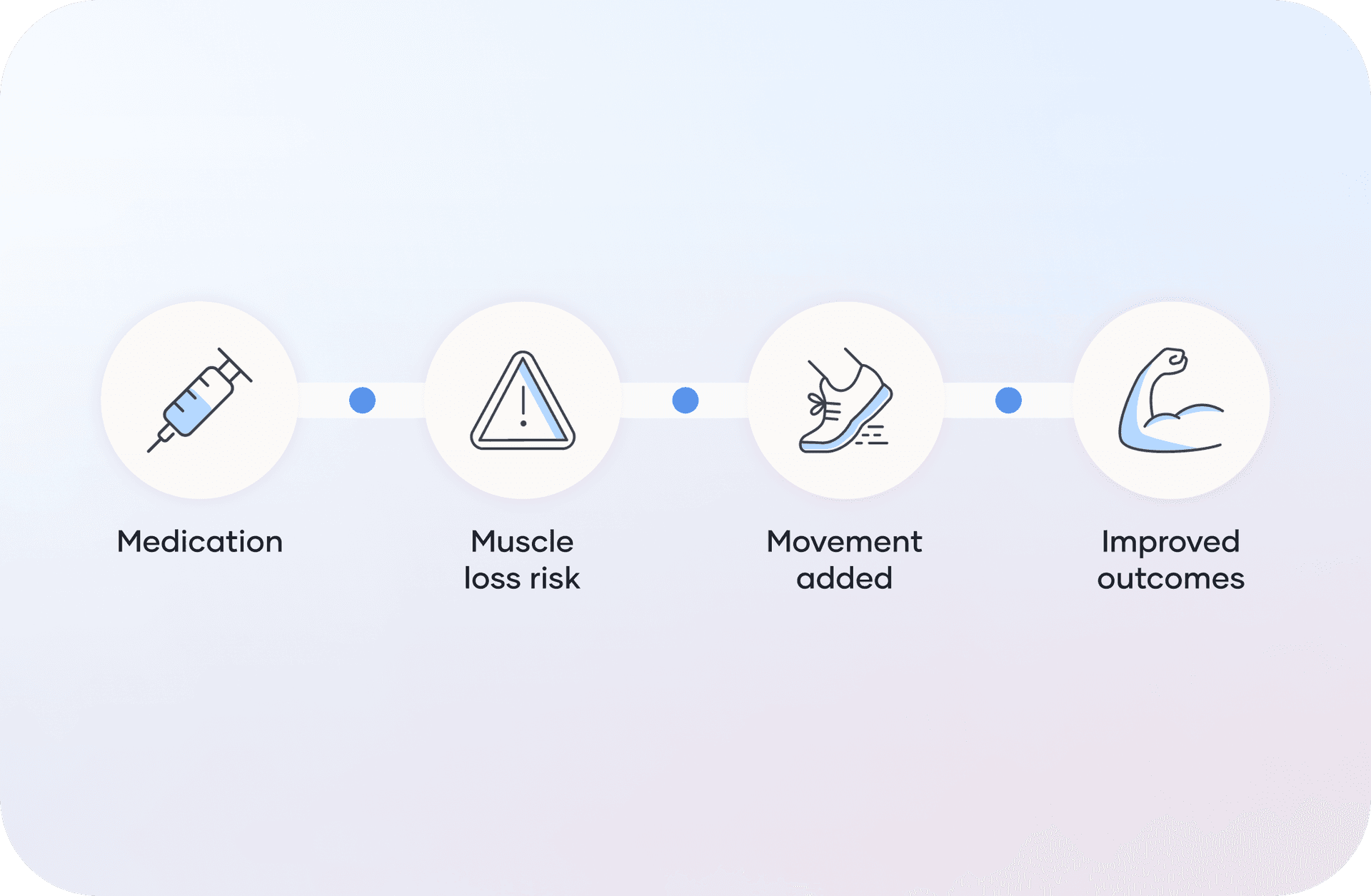
What Wegovy movement support can actually look like
This is where a lot of advice breaks down. Most people do not have a strength coach, a clinician, and a realistic home routine ready to go the moment they start worrying about muscle loss or weight regain. They have a GLP-1 medication program, but often people have a lot of uncertainty around the type of exercise and lifestyle habits that are required to sustain long term success.
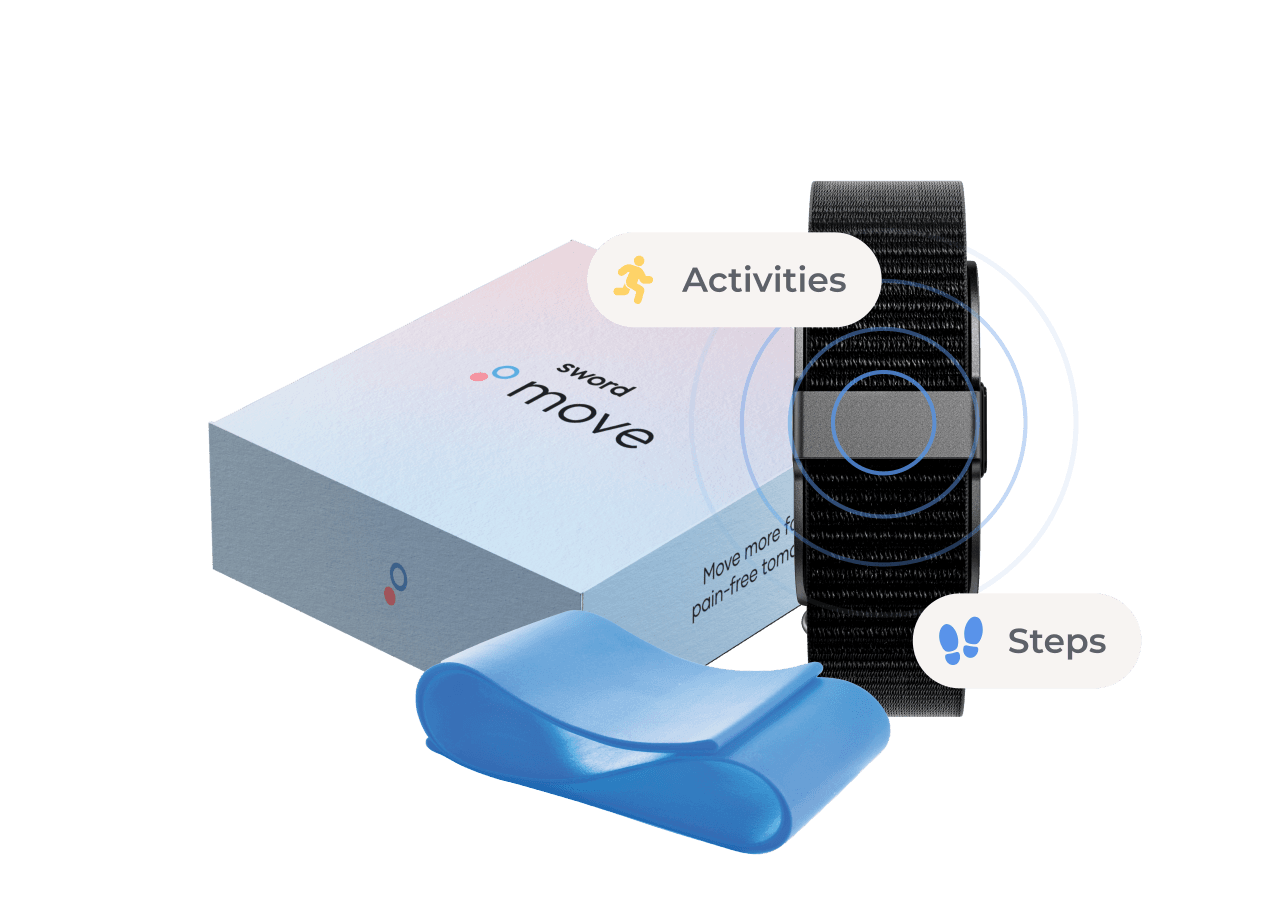
Research continually suggests that consistent, structured movement over time.⁴ Sword Move was built for exactly that kind of consistency. Move is Sword Health’s whole-body movement solution, helps you build lasting movement habits from home. It is designed to help you get stronger, move with more confidence, lose weight, and reduce the risk of future injury.
Get started with Sword Move for whole-body strength
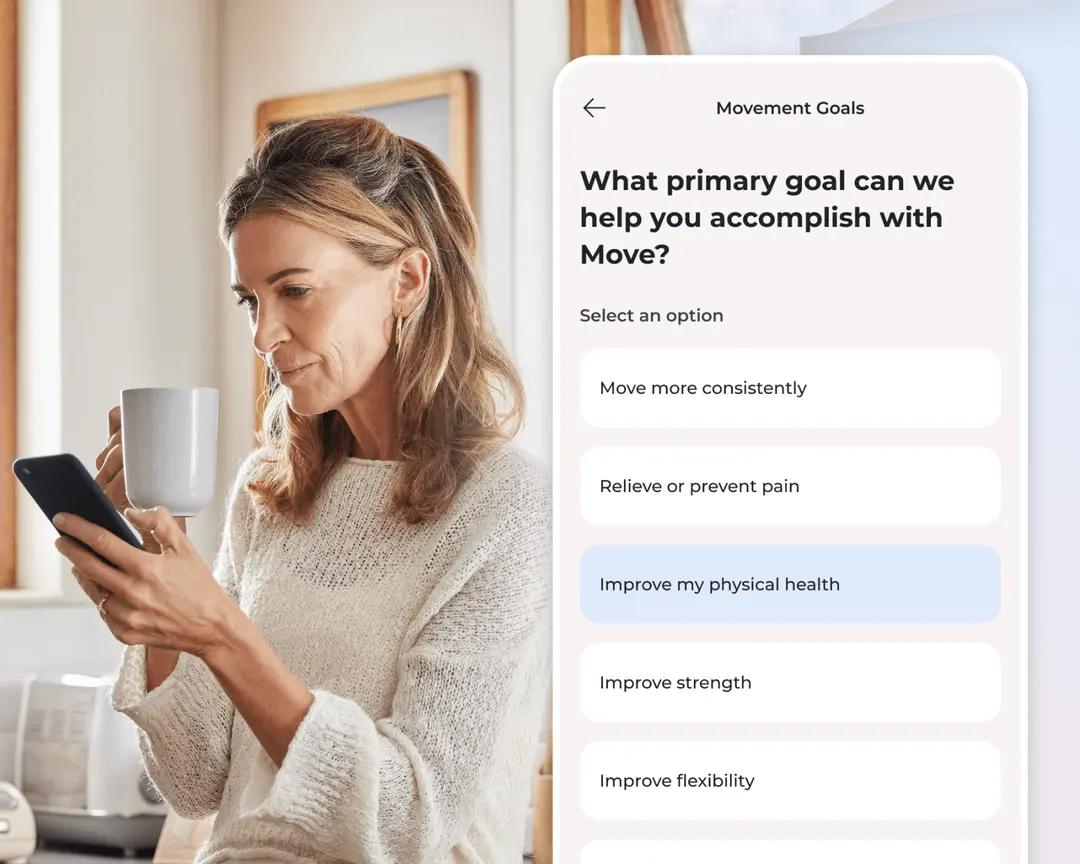
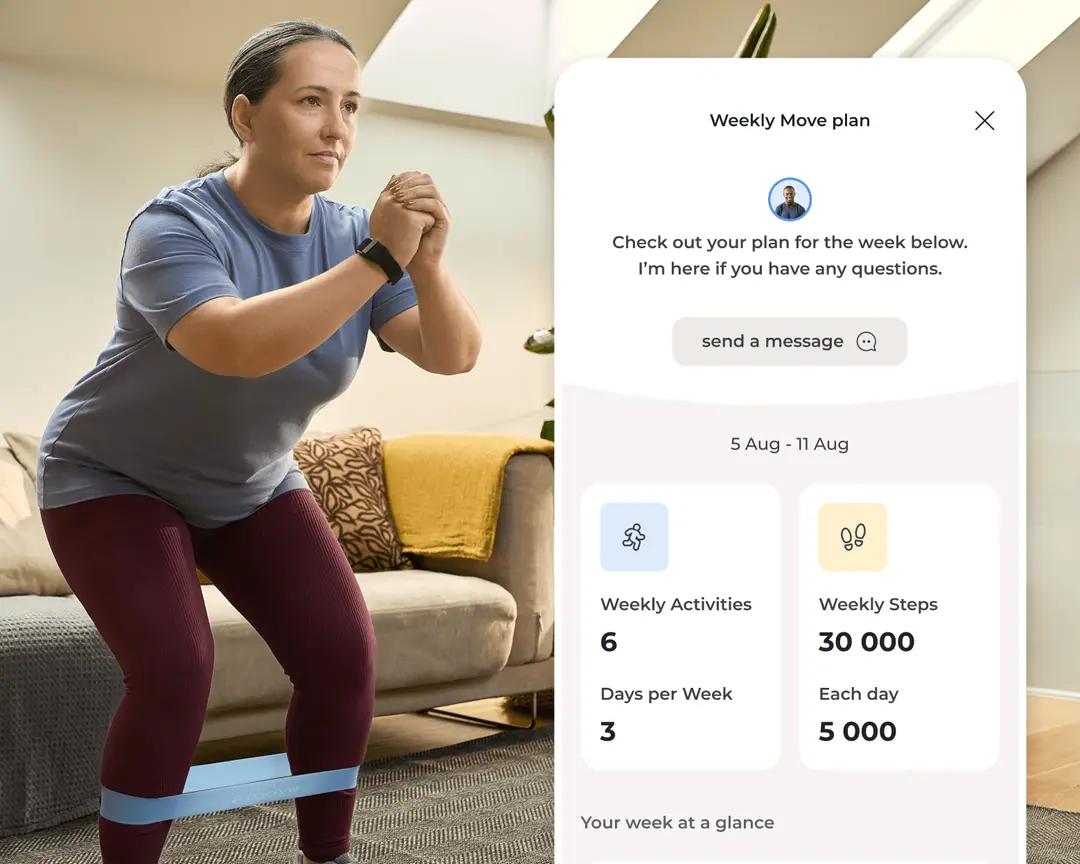
Instead of expecting you to figure it out alone, Move gives you a personalized movement plan you can actually follow at home. The sessions are built around where you are starting, not where you think you should be. Move helps you stay on track, even when your energy is inconsistent, confidence is low, or your body feels different than it did before medication.
Move is the ideal support to people using a Wegovy prescription, and for those considering stopping Wegovy. Move removes guesswork and replaces it with a supportive routine that helps you stay strong while losing weight.
Stop Wegovy and keep the weight off with the help of a personalized Move plan
Wegovy weight loss is worth protecting, but the results do not only belong to the medication. They also depend on what your body is able to keep doing after it. Can you stay active? Can you hold onto strength? Can you keep building routines that still work when life gets busy, motivation drops, or your prescription changes?
Weight maintenance after GLP-1 treatment is more realistic when movement support is already in place.³ ⁴ ⁵ You do not need to become someone who loves the gym. You do not need to get everything right. But you do need a plan that helps your body stay strong enough to carry progress forward.
Sword’s Move program may already be covered in your health plan at no cost to you. Many US employers and health plans offer Move to their members. Check your eligibility now and you could get started right away.
About the author

Sword Editorial Team
Evidence-based healthcare insights