The Sword summary warm-up
Don’t have time for the full workout? We’ve got you covered with a quick, high-intensity session. Here are the key takeaways:
- Many women experience new muscle aches, stiffness, or fatigue during menopause as hormonal changes influence strength, recovery, and flexibility.
- These shifts are common and manageable as your body is adapting to a new rhythm, and with consistent movement and care, you can stay strong and comfortable.
- Bloom offers personalized women’s health support from home, with one-on-one clinical guidance from a Women’s Health Specialist holding a Doctor of Physical Therapy degree, to help women better understand pelvic, core, and whole-body changes during menopause.
You don’t have to keep managing this on your own
Why muscle pain and weakness can increase during menopause
Feeling achy or stiff during menopause is more common than most women expect. As estrogen levels fluctuate and eventually decline, the muscles, tendons, and connective tissues that support the body undergo subtle changes that can influence strength and comfort¹. These changes can feel discouraging at first, but they are a normal response to hormonal shifts that influence how muscles and connective tissues behave.
- Estrogen helps regulate muscle repair, circulation, inflammation, and collagen production¹
- Collagen keeps tissues flexible and resilient, while estrogen also supports muscle metabolism and recovery
- As estrogen levels decline during menopause, muscles may feel less elastic, take longer to recover after activity, and become more sensitive to periods of rest, stress, or inactivity².
These sensations can show up in many ways. You may notice soreness after exercise, tightness in the back or hips, or heaviness in the legs during daily activities. While these symptoms can feel uncomfortable, they are not a sign that your body is failing. They are signals that your muscles are recalibrating during a time of natural hormonal transition.
You don’t have to accept pain or muscle aches during menopause. Your body is still capable of strength, flexibility, and energy. With the right support and habits, you can stay active and reduce discomfort as your body moves through this stage.
How menopause-related muscle loss happens
Muscle loss, known as sarcopenia, occurs naturally with age, but the rate accelerates during menopause. Studies show that women can lose up to 10% of their muscle mass within the first five years after menopause if they do not engage in regular strength or resistance activity³.
Estrogen plays a role in protecting lean mass and bone density. As levels decline, muscle fibers can shrink and metabolic rate slows, making it easier to lose strength and gain fatigue. Reduced physical activity and increased inflammation during midlife can also contribute to this pattern⁴.
Muscles do far more than move the body. They stabilize posture, support metabolism, and help protect the pelvic floor. When muscle tone weakens, it can create a ripple effect across the core, hips, and pelvis, leading to discomfort, reduced balance, and even pelvic floor dysfunction.
Thankfully, muscle tissue remains responsive throughout life. Simple, consistent movement and nutritional support can prevent muscle loss and rebuild strength at any age.
How to relieve and prevent muscle pain in menopause
You do not need an intense workout routine to support your muscles during menopause. In fact, gentle, consistent habits are often more effective and sustainable than high-intensity programs. Below are a few evidence-backed ways to stay strong and comfortable during menopause to keep muscle pain away:
1. Move a little, every day
Regular, moderate activity helps circulate nutrients to your muscles and joints while keeping tissues supple. Try:
- Walking, swimming, or cycling for 20–30 minutes most days
- Gentle stretching in the morning or before bed
- Yoga or Pilates for mobility and flexibility
Movement reduces stiffness, improves energy, and helps manage inflammation⁵. Even light activity sends signals to your muscles to maintain tone and coordination.
2. Add strength training to your routine
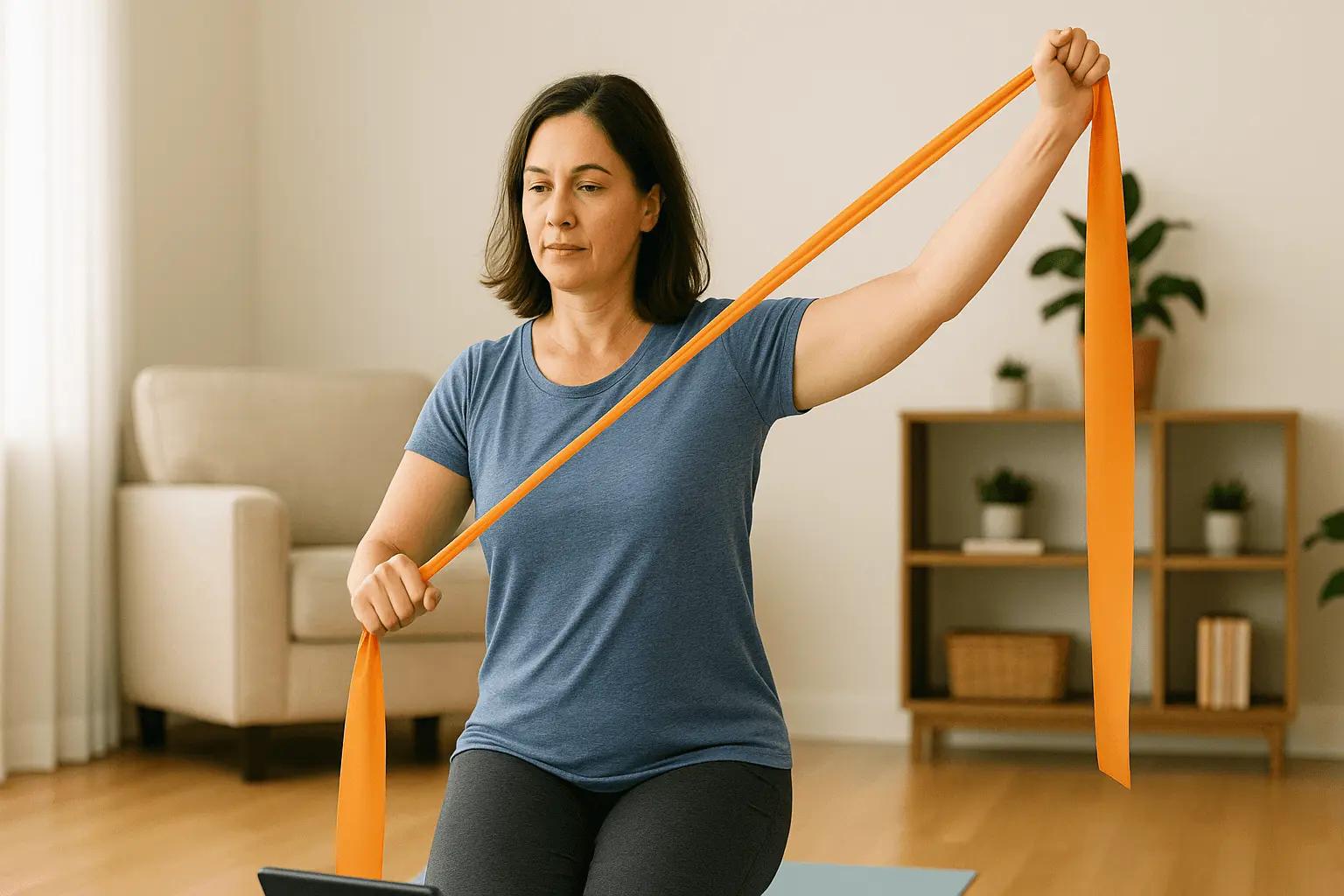
Strength and resistance exercises help preserve lean mass and bone density. Focus on bodyweight movements like squats, bridges, or wall pushups. Using resistance bands is a helpful starting point, and allows you to get moving easily from the comfort of home, without the need to purchase more bulky equipment or travel to a gym. Start with low resistance and increase gradually.
If you are new to strength or pelvic-focused support, personalized guidance can help you understand what your body needs, especially when menopause changes how your core, hips, and pelvic floor work together.
3. Support recovery with rest and good nutrition
Recovery is where your muscles rebuild. Getting 7–9 hours of sleep per night allows your body to repair and regulate hormones⁶.
Nutrients that support muscle health include:
- Protein: Builds and repairs tissue (found in eggs, beans, fish, and tofu).
- Calcium and vitamin D: Protect bone strength and muscle function.
- Omega-3 fatty acids: Reduce inflammation and muscle soreness.
If it is hard to meet these needs through food alone, discuss supplements with your clinician.
4. Stay hydrated
Dehydration can make muscles feel tight and increase fatigue. Drink water consistently throughout the day, especially after physical activity or if you experience hot flashes or night sweats⁷.
5. Practice gentle flexibility and breathing exercises
Mindful stretching, light yoga, or deep breathing can help calm the nervous system and reduce muscle tension. These practices support circulation and recovery, and they can ease both physical and mental stress.
Why pelvic and core support is so important during menopause
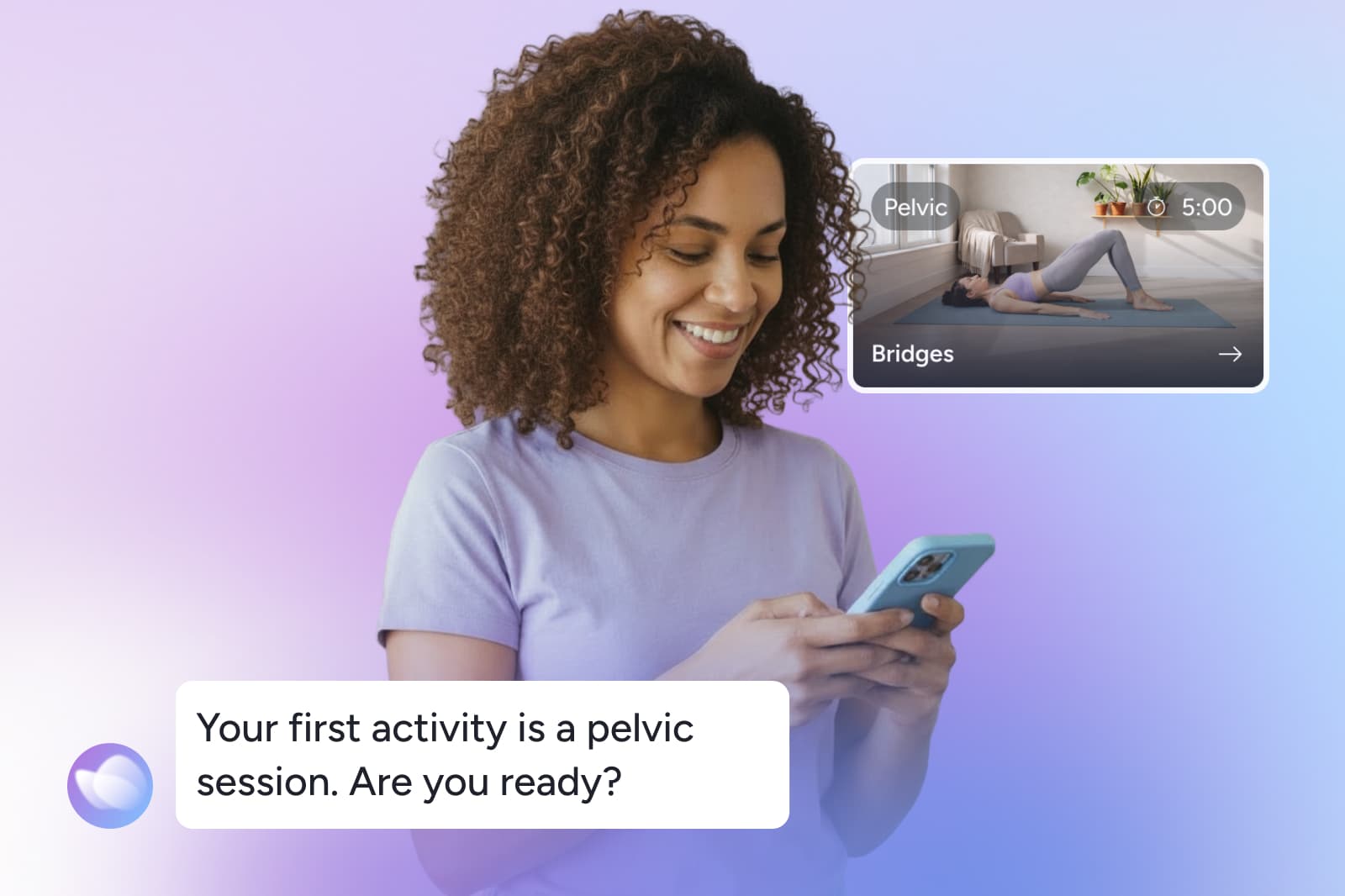
Muscle pain during menopause is not always isolated to one muscle group. The core, hips, glutes, and pelvic floor work together to support posture, movement, and stability. When these systems feel less coordinated, everyday activities can feel harder, even if you are not doing anything dramatically different.
Menopause can also bring changes that affect more than just strength. Some women also notice bladder changes, bowel changes, pelvic pressure, or discomfort with intimacy. Bloom is designed for women in every life stage, including menopause, and supports common menopause-related pelvic concerns like bladder and bowel issues, pelvic pain and pressure, and discomfort during intercourse
How Bloom supports women through menopause
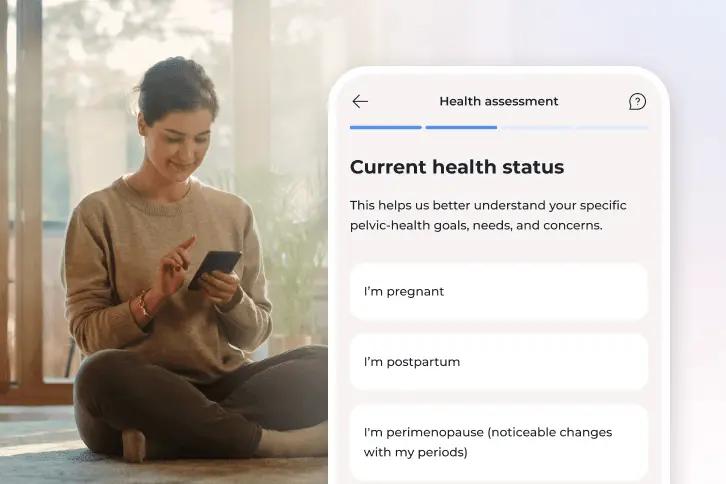
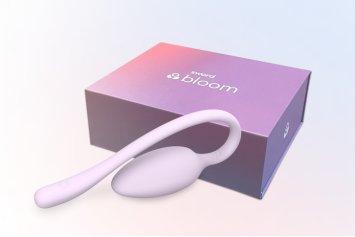
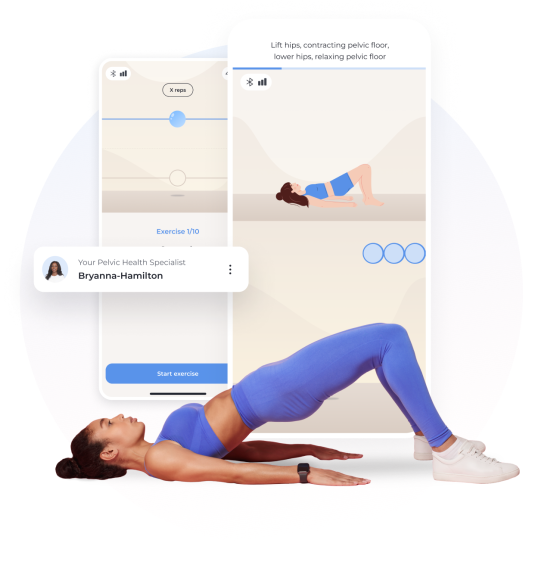
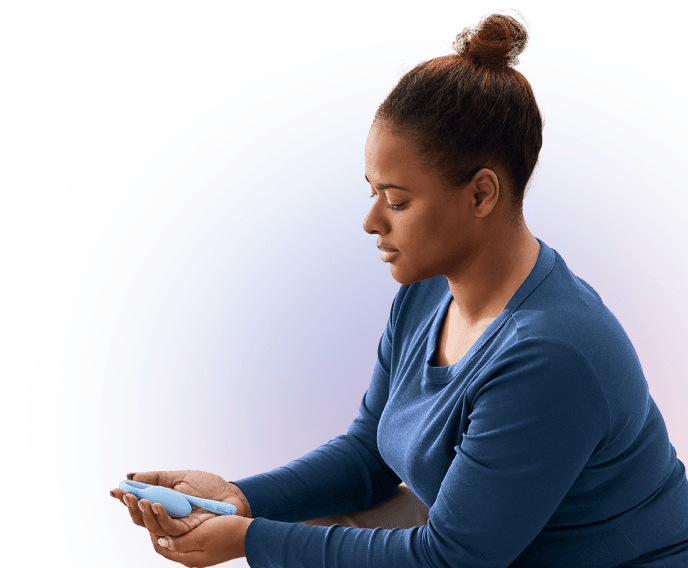
Bloom is Sword Health’s digital women’s health solution for women in every life stage, including menopause. Bloom provides personalized pelvic care from home, with one-on-one clinical guidance from a Women’s Health Specialist holding a Doctor of Physical Therapy degree.
For women experiencing muscle pain, stiffness, or weakness during menopause, Bloom helps connect the dots between pelvic support, core coordination, and whole-body comfort. Your plan is tailored to your symptoms, goals, and progress, so support feels personal rather than generic.
Among women using Bloom for menopause-related concerns:
- 65% reported improvement in how symptoms affected daily life
- 56% experienced improvements in productivity and daily function
- 67% reduced their intention to seek additional healthcare interventions.
These results show just how powerful Bloom can be. Each personalized plan is tailored to the member to help them better understand their bodies and access guided support that fits into daily life.
What to expect from Bloom
How Bloom supports you, step by step
Take your next step and regain control with Bloom
Muscle pain during menopause can feel discouraging, especially when it changes how you move, sleep, exercise, or feel in your body. But these changes are not something you have to figure out alone.
Bloom helps women in menopause access private, personalized women’s health support from home. With guidance from a Women’s Health Specialist and a program tailored to your symptoms and goals, you can take the next step with more clarity and confidence.
Pelvic care with Bloom helps women build strength, balance, and comfort through simple, guided programs designed to fit real life. Many employers and health plans include Bloom as a covered benefit¹⁵. Checking eligibility takes less than two minutes:
- Check to see if your insurer has coverage for Bloom.
- Enter your employer or insurance details.
- If covered, you can begin your personalized care program within days.
About the author

Sword Editorial Team
Evidence-based healthcare insights