You don’t have to keep managing this on your own

Key takeaways
- Vaginal moisturizing cream is a simple, over-the-counter option that can reduce daily dryness in a way that lubricants alone cannot. Consistent use can make a real difference.
- For women who need more support, vaginal estrogen cream works directly on the affected tissue with minimal absorption into the rest of the body.
- Side effects are typically mild and short-lived: slight irritation, light spotting, or discharge in the first few weeks as tissue adjusts
- The cancer and heart disease risks associated with hormone replacement therapy (HRT) come from systemic hormone therapy, not low-dose vaginal estrogen. The safety profiles are distinct¹
- Pelvic muscle training works well alongside either option to support bladder control and comfort
You've probably heard something about hormones that made you hesitate
Maybe your doctor mentioned vaginal estrogen and you nodded, then went home and searched for everything that could go wrong. Maybe you've read enough about hormone replacement therapy (HRT) to feel uneasy and you're not sure whether those concerns apply here too. Maybe you've been quietly sitting with symptoms for months, half-hoping they'd ease on their own, because the alternative feels complicated.
That hesitation makes sense. And it's more common than you'd think.
This article is here to give you a clear, honest account of what vaginal estrogen cream actually is, what side effects are normal, and why the safety picture is genuinely more reassuring than some women expect. It also covers a simpler option you may not have heard about yet. Many women leave this conversation wishing they'd had it sooner.
There's a simpler starting point many women don't know about
Before reaching for vaginal estrogen, there's an option that requires no prescription and no doctor's visit: vaginal moisturizing cream.
Unlike lubricant, which helps during sex but wears off quickly, vaginal moisturizer is used two to three times a week as part of your regular routine. Over time, it helps vaginal tissue retain moisture more effectively on its own. That means less daily dryness, less irritation, and less of the discomfort that follows you through your day.
You can buy moisturizers over the counter. Many women say this one simple change made a bigger difference than they expected, and wish they'd known about it years earlier.
For many women, it’s enough on its own. For others, it’s a starting point for additional support.
What vaginal estrogen cream actually does, and why it's not the same as HRT
If moisturizers alone aren't giving you enough relief, vaginal estrogen cream is a well-supported next step.
During menopause, the body produces less estrogen. That's what causes vaginal tissue to become thinner, drier, and more easily irritated. Vaginal estrogen cream puts a small amount of estrogen back where it's needed most. It helps the tissue become thicker, more flexible, and better at staying moist on its own. It can also help with burning or stinging during urination, because the same tissue changes can happen around the urethra.
Vaginal estrogen comes in a few forms: creams, small tablets, rings, and inserts. They all work in a similar way and have similar safety profiles
One thing worth understanding clearly: vaginal estrogen cream is not the same as a systemic HRT. Systemic HRT (like pills or patches) circulates hormones throughout the body. Vaginal estrogen cream works locally, with minimal absorption beyond the application site—so the risk profile is different.
What side effects to expect, and what is simply your body adjusting
Like any medication, vaginal estrogen cream can have side effects. Typically, they're mild and go away within the first few weeks.
The most common side effects include:
- A slight irritation or mild burning where you apply the cream
- Light spotting or discharge as your tissue starts to respond
- Some breast tenderness, which is uncommon with the low doses used for vaginal symptoms
Think of it as your body adjusting to something it's been missing. Many women find these settle down quickly as the cream becomes part of their routine.
Your doctor may suggest using the cream every day for the first two weeks, then two to three times a week after that. If the irritation doesn't ease after the first month, or if you notice bleeding or discharge that seems unusual, talk to your doctor. These things are always worth checking, and never something to sit with quietly.
Why the cancer risk you've heard about doesn't apply here
If something has been holding you back from trying vaginal estrogen, it's probably what you've heard regarding hormones and cancer. That worry makes sense. And you deserve a clear answer.
Much of the concern about cancer and blood clot risk comes from a 2002 study of a specific oral hormone therapy regimen. It showed real risks and changed prescribing practices, but it doesn’t mean all hormone therapy carries the same risk.
Vaginal estrogen cream doesn't work the same way. The dose is much smaller and it stays in the area where you apply it. The leading medical guidelines confirm that the risks linked to systemic, full-body hormone therapy don't apply to low-dose vaginal cream.¹
For women who've had breast cancer or another hormone-related cancer, the answer is more personal. Some doctors now feel comfortable recommending low-dose vaginal estrogen for women in this group when other options haven't helped enough.² Others are more cautious. This is a decision to make with your cancer specialist, based on your specific history.
One rule that applies to everyone: if you notice any unexpected bleeding after menopause, new pelvic pain, or discharge that seems different while using vaginal estrogen, see your doctor promptly.
The overall picture is reassuring. Vaginal estrogen cream is generally considered safe and well-studied, with clear benefits.
Strengthening programs can improve your quality of life over time

Why pelvic muscle training belongs alongside vaginal care
Creams and moisturizers help the tissue. What they can't do is strengthen the muscles around your vagina and bladder that play a big role in how you feel day to day.
When pelvic floor muscles are weak or tight, which is common after menopause, symptoms like bladder urgency, discomfort during sex, and a heavy or dragging feeling can persist even when the tissue itself is healthier. That's where pelvic muscle training comes in, and it can work well alongside whatever vaginal care you're already using.
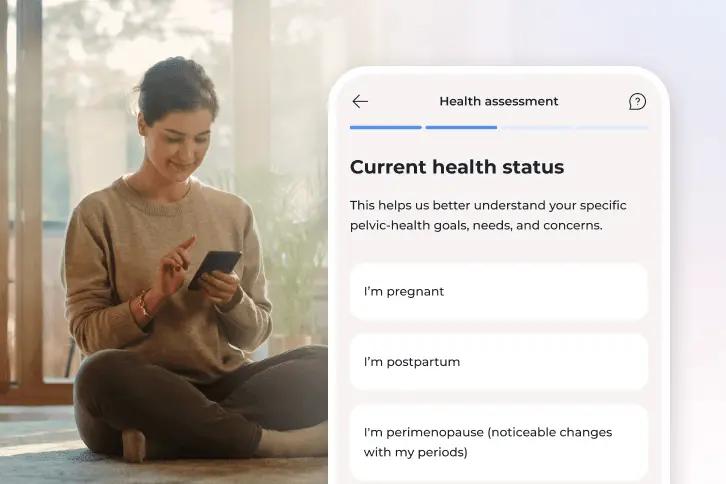
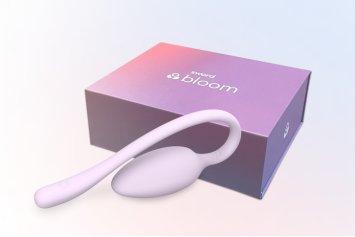
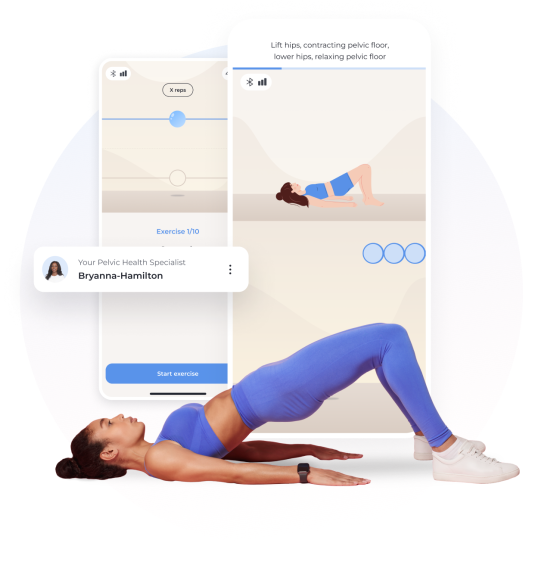
Bloom is Sword's women's health solution, bringing expert-guided pelvic muscle training directly to you at home. Sessions are around five to ten minutes, use the Bloom Pod for real-time feedback, and your plan adapts as your symptoms change. Your Women's Health Specialist, who holds a Doctor of Physical Therapy degree, stays with you throughout the entire journey
What to expect from Bloom
How Bloom supports you, step by step
In a peer-reviewed study of over 3,000 postmenopausal women:³
- Nearly 8 in 10 who started the Bloom program completed it
- Members rated their experience 8.6 out of 10
- 6 in 10 achieved clinically meaningful improvement in daily life
Bloom's strongest published evidence today is tied to pelvic care outcomes, including menopause-related pelvic issues. It helps build the muscle strength that creams don’t address so you’re supported from both sides.
You have more options than you thought
You came here looking for clarity. Now you have it.
Vaginal moisturizers are often used as an initial option. Estrogen cream can provide additional support, with a safety profile that’s reassuring for many women. Pelvic muscle training addresses the muscle support that creams can’t reach. Each approach can be effective on its own—and often more so in combination.
If you're covered through your employer or health plan, Bloom may be available to you at no cost. Checking your eligibility takes a few minutes. Checking your eligibility takes a few minutes and doesn't commit you to anything. You can take the first step from home, on your schedule.
About the author

Claire Kelly
Senior Clinical Program Specialist, Sword Bloom