The Sword summary warm-up
Don’t have time for the full workout? We’ve got you covered with a quick, high-intensity session. Here are the key takeaways:
- Pelvic pain and dysfunction are among the most overlooked drivers of women’s health and musculoskeletal (MSK) claims, particularly among women in midlife.
- These symptoms contribute to costly imaging, prescriptions, and avoidable surgeries that increase employer and payer spend while decreasing productivity and retention.
- Sword Health data shows that untreated pelvic dysfunction can double annual healthcare costs.
- Bloom changes this trajectory with digital pelvic care proven to reduce unnecessary claims, improve member outcomes, and drive measurable ROI for employers and health plans.
How much does pelvic pain in menopause cost health plans?
Pelvic pain affects more than one in four women during perimenopause and menopause¹. Despite its prevalence, it is often underdiagnosed and misclassified under general MSK or gastrointestinal codes. This invisibility masks a significant cost burden for payers and employers.
Sword Health’s internal claims analysis found that women with untreated pelvic floor dysfunction incur 2.5 times higher annual healthcare costs than their peers². These higher costs stem from repeated imaging, specialist referrals, pain medications, and even unnecessary surgeries.
The average cost per member per year (PMPY) for women with menopause-related pelvic pain exceeds $8,500, compared with $3,400 for age-matched peers without symptoms³. For a self-insured employer with 10,000 women in this demographic, that represents more than $5 million in avoidable annual spend.
Why menopausal pelvic pain is a hidden cost driver
Pelvic pain often hides within MSK and women’s health claims. Instead, conditions associated with pelvic floor dysfunction or menopause can appear in your claims base as lower back pain, hip discomfort, or abdominal tightness. Because these symptoms overlap with MSK conditions, many members are routed between orthopedists, gastroenterologists, and OB-GYNs before receiving an accurate diagnosis⁴.
This fragmented care drives redundant procedures, overlapping claims, and lost productivity. Without integrated pelvic health solutions, most employers and plans never see the true source of cost escalation.
The downstream costs of delayed women’s healthcare
When menopause-related pelvic pain goes untreated, it can evolve into chronic dysfunction, including prolapse, incontinence, and pelvic floor weakness. These conditions drive higher claim volumes and longer recovery times.
Sword’s Menopause at Work whitepaper found that unmanaged menopause-related pelvic symptoms are linked to a 52% increase in absenteeism and presenteeism and a 35% rise in short-term disability claims among women aged 45–60⁵.
These women are often key contributors and leaders in their organizations. Supporting their health helps maintain productivity, leadership continuity, and diversity in the workforce.

How does menopause affect workforce performance?
Symptoms like pelvic pressure, cramps, or fatigue affect the confidence, focus, and performance of women in the workplace, and outside the office.
The Menopause at Work study revealed that one in three women considered reducing their hours or leaving their job due to unmanaged menopause symptoms⁵. Replacing a single mid-level employee can cost 50–200% of their annual salary, not including lost expertise and disruption to team performance⁶.
Addressing pelvic and menopause symptoms through accessible care options like Bloom helps employers retain experienced employees, sustain productivity, and strengthen inclusion and equity goals.
How much can health insurers save with proactive pelvic care?
Early intervention is the single most effective way to reduce pelvic pain–related claims. Sword Health’s Bloom ROI Whitepaper (2026) found that Sword's Bloom AI-Care program delivers:
- 3.6x ROI within the first year⁷
- 89% reduction in pelvic surgeries in the Bloom group versus usual care
- 67% of members with menstrual discomfort found meaningful relief after nine sessions
By integrating proactive pelvic floor care into women’s health benefits, employers and payers can lower unnecessary utilization, prevent escalation to chronic conditions, and generate measurable savings within the first plan year.
What is Bloom and how does it work?
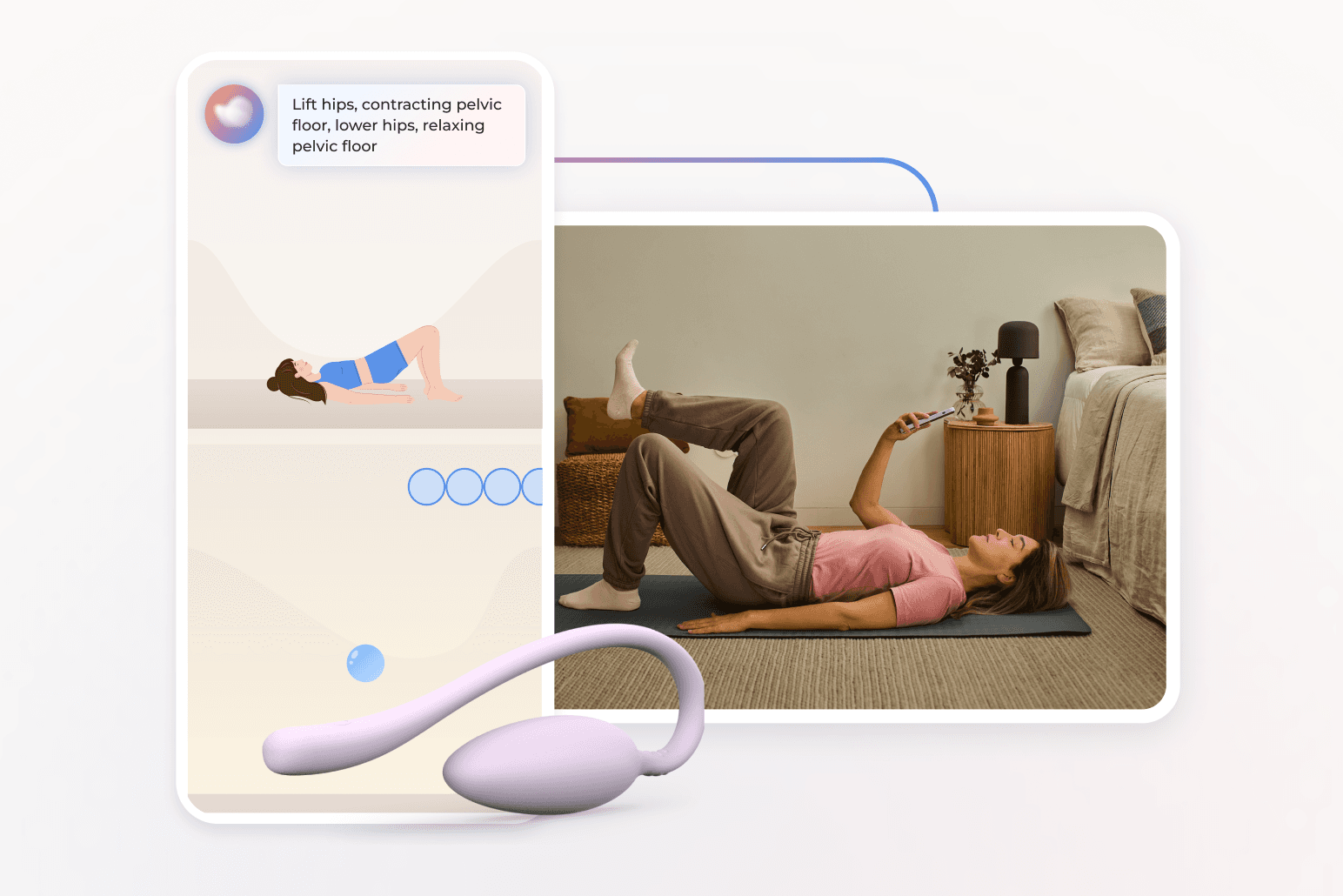
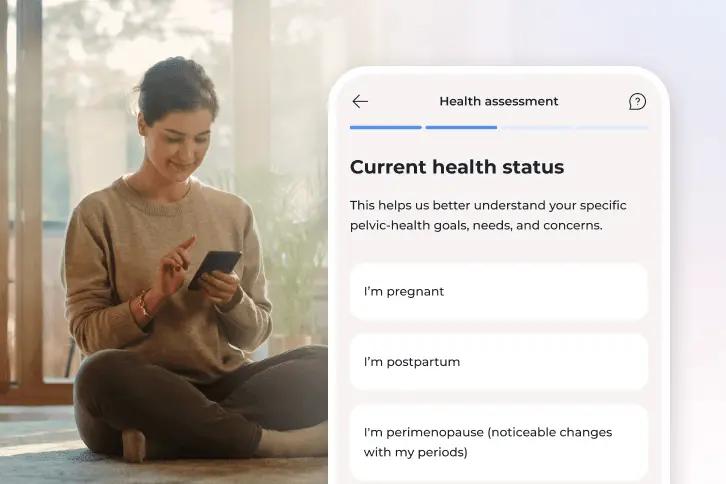
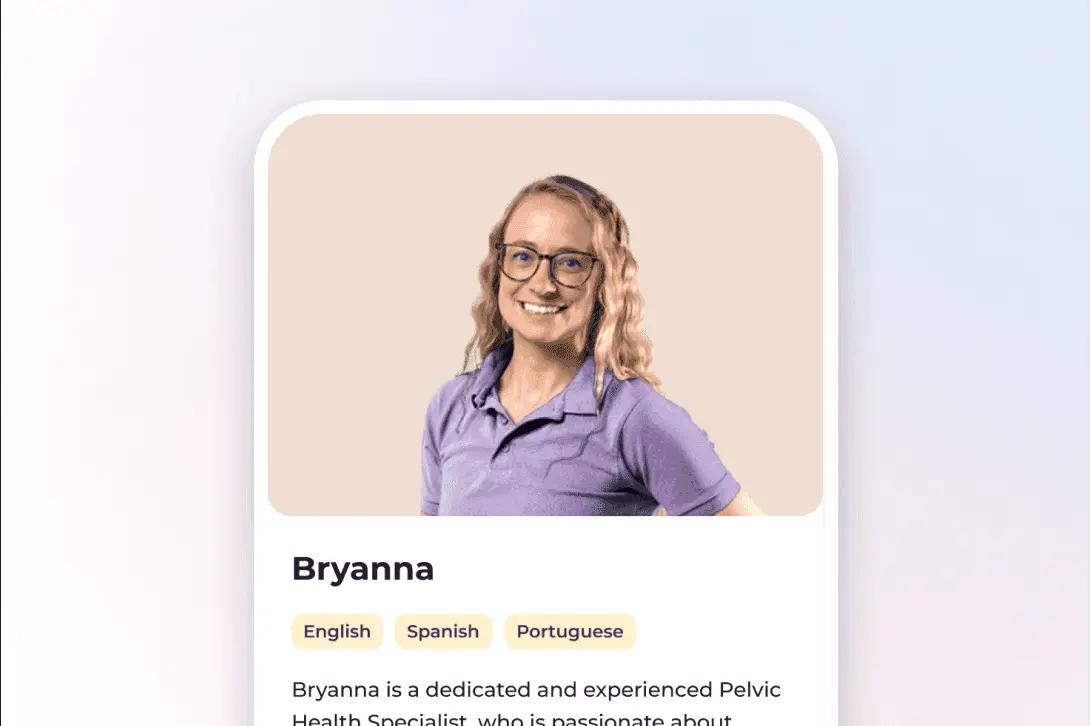
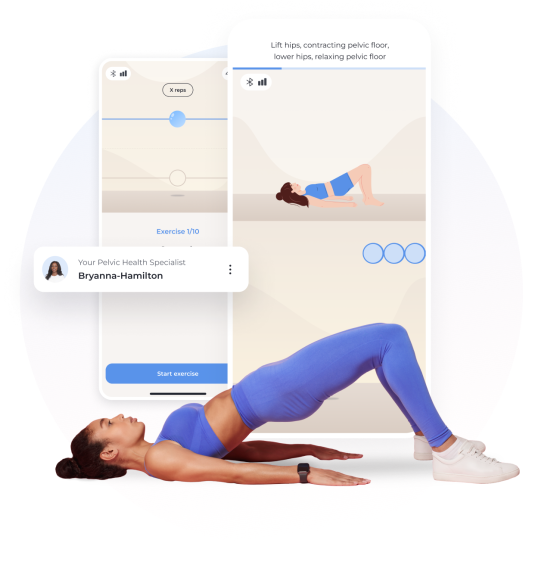
Bloom provides expert-guided pelvic care through an easy-to-use digital platform. Members start with a virtual assessment with a Women’s Health Specialist who holds a Doctor of Physical Therapy degree. From there, they receive a personalized program focused on strengthening and relaxing the pelvic floor muscles.
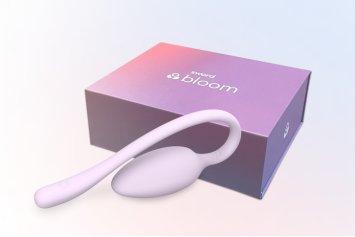
Each session lasts 10 to 15 minutes and can be completed from home. Members have access to the optional Bloom Pod, an FDA-listed biofeedback device that provides real-time feedback during sessions. The Sword app tracks progress and enables messaging with their Women’s Health Specialist for continued support.
This digital-first model eliminates barriers like scheduling, travel, and privacy concerns that often prevent women from accessing in-person care. Continuous guidance and progress tracking keep members engaged and deliver higher adherence, which directly translates to better outcomes⁷.
The Bloom member experience in 4 easy steps
How Bloom delivers ROI for employers and payers
The potential financial impact of offering Bloom is immense. For health plan managers, Bloom prevents more expensive downstream medical interventions by avoiding unnecessary surgeries and reducing the mental health impacts of pelvic floor dysfunction.
Financial impact and claim reduction
For employers, there are the strong organizational benefits of increased productivity, reduced absenteeism, and stronger retention of elite female leaders during and postmenopause. Bloom’s results continually demonstrate tangible cost reduction⁷:
- $3,082 in pelvic-related healthcare savings and $7,688 in total healthcare savings per member per year, driven primarily by surgery and visit reduction
- 3.6x gross ROI
- Significant decreases in imaging, specialist visits, and surgical procedures
By addressing symptoms early, Bloom helps members avoid high-cost care and keeps overall utilization down. For health plans, that means lower PMPY costs, fewer redundant MSK claims, and better predictability of spend.
Productivity and engagement gains

The findings from Sword’s Menopause at Work whitepaper emohasize just how powerful Bloom can be for women in the workplace during menopause and post-menopause:
- 65% of women reported improved comfort and quality of life⁵
- 52% reported fewer days of presenteeism
- 56% reported improved work satisfaction after completing Bloom
By reducing discomfort and building physical confidence, Bloom empowers women to participate fully in work and life, boosting performance and retention rates for employers and reducing downstream costs for health insurers.
Forward-thinking employers are acting now
Women over 40 make up nearly half of the U.S. workforce and account for 80% of household healthcare decisions⁹. This demographic drives plan selection, satisfaction, and retention, making women’s health a strategic growth opportunity for payers and employer plans alike. Adding Bloom helps health plans:
- Reduce costs from unnecessary imaging and surgical claims
- Increase member engagement through guided digital pelvic care
- Deliver measurable ROI for women’s health initiatives
- Meet the growing demand for menopause and pelvic health support
For employers, offering Bloom signals a genuine commitment to inclusion, productivity, and long-term retention of top female talent.
See how Bloom can slash costs and stop women suffering in silence
Menopause-related pelvic pain is common and costly, but it is also preventable with early intervention. Bloom enables employers and health plans to reduce spend while improving comfort, productivity, and equity across their member base to:
- Reduce healthcare costs and unnecessary claims
- Improve outcomes for women in midlife
- Support retention, inclusion, and productivity goals
Request a demo today with a Bloom expert to explore how you could start offering effective women’s health benefits for your members.
About the author

Claire Kelly
Senior Clinical Program Specialist, Sword Bloom