You don’t have to keep managing this on your own
Key takeaways
- Vaginal atrophy is caused by declining estrogen during and after menopause, affecting an estimated 40–50% of postmenopausal women¹ and it's one of the most privately carried conditions in women's health
- Symptoms include dryness, burning, painful intercourse, and urinary changes like urgency or frequency, and they tend to worsen gradually without support
- Relief is more accessible than many women know, starting with simple non-hormonal approaches and pelvic floor muscle training, with support in exploring additional options, including hormonal therapies, when appropriate.
- Discreet, expert-guided pelvic support is available from home, without a clinic visit or waiting list
The symptom you've been carrying quietly
You stopped mentioning it to your partner months ago. The dryness. The discomfort. The way intimacy has quietly become something you manage rather than enjoy. You carry a small tube of lubricant in your bag. You've started clocking bathroom locations the moment you walk into a new space. You haven’t brought it up to your doctor because you’re not sure it’s worth mentioning.
What you're experiencing has a name: vaginal atrophy, also called vulvovaginal atrophy or VVA. It affects an estimated 40–50% of postmenopausal women.¹ It's also one of the most privately carried conditions in women's health. Not because nothing helps, but because many women never hear that something can.²
1 in 2 postmenopausal women experience vaginal atrophy. Many carry it in silence, assuming it's just part of getting older.¹ But support and evidence-based strategies can help you manage symptoms and improve comfort.
Why dryness and discomfort happen after menopause
Estrogen has been doing quiet, essential work in your body for years. It keeps vaginal tissues moist and resilient. It maintains the suppleness of the vaginal walls. It supports the natural bacterial environment that protects against irritation. When estrogen declines during perimenopause and after menopause, those tissues change. They become thinner, drier, more easily irritated.
None of this reflects how well you've taken care of yourself. Estrogen loss drives these changes. Simply biology doing what biology does.
What often surprises women is that the same process reaches further than the vaginal area. The tissue lining the bladder and urethra responds to estrogen in exactly the same way, which is why urinary symptoms so often show up alongside vaginal ones.
Clinicians have a name for this whole picture: genitourinary syndrome of menopause, or GSM.³
What vaginal atrophy actually feels like (and why it's so easy to dismiss)
Vaginal atrophy tends to creep in sideways. A dryness that takes longer to resolve than it used to. A sensitivity during exercise that wasn't there before. A gradual change in how sex feels that you attribute to stress or fatigue. By the time many women name what's happening, they've already spent months, sometimes years, accommodating it.
If some of what follows sounds familiar, know that you're far from alone:
- Vaginal dryness that doesn't resolve on its own
- Burning or itching, particularly after bathing or physical activity
- Pain or discomfort during sex
- Light spotting after intercourse
- A feeling of vaginal tightness or pressure
- Urinary urgency, frequency, or a burning sensation that keeps returning even after antibiotic treatment
That last point is worth holding. If you've been cycling through antibiotic courses for what feels like a stubborn UTI, infection may not be what's actually driving the problem. GSM changes the tissue lining the urethra and bladder neck in ways that can mimic infection without one being present. If your symptoms keep returning despite treatment, it’s worth discussing with your healthcare provider.
Unlike hot flashes, vaginal and urinary symptoms linked to estrogen loss tend to deepen rather than fade. Women who receive no pelvic floor support experience measurable worsening in urinary symptoms over time, while those who do get support see real improvement.¹ Waiting rarely works here.
Simple steps you can start today, no referral needed
You can start addressing these symptoms today, no waiting required.
What you can start with now
Vaginal moisturizers can be used a few times per week, not just before sex, to help restore the tissue environment and reduce dryness. They work differently from lubricants, which ease friction during intercourse but don't change the underlying tissue. Both have a role, and both are available over the counter.
Staying well hydrated, avoiding scented soaps in the vaginal area, and maintaining regular sexual activity or gentle stimulation all support blood flow to vaginal tissues.
Pelvic floor muscles wrap around and support the vaginal walls, bladder, and bowel. As estrogen declines, these muscles tend to weaken and lose coordination, feeding directly into the symptoms you may be experiencing. Women after menopause who engage consistently with pelvic muscle training report meaningful improvement in both vaginal comfort and urinary symptoms.¹ This is exactly why Bloom exists: to make that kind of expert-guided support accessible without a clinic visit or waiting list.
When symptoms go beyond self-care
For women experiencing more persistent or bothersome symptoms, there are effective options that a clinician may recommend. One example is low-dose vaginal estrogen, which works directly on vaginal and urethral tissue, with minimal absorption into the rest of the body. Its safety profile is different from systemic hormone therapy, and for some women, it may be appropriate depending on their history.
At Bloom, our clinicians help members understand these options and guide them toward the right next step based on their individual needs.
One important note: unexplained bleeding after menopause, unusual discharge, or pelvic pain that feels different from your usual experience should be evaluated by a clinician promptly.
You don't have to carry this alone

How Bloom brings expert pelvic care to your home
6.5 years is the average time women wait before seeking help for pelvic symptoms.² 6 in 10 postmenopausal women in Bloom's program achieve meaningful improvement in daily life.¹
Traditional pelvic care usually means finding a specialist, getting a referral, waiting weeks, and travelling to a clinic for something you'd rather handle privately. Bloom removes every one of those barriers.
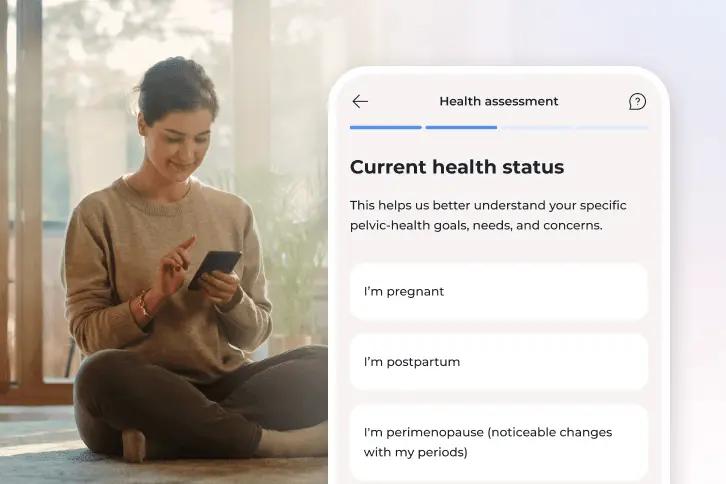
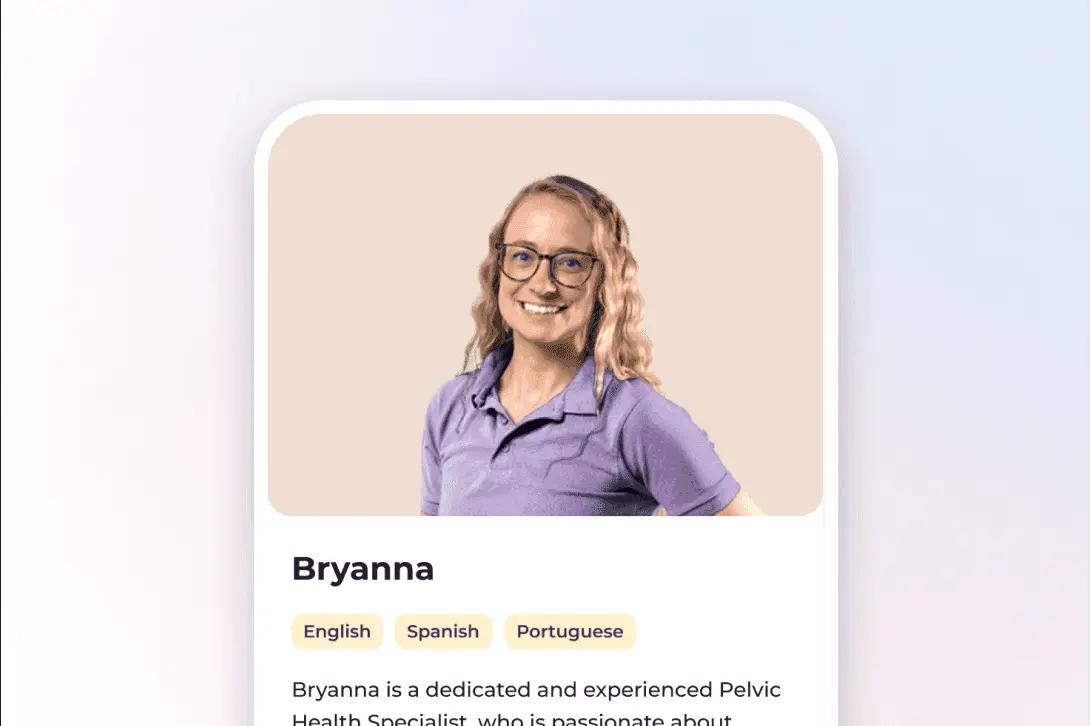
Bloom is Sword's women's health solution, bringing pelvic care from a Women's Health Specialist with a Doctor of Physical Therapy degree directly to you at home, on your schedule. Your program starts with a video call where your specialist takes time to understand your symptoms, your history, and your goals.
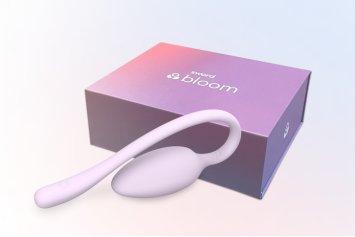
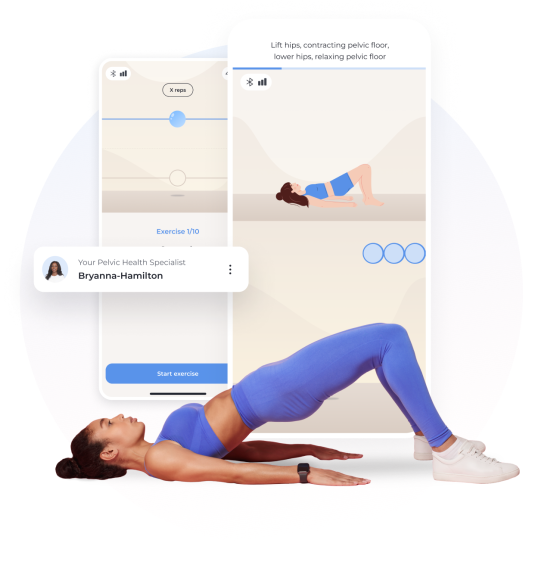
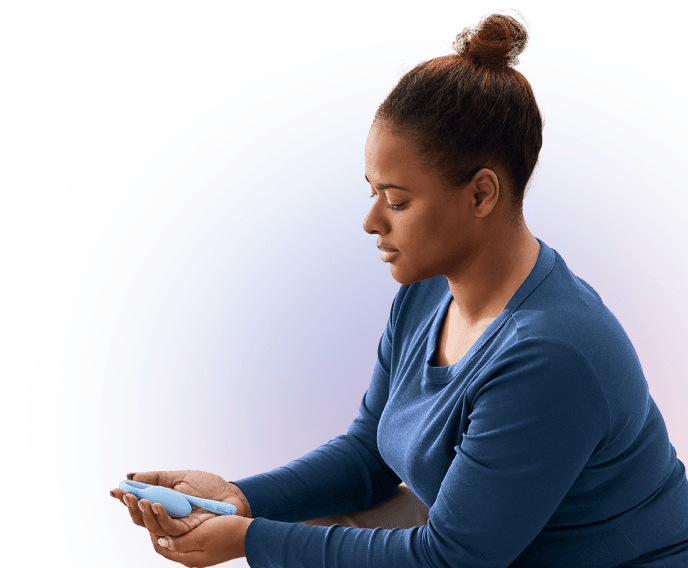
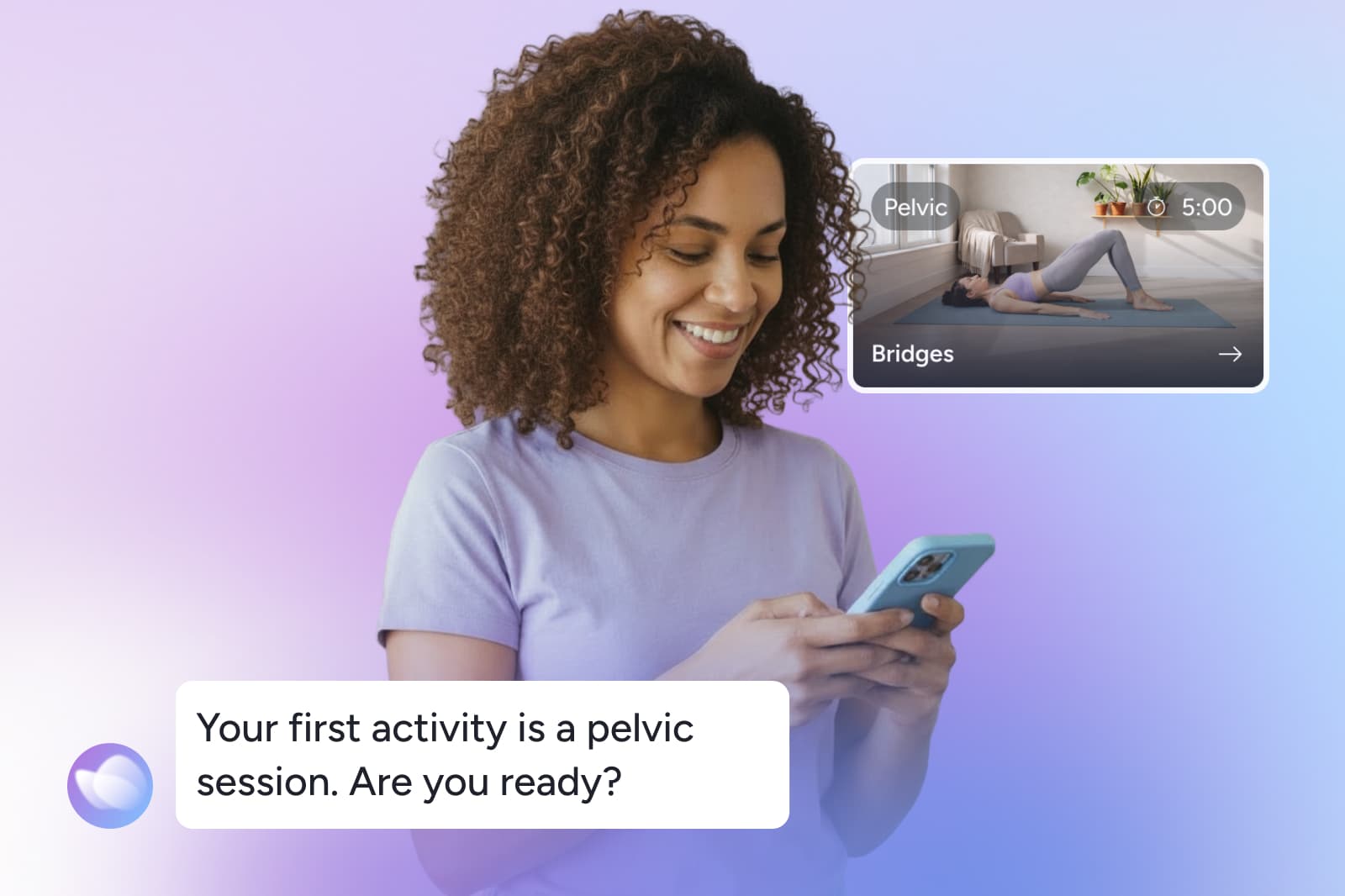
From there, you complete short, guided sessions (typically around 5 to 10 minutes) through the Sword app. Depending on your program, this may include the Bloom Pod, an intravaginal biofeedback device that provides real-time feedback on how your pelvic muscles are responding.
Between sessions, Phoenix, Bloom's AI Care Specialist, keeps your care consistent. It adapts your plan as your symptoms change, checks in when you need support, and makes sure you always have guidance when you need it. All of this happens within a clinically governed program, with your Women's Health Specialist maintaining oversight throughout.
What to expect from Bloom
How Bloom supports you, step by step
Care that fits into real life makes a difference. Half of all Bloom sessions happen after hours. More than one in five happen on weekends.⁴ The most effective care is care that actually gets done.
In a peer-reviewed study of over 3,000 postmenopausal women with pelvic floor concerns:¹
- Nearly 8 in 10 who started the Bloom program completed it
- Members rated their experience 8.6 out of 10
- 6 in 10 achieved clinically meaningful improvement in daily life
- Work impairment improved by approximately half
Bloom's strongest published evidence today is tied to pelvic care outcomes, including menopause-related pelvic issues. Bloom can help support pelvic muscle strength and coordination that can make a meaningful difference to how you move through your days, working alongside whatever medical care you're already receiving.
You never had to carry this alone
Vaginal atrophy affects roughly half of all postmenopausal women. Many carry it in silence. Not because nothing can be done. Because nobody started the conversation.
The discomfort you've normalized. The intimacy you've quietly let go of. The small rearrangements you've built into your days to manage something you were never meant to manage alone. None of it was inevitable. And none of it needs to stay.
You deserve the same care and conversation that was simply never offered to you.
If you're covered through your employer or health plan, Bloom may be available to you at no cost. Checking your eligibility takes a few minutes. Check your eligibility now in minutes. You can take the first step from home, on your schedule.
About the author

Claire Kelly
Senior Clinical Program Specialist, Sword Bloom