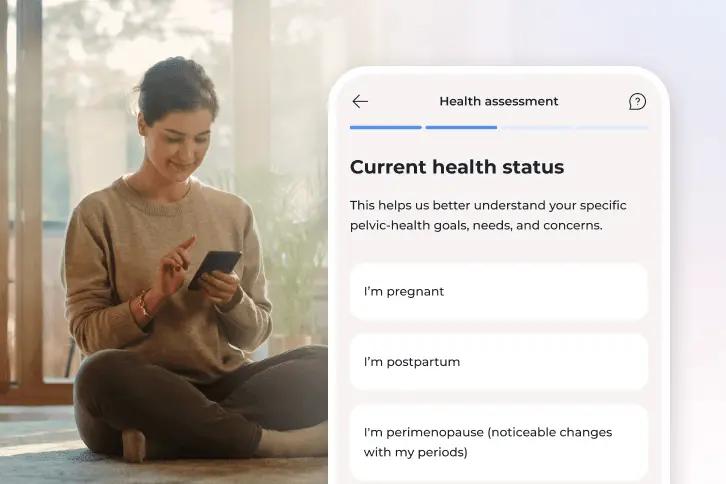
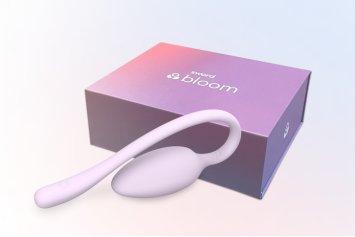
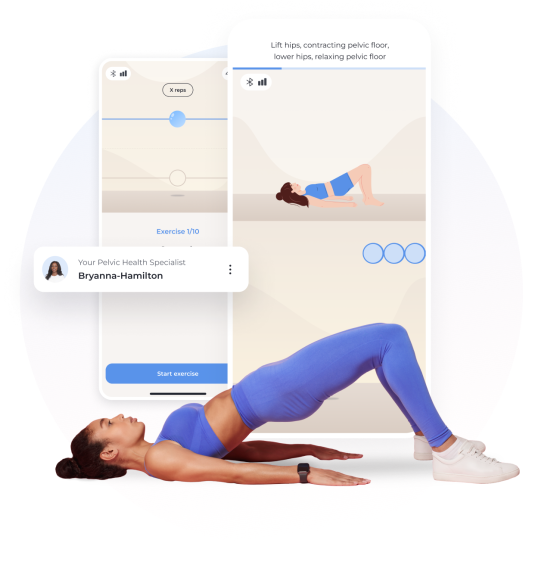
You don’t have to keep managing this on your own
Key takeaways
- Genitourinary syndrome of menopause (GSM) is the clinical term for a connected cluster of vaginal and urinary changes caused by declining estrogen. It replaces the older, narrower term "vaginal atrophy"
- Symptoms include vaginal dryness, burning, painful sex, urinary urgency, frequency, and recurring infections. All are driven by the same hormonal cause, not separate problems arriving by coincidence
- GSM can be effectively managed with a range of options—from over-the-counter moisturizers and pelvic floor muscle training to localized hormonal therapies.
- Expert-guided pelvic support is available from home, privately and on your own schedule, without a referral or waiting list
The name many women never hear
There is a moment many women recognize: the appointment where a doctor listens, nods, and says something that amounts to "this is normal for your age." No diagnosis. No name for the experience. Just a quiet implication that what she is feeling is simply what menopause looks like.
For millions of women, that experience has a name: genitourinary syndrome of menopause (GSM). Many have never heard it. Many have been managing its symptoms for years without knowing the cluster of changes they were experiencing had a clinical term, let alone a clear treatment pathway.
That changes here.
Why vaginal and urinary symptoms so often travel together
If you've been dealing with vaginal dryness and bladder urgency at the same time, you're not dealing with two separate conditions that happened to arrive together. They share a single biological cause: declining estrogen, affecting tissue that sits close together and responds to the same hormonal signals.
Before 2014, medicine treated vaginal changes as "vaginal atrophy" and bladder symptoms as separate diagnoses. That approach fragmented something fundamentally connected. Clinicians introduced the term GSM to capture the full picture.
Your vagina, vulva, urethra, and bladder all rely on estrogen to stay healthy and resilient. When estrogen drops during perimenopause and after menopause, all of these structures are affected..³ This is actually encouraging. You don't need a different solution for every symptom. Working at the shared root can improve the whole picture at once.
How GSM symptoms show up, and why they compound each other
- Vaginal and vulvar symptoms are often the first thing women notice: persistent dryness, burning or itching without an obvious cause, discomfort during exercise, pain during sex that crept in gradually rather than all at once. Some women may even notice light spotting after intercourse because thinned tissue is more easily disturbed.
- Urinary symptoms follow the same hormonal logic. The urethra and bladder neck rely on estrogen just as vaginal tissue does. As levels fall, the result can feel a lot like a urinary tract infection: urgency, frequency, burning when you urinate, or a sense that your bladder hasn't fully emptied. If your urine cultures have come back negative while symptoms are still present, GSM could be a more likely explanation than ongoing infection. That's worth raising directly with your clinician.
- Why everything seems to get worse at the same time: vaginal dryness often causes the pelvic floor muscles to tighten as your body braces against discomfort. That tension can make urinary urgency worse. Disrupted sleep from nighttime bathroom trips adds fatigue. Fatigue lowers your tolerance for everything else. This is why tackling one symptom at a time often brings only partial relief. The most effective approaches work on the underlying tissue changes and pelvic muscle function together.
Where to start: options at every stage
You can begin managing GSM at home today, without a referral or a prescription.
Simple changes that add up
Regular use of vaginal moisturisers, used two to three times a week as an ongoing habit rather than only before sex, help restore the tissue environment and reduce daily dryness. They work differently from lubricants: moisturisers change the underlying tissue, while lubricants ease friction in the moment. Both play a role and both are available over the counter.
Staying well hydrated, avoiding scented products near the vaginal area, and maintaining regular sexual activity or gentle stimulation all support blood flow to vaginal tissues and can slow tissue changes over time.
Pelvic muscle training
Pelvic muscle training holds a central place in managing GSM because it works across multiple symptoms at once. Strengthening these muscles improves vaginal support, eases urinary urgency, and can help with bladder control.¹ Women after menopause who follow a structured pelvic training program consistently report improvement in both vaginal and urinary symptoms.¹ This is exactly why Bloom exists: to bring expert-guided pelvic support to women's homes without a clinic visit or a referral.
Localized hormonal options
For women with moderate to severe symptoms, localized estrogen is a well-supported medical option. Low-dose vaginal estrogen works directly on the tissue that needs help, with very little absorption into the rest of your body. It carries a distinct safety profile from systemic HRT, and many women who've been told to avoid systemic hormones may be able to safely use it. A clinician familiar with your health history can help you decide which approach makes sense. Where you begin matters less than the decision to begin.
You don't have to carry this alone

How Bloom supports women managing GSM
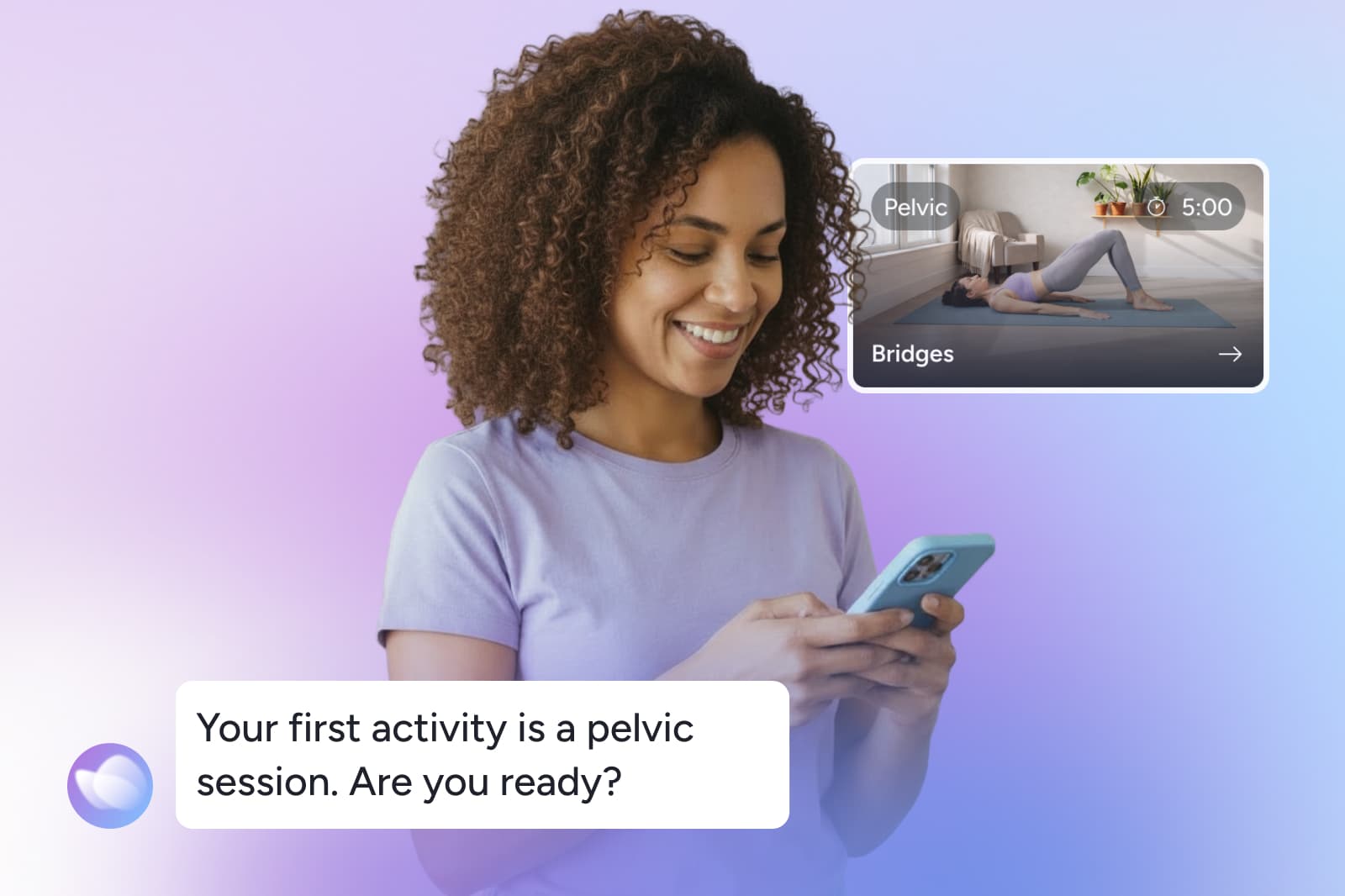
Bloom is Sword's women's health solution, bringing pelvic care from Women's Health Specialists who hold Doctor of Physical Therapy degrees right to your home, on your schedule.
A Women's Health Specialist understands how the whole pelvic system works together, which means she can support vaginal dryness, discomfort, and urinary symptoms together rather than treating each as a separate problem. Your specialist works with you one-on-one to understand what you're experiencing and build a plan that fits your life.
Between your sessions, Phoenix, Bloom's AI Care Specialist, keeps your care consistent. It adapts your plan as your symptoms evolve and ensures you’re always supported when things change. All of this happens within a clinically governed program, with your Women's Health Specialist maintaining oversight throughout.
In a peer-reviewed study of over 3,000 postmenopausal women with pelvic floor concerns:¹
- Nearly 8 in 10 who started the Bloom program completed it
- Members rated their experience 8.6 out of 10
- 6 in 10 achieved clinically meaningful improvement in daily life
Bloom is designed to be discreet, compassionate, and genuinely useful, fitting into your day rather than adding to it. For many women, it's available through their employer or health plan at no cost.
Bloom's strongest published evidence today is tied to pelvic care outcomes, including menopause-related pelvic issues.
What to expect from Bloom
How Bloom supports you, step by step
You have a name for it now. Here's what to do with it.
Understanding GSM helps you ask the right questions, explore the right options, and have more informed conversations with your clinician. It turns a handful of confusing symptoms into something that has a clear path forward.
Many women who finally understand what's been happening feel two things at once: relief that it has a name, and frustration that no one offered it sooner. Both are completely valid. The point now is what comes next.
You don't need to wait until things get bad enough to feel like you've "earned" the right to ask for help.
If you're covered through your employer or health plan, Bloom may be available to you at no cost. Checking your eligibility takes a few minutes. Check your eligibility now in minutes. You can take the first step from home, on your schedule.
About the author

Claire Kelly
Senior Clinical Program Specialist, Sword Bloom