




Latest articles
Fresh healthcare insights

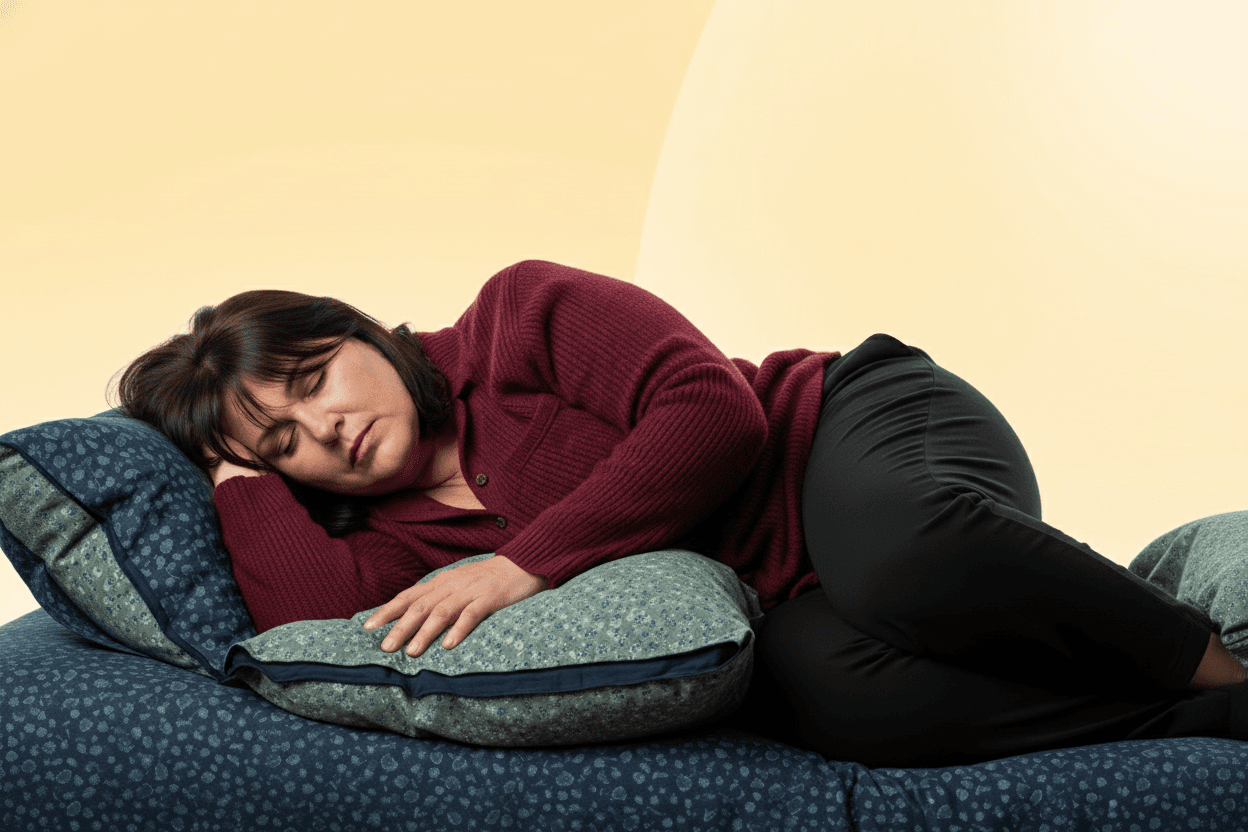
Endometriosis after menopause
Don’t have time for the full workout? We’ve got you covered with a quick, high-intensity session. Here are the key takeaways: For many women, menopause marks a transition that brings relief from symptoms that once appeared during the menstrual cycle. Because of this, pelvic or abdominal pain after menopause often feels unexpected. Some women describe the sensation as confusing or even frightening, especially if they had endometriosis earlier in life. These feelings are understandable. Pelvic pain after menopause can happen for several reasons, and not all of them are related to endometriosis. Hormonal changes influence almost every tissue in the pelvis. Muscles, nerves, digestion, and bladder sensitivity can all shift during this time. Many women notice aches or discomfort that come and go, or sensations that feel familiar but not exactly the same as before.
December 5, 2025 • 10 min read

Breaking the Silence with Bloom
There's a conversation millions of women are not having. Not with their doctors. Not with their partners. Not even with their closest friends. It's about bladder leaks. Painful sex. Sleepless nights. Pelvic floor issues that have quietly dismantled parts of their lives, piece by piece. Bloom was created to change that. This year, we invited members to share their experiences living with pelvic health symptoms and the progress they made after receiving clinical support and AI Care. Hundreds responded. Their stories form Breaking the Silence, a new book that brings these lived experiences forward and highlights what becomes possible when women finally receive care that works.
December 4, 2025 • 5 min read

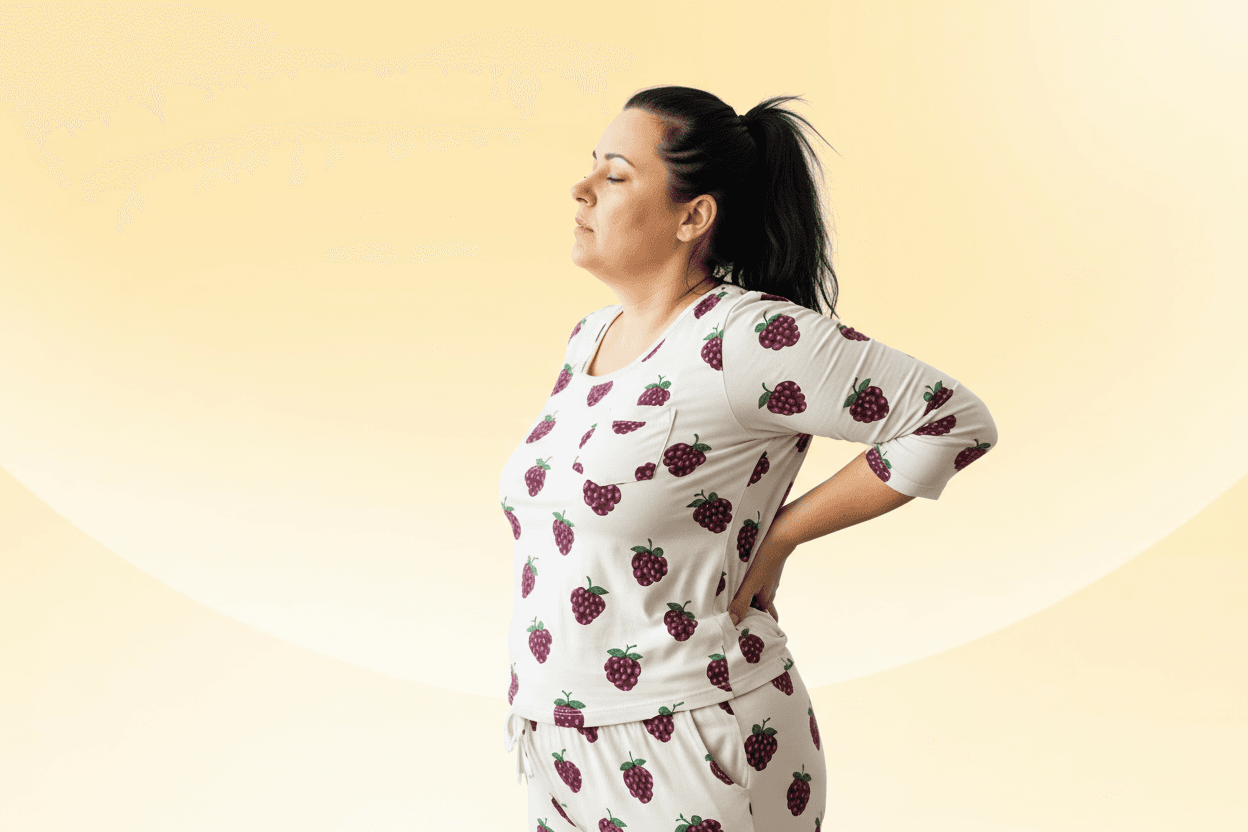
Menopause and pelvic pain relief
Don’t have time for the full workout? We’ve got you covered with a quick, high-intensity session. Here are the key takeaways: If you have noticed new tension, pressure, or aching in your pelvis during menopause, you are far from alone. Research shows that up to one in three women experience some form of pelvic discomfort during this time¹. Many describe it as a dull ache, a sense of heaviness, or even sharp spasms that come and go without warning. At the same time, muscles that once provided reliable stability may start to weaken from disuse, hormonal changes, or posture shifts. This imbalance between tension and weakness can create new feelings of strain or discomfort.
November 28, 2025 • 9 min read

The cost of pelvic pain in menopause
Don’t have time for the full workout? We’ve got you covered with a quick, high-intensity session. Here are the key takeaways: Pelvic pain affects more than one in four women during perimenopause and menopause¹. Despite its prevalence, it is often underdiagnosed and misclassified under general MSK or gastrointestinal codes. This invisibility masks a significant cost burden for payers and employers. Sword Health’s internal claims analysis found that women with untreated pelvic floor dysfunction incur 2.5 times higher annual healthcare costs than their peers². These higher costs stem from repeated imaging, specialist referrals, pain medications, and even unnecessary surgeries.
November 28, 2025 • 10 min read

How to manage hip joint pain in menopause
Don’t have time for the full workout? We’ve got you covered with a quick, high-intensity session. Here are the key takeaways: Many women begin to feel new sensations around their hips during menopause, such as stiffness in the morning, soreness after sitting, or a deep ache after walking. These changes can feel unsettling, especially if movement once felt easy and predictable. Menopause affects several parts of the body, including the tissues that support your joints. Estrogen helps maintain collagen, fiber elasticity, and the natural lubrication your joints rely on to move comfortably¹. When estrogen levels fluctuate and then decrease, those tissues can feel less flexible and more sensitive, especially during movements that require stability, like standing up from a chair or walking briskly.
November 28, 2025 • 7 min read

How to reduce menopause body aches and stay active
Don’t have time for the full workout? Here’s your quick session: Menopause is a major transition, and your body responds in unique ways. Lower estrogen levels can influence inflammation, muscle recovery, and joint lubrication. This can cause soreness that comes and goes, especially after long periods of sitting or when trying a new activity. For others, the changes are more subtle, showing up as fatigue or tightness that eases with movement. These sensations are common and manageable. Your body remains adaptable, so you don’t need to prepare to suffer. With gentle, consistent habits you can reduce and prevent menopause-related stiffness and joint pain before it begins.
November 11, 2025 • 9 min read

Pelvic health education at work
Most workplaces are not designed with women’s health in mind. Menstrual leave is rarely offered. Menopause is barely acknowledged. And pelvic health, despite being one of the most common and disruptive issues for women, is almost never discussed openly. This silence carries consequences. One in three women will experience a pelvic floor disorder in her lifetime.¹ These conditions can cause bladder leaks, pelvic pain, prolapse, or bowel dysfunction. Symptoms do not just affect comfort, they ripple into work by undermining focus, limiting confidence in professional settings, and reducing productivity. Yet stigma keeps many women silent. They may feel embarrassed to ask questions, raise concerns with HR, or even admit their struggles to themselves. The result is a hidden epidemic of untreated pelvic health problems across the workforce.
November 6, 2025 • 11 min read
For employers
Workplace health advice
How digital physical therapy improves employee retention
Did you know that fear of pain can be more disabling than pain itself? Chronic pain and employee turnover prevention are critically linked, but with the right MSK benefits coverage, employers can help their team members recover from pain to increase workplace productivity. Nearly 28% of people in the workplace will take leave for MSK pain over the course of a year. Patients who suffer the two most common conditions of low back and neck pain have an average return to work of 7 days. Overall, MSK conditions are responsible for 44 missed work days each year on average.
October 24, 2025 • 5 min read
How to evaluate and select the best digital MSK vendors
Musculoskeletal (MSK) disorders are one of the most expensive and under-addressed cost centers facing U.S. healthcare providers. MSK disorders affect 1 in 2 Americans and cost over $190 billion per year, more than heart disease, cancer, or mental health conditions. For employers and health plans, MSK claims are often among the top 3 cost drivers. And for members, chronic pain reduces quality of life, drives absenteeism, and often leads to costly downstream interventions. That’s why digital MSK solutions have surged in popularity. The promise is compelling: better access, which drives stronger engagement, delivers better outcomes, and therefore lowers overall healthcare costs.
October 24, 2025 • 6 min read
Reduce MSK costs with more effective digital MSK care plans
You’ve likely seen numerous digital health solutions that promise to lower medical spend. You’ve probably zeroed in on the top conditions with significant digital solutions in the marketplace: musculoskeletal (MSK), mental health, and diabetes. For most companies, prioritizing MSK care over other digital health solutions will drive the biggest benefits for your employees and your bottom line when it comes to savings. Given the multitude of vendors, platforms, and solutions available, prioritization can be a daunting task. How do you choose from among the thousands of digital health tools? What combination of condition focus and solution selection will drive the best outcomes for your population and the biggest return for your business?
October 24, 2025 • 5 min read
GLP-1 employer healthcare costs: lower spend with better outcomes
GLP-1 medications like Ozempic and Wegovy are transforming how employers approach obesity care. Once reserved for diabetes patients, these drugs are now widely prescribed for weight loss. GLP-1 drugs do deliver on their promise of improved cardiometabolic outcomes. Simply, these medications do help users lose weight. But for health plans and employers, the real challenge goes beyond pharmacy claims. The bigger risk is in the hidden costs that accumulate over time when GLP-1 treatment is not paired with sustainable lifestyle changes. Without movement programs to protect lean muscle and build healthy habits, employers may face a second wave of musculoskeletal (MSK) claims, re-prescriptions, and long-term disability costs. GLP-1 users often don’t develop the behaviour change needed to sustain weight loss over time. Also, lean muscle mass is often lost during GLP-1 use which leaves people at increased risk of musculoskeletal (MSK) issues as a result of lower strength and stability levels.
October 23, 2025 • 8 min read
Expert guidance
From the experts: Ask a physical therapist

Ask a PT: when is the best time to do my exercises?
Before I joined Sword Health, I worked in brick-and-mortar clinics. I never worked weekends, and rarely worked past 6 pm. My schedule was great...for me. But for my patients, it was a real challenge. Attending a physical therapy appointment might require leaving work early or slipping out at lunch. Even patients with more flexible schedules would sometimes lament about finding childcare or arranging transportation. A thirty-minute appointment could easily take an hour or even 90 minutes once travel was taken into account. When I was in a clinic, the “best” time for a patient to do their exercises was the time that worked for me, not for them. Sword's virtual model gives our members the power to do their exercises when AND where it's most convenient for them. Now that I work remotely for Sword, I’m able to help our members figure out the best time to do their exercises at home. Now, when my members ask me when they should do their exercises, I tell them - the best time is when you’ll actually do them!
February 11, 2021 • 6 min read

Ask a PT: Does walking really help with pain?
If you’ve ever stood on the sidelines of a sporting event, you’ve likely witnessed many falls, trips and tackles. Whether the players are small children or professional athletes, the advice from the coach may have simply been to “walk it off.” While that is not always the best solution after an acute injury, walking can be a really effective way to manage chronic pain. Motion is lotion. Movement increases blood flow, which brings nutrients to our tissues. It also helps those that don’t have blood flow, like cartilage. Cartilage lines our joints, absorbing impact. It’s surrounded by a liquid which provides it with nutrients, flowing in and out of it like a sponge. Exercise, like walking, causes loading that fills and squeezes that sponge, particularly in the joints of our legs and spine.
August 13, 2020 • 4 min read

Ask a PT: What Is Causing My Shoulder Pain?
When your shoulder hurts, it can be difficult to tell exactly what’s gone wrong. You’ve probably heard of pinched nerves and rotator cuff tears. Perhaps you’ve also heard about shoulders being ‘impinged’ or ‘frozen.’ It’s not easy to keep these various shoulder conditions straight, especially when they all cause similar pain symptoms. The first step towards fixing a problem is identifying it. This article, written by a team of Doctors of Physical Therapy, is designed to help you figure out what’s causing your shoulder pain — so you can begin the process of healing it. We will dive into the five most common causes of shoulder pain and how to differentiate them. Cervical refers to the neck, and radiculopathy is pain that radiates to another body part. Hence, cervical radiculopathy: a pinched nerve in the neck, which can cause radiating pain affecting the shoulder. It occurs when the cervical spine becomes damaged due to sudden injury or degeneration over time, and squeezes or puts pressure on a nearby nerve.
November 1, 2023 • 6 min read
Healthcare contributors
Meet Sword's expert authors

Vijay Yanamadala
Chief Medical Officer at Sword Health

Fernando Correia
SVP Clinical & Regulatory Affairs at Sword Health

Megan Hill
Director, Clinical Specialists

Morgan Hollis
Head of Clinical Strategy, Sword Move

Jennesa Atherton
Head of Clinical Affairs, Sword Bloom

Liz Santo
Senior Clinical Program Manager, Sword Bloom ·