



Latest articles
Fresh healthcare insights

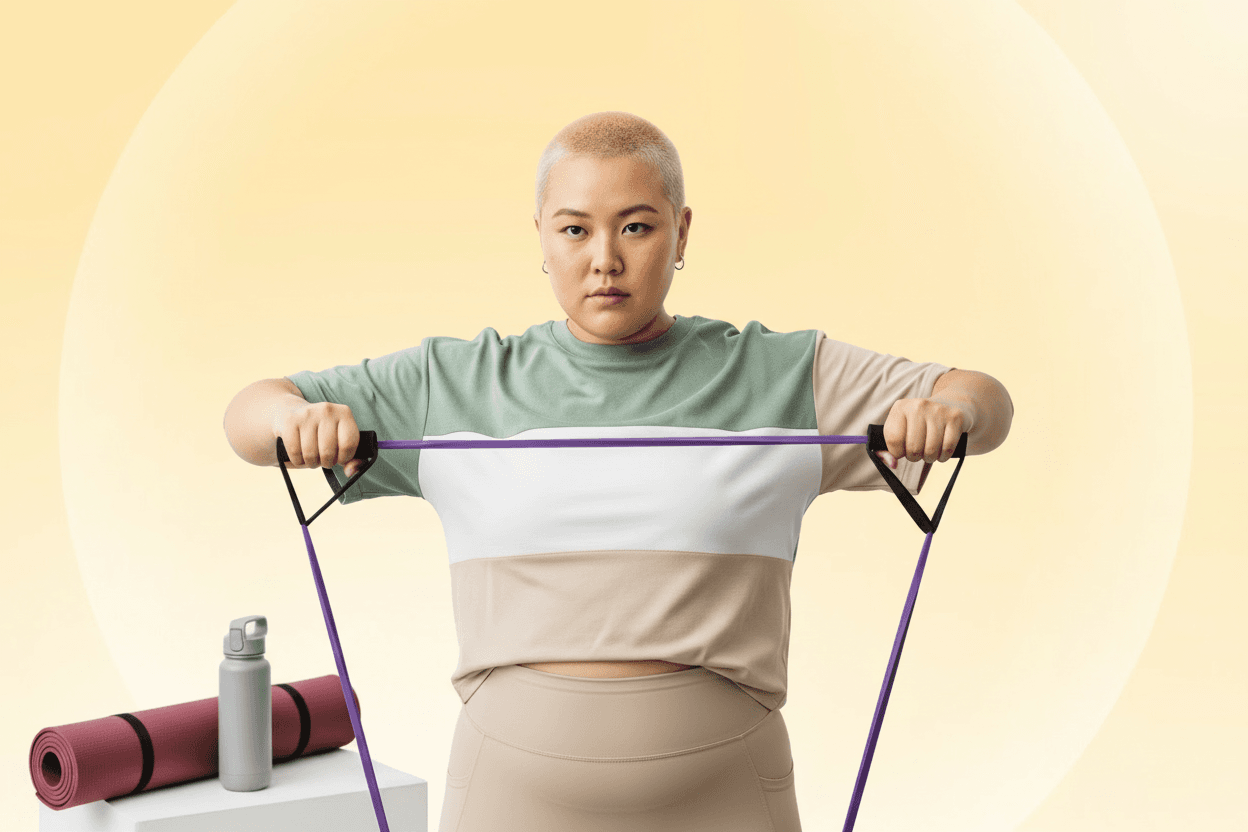
Cramps during perimenopause
Don’t have time for the full workout? We’ve got you covered with a quick, high-intensity session. Here are the key takeaways: You might notice that the cramps you have always had are changing. They may last longer, appear between periods, or feel sharper than before. Many women experience these shifts in the years leading up to menopause. Perimenopause can begin in your late 30s or early 40s. During this time, estrogen and progesterone levels rise and fall unevenly¹. These hormonal changes influence your uterus, ovaries, and muscles, which can lead to more noticeable cramps or bloating².
October 20, 2025 • 9 min read
How to reduce menopause body aches and stay active
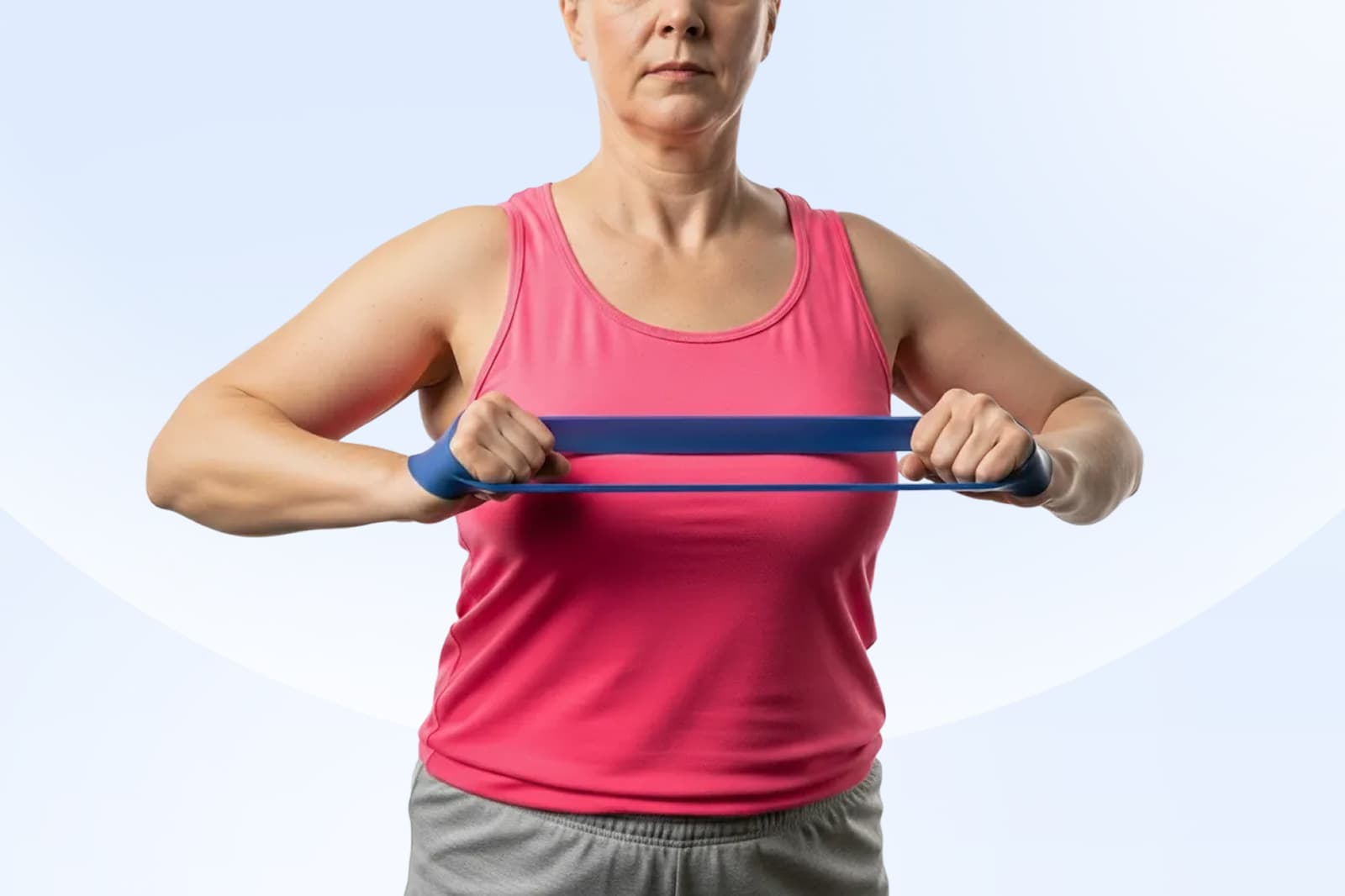
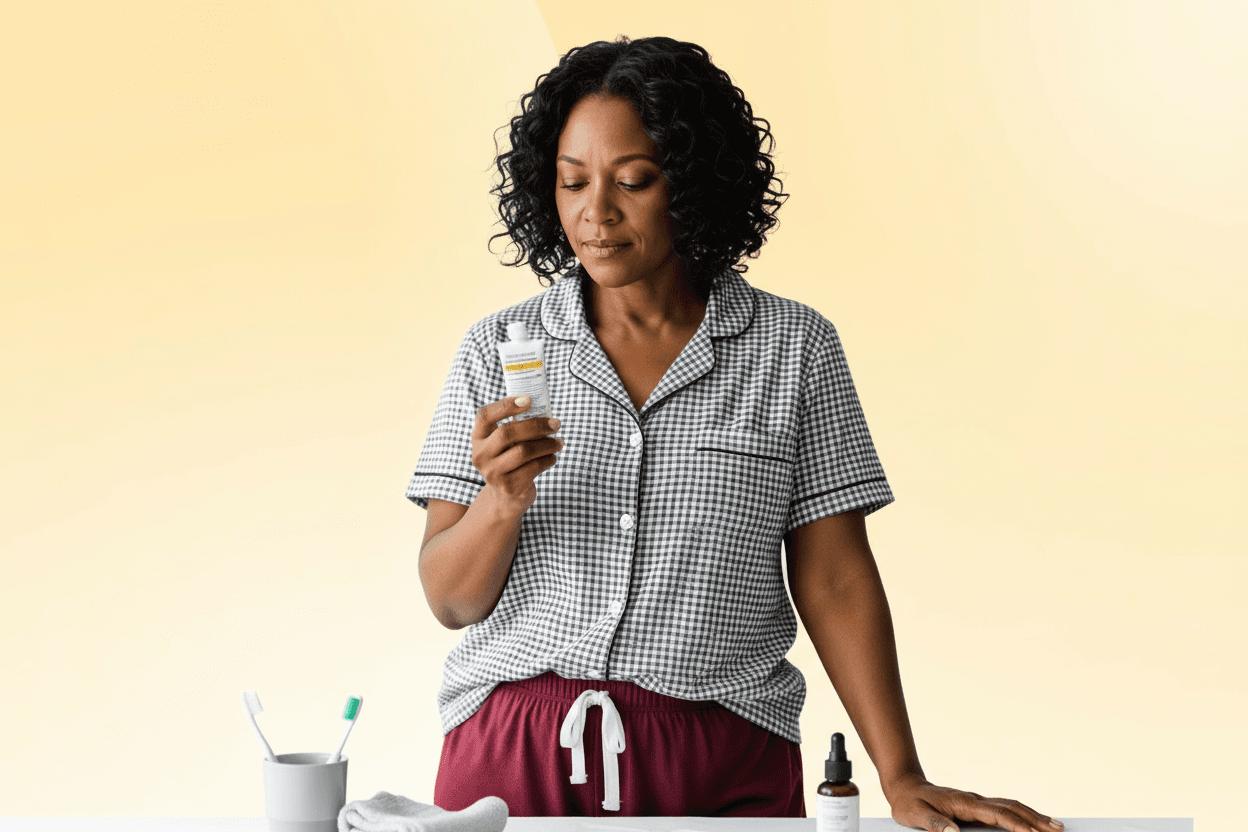
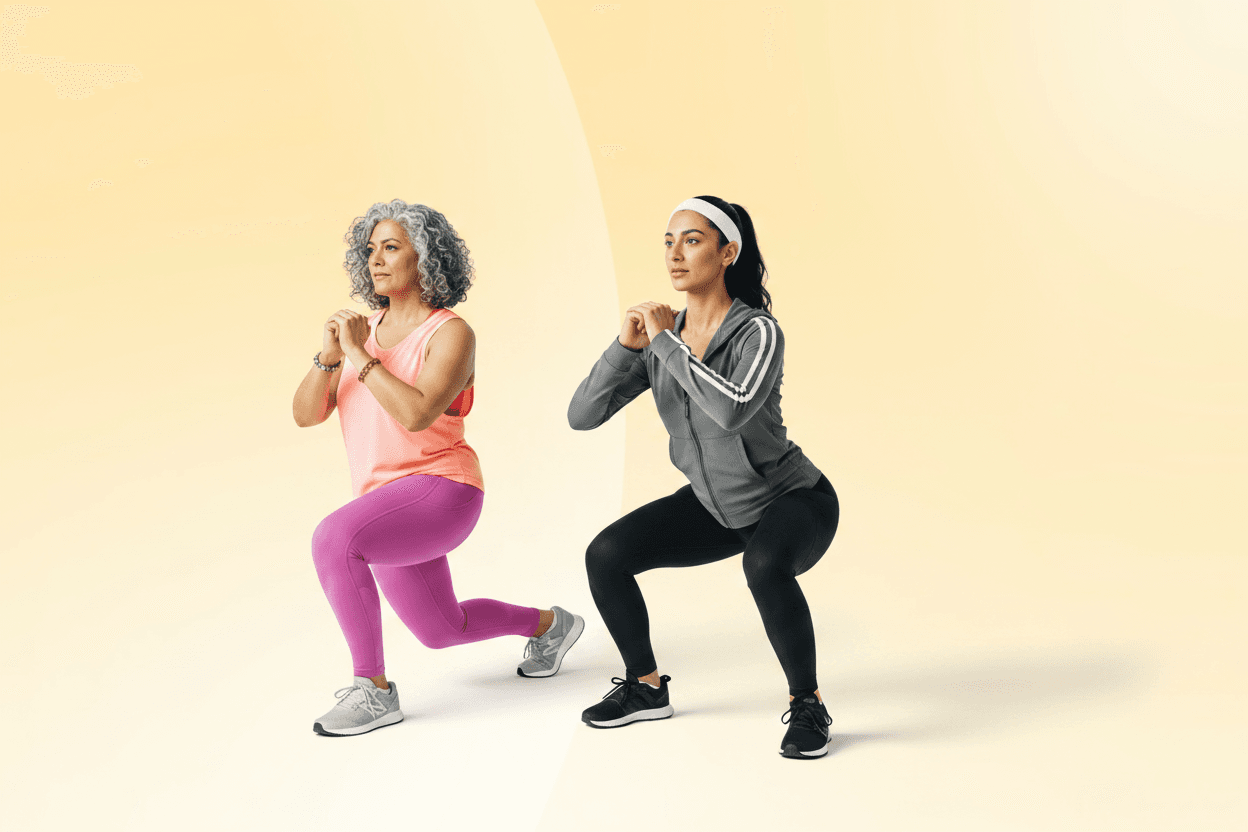
Don’t have time for the full workout? Here’s your quick session: Menopause is a major transition, and your body responds in unique ways. Lower estrogen levels can influence inflammation, muscle recovery, and joint lubrication. This can cause soreness that comes and goes, especially after long periods of sitting or when trying a new activity. For others, the changes are more subtle, showing up as fatigue or tightness that eases with movement. These sensations are common and manageable. Your body remains adaptable, so you don’t need to prepare to suffer. With gentle, consistent habits you can reduce and prevent menopause-related stiffness and joint pain before it begins.
October 20, 2025 • 9 min read

How to reduce and prevent joint pain in menopause
Don’t have time for the full workout? We’ve got you covered with a quick, high-intensity session. Here are the key takeaways: For many women, menopause brings subtle changes that are easy to overlook at first. Your hands might feel tight when you wake up, your knees may click a little when you climb the stairs, or your shoulders may feel sore after activities that once felt effortless. Over time, these sensations can add up, making your body feel heavier or slower to respond. Joint discomfort during menopause is both common and understandable. Studies suggest that more than half of women in midlife experience some form of joint stiffness or pain². The reason lies in how closely estrogen is tied to your body’s connective tissues.
October 20, 2025 • 13 min read

Frequent urination in menopause: causes and prevention
Don’t have time for the full workout? We’ve got you covered with a quick, high-intensity session. Here are the key takeaways: Bloom provides expert-guided pelvic care to help women strengthen bladder support, improve confidence, and stay comfortable, safely from home and often at no cost through their health plan. You might first notice small changes such as waking up once or twice a night to use the bathroom, feeling like you need to go more often during the day, or worrying about finding restrooms when you are out. These patterns are very common in perimenopause and menopause, when hormone fluctuations influence how the bladder and pelvic floor function¹.
October 20, 2025 • 12 min read

Postmenopause cramps and when to get help
Don’t have time for the full workout? We’ve got you covered with a quick, high-intensity session. Here are the key takeaways: Cramping after menopause can be confusing. Many women associate cramps with menstrual cycles, so feeling them years later can lead to concern. The reality is that postmenopausal cramps are common and usually caused by changes in muscle activity, hormone balance, or pelvic support structures rather than a serious medical condition¹. You might notice sensations such as tightening in the lower abdomen, a dull ache across the pelvis, or occasional spasms. These can appear sporadically or during certain activities, like after sitting for long periods, exercising, or during digestion. While mild cramps are often benign, it helps to understand what’s happening in your body and when to escalate your care and talk to a doctor.
October 20, 2025 • 14 min read

Stomach problems in menopause: Gentle ways to ease pain
Don’t have time for the full workout? We’ve got you covered with a quick, high-intensity session. Here are the key takeaways: If you have noticed stomach aches, bloating, or general discomfort that you did not experience before, you are not alone. Many women experience these changes in midlife. Studies show that gastrointestinal symptoms, including bloating and abdominal pain, increase significantly during perimenopause and menopause¹. This discomfort can feel like fullness after meals, dull aching near the lower belly, or cramping that comes and goes. These sensations are common, but that does not make them easy to live with.
October 20, 2025 • 12 min read

Joint pain in perimenopause
Don’t have time for the full workout? We’ve got you covered with a quick, high-intensity session. Here are the key takeaways: Sword's Bloom program provides personalized, expert-led pelvic and musculoskeletal care to help women stay active, strong, and comfortable through perimenopause—all from home and often at no cost through their health plan. Many women in their 40s notice new stiffness or soreness in their back, hips, or knees. These changes often begin gradually, showing up after sitting for long periods, during morning routines, or after light exercise.
October 20, 2025 • 14 min read

How employers can improve support for postmenopausal health
Most benefits teams are confident in their maternity and fertility support offerings. But have you considered the proportion of female team members in your organization who within the menopause or postmenopause age range? This gap in women's health support coverage sees millions of employees struggling in silence during a stage of life that can define both their personal wellbeing and their professional trajectory. Nearly 20 percent of the U.S. workforce—about 27 million women—are in menopause or postmenopause¹. This stage is not a brief transition but a third of a woman’s life², often overlapping with her peak career years. Symptoms linked to menopause and pelvic health, such as bladder leakage, fatigue, hot flashes, and sleep disruption, directly affect daily comfort and performance³. Yet the workplace is rarely designed to accommodate these needs. One in five women has quit or considered quitting her job due to unmanaged symptoms⁴, and global productivity losses tied to menopause are estimated at 150 billion dollars annually⁵. These are not marginal figures; they represent a systemic business issue hiding in plain sight.
October 17, 2025 • 7 min read

How early intervention physical therapy delivers huge savings
Musculoskeletal (MSK) conditions are one of the biggest and most preventable cost drivers in employer health plans. Back pain, knee injuries, and joint issues affect nearly half of all adults and account for hundreds of billions in direct and indirect costs each year.¹ Too often, these conditions are managed reactively. Employees wait for pain to worsen, move through costly imaging and specialist referrals, or even undergo unnecessary surgery. The opportunity for employers lies in a simple shift: act earlier. Early intervention physical therapy addresses pain and injury before it becomes acute or chronic. Proactive MSK care programs delivered at scale can help employees recover faster, prevent avoidable surgeries, and significantly reduce overall healthcare costs.
October 16, 2025 • 6 min read

What is the Sword Bloom Pod?
Don’t have time for the full workout? We’ve got you covered with a quick, high-intensity session. Here’s the key takeaways: The Sword Bloom Pod is a small, FDA-listed, medical-grade device used for your exercise sessions to provide instant biofeedback on your pelvic floor movement. About the size of a tampon, the pod is made of soft, medical-grade silicone, is BPA-free, waterproof, and has passed rigorous safety tests. The Pod connects wirelessly to the Sword Health app on your smartphone. As you complete short, guided exercises, feedback from the pod to the app makes it easy to see that you are doing the exercises correctly, helping you stay motivated and confident as you progress.
October 16, 2025 • 14 min read

What is the Sword Move wearable?
You already know movement is good for you. But between long workdays, family responsibilities, and the fatigue of modern life, finding time to stay active can feel impossible. That’s when the pain, stiffness, and fatigue starts to creep in, quietly building until they interfere with daily life. If you ignore small discomforts, you risk being left with chronic pain that can lead to injuries that take months of recovery. Traditional fixes like gym memberships, personal trainers, or physical therapy appointments can feel expensive, intimidating, or hard to fit into a busy schedule. Sword created Move to change that. Powered by the Move Wearable and supported by real experts, Move helps you build strength, reduce pain, and stay active without disrupting your life. The Move system combines a lightweight wrist-worn wearable, personalized plans in the Sword App, and a supportive Physical Health Specialist to help you build confidence and consistency.
October 16, 2025 • 11 min read

Meet Thrive Pad: Recovery just got smarter
Living with pain can make everyday life feel smaller. Commutes, meetings, chores, and hobbies become harder when your back, joints, or muscles are not cooperating. Many people know they need help, but traditional care can be tough to access. Appointments require time off work, travel across town, and energy you might not have. It is easy to delay, then weeks turn into months, and pain becomes part of the routine.¹ The Sword Thrive Pad was built to change that story. It brings AI physical pain care into your home, guided by a dedicated Doctor of Physical Therapy, so recovery becomes accessible, consistent, and personal. With the newest generation of the Sword Thrive tablet experience, we took what we learned from millions of sessions and created a smarter, more intuitive device designed for real life.² The Sword Thrive Pad is the FDA-listed tablet that powers Thrive, Sword’s AI physical pain care program. The Pad’s in-built wide-angle cameras use computer vision so Phoenix, our AI care agent, can see how you move. You get visual and audio guidance in real time to help you complete your exercises correctly. You follow along on a bright display that shows what to do and how to do it, then you get quick feedback on your form and progress.²
October 15, 2025 • 11 min read
For employers
Workplace health advice
How Digital Physical Therapy Improves Employee Retention
Did you know that fear of pain can be more disabling than pain itself? Chronic pain and employee turnover prevention are critically linked, but with the right MSK benefits coverage, employers can help their team members recover from pain to increase workplace productivity. Nearly 28% of people in the workplace will take leave for MSK pain over the course of a year. Patients who suffer the two most common conditions of low back and neck pain have an average return to work of 7 days. Overall, MSK conditions are responsible for 44 missed work days each year on average.
October 24, 2025 • 6 min read
How to evaluate and select the best digital MSK vendors
Musculoskeletal (MSK) disorders are one of the most expensive and under-addressed cost centers facing U.S. healthcare providers. MSK disorders affect 1 in 2 Americans and cost over $190 billion per year, more than heart disease, cancer, or mental health conditions. For employers and health plans, MSK claims are often among the top 3 cost drivers. And for members, chronic pain reduces quality of life, drives absenteeism, and often leads to costly downstream interventions. That’s why digital MSK solutions have surged in popularity. The promise is compelling: better access, which drives stronger engagement, delivers better outcomes, and therefore lowers overall healthcare costs.
October 24, 2025 • 6 min read
Reduce MSK costs with more effective digital MSK care plans
You’ve likely seen numerous digital health solutions that promise to lower medical spend. You’ve probably zeroed in on the top conditions with significant digital solutions in the marketplace: musculoskeletal (MSK), mental health, and diabetes. For most companies, prioritizing MSK care over other digital health solutions will drive the biggest benefits for your employees and your bottom line when it comes to savings. Given the multitude of vendors, platforms, and solutions available, prioritization can be a daunting task. How do you choose from among the thousands of digital health tools? What combination of condition focus and solution selection will drive the best outcomes for your population and the biggest return for your business?
October 24, 2025 • 5 min read
Tackling the #1 driver of employers’ health costs: MSK
The phrase ‘musculoskeletal disorder’ may not ring a bell — but the feeling might. The term refers to any type of pain in the muscles or joints, from chronic pain to injuries to post-surgical pain. Many of us have suffered from a musculoskeletal (MSK) issue at some point in our lives. In fact, one in two Americans is struggling with an MSK condition right now. And it’s causing economic ripples, especially in the workplace.
January 20, 2020 • 6 min read
Expert guidance
From the experts: Ask a physical therapist

Ask a PT: when is the best time to do my exercises?
Before I joined Sword Health, I worked in brick-and-mortar clinics. I never worked weekends, and rarely worked past 6 pm. My schedule was great...for me. But for my patients, it was a real challenge. Attending a physical therapy appointment might require leaving work early or slipping out at lunch. Even patients with more flexible schedules would sometimes lament about finding childcare or arranging transportation. A thirty-minute appointment could easily take an hour or even 90 minutes once travel was taken into account. When I was in a clinic, the “best” time for a patient to do their exercises was the time that worked for me, not for them. Sword's virtual model gives our members the power to do their exercises when AND where it's most convenient for them. Now that I work remotely for Sword, I’m able to help our members figure out the best time to do their exercises at home. Now, when my members ask me when they should do their exercises, I tell them - the best time is when you’ll actually do them!
February 11, 2021 • 6 min read

Ask a PT: Does walking really help with pain?
If you’ve ever stood on the sidelines of a sporting event, you’ve likely witnessed many falls, trips and tackles. Whether the players are small children or professional athletes, the advice from the coach may have simply been to “walk it off.” While that is not always the best solution after an acute injury, walking can be a really effective way to manage chronic pain. Motion is lotion. Movement increases blood flow, which brings nutrients to our tissues. It also helps those that don’t have blood flow, like cartilage. Cartilage lines our joints, absorbing impact. It’s surrounded by a liquid which provides it with nutrients, flowing in and out of it like a sponge. Exercise, like walking, causes loading that fills and squeezes that sponge, particularly in the joints of our legs and spine.
August 13, 2020 • 5 min read

Ask a PT: What Is Causing My Shoulder Pain?
When your shoulder hurts, it can be difficult to tell exactly what’s gone wrong. You’ve probably heard of pinched nerves and rotator cuff tears. Perhaps you’ve also heard about shoulders being ‘impinged’ or ‘frozen.’ It’s not easy to keep these various shoulder conditions straight, especially when they all cause similar pain symptoms. The first step towards fixing a problem is identifying it. This article, written by a team of Doctors of Physical Therapy, is designed to help you figure out what’s causing your shoulder pain — so you can begin the process of healing it. We will dive into the five most common causes of shoulder pain and how to differentiate them. Cervical refers to the neck, and radiculopathy is pain that radiates to another body part. Hence, cervical radiculopathy: a pinched nerve in the neck, which can cause radiating pain affecting the shoulder. It occurs when the cervical spine becomes damaged due to sudden injury or degeneration over time, and squeezes or puts pressure on a nearby nerve.
November 1, 2023 • 6 min read
Healthcare contributors
Meet Sword's expert authors

Dr. Vijay Yanamadala, MD, MBA, FAANS
Chief Medical Officer at Sword Health

Dr. Fernando Correia, M.D.
SVP Clinical & Regulatory Affairs at Sword Health

Megan Hill, PT, DPT
Director, Clinical Specialists

Morgan Hollis, MS, RDN
Head of Clinical Strategy, Sword Move

Jennesa Atherton
Head of Clinical Affairs, Sword Bloom

Liz Santo
Senior Clinical Program Manager, Sword Bloom ·